EN
EN

How to customize length size of precision cut GI coil finished sheets
2026/09/11
Learn how to specify precision cut GI coil sheets in custom lengths — tolerance selection, coating integrity, and ordering tips.
2026/07/18
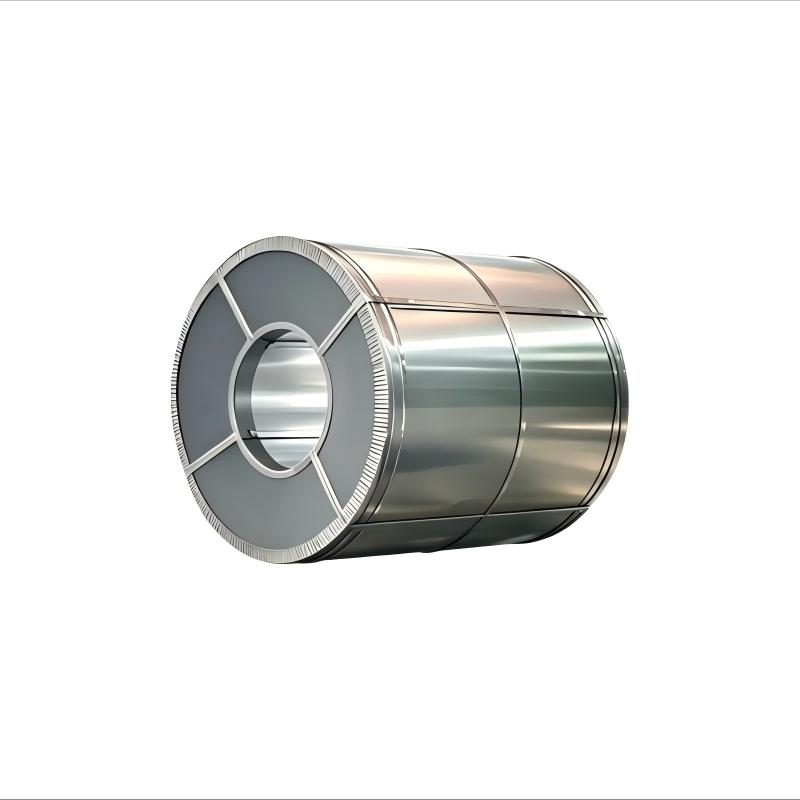
Humid tropical regions present one of the most aggressive environments for steel building materials, with constant high humidity, elevated temperatures, intense UV radiation, and frequent rainfall combining to accelerate corrosion processes dramatically. In tropical coastal areas, the additional presence of airborne salt chloride creates an even more corrosive atmosphere that can reduce the service life of standard galvanized steel by 30 to 50 percent compared to temperate climates. The fundamental corrosion mechanism in these environments involves electrochemical reactions where moisture acts as an electrolyte, enabling the flow of electrons between anodic and cathodic areas on the steel surface. For roofing and wall materials used in tropical construction projects across Southeast Asia, Central Africa, and South America, selecting a substrate with superior atmospheric corrosion resistance is critical for ensuring adequate building service life and minimizing maintenance costs. Weather resistant galvalume steel coil, with its unique 55 percent aluminum-zinc alloy coating, is specifically engineered to address the corrosion challenges inherent in humid tropical environments, offering performance that significantly exceeds standard galvanized steel.
The exceptional corrosion resistance of galvalume steel coil stems from the metallurgical properties of its 55 percent aluminum, 43.4 percent zinc, and 1.6 percent silicon alloy coating. The aluminum component forms a dense, stable aluminum oxide layer on the coating surface that acts as a physical barrier, blocking moisture and oxygen from reaching the underlying steel substrate. This barrier mechanism is fundamentally different from the sacrificial protection provided by pure zinc in standard galvanized coatings. In galvalume steel coil, the zinc phase is distributed as a network within the aluminum matrix, providing localized sacrificial protection at coating damage sites and cut edges while the aluminum barrier protects the bulk of the surface. This dual protection mechanism is particularly effective in humid tropical environments, where the aluminum barrier resists the continuous moisture exposure that would rapidly consume a pure zinc coating. The silicon addition controls the intermetallic alloy layer growth between the coating and the steel substrate, ensuring strong coating adhesion that prevents delamination during thermal cycling and forming operations. Weather resistant galvalume steel coil with AZ150 coating weight provides atmospheric corrosion resistance that is two to four times greater than G90 galvanized steel in tropical environments.
Long-term atmospheric exposure testing provides the most reliable data for evaluating the corrosion performance of galvalume steel coil in tropical climates. Benchmark studies conducted by the International Zinc Association and steel coating research institutes have monitored galvalume and galvanized test panels at exposure sites worldwide for periods exceeding 30 years. In tropical marine atmospheres with chloride deposition rates of 50 to 200 milligrams per square meter per day, AZ150 galvalume steel coil shows average coating loss rates of 0.5 to 1.2 microns per year, compared to 2.5 to 4.0 microns per year for G90 galvanized steel. This translates to an expected service life of 25 to 40 years for weather resistant galvalume steel coil in tropical marine environments, compared to 10 to 15 years for galvanized steel with equivalent coating weight. In tropical rural and urban atmospheres without significant chloride exposure, the performance advantage is even greater, with galvalume steel coil achieving 40 plus years of service life. These exposure test results are corroborated by real-world performance data from buildings in tropical regions, where galvalume roofing installed in the 1990s continues to perform satisfactorily with minimal coating degradation.
A critical advantage of galvalume steel coil in tropical environments is its cut edge protection behavior, which prevents corrosion from initiating at the exposed steel edges created during slitting, cutting, and forming operations. When galvalume steel coil is cut, the exposed steel edge is in direct contact with the surrounding aluminum-zinc coating, creating a galvanic cell where the zinc phase in the coating preferentially corrodes to protect the exposed steel. The corrosion products of zinc, primarily zinc oxide and zinc hydroxide, are insoluble and form a protective film over the cut edge, effectively sealing it against further moisture penetration. This self-healing mechanism is particularly valuable in humid tropical climates where frequent rainfall and high humidity would rapidly corrode exposed steel edges on non-coated materials. In contrast to prepainted products where edge corrosion can lift and delaminate the paint film, the cut edge protection of weather resistant galvalume steel coil maintains coating integrity even at unprotected edges. For roofing and wall applications where cut edges are unavoidable and often exposed to direct rainfall, this self-healing property significantly extends the service life of the installed material.
Beyond corrosion resistance, galvalume steel coil offers significant thermal performance benefits that are particularly valuable in tropical building applications. The naturally reflective surface of the 55 percent aluminum-zinc coating has a solar reflectance of 0.55 to 0.75, meaning that 55 to 75 percent of incident solar radiation is reflected rather than absorbed. This high solar reflectance reduces heat gain through roofing and wall materials, lowering interior building temperatures by 3 to 8 degrees Celsius compared to dark-colored or non-reflective roofing materials. For buildings in tropical regions where air conditioning represents a major operating cost, this temperature reduction translates directly into energy savings of 10 to 25 percent on cooling loads. The thermal emittance of galvalume steel coil, typically 0.30 to 0.50, further contributes to heat dissipation by allowing the roof surface to radiate absorbed heat back to the sky. When combined with proper building insulation and ventilation, weather resistant galvalume steel coil roofing can significantly improve thermal comfort and reduce energy costs in tropical buildings, making it an ideal material for sustainable construction in hot and humid climates.
A roofing materials manufacturer in Indonesia supplies corrugated roofing sheets produced from galvalume steel coil to construction projects across the archipelago, where average humidity exceeds 75 percent and coastal chloride exposure is widespread. Over a ten-year monitoring period, the manufacturer documented the performance of AZ150 weather resistant galvalume steel coil roofing installed on industrial buildings in Jakarta, Surabaya, and several smaller coastal cities. After ten years of exposure, the roofing panels showed no red rust formation, minimal coating thickness loss averaging 8 microns, and no coating delamination at cut edges or fastener points. By comparison, galvanized steel roofing of equivalent coating weight installed at the same locations showed red rust at cut edges within four years and required replacement after seven to eight years. The manufacturer estimates that the use of galvalume steel coil has reduced warranty claims by 70 percent and extended the average roof service life from 8 years to 25 plus years, generating significant customer satisfaction and repeat business. This real-world performance data confirms that weather resistant galvalume steel coil is the optimal substrate for tropical climate applications, and suppliers with consistent galvalume coating quality and proper inventory management are best positioned to serve tropical market construction projects.
What coating weight is recommended for galvalume steel coil in tropical coastal areas?
For tropical coastal areas with direct salt spray exposure, AZ150 (150 grams per square meter total both sides) is the minimum recommended coating weight, with AZ200 providing additional margin for extremely aggressive environments. For tropical inland areas, AZ100 to AZ120 is generally sufficient for most building applications.
Can galvalume steel coil be painted for additional tropical weather protection?
Yes, galvalume steel coil can be used as the substrate for pre-painted galvalume (PPGL) products, which combine the corrosion resistance of the aluminum-zinc coating with the UV protection and color options of a paint system. PPGL is recommended for tropical applications where both corrosion resistance and specific colors are required.
How does galvalume steel coil compare to aluminum roofing in tropical climates?
Galvalume steel coil offers comparable corrosion resistance to aluminum at significantly lower material cost, with the added advantage of higher mechanical strength allowing thinner gauges. Aluminum has superior natural reflectivity and is lighter weight, but the cost per square meter of coverage is typically 2 to 3 times higher than galvalume steel coil for equivalent performance.
2026/09/11
Learn how to specify precision cut GI coil sheets in custom lengths — tolerance selection, coating integrity, and ordering tips.
2026/09/11
Learn why premium finish galvalume steel coil delivers better paint adhesion and visual consistency in finished building products. Request specs today.
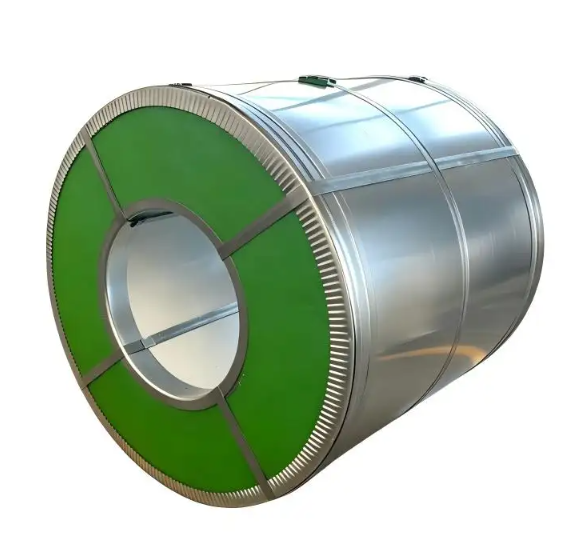
2026/09/10
Learn why heavy coating galvalume steel coil provides superior corrosion resistance in harsh coastal settings and saves long-term maintenance costs.
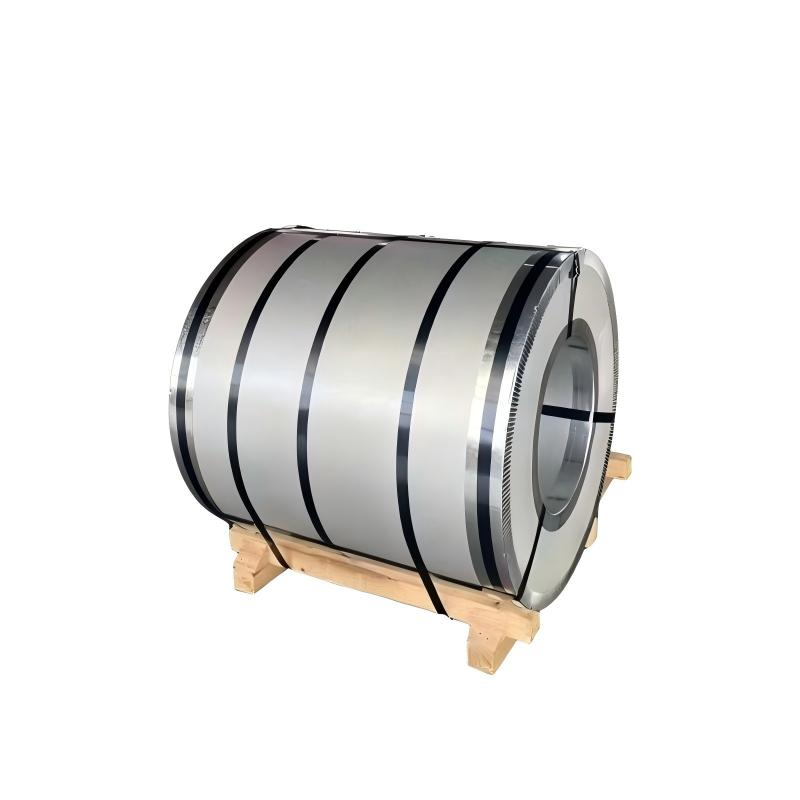
2026/09/10
Learn how to test the bending performance of formable galvalume steel coil samples using T-bend testing to prevent cracking and scrap.
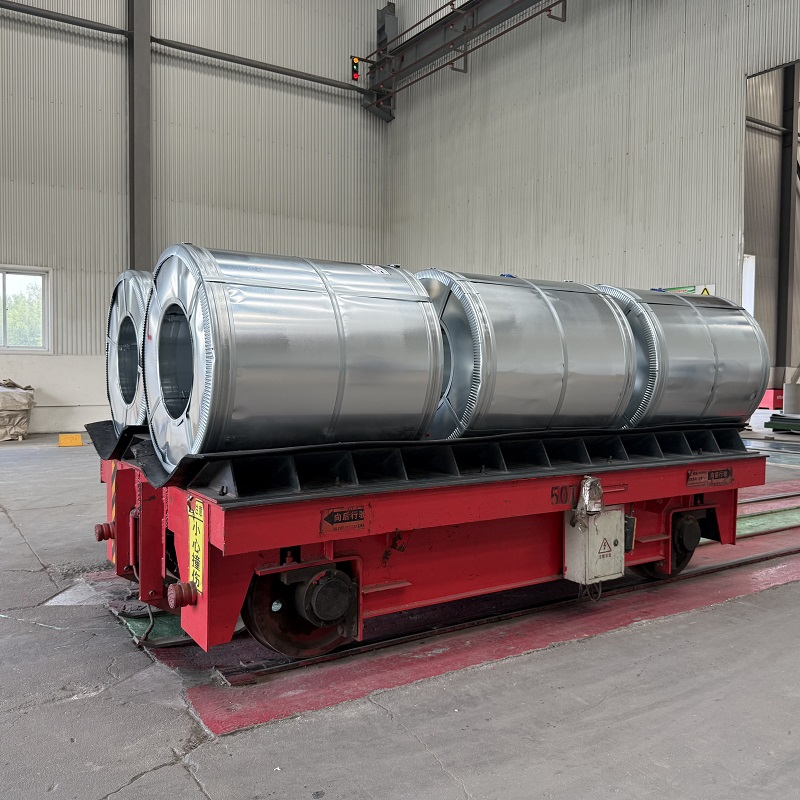
2026/09/10
Discover how multi specification galvalume steel coil simplifies purchasing, boosts productivity, and lowers costs for metal fabricators.
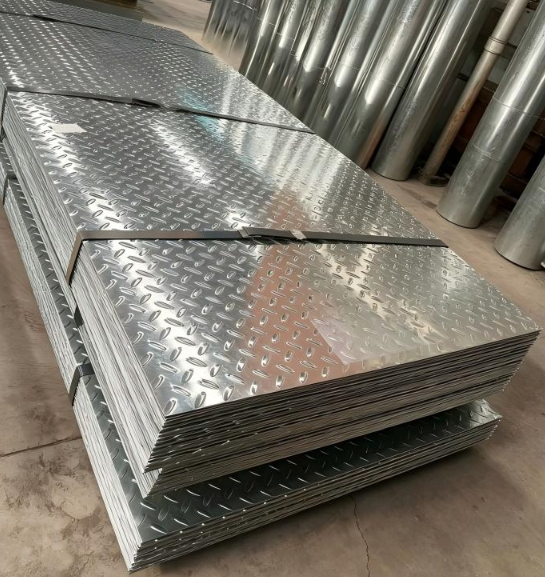
2026/09/10
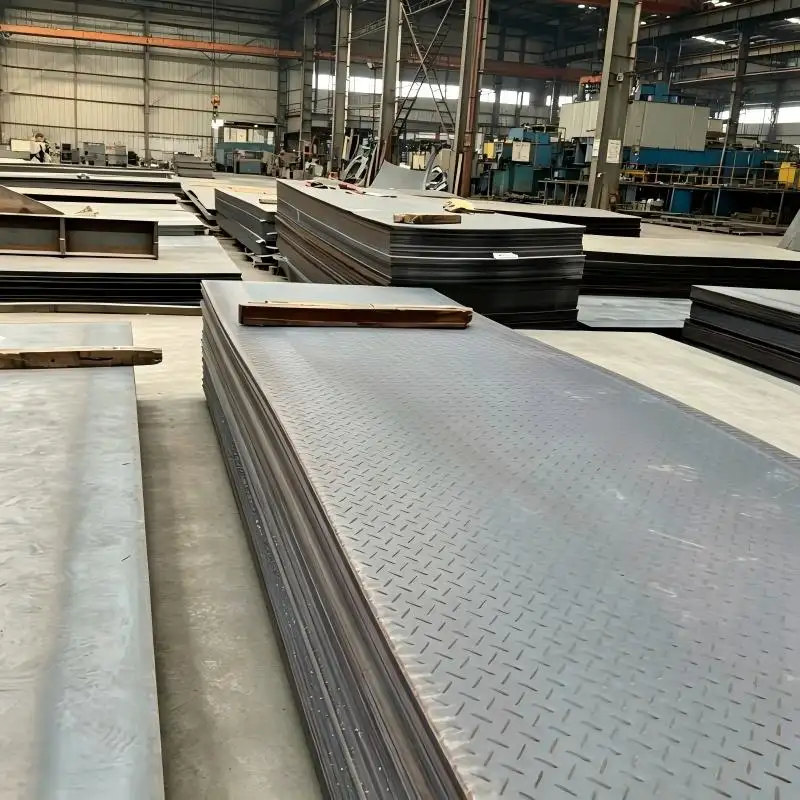
Discover why hot dipped galvanized steel and hot dip galvanized checkered plate offer ideal corrosion resistance and strength for road guardrails.
Covering green transformation, product comparison, selection guide, and industry empowerment, helping you fully grasp the dynamics of the color steel industry.
Global climate action and Belt and Road cooperation are driving the color steel industry’s shift toward green, sustainable development.

Comparing PPGI and PPGL across performance, durability, and applications to help you select the optimal coated steel for your project.
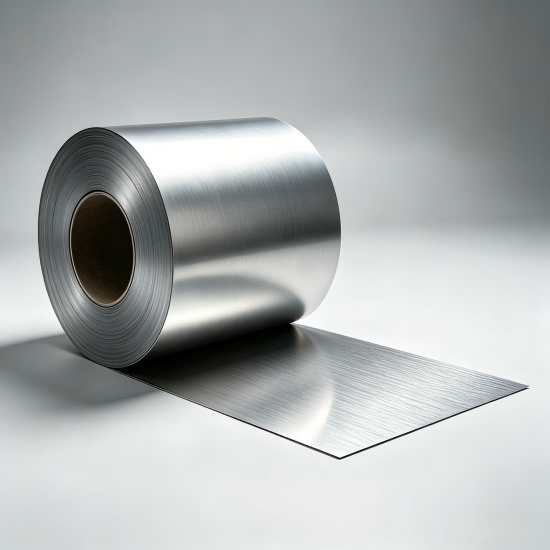
A practical guide to selecting and applying color steel coils, ensuring optimal performance, durability, and cost-effectiveness for your projects.
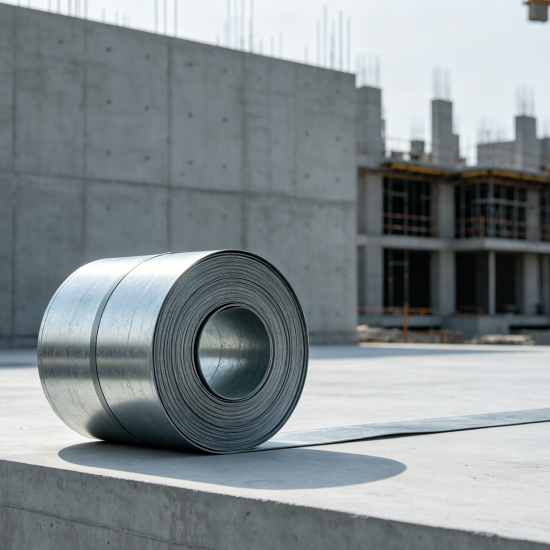
Industry forum drives digital and green transformation, empowering steel sector development through innovation and collaboration.