EN
EN

How to customize length size of precision cut GI coil finished sheets
2026/09/11
Learn how to specify precision cut GI coil sheets in custom lengths — tolerance selection, coating integrity, and ordering tips.
2026/09/10
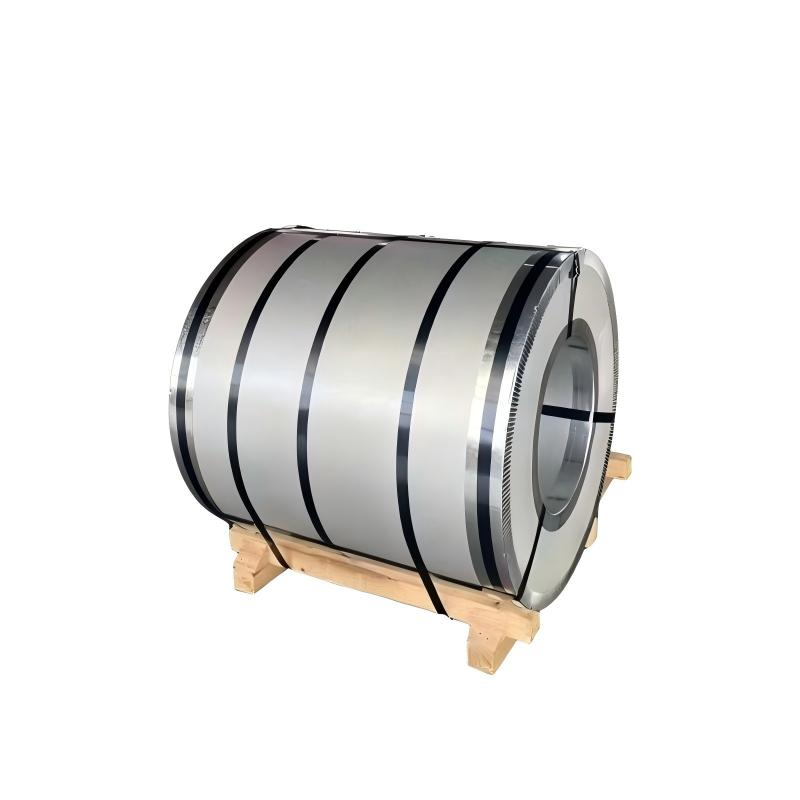
When metal fabricators select raw materials for roll-forming machinery or press brake operations, bendability stands out as the single most critical mechanical property. Sheet metal that cracks, splits, or suffers paint flaking during tight bending quickly causes machine downtime, damages expensive tooling, and generates heaps of costly scrap metal. Yet, formal material testing often skips this crucial check, with purchasing managers relying solely on basic tensile strength reports that tell very little about actual bending performance on the shop floor.
High-grade formable galvalume steel coil is specially produced to handle tight-radius bends without suffering surface cracking or coating separation. Implementing a practical testing setup for incoming galvalume steel coil samples gives factory managers direct insight into how every shipment will perform during actual manufacturing operations.
The standard industry method for evaluating the bending limits of coated steel sheet products is the T-bend test, governed by international guidelines like ASTM D4145 and ISO 1519. This procedure determines the tightest bend radius a metal sheet can endure before its protective alloy coating or topcoat paint begins to crack or detach.
Carrying out a standard T-bend test follows a straightforward routine:
Quality formable galvalume steel coil should easily achieve a 1T to 2T rating without losing coating adhesion. Specialized ultra-soft grades can achieve a 0T rating, though these require extra care during coil handling and processing.
Intermittent cracking on automated forming lines often stems from unseen batch variations. Consider the real-world experience of a roofing profile factory operating in Binh Duong, Vietnam.
The plant suffered from periodic edge cracking along tight profile bends. Some coils ran through the roll-former smoothly, while other batches from the exact same vendor produced cracked, unuseable sheets. The root cause traced back to batch-to-batch variations in ductility that standard mill test certificates failed to capture.
To solve the issue, quality inspectors set up an incoming inspection protocol for formable galvalume steel coil samples:
Over a six-month operational window, the plant achieved dramatic production gains:
The minor cost of running regular incoming tests paid for itself within two weeks through material savings alone.
For smaller fabrication shops lacking specialized T-bend equipment, the O-bend test (frequently referred to as the wrap-around bend method) offers a simple, accessible alternative.
This test involves wrapping galvalume steel coil samples completely around a smooth cylindrical mandrel until the two ends meet, forming a closed "O" shape. The outer diameter of the mandrel relative to the sheet thickness dictates the severity of the test fold. This approach provides excellent performance feedback for formable galvalume steel coil destined for spiraled ducting, tubular components, or closed structural shapes where metal wraps continuously around inner frames.
Several metallurgical and manufacturing variables influence how well formable galvalume steel coil performs under heavy bending loads:
| Influencing Factor | Specification Range | Bendability Performance & Application |
|---|---|---|
| Substrate Grade | G250/G300 | High elongation, suitable for tight radius bending, complex profiles |
| Substrate Grade | G550 | High strength, poor bendability, prone to edge cracking in tight forming |
| Coating Weight | AZ100/AZ120 | Thin and flexible coating, excellent for severe bending processes |
| Coating Weight | AZ150+ | Thick brittle alloy layer, not suitable for ultra-tight bending |
| Topcoat Thickness | 20–25μm | Optimal flexibility, no micro-cracking during forming |
| Topcoat Thickness | >30μm | Stiff coating, easy to produce surface micro-fractures |
| Skin-Passing Treatment | Untempered/Light skin-passed | Higher elongation, perfect for severe forming work |
| Skin-Passing Treatment | Standard temper-rolled | Elongation reduced by 2%–5%, slightly weakened bending performance |
Setting up a reliable quality control workflow for incoming formable galvalume steel coil requires five clear steps:
Consistently achieving clean, crack-free bends requires sourcing raw materials from partners who enforce strict metallurgical controls throughout production. Yuanhe Steel supplies premium formable galvalume steel coil and custom galvalume steel coil products complete with certified bend testing documentation. By managing everything from raw substrate selection and custom annealing to global logistics and door-to-door delivery, Yuanhe Steel helps fabricators secure reliable material consistency, eliminate workshop scrap, and boost overall manufacturing productivity.
2026/09/11
Learn how to specify precision cut GI coil sheets in custom lengths — tolerance selection, coating integrity, and ordering tips.
2026/09/11
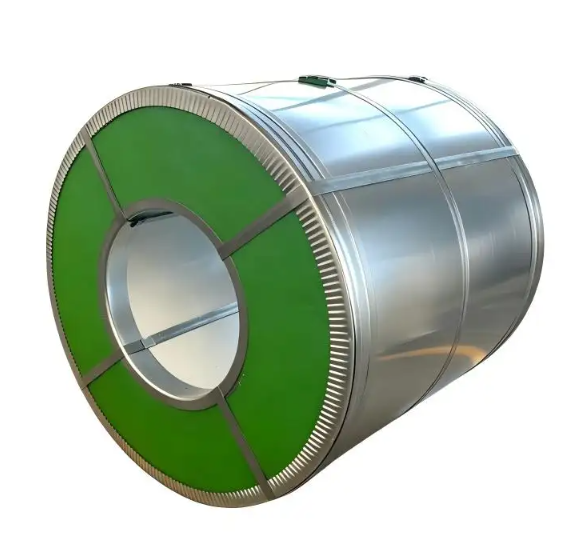
Learn why premium finish galvalume steel coil delivers better paint adhesion and visual consistency in finished building products. Request specs today.
2026/09/10
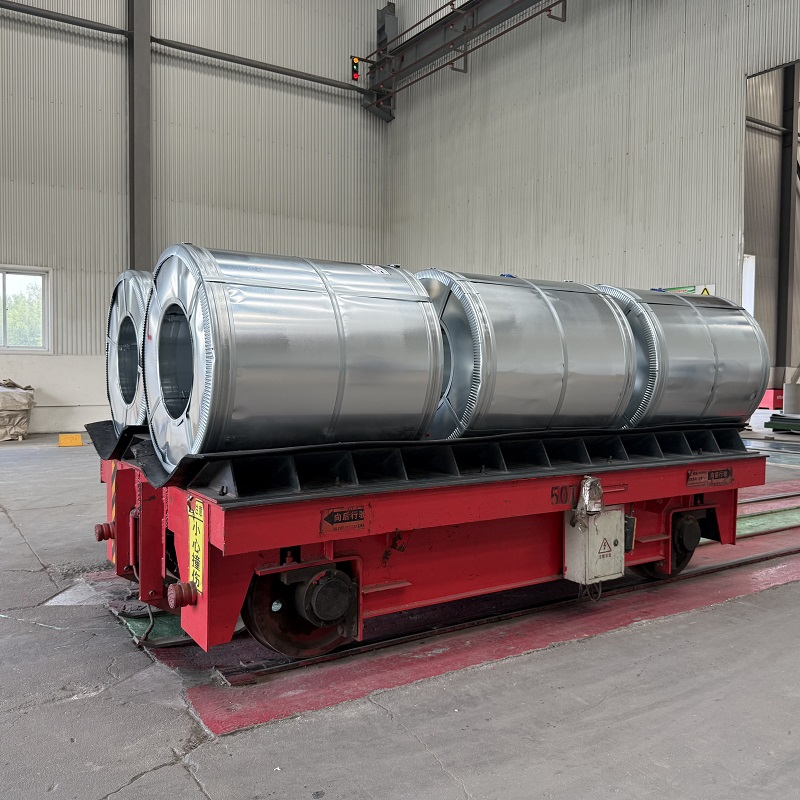
Learn why heavy coating galvalume steel coil provides superior corrosion resistance in harsh coastal settings and saves long-term maintenance costs.
2026/09/10
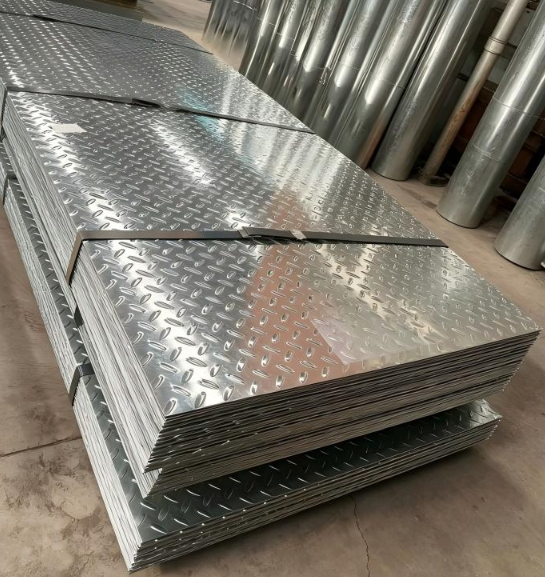
Discover how multi specification galvalume steel coil simplifies purchasing, boosts productivity, and lowers costs for metal fabricators.
2026/09/10
Discover why hot dipped galvanized steel and hot dip galvanized checkered plate offer ideal corrosion resistance and strength for road guardrails.
Covering green transformation, product comparison, selection guide, and industry empowerment, helping you fully grasp the dynamics of the color steel industry.

Global climate action and Belt and Road cooperation are driving the color steel industry’s shift toward green, sustainable development.
Comparing PPGI and PPGL across performance, durability, and applications to help you select the optimal coated steel for your project.
A practical guide to selecting and applying color steel coils, ensuring optimal performance, durability, and cost-effectiveness for your projects.
Industry forum drives digital and green transformation, empowering steel sector development through innovation and collaboration.