EN
EN

How to customize length size of precision cut GI coil finished sheets
2026/09/11
Learn how to specify precision cut GI coil sheets in custom lengths — tolerance selection, coating integrity, and ordering tips.
2026/09/10
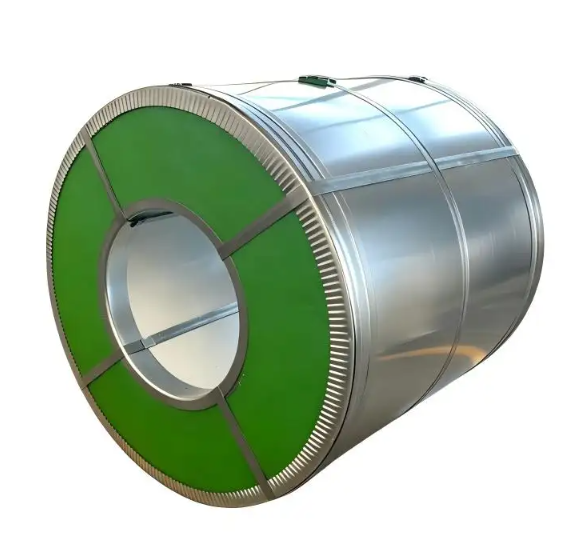
Building near the ocean comes with huge aesthetic and financial perks, but the salt-heavy air creates a constant structural headache. Airborne salt deposits land on metal roofs and side panels, combine with ambient humidity, and set off rapid electrochemical breakdown. In coastal areas within five kilometers of the shoreline, corrosion eats through standard steel five to twenty times faster than inland.
Standard zinc or light alloy layers simply burn through their protective coating too fast in these aggressive environments. This is precisely where heavy coating galvalume steel coil takes over as the primary solution for industrial roofing, cladding, and seaside infrastructure.
To understand why a heavy coating galvalume steel coil performs so well, it helps to look at the metallurgy. The core coating consists of an alloy structure containing 55% aluminum, 43.4% zinc, and 1.6% silicon by weight. This combination protects the underlying steel base through two complementary defense mechanisms.
First, barrier protection comes from the aluminum content. As the surface reacts with moisture and oxygen, the aluminum forms a tough, continuous layer of aluminum oxide. This layer acts like a microscopic armor plate, passivating the surface and blocking chloride ions from reaching the bare steel below.
Second, sacrificial cathodic protection comes from the zinc phase. Whenever the coil gets cut, drilled, or scratched during installation, the zinc corrodes preferentially to protect the exposed core metal edge.
Compared to traditional pure zinc coatings, the presence of aluminum radically extends total service life. In standardized neutral salt spray testing, galvalume steel coil demonstrates two to four times the durability of pure galvanized sheet at equivalent layer thicknesses. An AZ200 heavy coating galvalume steel coil offers roughly two and a half times the salt spray resistance of a standard Z275 galvanized sheet, despite actually using less total coating weight per square meter.
| Coating Specification | Composition Type | Standard Coating Weight | Estimated Coastal Service Life | Key Advantage in Marine Air |
|---|---|---|---|---|
| Standard Galvanized (Z275) | 99% Pure Zinc | 275 g/m² | 6 – 9 Years | Quick sacrificial response, fast zinc depletion |
| Light Galvalume (AZ100) | 55% Al-Zn Alloy | 100 g/m² | 8 – 12 Years | Good barrier layer, thin overall mass |
| Standard Galvalume (AZ150) | 55% Al-Zn Alloy | 150 g/m² | 12 – 18 Years | Balanced cost, moderate marine durability |
| Heavy Coating Galvalume (AZ200) | 55% Al-Zn Alloy | 200 g/m² | 25 – 35+ Years | Maximum passive aluminum barrier protection |
Laboratory accelerated tests tell only part of the story. Real-world performance data collected from tropical, humid, and high-salinity industrial port facilities demonstrates the true gap between standard specifications and heavy-duty options.
In severe marine zones, atmospheric zinc depletion runs surprisingly high. Under typical tropical marine conditions where annual erosion ranges between 3.0 to 4.5 microns per year, lighter alloy specifications like AZ100 wear down to bare metal in under eight years. Moving up to an AZ150 specification provides extra headroom, but long-term projects aiming for a 20-to-30-year operational window still face mid-life repair risks.
Upgrading to an AZ200 heavy coating galvalume steel coil expands the protective layer to approximately 40 microns overall thickness. This thicker reserve increases active life expectancy by 55% to 120% over lower-tier options. Facility owners secure decades of continuous operational integrity without dealing with emergency panel swaps or constant repainting cycles.
A real-world illustration can be seen in a major logistics hub built roughly 1.5 kilometers off the South China Sea coast. The facility featured an 8,000-square-meter footprint utilizing an AZ200 heavy coating galvalume steel coil base specified alongside a premium fluorocarbon topcoat.
Field inspections conducted after four full years of exposure yielded clear quantitative evidence of durability:
Combining a heavy coating galvalume steel coil with a high-durability paint system creates a synergistic multi-tier shielding effect that far outperforms basic single-layer designs.
Specifying heavy coating galvalume steel coil requires a modest upfront premium—typically 8% to 15% higher material cost over entry-level AZ150 stock. However, looking at total life-cycle expenditure turns that initial cost into a high-return investment.
Consider the baseline economics for a typical 8,000-square-meter industrial warehouse complex:
If a standard coating breaks down at year 12, recoating, patching, or replacing panels incurs high labor, scaffold, and operational downtime expenses easily topping $65,000 over a two-decade window. Spending an extra $7,000 up front avoids those massive secondary costs down the road, delivering a net return of over eight times the initial outlay.
To maximize durability when working with heavy coating galvalume steel coil stock in seaside environments, incorporate these core engineering rules:
Navigating complex coastal build requirements demands consistent material quality, verified coating accuracy, and dependable international delivery schedules. Shenyang Yuanhe maintains robust manufacturing and supply-chain capabilities, supplying heavy coating galvalume steel coil inventory up to AZ200 grades tailored specifically for harsh marine applications. By matching precision metallurgy with comprehensive technical guidance, Shenyang Yuanhe delivers reliable, long-term corrosion defense for industrial and commercial projects worldwide.
2026/09/11
Learn how to specify precision cut GI coil sheets in custom lengths — tolerance selection, coating integrity, and ordering tips.
2026/09/11
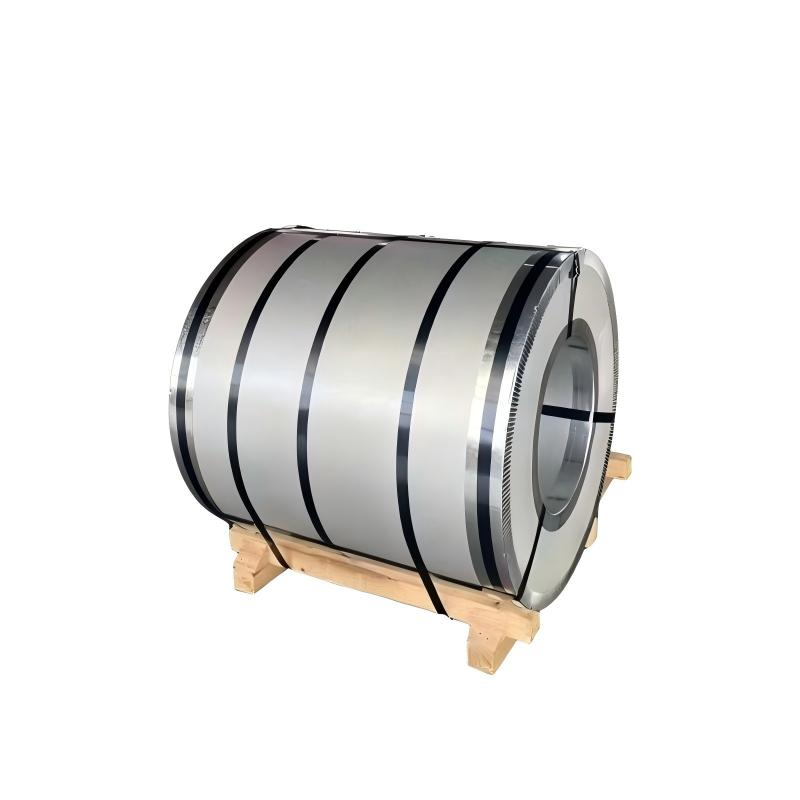
Learn why premium finish galvalume steel coil delivers better paint adhesion and visual consistency in finished building products. Request specs today.
2026/09/10
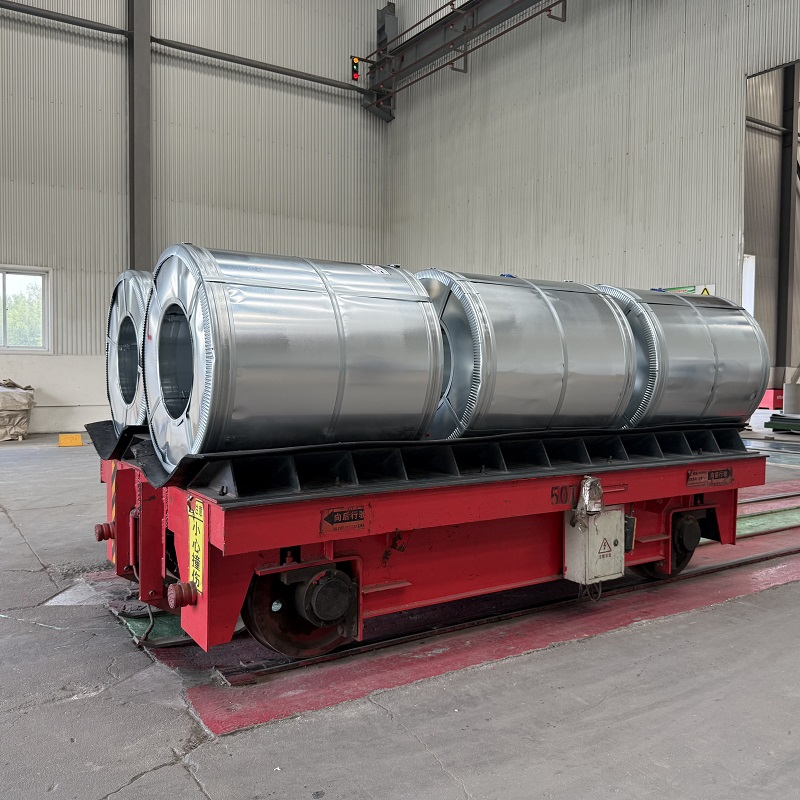
Learn how to test the bending performance of formable galvalume steel coil samples using T-bend testing to prevent cracking and scrap.
2026/09/10
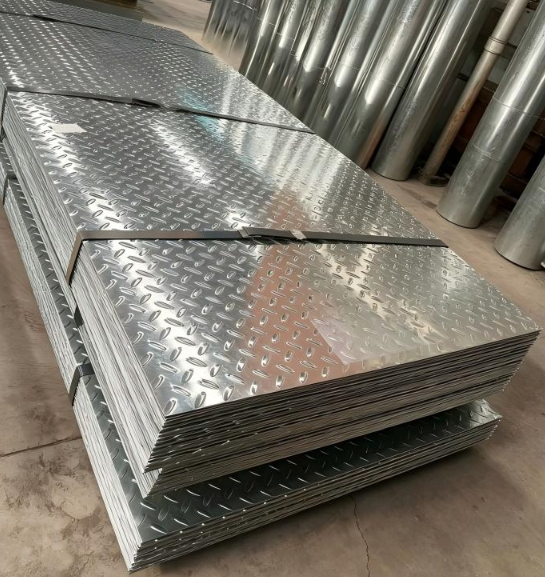
Discover how multi specification galvalume steel coil simplifies purchasing, boosts productivity, and lowers costs for metal fabricators.
2026/09/10
Discover why hot dipped galvanized steel and hot dip galvanized checkered plate offer ideal corrosion resistance and strength for road guardrails.
Covering green transformation, product comparison, selection guide, and industry empowerment, helping you fully grasp the dynamics of the color steel industry.

Global climate action and Belt and Road cooperation are driving the color steel industry’s shift toward green, sustainable development.

Comparing PPGI and PPGL across performance, durability, and applications to help you select the optimal coated steel for your project.
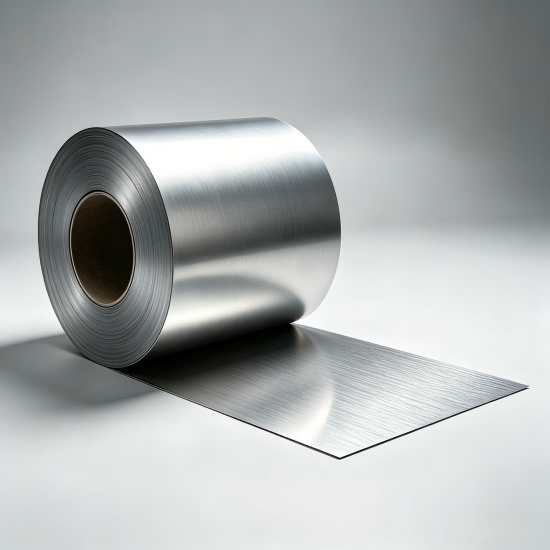
A practical guide to selecting and applying color steel coils, ensuring optimal performance, durability, and cost-effectiveness for your projects.
Industry forum drives digital and green transformation, empowering steel sector development through innovation and collaboration.