EN
EN

How to customize length size of precision cut GI coil finished sheets
2026/09/11
Learn how to specify precision cut GI coil sheets in custom lengths — tolerance selection, coating integrity, and ordering tips.
2026/08/14
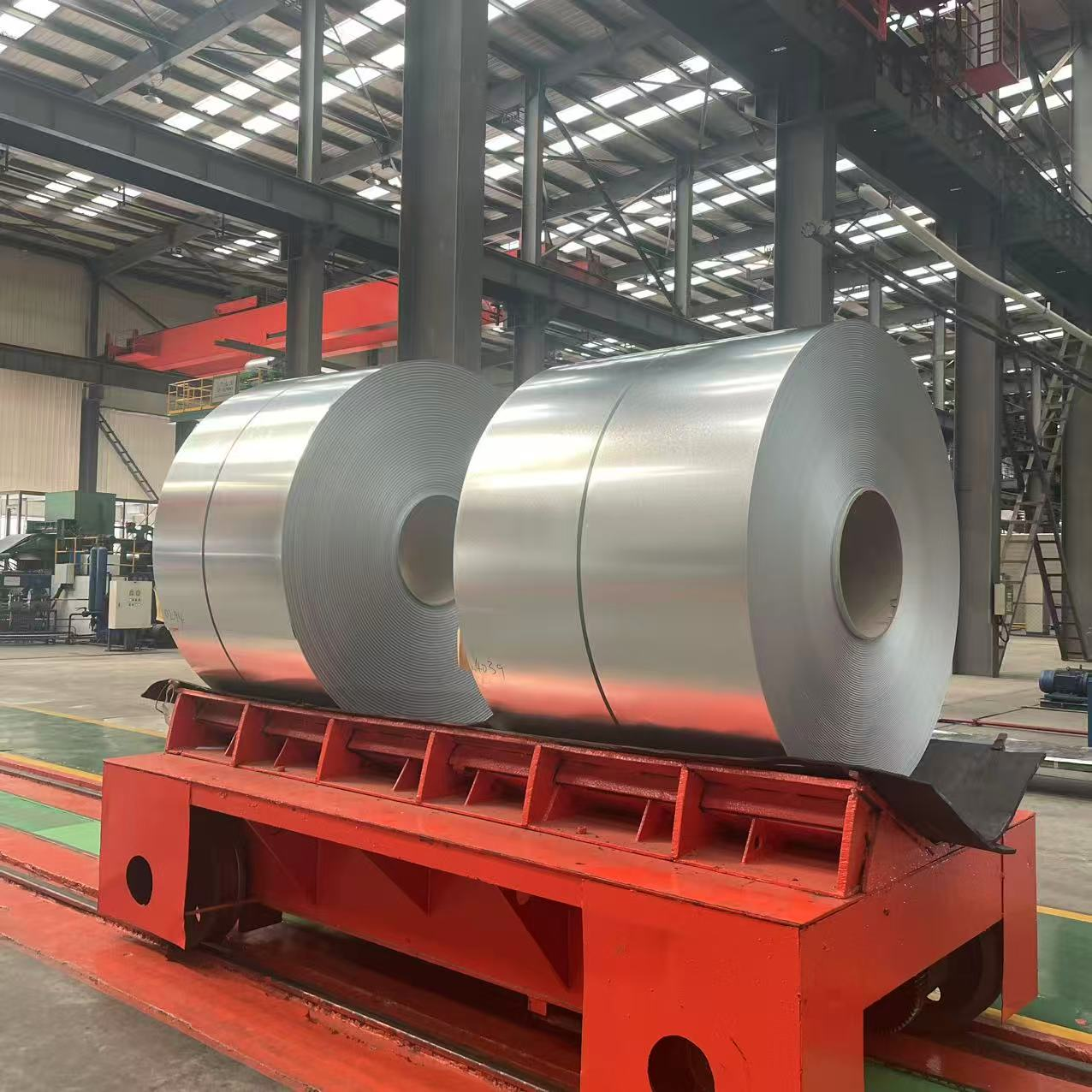
Achieving long-lasting paint performance on prepainted metals comes down to what happens beneath the surface. When applying liquid coatings or powder finishes to galvanized steel, long-term durability depends almost entirely on the quality of the underlying zinc layer. Whether producing architectural panels or home appliances, manufacturers using GI coil as a base material know that paint bonding requires absolute surface consistency.
When the protective zinc layer varies across a metal strip or exhibits defects like spangle irregularities, dross particles, or uncoated gaps, paint bonding becomes erratic. Some sections adhere firmly, while others form hidden weak spots prone to blistering, flaking, or creep corrosion. For manufacturers converting raw GI coil into high-value finished products, understanding how zinc formation impacts coating adhesion is fundamental to reducing scrap rates and avoiding costly field failures.
To see why surface uniformity matters so much, it helps to look at how hot-dip galvanizing works on a metallurgical level. As strip steel passes through a molten zinc bath held around 450 to 470 degrees Celsius, iron and zinc react to form a series of intermetallic alloy layers topped with a pure zinc coating.
Controlling the thickness and chemistry of this outer metallic skin relies on several tight operational parameters:
Air Knife Precision: High-pressure air knives strip away excess liquid zinc to set the final coating weight. Pressure fluctuations across the strip width create thin and thick spots that ruin paint laydown.
Molten Bath Chemistry: Controlling aluminum, iron, and trace elements in the bath ensures proper alloy layer growth and prevents micro-dross inclusions.
Line Speed and Temperature: Stable line speeds prevent uneven cooling gradients, which cause micro-cracking or localized stress points in the protective shell.
When these process variables drift, the resulting galvanized steel exhibits non-uniform surface energy. This variation directly disrupts how well organic primers wet and anchor to the substrate.
The visible crystalline pattern on a galvanized sheet—known as spangle—plays a massive role in mechanical painting adhesion.
Traditional galvanized steel often features large, feather-like spangles measuring anywhere from 5 to 12 millimeters across. While visually distinct, large spangles feature raised grain boundaries and varied crystal orientations. These microscopic hills and valleys cause uneven primer thickness during automated coil coating.
By contrast, specifying a smooth surface GI coil with minimized spangle (typically under 3 millimeters) or zero spangle creates a far more predictable foundation.
Controlled surface roughness, with an Ra value between 0.5 and 1.5 micrometers, offers the ideal balance. It provides plenty of microscopic anchor points for mechanical interlocking without creating deep, narrow valleys that trap air or chemical residues. Trapped air bubbles under a paint film invite moisture intrusion, which quickly turns into sub-film corrosion and premature paint failure.
Choosing the right substrate specification directly improves factory yield and paint test results. The table below outlines how key parameters compare between standard industrial stock and optimized painting grades.
| Substrate Parameter | Standard GI Coil Stock | Smooth Surface GI Coil | Direct Impact on Painting Adhesion |
| Coating Weight Tolerance | Z60 to Z275 (±15% width variance) | Z60 to Z275 (±5% width variance) | Tight tolerances prevent soft, under-cured, or poorly bonded primer zones |
| Spangle Size | 1 mm to 12 mm | 1 mm to 3 mm (Minimized/Zero) | Smaller spangles yield flat surfaces and even liquid paint flow |
| Surface Roughness (Ra) | 0.5 µm to 3.0 µm | 0.5 µm to 1.5 µm | Eliminates deep micro-cavities where air and moisture get trapped |
| Dross & Inclusion Defect Rate | Occasional visible particles | Strictly minimal / zero dross | Prevents pinpoint coating voids and stress-concentration peeling |
| Surface Passivation | Optional / Light oiling | Mandatory dry/passivated film | Prevents zinc oxide oxidation during transit and storage |
| Cross-Cut Adhesion Rating | 3B to 5B (Inconsistent) | Consistent 5B (Zero flaking) | Guarantees top-tier mechanical bond across the entire coil width |
Mechanical roughness is only one part of the adhesion equation; chemical bonding matters just as much. Freshly processed zinc reacts readily with oxygen and atmospheric moisture. If left bare, raw galvanized steel quickly builds up a chalky layer of zinc oxide and zinc hydroxide on its surface.
This weak oxide film acts as a barrier, preventing paint primers from reacting directly with the metallic zinc substrate. To preserve chemical reactivity and stop oxidation during storage and transit, modern continuous coating lines apply a thin, uniform chemical passivation treatment—often chromium-free—immediately after the zinc bath and cooling tower.
This passivating layer stabilizes the underlying metal chemistry, allowing the GI coil to be stored or shipped without degrading its surface energy. When the metal later enters a painting line, the stabilized surface allows functional groups in the primer to form strong, uniform chemical bonds.
To maintain reliable painting adhesion, manufacturers use both real-time monitoring and destructive testing to audit incoming metal quality:
Modern galvanizing lines use continuous X-ray fluorescence (XRF) gauges to scan across the full width of the moving steel strip. These sensors feed real-time coating weight data back to automated air knives, ensuring coating variance stays within strict tolerances across thousands of meters of production.
Quality teams verify physical bond strength using the cross-cut adhesion test under ASTM D3359. Technicians score a lattice pattern through the cured paint film down to the metallic zinc layer, apply pressure-sensitive tape, and pull it away at a sharp angle.
A high-quality smooth surface GI coil should consistently achieve a top-tier 5B rating, meaning the edges of the cuts remain completely smooth with no squares of the lattice detaching. If testing yields 3B or 4B results, uneven zinc layer thickness or surface contamination is usually the primary culprit.
Procurement teams sourcing galvanized steel for painting applications can protect their downstream yields by incorporating clear technical guidelines into their purchasing specifications:
Specify Strict Weight Tolerances: Request a coating weight variation limit of ±5% to ±10% across the full coil width rather than accepting standard commercial tolerances.
Demand Small or Zero Spangle: Mandate a maximum spangle size of 3 millimeters to guarantee a flat profile that accepts paint evenly.
Target Optimal Roughness: Define surface roughness parameters within Ra 0.5 to 1.5 micrometers to balance mechanical anchorage with smooth finish aesthetics.
Require Pretreatment Documentation: Ensure coils undergo immediate chemical passivation to safeguard surface chemistry against oxidation during transit.
Audit Mill Test Certificates: Verify that incoming shipments include lot-specific testing data for coating weight, roughness, and cross-cut adhesion baseline performance.
Delivering consistent, high-adhesion metal products requires advanced processing technology and strict quality management from the continuous galvanizing line all the way to final packaging. Minor process variations during hot-dip coating can easily cause downstream painting defects if left unmonitored.
Shenyang Yuanhe operates state-of-the-art continuous galvanizing and color coating lines designed to produce smooth surface GI coil with precise zinc layer control, uniform surface roughness, and reliable passivation treatments. Through dedicated manufacturing expertise and robust global supply chain services, the enterprise provides global partners with high-grade galvanized and prepainted steel solutions tailored to demanding industrial and architectural applications.
2026/09/11
Learn how to specify precision cut GI coil sheets in custom lengths — tolerance selection, coating integrity, and ordering tips.
2026/09/11
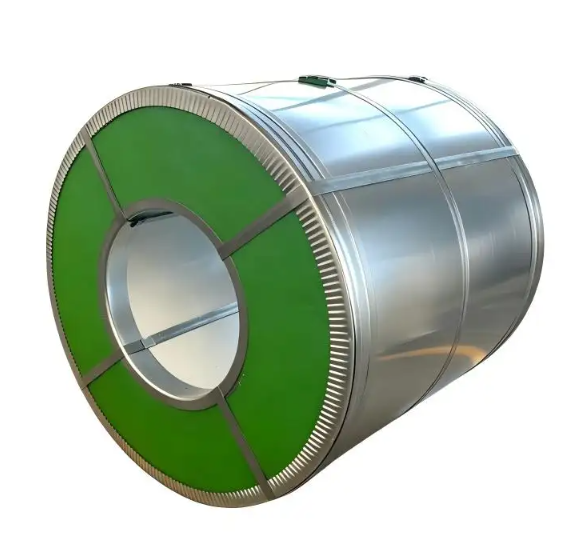
Learn why premium finish galvalume steel coil delivers better paint adhesion and visual consistency in finished building products. Request specs today.
2026/09/10
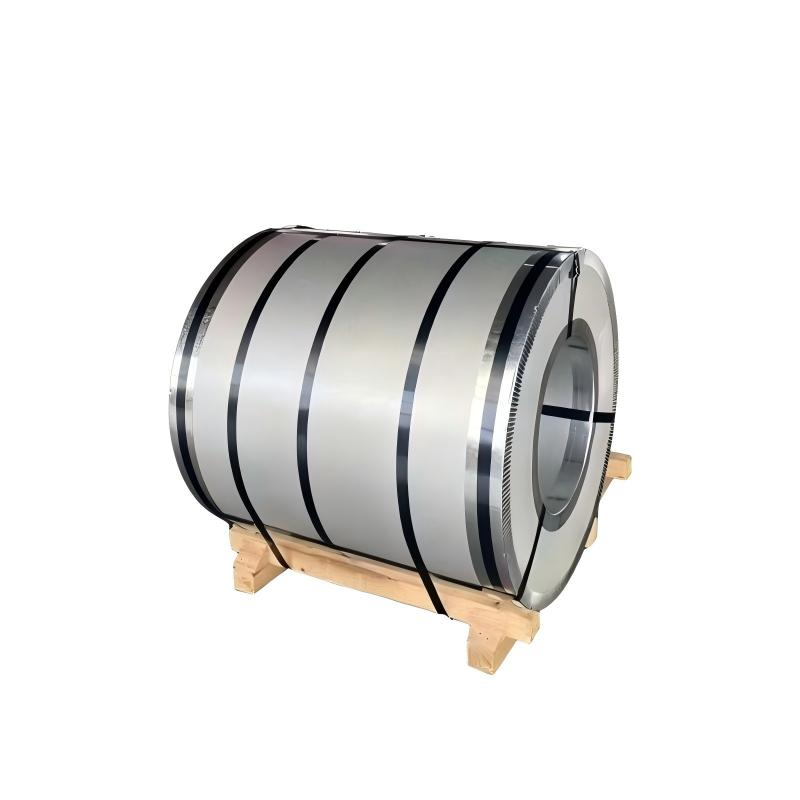
Learn why heavy coating galvalume steel coil provides superior corrosion resistance in harsh coastal settings and saves long-term maintenance costs.
2026/09/10
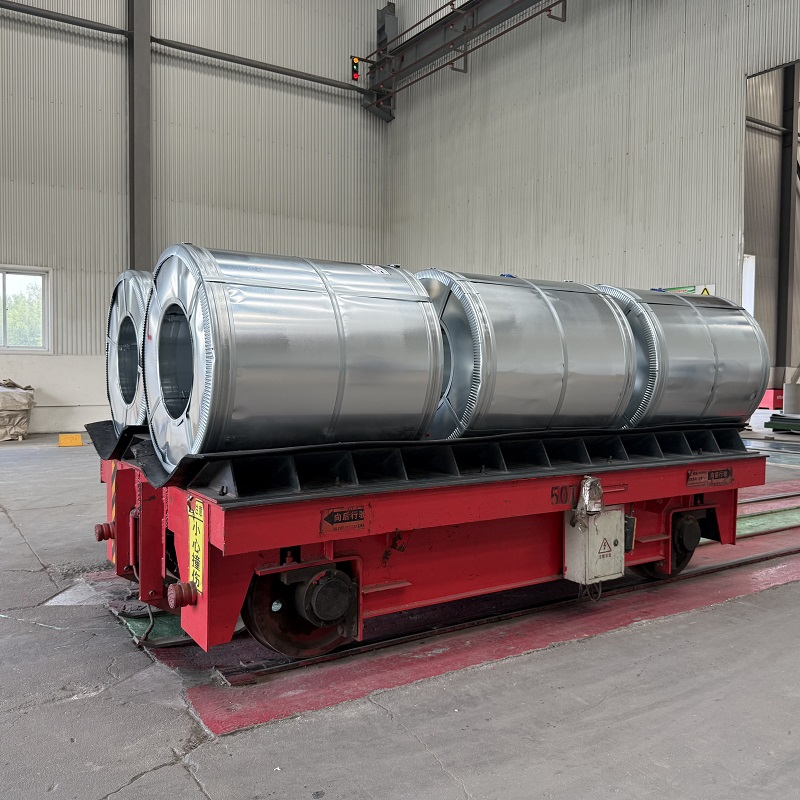
Learn how to test the bending performance of formable galvalume steel coil samples using T-bend testing to prevent cracking and scrap.
2026/09/10
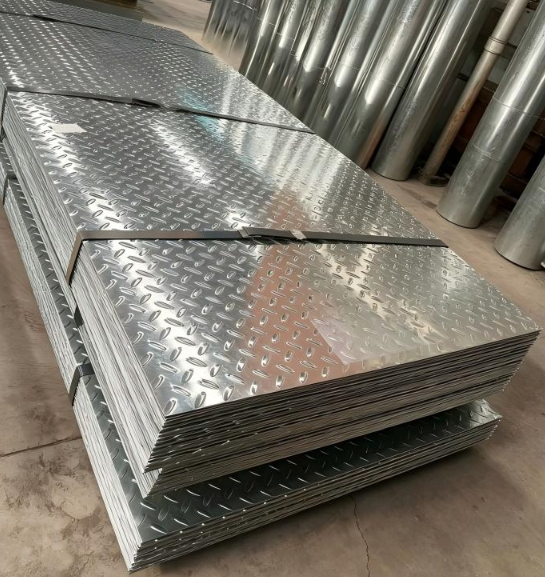
Discover how multi specification galvalume steel coil simplifies purchasing, boosts productivity, and lowers costs for metal fabricators.
2026/09/10
Discover why hot dipped galvanized steel and hot dip galvanized checkered plate offer ideal corrosion resistance and strength for road guardrails.
Covering green transformation, product comparison, selection guide, and industry empowerment, helping you fully grasp the dynamics of the color steel industry.

Global climate action and Belt and Road cooperation are driving the color steel industry’s shift toward green, sustainable development.

Comparing PPGI and PPGL across performance, durability, and applications to help you select the optimal coated steel for your project.
A practical guide to selecting and applying color steel coils, ensuring optimal performance, durability, and cost-effectiveness for your projects.
Industry forum drives digital and green transformation, empowering steel sector development through innovation and collaboration.