EN
EN

How to customize length size of precision cut GI coil finished sheets
2026/09/11
Learn how to specify precision cut GI coil sheets in custom lengths — tolerance selection, coating integrity, and ordering tips.
2026/07/27
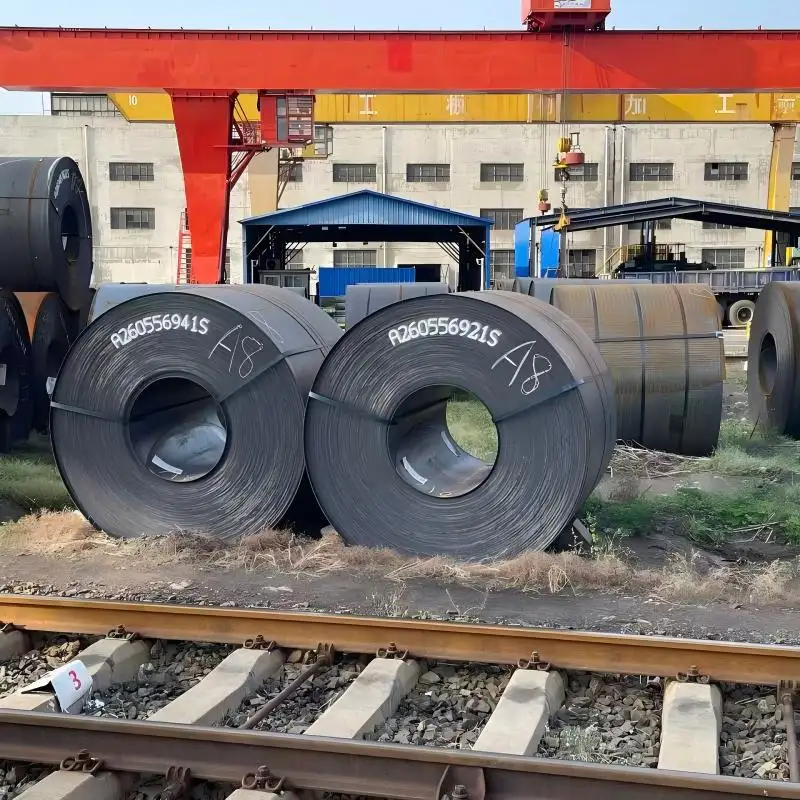
In industrial manufacturing, the visual consistency of finished products directly impacts brand perception and customer satisfaction. Uniform coating PPGI steel coil is the foundation of this consistency, providing a paint layer that is evenly distributed across the entire coil surface. When the uniform coating PPGI steel coil layer varies in thickness, color, or gloss, the final product exhibits visible defects such as streaks, color patches, or uneven reflections. In my work with appliance and building material manufacturers, I have seen entire production runs rejected by end customers because the panel surfaces showed noticeable color variation traced back to inconsistent coil coating. Uniform coating PPGI steel coil eliminates this risk by maintaining tight tolerances on coating thickness, color, and surface finish throughout the entire coil length, ensuring that every panel produced from the same coil looks identical.
The uniform coating PPGI steel coil layer thickness is controlled through the coil coating line process, which applies paint using a roll coater system with precision-engineered applicator rolls. The coating thickness is measured in dry film thickness (DFT), typically targeting 20 to 25 microns for the primer layer and 15 to 20 microns for the topcoat layer in a standard PE system. To maintain uniform coating PPGI steel coil quality, the line speed, paint viscosity, application roll pressure, and curing oven temperature must be precisely synchronized. I once investigated a quality complaint where the uniform coating PPGI steel coil layer on a batch varied from 18 to 32 microns across the coil width. The root cause was a worn applicator roll that had developed a taper, causing uneven paint transfer. After replacing the roll and recalibrating the coater, the uniform coating PPGI steel coil thickness variation was reduced to plus or minus 2 microns. This experience demonstrates that maintaining the uniform coating PPGI steel coil layer requires not only good process design but also rigorous equipment maintenance.
Color uniformity is a critical aspect of uniform coating PPGI steel coil quality. The color of the painted surface is measured against a RAL or custom color reference using a spectrophotometer, which quantifies color difference as a Delta E value. For uniform coating PPGI steel coil, a Delta E of less than 1.0 is generally acceptable for most applications, meaning the color difference is imperceptible to the human eye. High-end applications such as automotive or premium appliance panels may require a Delta E below 0.5. The uniform coating PPGI steel coil layer must also maintain consistent gloss level, typically measured at 60 degrees with a gloss meter, with variation limited to plus or minus 5 gloss units. I reviewed a case where a building project used uniform coating PPGI steel coil from two different production batches; despite both meeting the RAL 9002 specification, the Delta E between batches was 2.3, creating a visible color mismatch on the building facade. This case highlights why buyers should specify maximum Delta E tolerance and request color consistency certification for uniform coating PPGI steel coil orders.
The uniform coating PPGI steel coil layer must be free from surface defects that compromise appearance and performance. Common defects include orange peel, pinholes, blisters, fish eyes, and dirt inclusions. These defects originate from contamination in the coating line, improper paint viscosity, incorrect curing temperature, or substrate surface irregularities. Preventing defects in the uniform coating PPGI steel coil layer requires a clean substrate surface, properly filtered paint supply, controlled line environment with air filtration, and optimized curing parameters. In a defect investigation I conducted, a batch of uniform coating PPGI steel coil showed pinhole defects affecting 3 percent of the surface area. The root cause was traced to trapped air bubbles in the paint supply system, which were eliminated by installing a degassing unit and adjusting the application roll speed. Maintaining a defect-free uniform coating PPGI steel coil layer is essential for applications where the coated surface is the final visible finish of the product.
In a representative sourcing scenario, a home appliance manufacturer in Southeast Asia ordered 300 tons of uniform coating PPGI steel coil for refrigerator door panels in RAL 9003 white. The buyer specified a maximum Delta E of 1.0 within each coil and 1.5 between coils, a dry film thickness of 25 microns plus or minus 2 microns, and zero tolerance for visible surface defects. Before accepting each batch, the quality team measured color and thickness at five positions per coil and performed visual inspection under standardized lighting. This verification process ensured that the uniform coating PPGI steel coil layer met the appearance requirements for a premium appliance finish. Suppliers like Shenyang Yuanhe, which apply a three-tier quality control system and maintain coating line calibration discipline, can deliver uniform coating PPGI steel coil that meets tight appearance tolerances, supporting manufacturers who demand consistent finished product appearance across large production volumes.
What is the acceptable color variation for uniform coating PPGI steel coil?
For uniform coating PPGI steel coil, a Delta E below 1.0 is generally acceptable, meaning the color difference is imperceptible to the human eye. The uniform coating PPGI steel coil layer should maintain consistent color within and between coils for applications where appearance consistency matters.
How is the uniform coating PPGI steel coil layer thickness measured?
The uniform coating PPGI steel coil layer thickness is measured using a magnetic thickness gauge on the dry film, or through laboratory cross-section microscopy. The target for a standard PE system is 20 to 25 microns for primer and 15 to 20 microns for topcoat. Uniform coating PPGI steel coil should maintain thickness within plus or minus 2 microns.
What causes color variation in uniform coating PPGI steel coil?
Color variation in the uniform coating PPGI steel coil layer can result from inconsistent paint viscosity, worn applicator rolls, improper curing temperature, or pigment settling. Regular equipment maintenance, process monitoring, and color certification are essential to maintain uniform coating PPGI steel coil consistency.
2026/09/11
Learn how to specify precision cut GI coil sheets in custom lengths — tolerance selection, coating integrity, and ordering tips.
2026/09/11
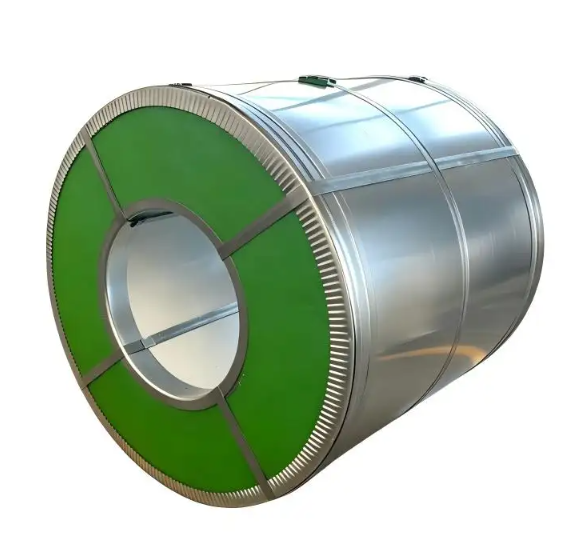
Learn why premium finish galvalume steel coil delivers better paint adhesion and visual consistency in finished building products. Request specs today.
2026/09/10
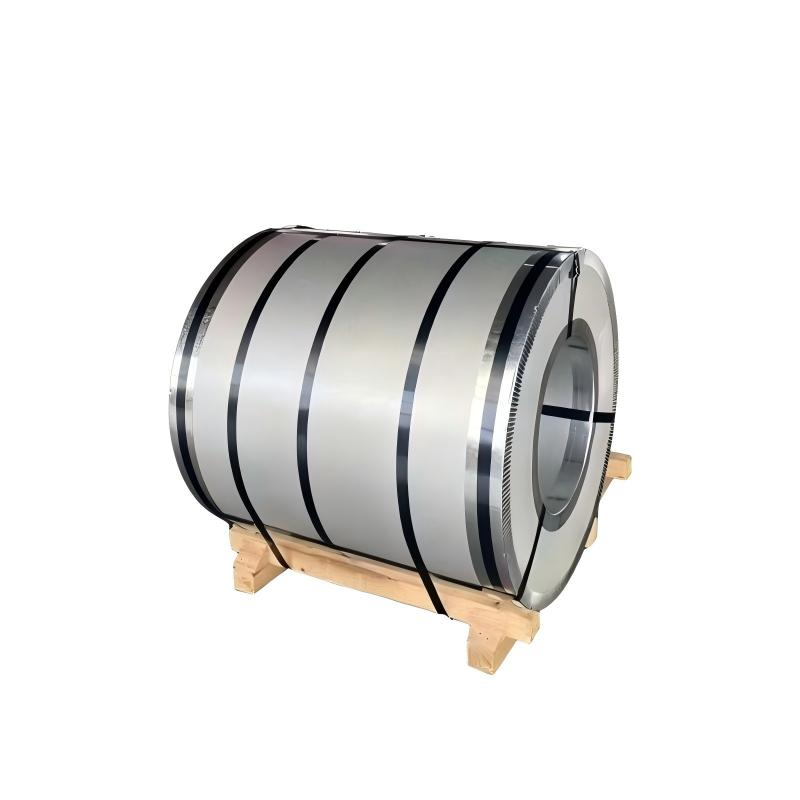
Learn why heavy coating galvalume steel coil provides superior corrosion resistance in harsh coastal settings and saves long-term maintenance costs.
2026/09/10
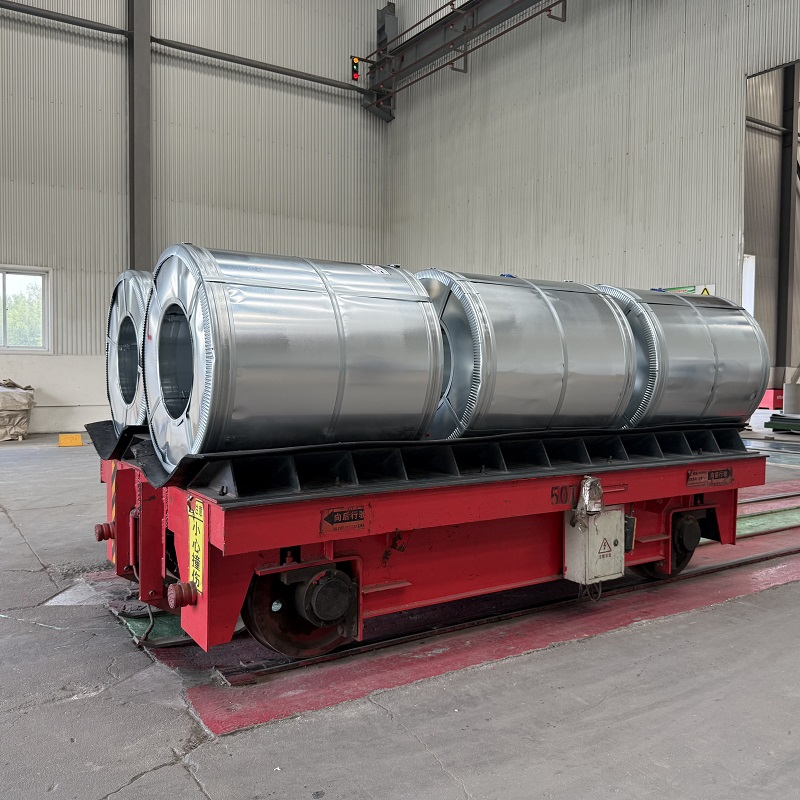
Learn how to test the bending performance of formable galvalume steel coil samples using T-bend testing to prevent cracking and scrap.
2026/09/10
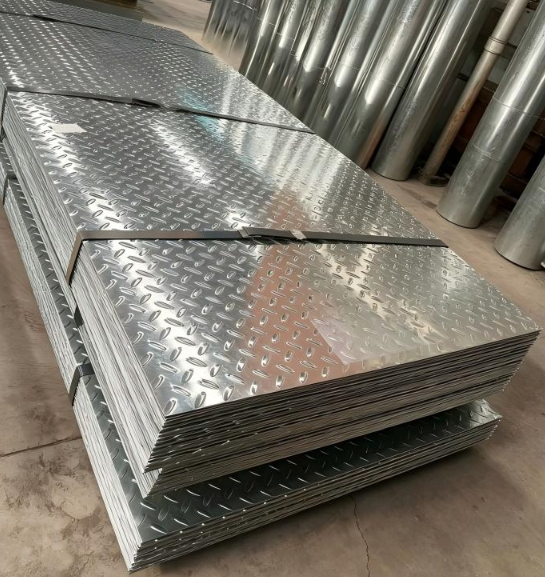
Discover how multi specification galvalume steel coil simplifies purchasing, boosts productivity, and lowers costs for metal fabricators.
2026/09/10
Discover why hot dipped galvanized steel and hot dip galvanized checkered plate offer ideal corrosion resistance and strength for road guardrails.
Covering green transformation, product comparison, selection guide, and industry empowerment, helping you fully grasp the dynamics of the color steel industry.

Global climate action and Belt and Road cooperation are driving the color steel industry’s shift toward green, sustainable development.

Comparing PPGI and PPGL across performance, durability, and applications to help you select the optimal coated steel for your project.
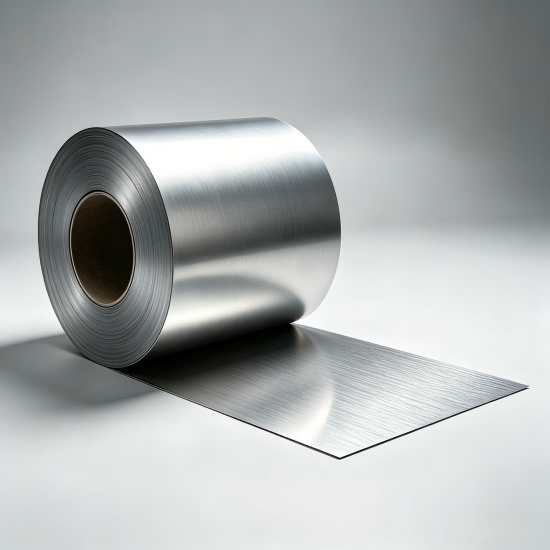
A practical guide to selecting and applying color steel coils, ensuring optimal performance, durability, and cost-effectiveness for your projects.
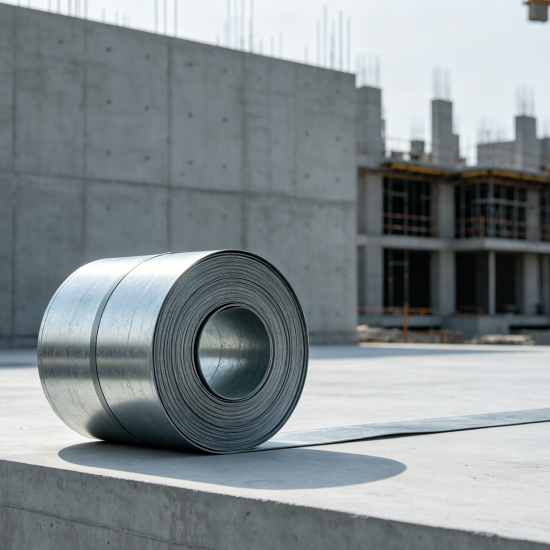
Industry forum drives digital and green transformation, empowering steel sector development through innovation and collaboration.