EN
EN

How to customize length size of precision cut GI coil finished sheets
2026/09/11
Learn how to specify precision cut GI coil sheets in custom lengths — tolerance selection, coating integrity, and ordering tips.
2026/07/16
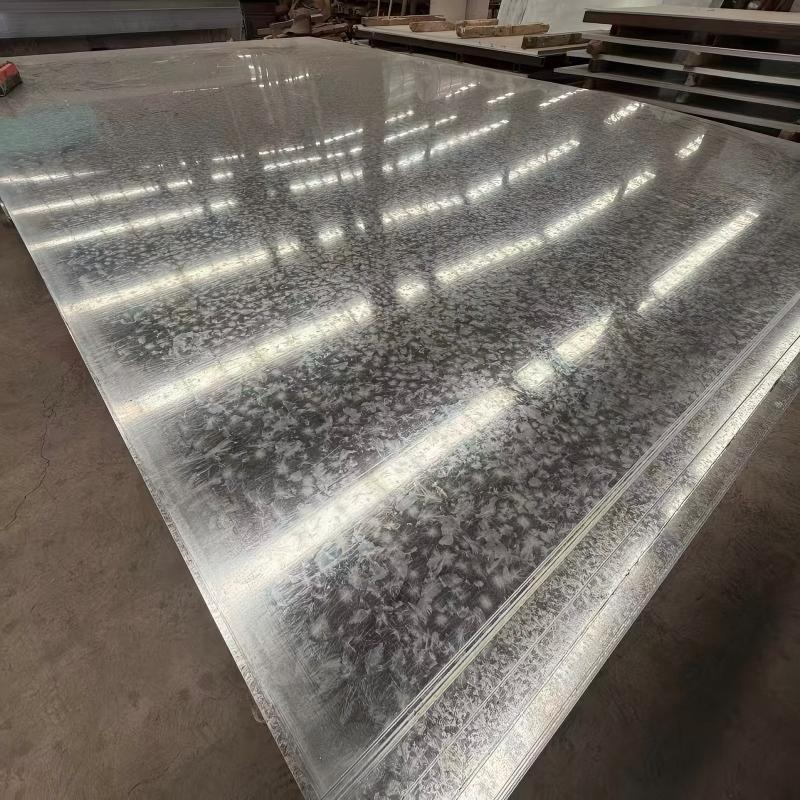
In modern construction and manufacturing, material weight optimization is not merely a design preference but a critical engineering requirement that directly impacts structural load calculations, transportation costs, and installation efficiency. Thin gauge galvalume steel coil has emerged as a preferred material solution for projects where weight reduction cascades through the entire project economics from initial material procurement to final building maintenance. Galvalume steel coil consists of a carbon steel substrate coated with an alloy of approximately 55 percent aluminum, 43.4 percent zinc, and 1.6 percent silicon per ASTM A792 specification, delivering superior corrosion resistance compared to conventional galvanized steel while enabling the use of thinner substrate gauges without compromising durability. This article examines the technical rationale and quantified benefits of using thin gauge galvalume steel coil to reduce overall project material weight.
The 55 percent aluminum content in galvalume steel coil forms a stable aluminum oxide passive layer that significantly delays oxidation penetration, while the zinc component provides sacrificial protection at cut edges and mechanically damaged areas. According to research published by the Galvalume Sheet Producers Association, a 0.30mm galvalume steel coil can deliver equivalent corrosion protection and service life to a 0.40mm conventional galvanized steel coil, representing a 25 percent gauge reduction without compromising durability performance. When manufactured as PPGL coil with an additional pre-painted organic coating layer of 15 to 25 microns per side, the same 0.30mm galvalume steel coil substrate achieves the weather resistance of a 0.50mm pre-painted galvanized product while maintaining nearly 40 percent lower material weight. The silicon content in galvalume steel coil ensures uniform coating adhesion during the hot-dip process, enabling consistent performance at the thinner gauges demanded by modern lightweight construction designs.
Consider a standard industrial roofing project requiring 10000 square meters of coverage with conventional 0.50mm galvanized steel coil at approximately 4.05 kg per square meter for a total material weight of 40500 kg. By specifying 0.30mm galvalume steel coil at approximately 2.43 kg per square meter, the total material weight reduces to 24300 kg, representing a weight saving of 16200 kg or 40 percent. For a PPGL coil application using a 0.25mm galvalume steel coil substrate, the weight per square meter drops to approximately 2.03 kg, achieving a 50 percent reduction from the conventional specification. These weight savings translate directly into measurable project benefits across structural design, logistics, and installation phases that compound throughout the building lifecycle.
The cascading effect of weight reduction through thin gauge galvalume steel coil directly decreases the dead load imposed on primary and secondary structural members. When a 0.50mm galvanized specification is replaced with 0.30mm galvalume steel coil for roofing, structural engineers can downsize purlin sections typically from C200 to C160 profiles, achieving an additional 20 percent reduction in secondary steelwork weight beyond the roof material savings. This cascading weight effect is particularly valuable in seismic zones across Japan, Chile, and the Philippines, where the International Building Code explicitly accounts for dead load reduction in seismic base shear calculations. Selecting PPGL coil with thin gauge galvalume steel coil substrate enables engineers to design lighter, more resilient structures that perform better under seismic loading while consuming less raw material through the entire construction supply chain.
The weight reduction achieved with thin gauge galvalume steel coil converts directly into logistics savings throughout the material supply chain. A standard 40-foot shipping container can accommodate approximately 25 tons of 0.30mm galvalume steel coil compared to approximately 22 tons of 0.50mm material, improving container utilization by 13.6 percent. For PPGL coil shipments across multi-container orders, the per-ton ocean freight cost typically reduces by 8 to 12 percent. On construction sites, installation crews can manually position thinner galvalume steel coil sheets more efficiently, reducing crane time, equipment rental costs, and labor hours. A 2024 warehouse project in Kenya documented a 30 percent reduction in roof installation time when switching from 0.40mm galvanized steel to 0.25mm galvalume steel coil, attributed to easier manual handling and faster fixing cycles.
While thin gauge galvalume steel coil commands a 5 to 8 percent price premium per ton over equivalent galvanized steel, comprehensive lifecycle cost analysis published by the Steel Construction Institute confirms that projects using PPGL coil with thin gauge galvalume steel coil substrates achieve 12 to 18 percent lower total lifecycle costs compared to conventional galvanized systems. Savings derive from reduced material tonnage purchased at 25 to 40 percent less steel, lighter supporting structure requirements reducing structural steel quantities, lower freight and handling costs per square meter of coverage, and extended service life of 25 to 30 years with AZ150 coating weight in moderate environments. Galvalume steel coil must comply with international standards including ASTM A792, EN 10346, and JIS G 3321, while PPGL coil products should additionally meet EN 10169 or ASTM A755 for pre-painted steel quality verification including coating weight, paint thickness, and T-bend flexibility.
A logistics company in Thailand needed to replace the roofing on three existing warehouses totaling 18000 square meters. The original 0.50mm galvanized steel roof had corroded after 12 years in the tropical climate with high humidity and salt-laden coastal air. The building's structural design limited the allowable additional dead load to meet local building code requirements, making a like-for-like replacement infeasible without extensive structural reinforcement. The engineering solution specified 0.30mm galvalume steel coil with AZ150 coating weight and SMP paint system as PPGL coil, reducing the new roofing weight by 40 percent compared to the original specification. This weight reduction eliminated the need for structural reinforcement estimated at THB 2.4 million, while the aluminum-zinc coating of the galvalume steel coil substrate provided projected service life of 25 years in the tropical coastal environment. The project was completed in 14 days with no damage claims and the client reported visible improvement in warehouse interior temperature due to the reflective coating properties of the PPGL coil specification.
Thin gauge galvalume steel coil delivers measurable weight reductions of 25 to 50 percent compared to conventional galvanized alternatives, creating cascading savings across structural design, transportation logistics, and construction installation. Combined with PPGL coil pre-painted coating technology offering UV resistance and color stability, the resulting lightweight building material meets the performance and economic demands of modern construction projects globally. Shenyang Yuanhe Steel Trading Co., Ltd. supplies galvalume steel coil and PPGL coil products in thicknesses from 0.09mm to 1.5mm with AZ coating weights from AZ20 to AZ275, RAL color customization across the full color spectrum, and three-tier quality control ensuring compliance with ASTM, JIS, GB, and EN standards for construction and manufacturing clients across five continents.
Q: What is the minimum recommended coating weight for galvalume steel coil used in coastal environments?
A: For coastal environments within 5 kilometers of shoreline, AZ150 coating weight providing 150 grams per square meter is the minimum recommended specification for galvalume steel coil based on ASTM A792 standards. In extreme coastal or industrial environments with combined salt spray and chemical exposure, AZ200 coating weight is recommended to achieve a 25 to 30 year design life for the galvalume steel coil roofing or cladding system.
Q: Can PPGL coil with thin gauge galvalume steel coil substrate be roll-formed without coating damage?
A: Yes, PPGL coil using 0.30mm or thicker galvalume steel coil substrate can be successfully roll-formed using standard profiling equipment provided that the minimum bend radius is maintained at 1.5 to 3 times the material thickness, roller surfaces are chrome-plated or polyurethane-coated to prevent coating damage, and forming speed is controlled at 15 to 25 meters per minute. Pre-production bend testing per ASTM A792 T-bend specification is recommended before any PPGL coil roll-forming run.
Q: How does the weight of PPGL coil compare to aluminium sheet for the same coverage area?
A: For the same coverage area and comparable structural performance, PPGL coil with 0.30mm galvalume steel coil substrate weighs approximately 2.43 kg per square meter compared to 0.50mm aluminium sheet at approximately 1.35 kg per square meter. While aluminium is lighter, PPGL coil on galvalume steel coil substrate typically costs 40 to 50 percent less per square meter for equivalent coverage, offering the most cost-effective solution for applications where weight reduction is important but not the sole design criterion.
2026/09/11
Learn how to specify precision cut GI coil sheets in custom lengths — tolerance selection, coating integrity, and ordering tips.
2026/09/11
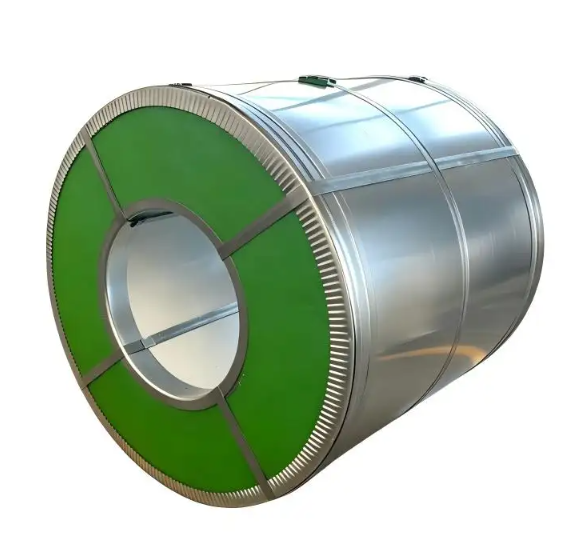
Learn why premium finish galvalume steel coil delivers better paint adhesion and visual consistency in finished building products. Request specs today.
2026/09/10
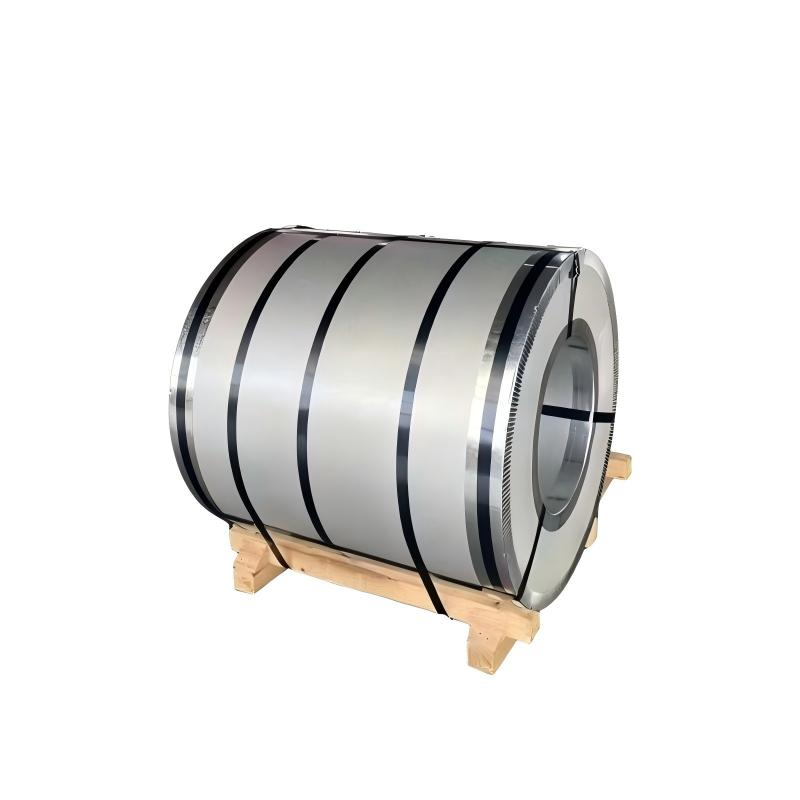
Learn why heavy coating galvalume steel coil provides superior corrosion resistance in harsh coastal settings and saves long-term maintenance costs.
2026/09/10
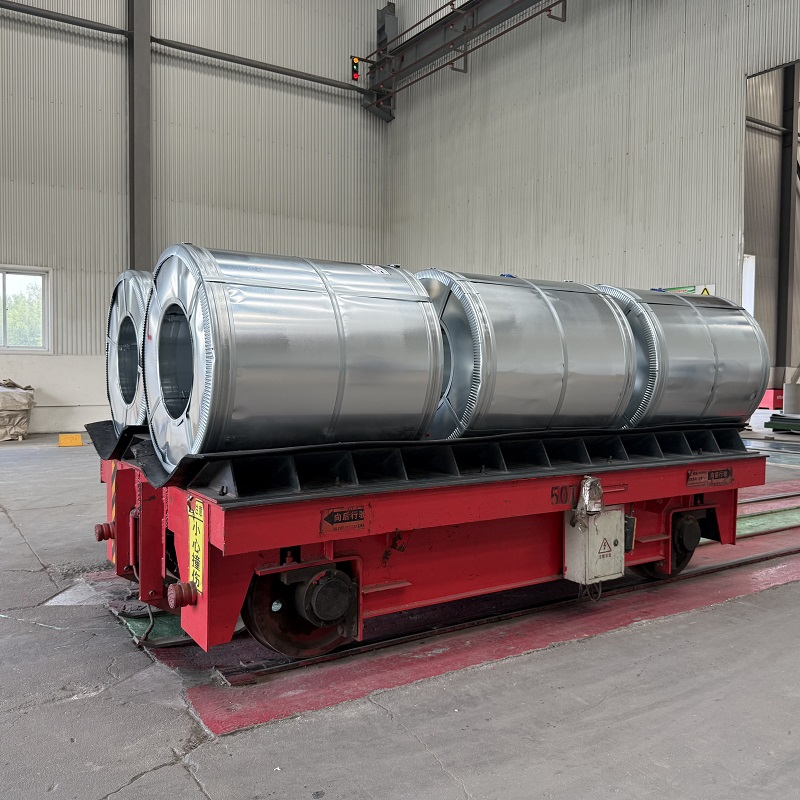
Learn how to test the bending performance of formable galvalume steel coil samples using T-bend testing to prevent cracking and scrap.
2026/09/10
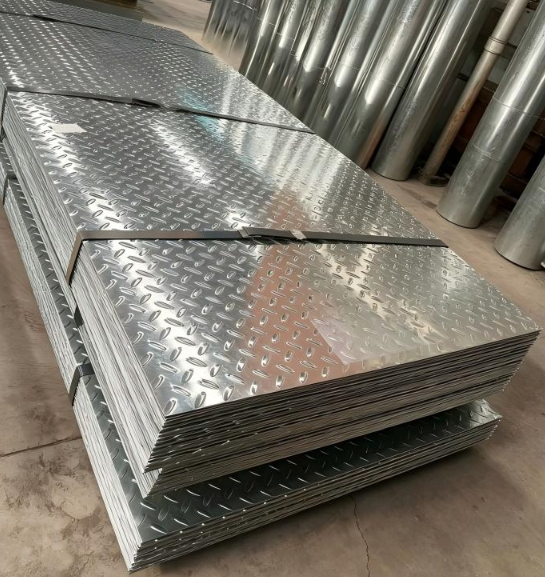
Discover how multi specification galvalume steel coil simplifies purchasing, boosts productivity, and lowers costs for metal fabricators.
2026/09/10
Discover why hot dipped galvanized steel and hot dip galvanized checkered plate offer ideal corrosion resistance and strength for road guardrails.
Covering green transformation, product comparison, selection guide, and industry empowerment, helping you fully grasp the dynamics of the color steel industry.

Global climate action and Belt and Road cooperation are driving the color steel industry’s shift toward green, sustainable development.

Comparing PPGI and PPGL across performance, durability, and applications to help you select the optimal coated steel for your project.
A practical guide to selecting and applying color steel coils, ensuring optimal performance, durability, and cost-effectiveness for your projects.
Industry forum drives digital and green transformation, empowering steel sector development through innovation and collaboration.