EN
EN

How to customize length size of precision cut GI coil finished sheets
2026/09/11
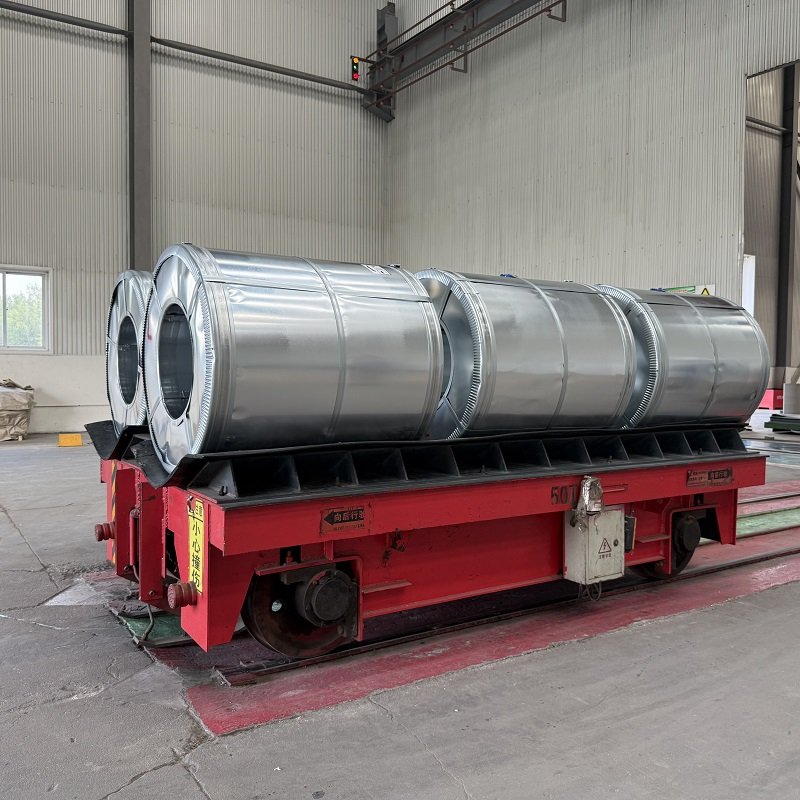
Learn how to specify precision cut GI coil sheets in custom lengths — tolerance selection, coating integrity, and ordering tips.
2026/08/07
Factory workshops handling acids, alkalis, and chemical solvents face a persistent enemy: corrosion. Working with steel materials across the Middle East and Southeast Asia shows that standard hot rolled steel coil deteriorates quickly in aggressive workshop environments, whereas stainless steel hot rolled coil maintains structural integrity over time. Understanding the science behind this corrosion resistance helps procurement teams make informed decisions that protect both industrial equipment and worker safety.
The fundamental reason stainless steel hot rolled coil resists chemical corrosion lies in its chromium content. When stainless steel contains at least 10.5 percent chromium, exposure to oxygen triggers the formation of an invisible, self-healing chromium oxide layer on the surface. This passive film is only a few nanometers thick yet effectively blocks chemical attack.
Unlike protective coatings applied to traditional hot rolled steel coil, this passive layer reforms spontaneously if scratched or damaged, providing continuous protection without frequent maintenance. In a factory workshop handling hydrochloric acid vapors at 60 degrees Celsius, a 304-grade stainless steel hot rolled coil surface maintained its passive layer for over three years without pitting, while standard carbon steel showed visible rust within two weeks. The chromium oxide layer acts as a molecular shield, electrochemically passivating the surface and reducing the corrosion potential significantly compared to standard alternatives.
The performance gap between these two materials in factory workshop environments is stark. Standard hot rolled steel coil relies on mill scale and surface treatments for corrosion protection, both of which degrade rapidly in chemical atmospheres. Stainless steel hot rolled coil offers inherent resistance through its alloy composition, requiring no additional protective measures in most workshop conditions. The comparison below highlights key differences observed across multiple chemical processing facilities.
| Property | Hot Rolled Steel Coil | Stainless Steel Hot Rolled Coil |
| Chromium Content | Below 0.5% | 10.5%-26% depending on grade |
| Passive Layer | None | Self-healing chromium oxide |
| Resistance to Dilute Acids | Poor, rapid dissolution | Good to excellent (grade dependent) |
| Resistance to Alkalis | Moderate | Excellent |
| Pitting Corrosion Risk | High in chloride environments | Low with 316 grade or higher |
| Maintenance Cycle | 6-12 months recoating | 5-10 years inspection only |
| Workshop Service Life | 2-5 years (chemical exposure) | 15-30 years (chemical exposure) |
Not all stainless steel hot rolled coil grades perform equally in every chemical setting. Grade 304, the most common austenitic stainless, handles dilute organic acids and alkaline solutions effectively, making it suitable for food processing and light chemical workshops. Grade 316, with 2 to 3 percent molybdenum addition, significantly improves resistance to pitting corrosion from chloride-containing environments, ideal for workshops using bleach, salt solutions, or marine-adjacent chemical processing.
Grade 430, a ferritic option, offers good resistance to nitric acid and organic acids at lower cost but lacks the toughness of austenitic grades. For workshops handling concentrated sulfuric or hydrochloric acid, super-austenitic grades or duplex options provide the necessary chemical corrosion resistance. Selecting the correct grade requires analyzing the specific chemicals present, their concentrations, operating temperatures, and exposure frequency rather than simply defaulting to one grade for every application.
A project with a chemical manufacturer in Saudi Arabia involved replacing workshop flooring supports and equipment housings every 18 months. The original material was standard hot rolled steel coil, formed and painted with epoxy. The facility processed phosphoric acid at 70 degrees Celsius with frequent vapor exposure. Upgrading to 316L industrial stainless coil for all structural supports and equipment housings within the processing zone changed project outcomes entirely.
The initial material cost was higher than carbon steel, but after two years of operation, inspection showed zero measurable wall thickness loss. The client calculated a break-even point at 26 months and projected 15-year service without replacement, representing a significant reduction in lifecycle material costs. This case illustrates that stainless steel hot rolled coil is a strategic investment for chemical workshop longevity.
Despite its inherent resistance, stainless steel hot rolled coil can suffer corrosion under specific workshop conditions. Chloride stress corrosion cracking affects austenitic grades above 60 degrees Celsius in chloride-rich environments, causing sudden failure without visible warning. Contamination from carbon steel tools, grinding dust, or welding slag can create galvanic cells that initiate localized pitting.
Improper passivation after fabrication, particularly after welding, leaves the heat-affected zone vulnerable to intergranular corrosion. Regular workshop audits should include checking for these risk factors, and any stainless surfaces exposed to high-chloride or high-temperature chemical environments should receive periodic passivation treatment to restore the protective chromium oxide layer.
No material is universally corrosion-proof. Stainless steel hot rolled coil resists many common workshop chemicals including dilute acids, alkalis, and organic solvents, but concentrated hydrochloric acid, hydrofluoric acid, and certain chlorides at elevated temperatures can attack even high-grade stainless. Always verify chemical compatibility for the specific application.
Rising temperatures accelerate chemical reaction rates and can break down the passive layer. Most austenitic grades perform well below 60 degrees Celsius in moderate chemical environments, but above this threshold, chloride stress corrosion cracking becomes a risk. High-temperature applications require specialized industrial stainless coil options.
The rolling method affects surface finish and dimensional accuracy more than corrosion resistance. Hot rolled stainless steel coil has a darker, rougher surface suitable for structural applications, while cold rolled offers smoother surfaces. For chemical workshops, grade selection and chemical corrosion resistance matter far more than the rolling method.
Factory workshops operating with aggressive chemicals require material choices grounded in metallurgical science. The chromium oxide passive layer on stainless steel hot rolled coil provides self-healing protection that standard hot rolled steel coil cannot match, translating into longer service life and lower lifecycle costs. Shenyang Yuanhe supplies premium stainless steel hot rolled coil in grades 304, 316L, 430, and duplex options, supported by expert metallurgical consulting to match alloy selection to specific workshop chemical environments. With advanced manufacturing capabilities and a stringent three-tier quality control system that verifies chromium content before shipment, Shenyang Yuanhe delivers reliable factory workshop steel solutions for demanding industrial projects worldwide.
2026/09/11
Learn how to specify precision cut GI coil sheets in custom lengths — tolerance selection, coating integrity, and ordering tips.
2026/09/11
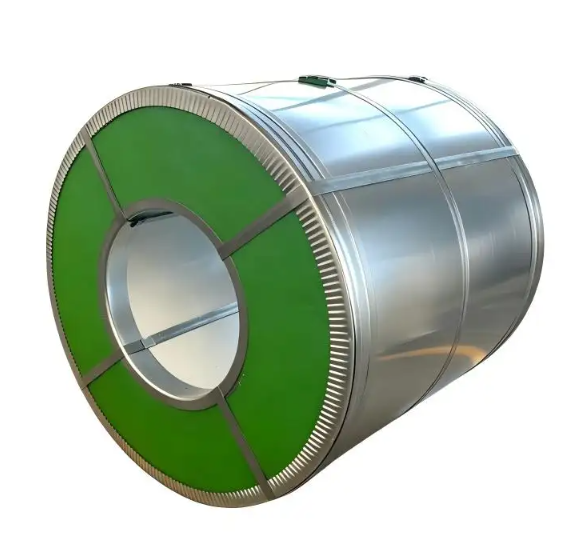
Learn why premium finish galvalume steel coil delivers better paint adhesion and visual consistency in finished building products. Request specs today.
2026/09/10
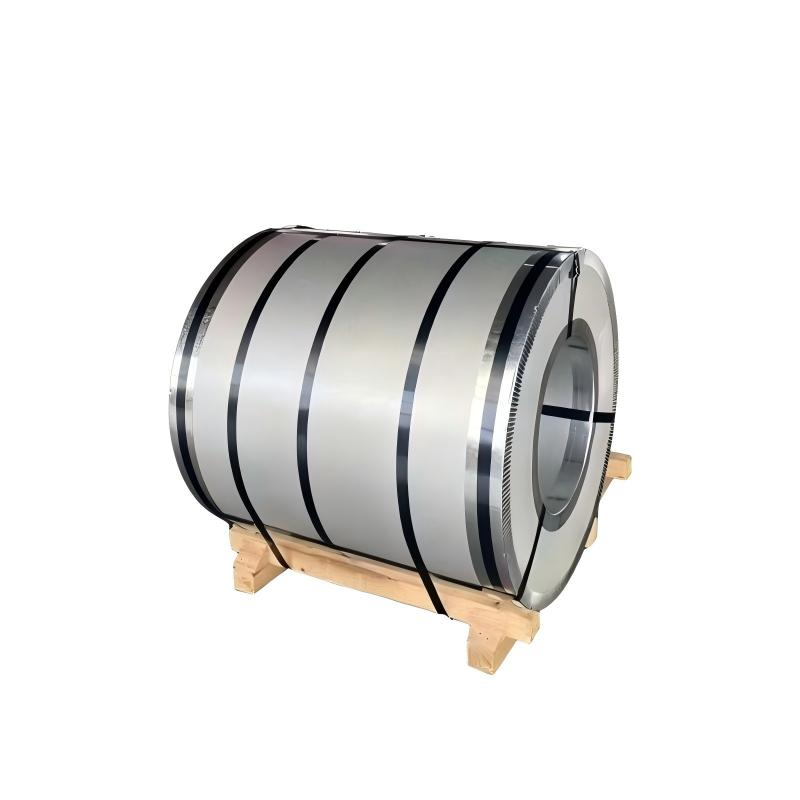
Learn why heavy coating galvalume steel coil provides superior corrosion resistance in harsh coastal settings and saves long-term maintenance costs.
2026/09/10
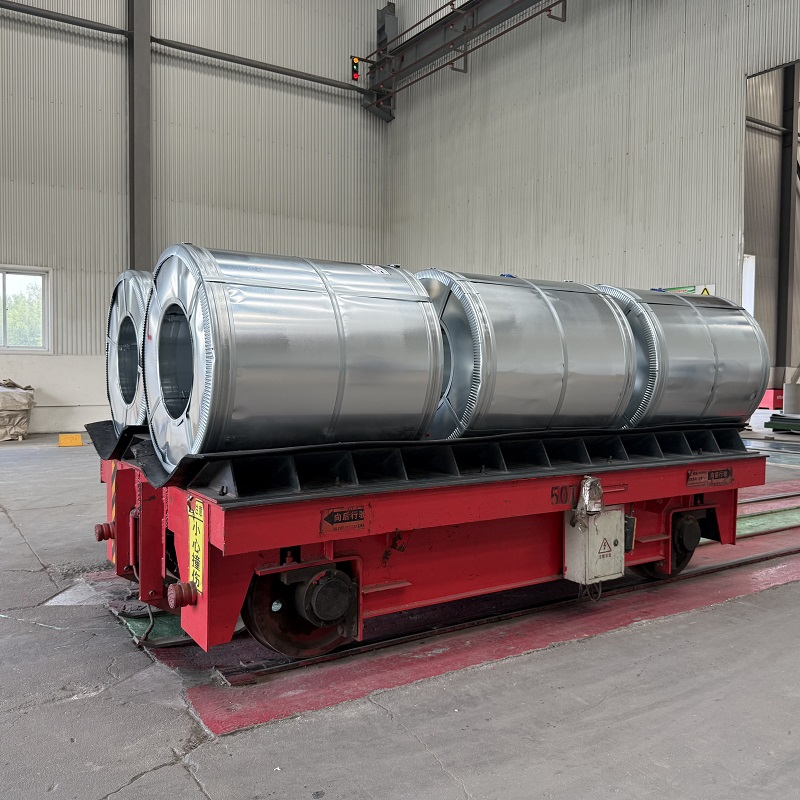
Learn how to test the bending performance of formable galvalume steel coil samples using T-bend testing to prevent cracking and scrap.
2026/09/10
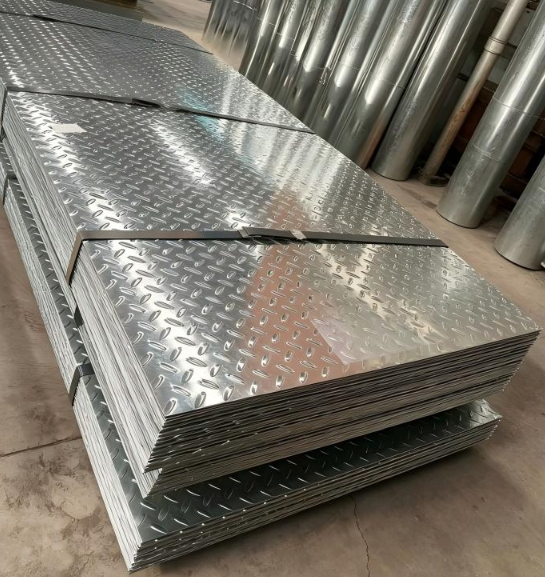
Discover how multi specification galvalume steel coil simplifies purchasing, boosts productivity, and lowers costs for metal fabricators.
2026/09/10
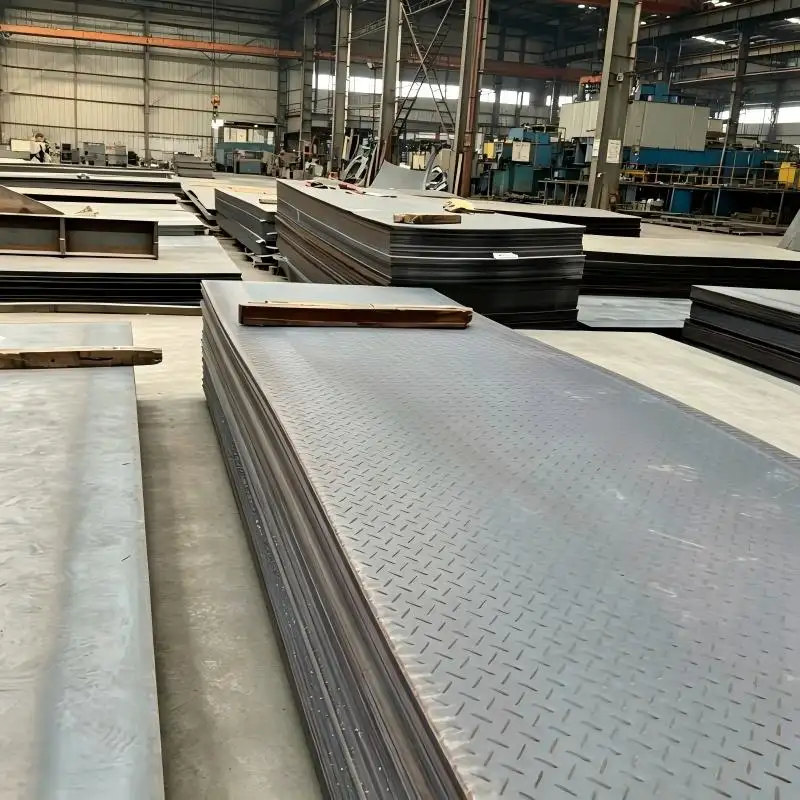
Discover why hot dipped galvanized steel and hot dip galvanized checkered plate offer ideal corrosion resistance and strength for road guardrails.
Covering green transformation, product comparison, selection guide, and industry empowerment, helping you fully grasp the dynamics of the color steel industry.

Global climate action and Belt and Road cooperation are driving the color steel industry’s shift toward green, sustainable development.
Comparing PPGI and PPGL across performance, durability, and applications to help you select the optimal coated steel for your project.
A practical guide to selecting and applying color steel coils, ensuring optimal performance, durability, and cost-effectiveness for your projects.
Industry forum drives digital and green transformation, empowering steel sector development through innovation and collaboration.