EN
EN

How to customize length size of precision cut GI coil finished sheets
2026/09/11
Learn how to specify precision cut GI coil sheets in custom lengths — tolerance selection, coating integrity, and ordering tips.
2026/08/07
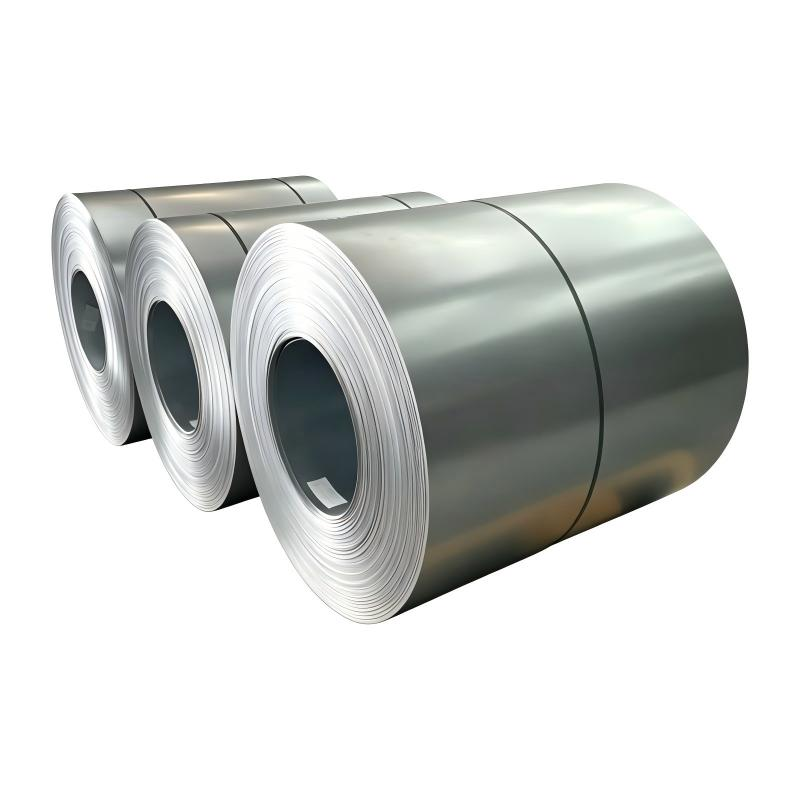
Uneven secondary coating is a persistent quality challenge in the post-processing of PPGL (pre-painted galvalume) coil products. When a stable surface ppgl coil is not properly produced, downstream fabricators who apply additional protective coatings — such as clear topcoats for enhanced UV protection, anti-fingerprint coatings for appliance panels, or specialized chemical-resistant coatings for industrial applications — encounter adhesion inconsistencies, gloss variations, and visible coating defects that reject finished products. The root cause often traces back to the surface condition of the base PPGL coil: if the original paint surface exhibits micro-texture variations, residual contaminants, or inconsistent curing, the secondary coating layer cannot form a uniform film. A uniform coating ppgi steel coil, by contrast, provides a consistent substrate surface that allows secondary coatings to wet, level, and adhere predictably. Industry quality data from coil coating operations indicates that surface-related secondary coating defects account for approximately 12 percent of total rejection costs in multi-layer coating systems, making base coil surface stability a significant economic factor.
A stable surface ppgl coil is the product of tightly controlled manufacturing conditions across every stage of the coating process. The galvalume substrate must enter the coating line with a uniform surface condition — consistent spangle pattern (or spangle-free), controlled oxide layer thickness, and minimal surface contamination from rolling oils or storage stains. The chemical pretreatment stage, typically involving chromate or chrome-free conversion coating, must apply a uniform conversion layer that provides consistent paint adhesion across the entire strip width and length. The primer application must achieve uniform film thickness — variations of more than 2 micrometers across the strip width can create surface energy differences that affect secondary coating behavior. The topcoat application and curing process must produce a fully crosslinked paint film with uniform gloss and surface energy. When all these conditions are met, the resulting stable surface ppgl coil presents a chemically and physically homogeneous surface that secondary coatings can bond to uniformly. Any deviation in these process parameters creates surface non-uniformity that propagates through subsequent coating layers.
The relationship between base coil surface quality and secondary coating performance is governed by the physics of coating wetting and adhesion. A uniform coating ppgi steel coil has a consistent surface energy across the entire surface, typically in the range of 35 to 45 dynes per centimeter for a properly cured polyester topcoat. When this surface energy is uniform, secondary coatings wet the surface evenly, forming a continuous film without pinholes, orange peel, or fish-eye defects. Conversely, if the base coil surface has areas of lower surface energy — due to undercured paint, silicone contamination, or excessive matting agent migration — the secondary coating will retract from these areas, creating coating voids. A stable surface ppgl coil also has a controlled surface roughness (Ra value typically between 0.3 and 0.8 micrometers) that provides mechanical interlocking for the secondary coating without being so rough that it creates coating thickness variations. The following table summarizes the surface quality parameters that influence secondary coating performance and their acceptable ranges for stable surface ppgl coil.
An appliance manufacturer in Southeast Asia experienced intermittent clear-coat adhesion failures on refrigerator door panels produced from PPGL coil. The defects manifested as small, circular areas where the clear coat lifted from the base paint — a classic fish-eye defect pattern. Investigation revealed that the defects correlated with specific positions across the coil width, suggesting a base coil surface non-uniformity. Surface energy mapping of the base PPGL coil using dyne test pens showed a gradient from 42 dynes/cm at the coil center to 36 dynes/cm at the edges — a difference large enough to cause clear coat wetting inconsistencies. The root cause was traced to the coating line's infrared curing oven, which had non-uniform temperature distribution across the strip width, leaving edge areas slightly undercured. After the supplier adjusted the oven zone temperatures and implemented a stable surface ppgl coil production protocol with cross-strip surface energy monitoring, the clear-coat defect rate dropped from 3.2 percent to less than 0.3 percent. This case demonstrates that the investment in base coil surface stability yields measurable returns in secondary processing yield. A uniform coating ppgi steel coil surface is not just a quality benchmark — it is an economic imperative for multi-layer coating applications.
Ensuring that every coil meets the stable surface ppgl coil standard requires a multi-layered quality control approach. Inline surface inspection systems using cameras and laser scanners can detect visible surface defects such as streaks, pinholes, and coating voids in real time, allowing operators to make immediate process adjustments. Offline testing should include surface energy measurement (dyne test), surface roughness measurement (profilometer), gloss measurement at multiple positions across the strip width, and cross-hatch adhesion testing. For applications requiring secondary coating, buyers should request a surface energy map — a measurement of surface energy at defined positions across the coil width and at intervals along the coil length — to verify uniformity. A uniform coating ppgi steel coil should show surface energy variation of less than 3 dynes/cm across the entire surface. Manufacturers with integrated quality laboratories and inline monitoring systems, such as Shenyang Yuanhe, which operates continuous coil coating lines with cross-strip thickness and gloss monitoring, can provide the documentation and consistency that multi-layer coating applications demand. Establishing a batch-to-batch surface quality tracking system, where each coil's surface measurement data is archived and traceable, enables long-term quality trend analysis and rapid root-cause identification when secondary coating issues arise.
Buyers who plan to apply secondary coatings to PPGL coil should incorporate specific surface quality requirements into their purchase specifications. Specify the acceptable surface energy range (typically 38 to 42 dynes/cm for most secondary coating systems) and require the supplier to provide dyne test results for each coil batch. Specify the maximum acceptable gloss variation across the strip width (typically less than 5 GU for glossy finishes). Require that the topcoat be fully cured — request PEAK metal temperature data from the curing oven to verify that the paint film achieved its specified crosslinking temperature. For critical applications, request a sample coil from the production batch and perform a secondary coating trial before accepting the full order. Avoid specifying overly thick base topcoats, as thicker coatings are more prone to surface non-uniformity. When sourcing stable surface ppgl coil for secondary coating applications, engaging directly with a manufacturer who controls the entire production process — from galvalume substrate production through coating and curing — provides the best assurance of surface consistency. The alternative — sourcing coil through multiple intermediaries — increases the risk of surface quality variability because no single party controls the complete process chain.
Frequently Asked Questions
What surface energy should PPGL coil have for secondary coating?
A stable surface ppgl coil intended for secondary coating should have a surface energy between 38 and 42 dynes per centimeter, measured using dyne test pens. This range ensures good wetting for most secondary coating systems including clear coats, anti-fingerprint coatings, and UV-curable topcoats. If the surface energy falls below 36 dynes/cm, secondary coating defects are likely.
How can I test if my PPGL coil surface is suitable for secondary coating?
Perform three tests: a dyne test to verify surface energy uniformity across the strip width, a cross-hatch adhesion test to verify base coating integrity, and a secondary coating trial on a sample area to verify wetting and adhesion. A stable surface ppgl coil should pass all three tests without significant variation across the surface.
Does the galvalume coating weight affect secondary coating performance?
The galvalume coating weight (AZ value) primarily affects corrosion resistance, not secondary coating behavior. However, very low AZ values (below AZ50) may produce a rougher substrate surface that can telegraph through the paint and create micro-texture variations affecting secondary coating uniformity. For secondary coating applications, AZ100 or higher is recommended to ensure a smooth base substrate surface.
Surface Quality Parameters for Stable Surface PPGL Coil
|
Parameter |
Acceptable Range |
Measurement Method |
Impact on Secondary Coating |
|
Surface Energy |
38-42 dynes/cm |
Dyne test pens |
Wetting and adhesion uniformity |
|
Surface Roughness (Ra) |
0.3-0.8 um |
Profilometer |
Mechanical interlocking |
|
Gloss Variation (across width) |
< 5 GU |
Gloss meter at 60 deg |
Visual consistency |
|
Cross-hatch Adhesion |
4B or 5B |
ASTM D3359 |
Base coating integrity |
|
PEAK Metal Temperature |
+/- 5 deg C of spec |
Thermocouple strip |
Curing completeness |
|
Coating Thickness Variation |
< 2 um across width |
Eddy current gauge |
Film uniformity |
2026/09/11
Learn how to specify precision cut GI coil sheets in custom lengths — tolerance selection, coating integrity, and ordering tips.
2026/09/11
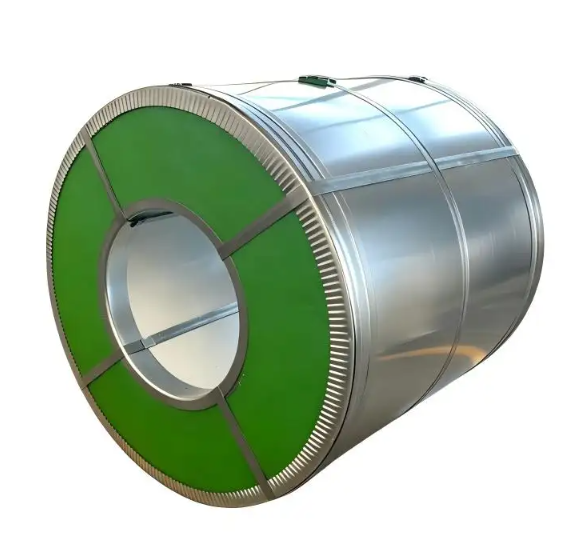
Learn why premium finish galvalume steel coil delivers better paint adhesion and visual consistency in finished building products. Request specs today.
2026/09/10
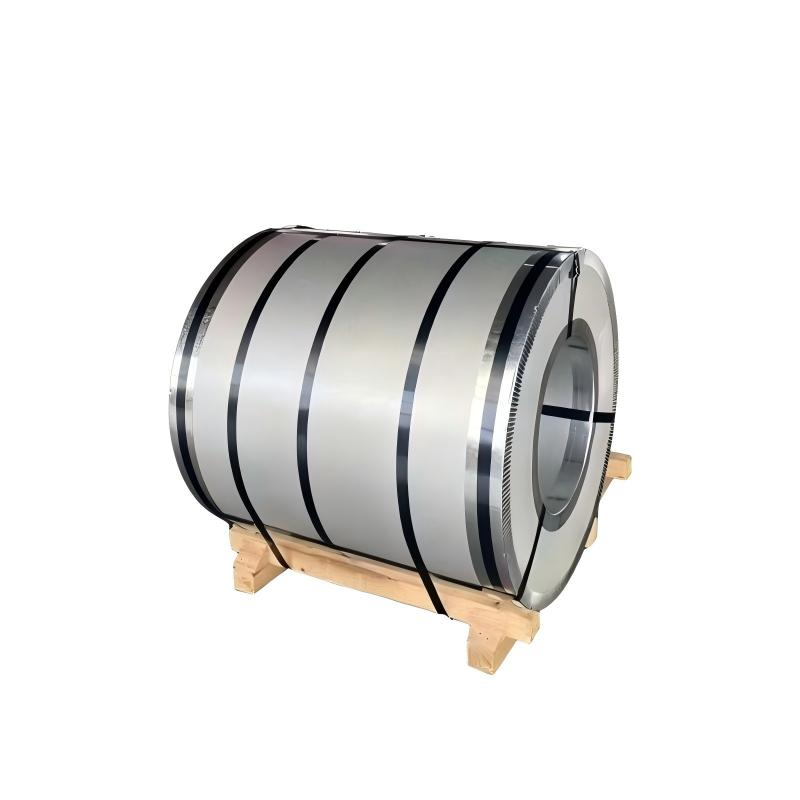
Learn why heavy coating galvalume steel coil provides superior corrosion resistance in harsh coastal settings and saves long-term maintenance costs.
2026/09/10
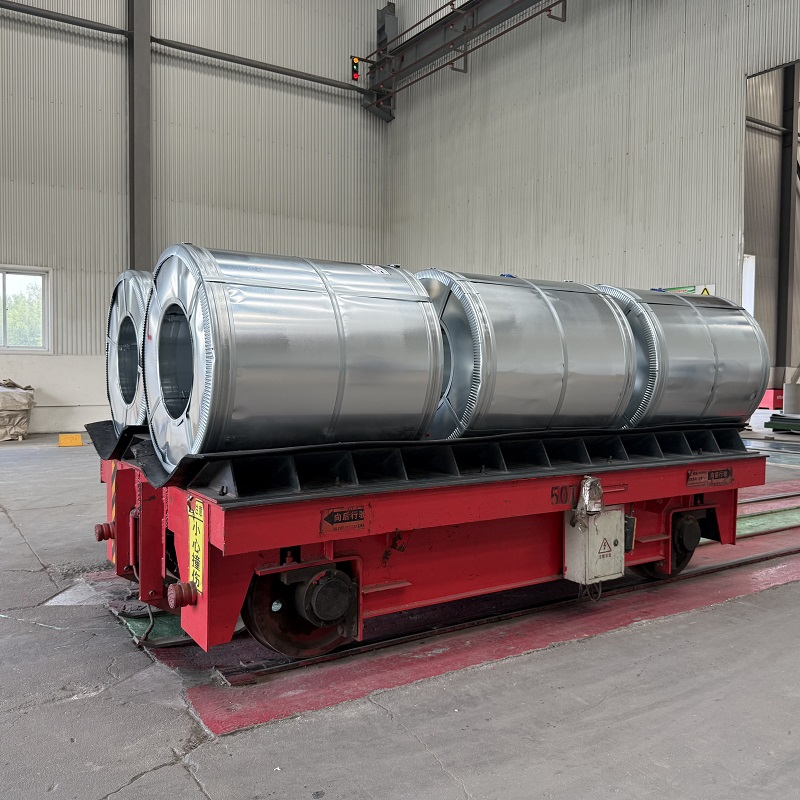
Learn how to test the bending performance of formable galvalume steel coil samples using T-bend testing to prevent cracking and scrap.
2026/09/10
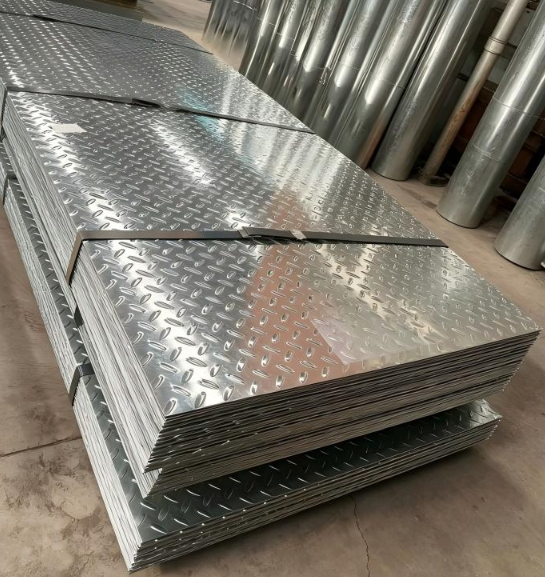
Discover how multi specification galvalume steel coil simplifies purchasing, boosts productivity, and lowers costs for metal fabricators.
2026/09/10
Discover why hot dipped galvanized steel and hot dip galvanized checkered plate offer ideal corrosion resistance and strength for road guardrails.
Covering green transformation, product comparison, selection guide, and industry empowerment, helping you fully grasp the dynamics of the color steel industry.

Global climate action and Belt and Road cooperation are driving the color steel industry’s shift toward green, sustainable development.

Comparing PPGI and PPGL across performance, durability, and applications to help you select the optimal coated steel for your project.
A practical guide to selecting and applying color steel coils, ensuring optimal performance, durability, and cost-effectiveness for your projects.
Industry forum drives digital and green transformation, empowering steel sector development through innovation and collaboration.