EN
EN

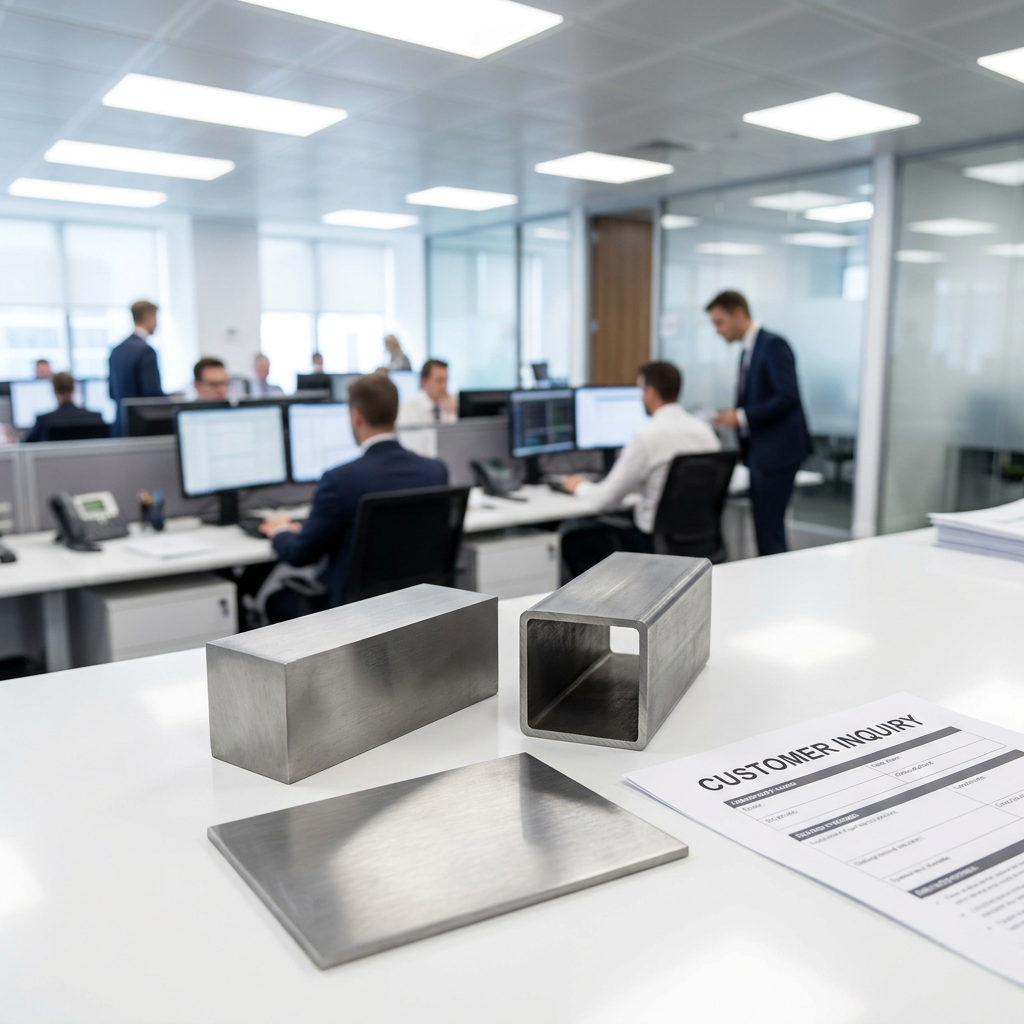
How to customize length size of precision cut GI coil finished sheets
2026/09/11
Learn how to specify precision cut GI coil sheets in custom lengths — tolerance selection, coating integrity, and ordering tips.
2026/09/10
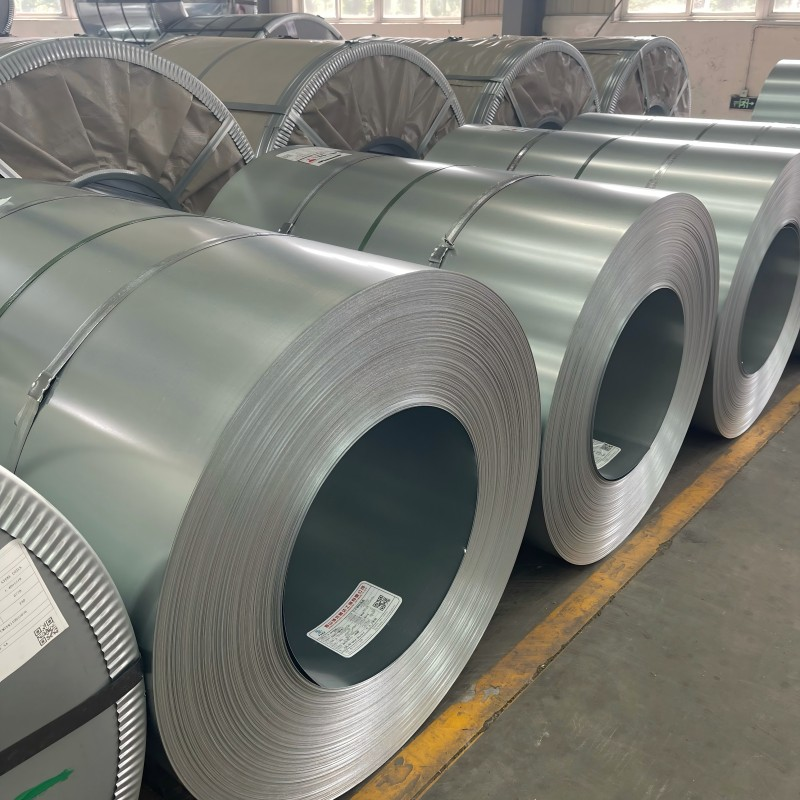
Maintaining long-term color stability under intense outdoor solar exposure remains one of the most technical challenges facing coil coaters and metal roofing manufacturers. In high-heat regions across the Middle East, South Asia, and desert coastal zones, metal roof surface temperatures easily cross 70 degrees Celsius during peak summer hours. Under these severe thermal cycles, pre-painted galvanized steel often suffers from premature thermal yellowing, chalking, or blotchy color shift within months of project completion.
Industry experience across extreme climate zones demonstrates that color degradation rarely stems from paint formula weaknesses alone. In most field cases, the root failure originates at the critical interface between the organic topcoat and the underlying galvanized substrate. Understanding the underlying chemistry of thermal degradation allows roll formers and project contractors to specify high-performance material that preserves exterior aesthetic integrity for decades.
When a pre-painted GI coil experiences prolonged exposure to elevated temperatures, multiple physical and chemical reactions occur simultaneously across the organic and metallic layers. Standard polyester resin topcoats undergo gradual thermal oxidation when subjected to continuous heat. This oxidation breaks down polymer chains, causing white or light-colored finishes to turn yellow or beige over time.
Concurrently, subsurface reactions take place beneath the paint film. Heat accelerates microscopic oxidation within the metallic coating, causing zinc oxides to build up directly at the conversion interface. This secondary oxidation layer casts a cloudy, grayish haze through translucent or light-tinted paint coatings. Furthermore, mismatching thermal expansion coefficients between the organic paint film and the underlying metallic substrate create micro-stresses. These microscopic stress cracks shift light refraction patterns across the surface, making pristine colors appear faded or uneven.
For standard polyester coatings on any PPGI coil, 80 degrees Celsius serves as the crucial degradation threshold. Below this temperature, thermal oxidation proceeds at a manageable pace. Once surface temperatures surpass 80 degrees Celsius, the chemical oxidation rate doubles for every 10-degree increment. On dark roofing panels installed in sun-drenched desert environments, peak surface temperatures regularly reach 85 to 90 degrees Celsius, pushing standard exterior coatings deep into the accelerated degradation zone for several hours every afternoon.
The primary defense against premature surface discoloration in a color stable steel coil lies in the underlying substrate quality. Specifying a uniform zinc layer GI coil ensures that the chemical pretreatment applied prior to coil coating bonds evenly across the entire strip surface. Uniform surface chemistry creates consistent paint adhesion while preventing localized oxidation pockets from forming beneath the topcoat.
Producing a reliable uniform zinc layer GI coil demands precise process control along the continuous hot-dip galvanizing line. Steel mills must maintain exact entry strip temperatures, stable molten zinc bath chemistry, and automated air knife wiping pressure across the moving web. When zinc coating thickness fluctuates by more than 15 percent across the coil width, thinner zinc zones experience accelerated interfacial reactions, triggering uneven mottling and blotchy surface discoloration.
Field performance evaluations on large commercial structures demonstrate this physical dynamic clearly. Comparative site surveys of adjacent roofing installations exposed to identical desert weather revealed that panels exhibiting severe yellowing suffered from substrate zinc weight variations exceeding 25 percent across the width. Conversely, panels sourced with strict zinc layer tolerances below 8 percent maintained pristine color retention without localized shade shifting.
| Zinc Coating Tolerance Range | Discoloration Risk | Interfacial Adhesion | Target Application |
|---|---|---|---|
| +/-5% | Minimal / Very Low | Superior | Premium architectural roofing, landmark facade panels |
| +/-10% | Low | Good | High-end commercial complexes, industrial facilities |
| +/-15% | Moderate | Adequate | Standard industrial warehousing, agricultural shelters |
| > +/-20% | Severe / High | Poor | Unsuitable for extreme outdoor thermal exposure |
Substrate consistency must be paired with an appropriate high temperature steel coating system tailored to anticipated regional solar loads. Organic paint formulations offer distinct thermal threshold limits:
Upgrading from standard polyester to a high-durability coating system over a continuous uniform zinc layer GI coil substrate virtually eliminates field performance complaints. Industrial panel manufacturers utilizing high-durability chemistry routinely report drastic drops in warranty claims and customer discoloration issues, proving the value of matching paint chemistry to thermal realities.
Preventing surface yellowing on outdoor building panels requires total quality control throughout the manufacturing lifecycle. From precise air-knife regulation during continuous hot-dip galvanizing to uniform chemical conversion and automated oven curing, every processing stage directly impacts long-term exterior durability.
Serving global construction and manufacturing sectors, Yuanhe Steel delivers premium flat steel products engineered specifically to withstand harsh outdoor conditions. Operating advanced continuous galvanizing and coil coating infrastructure, Yuanhe Steel maintains tight control over substrate zinc distribution, ensuring every GI coil and pre-painted shipment meets strict weight tolerance standards within +/-5 percent across the entire coil profile.
With extensive persistent warehouse stock exceeding 10,000 metric tons and flexible production lead times between 6 and 14 days, Yuanhe Steel provides international buyers with reliable access to high-spec raw materials. Whether supplying structural grade galvanized substrates or custom-finished color-coated coils, Yuanhe Steel supports large-scale architectural projects with consistent quality and dependable global logistics.
Achieving long-term color retention on exterior metal building products requires a comprehensive approach. Starting with a certified uniform zinc layer GI coil substrate, selecting a high-durability topcoat system tailored to regional heat exposure, and enforcing strict mill quality standards ensures that finished panels maintain structural integrity and visual appeal in the world's most demanding thermal climates.
2026/09/11
Learn how to specify precision cut GI coil sheets in custom lengths — tolerance selection, coating integrity, and ordering tips.
2026/09/11
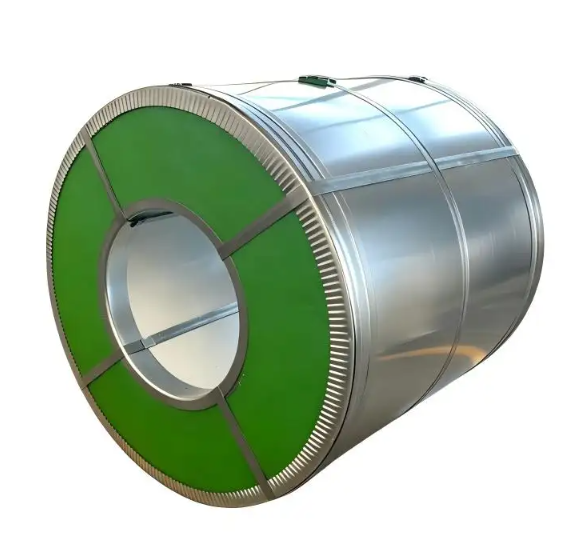
Learn why premium finish galvalume steel coil delivers better paint adhesion and visual consistency in finished building products. Request specs today.
2026/09/10
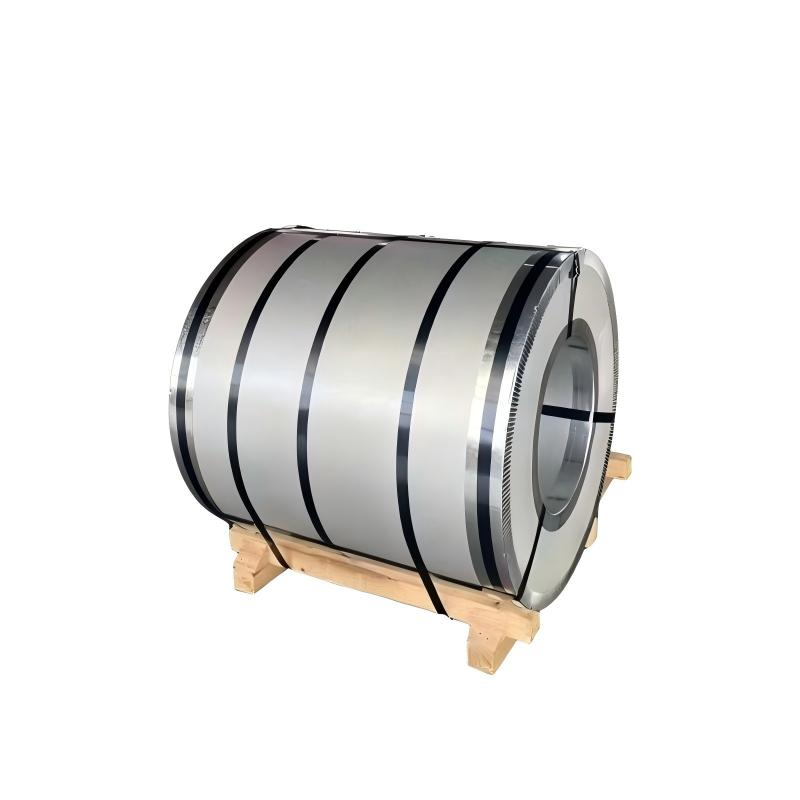
Learn why heavy coating galvalume steel coil provides superior corrosion resistance in harsh coastal settings and saves long-term maintenance costs.
2026/09/10
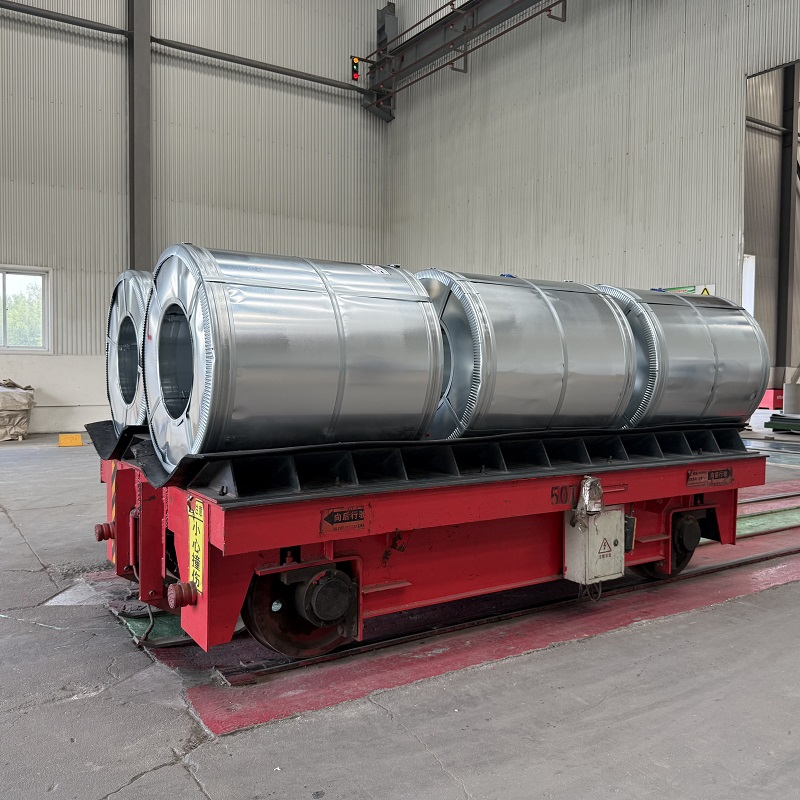
Learn how to test the bending performance of formable galvalume steel coil samples using T-bend testing to prevent cracking and scrap.
2026/09/10
Discover how multi specification galvalume steel coil simplifies purchasing, boosts productivity, and lowers costs for metal fabricators.
2026/09/10
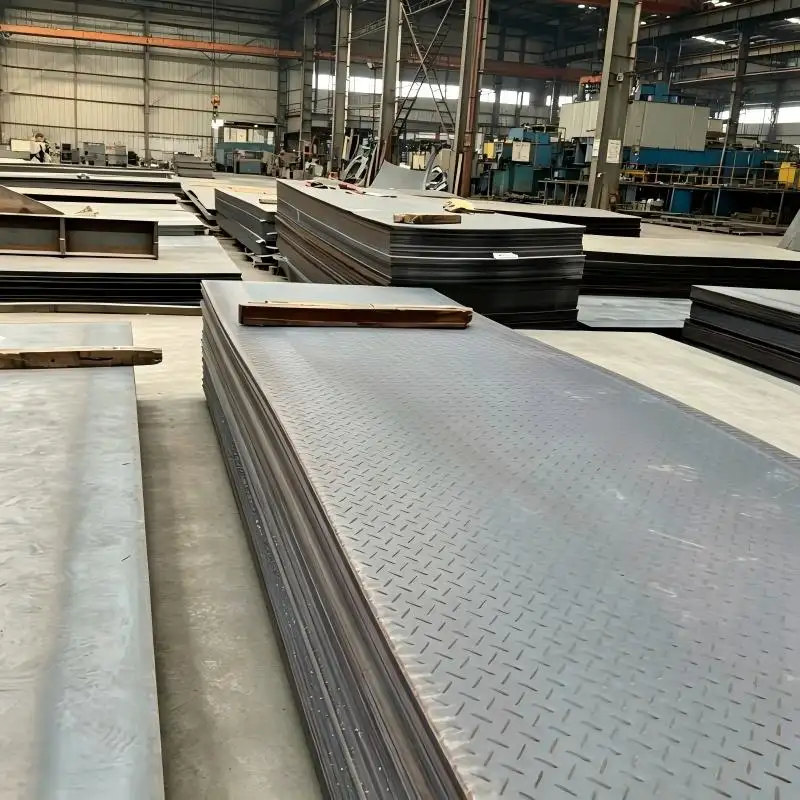
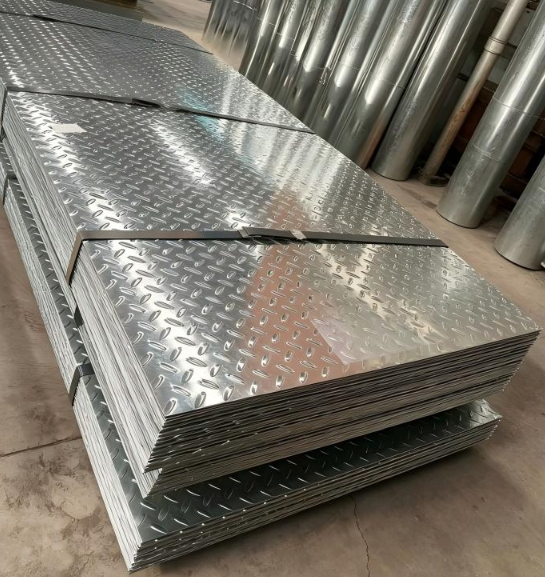
Discover why hot dipped galvanized steel and hot dip galvanized checkered plate offer ideal corrosion resistance and strength for road guardrails.
Covering green transformation, product comparison, selection guide, and industry empowerment, helping you fully grasp the dynamics of the color steel industry.
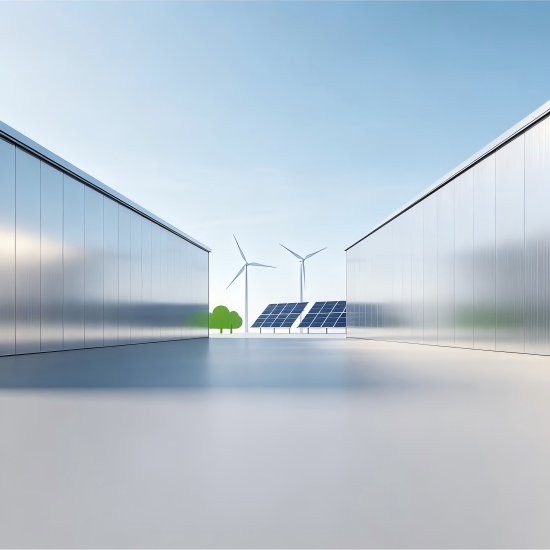
Global climate action and Belt and Road cooperation are driving the color steel industry’s shift toward green, sustainable development.

Comparing PPGI and PPGL across performance, durability, and applications to help you select the optimal coated steel for your project.
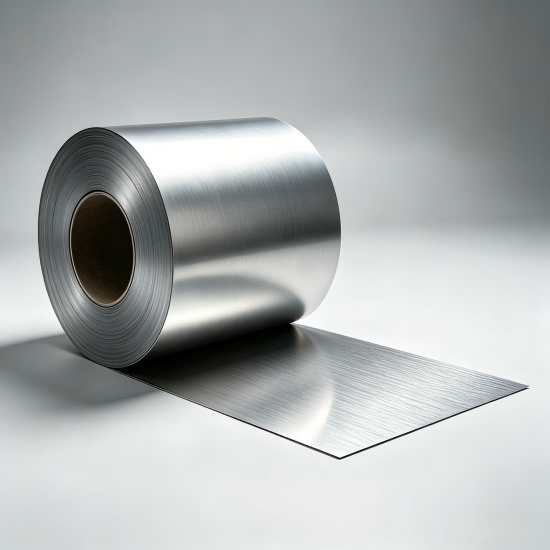
A practical guide to selecting and applying color steel coils, ensuring optimal performance, durability, and cost-effectiveness for your projects.
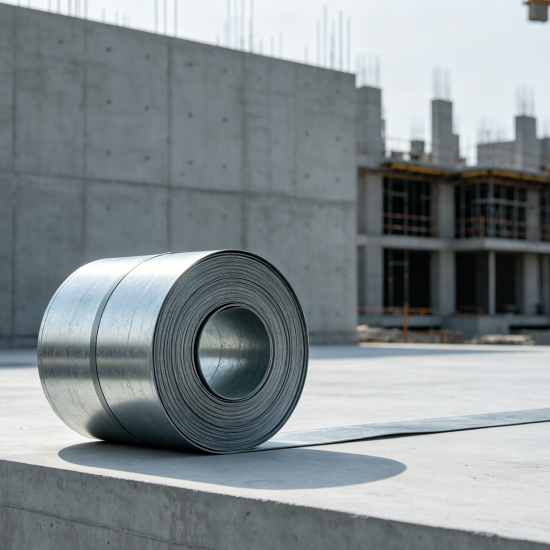
Industry forum drives digital and green transformation, empowering steel sector development through innovation and collaboration.