EN
EN

How to customize length size of precision cut GI coil finished sheets
2026/09/11
Learn how to specify precision cut GI coil sheets in custom lengths — tolerance selection, coating integrity, and ordering tips.
2026/07/21
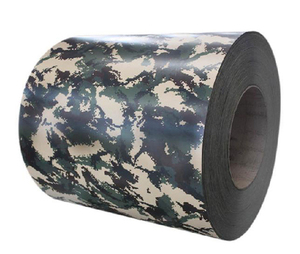
When overseas buyers source ppgl coil from trading companies rather than direct manufacturers, batch-to-batch quality inconsistency is one of the most frequently reported problems. The ppgl coil substrate, paint coating thickness, color shade, and mechanical properties can vary significantly between orders, especially when the supplier changes upstream mills without notification. Self-produced ppgl coil manufactured under a single controlled production line eliminates this variability, giving buyers predictable performance across multiple shipments. In our experience supporting construction projects in Southeast Asia and the Middle East, buyers who switched from trading-sourced to self-produced ppgl coil reported a measurable reduction in on-site rejection rates, particularly for roofing and wall cladding applications where visual consistency matters.
Self-produced ppgl coil refers to material that is manufactured within a single facility where the substrate preparation, coil coating application, and quality inspection are all controlled by one organization. Unlike trading-sourced ppgl coil, which may be assembled from multiple mills with different equipment calibrations, self-produced ppgl coil maintains a consistent production parameter set. The substrate typically uses DX51D+AZ galvalume steel with 55 percent aluminum-zinc coataing, conforming to ASTM A653 and JIS G3302 SGCC standards. The zinc coating weight range of Z20 to Z275 remains stable because the same cold-rolled base material feeds the coating line. This continuity is critical because substrate variations directly affect paint adhesion, corrosion resistance, and formability of the ppgl coil.
The foundation of quality in any ppgl coil is the substrate. When a manufacturer controls the substrate preparation process, surface treatment parameters such as degreasing temperature, chemical conversion coating density, and drying time can be standardized. This standardization directly impacts the adhesion between the organic paint film and the galvalume surface. In self-produced ppgl coil, the substrate enters the coating line with a controlled surface roughness profile, typically achieved through skin pass rolling. The skin pass process, specified in both GB and ASTM standards, creates a uniform surface that promotes primer adhesion. Without this control, ppgl coil from inconsistent sources may exhibit paint peeling or blistering after forming operations, particularly during bending or roll profiling in downstream manufacturing.
A critical advantage of self-produced ppgl coil is the ability to maintain paint coating thickness within tight tolerances. The coating line applies primer and topcoat layers at controlled speeds, with infrared curing temperatures monitored in real time. For ppgl coil produced under a single system, the total dry film thickness typically ranges between 15 to 25 micrometers for the primer and 15 to 20 micrometers for the topcoat. Color consistency is verified against RAL standards, with spectrophotometric measurement ensuring Delta E values remain below 1.5 between batches. This level of control is difficult to achieve when ppgl coil is sourced from multiple trading suppliers, each using different paint suppliers and application parameters. For architectural projects requiring color-matched panels across multiple delivery phases, self-produced ppgl coil provides the visual uniformity that inspectors and project managers demand.
A robust quality control system for self-produced ppgl coil operates across three tiers. The first tier covers incoming material inspection, where the galvalume substrate is checked for coating weight, thickness tolerance, and surface defects before entering the coating line. The second tier involves in-process monitoring during coil coating, including continuous measurement of paint thickness, line speed, curing temperature, and cooling rate. The third tier is the final inspection, where the finished ppgl coil undergoes mechanical testing including tensile strength, yield strength, elongation, and T-bend flexibility assessment. Additional tests may include salt spray testing for corrosion resistance and pencil hardness testing for surface durability. This three-tier approach ensures that any deviation from specification is caught and corrected before the ppgl coil is released for shipment, providing buyers with consistent mill test certificates for each batch.
In a recent project supplying ppgl coil for a warehouse roofing system in a Southeast Asian market, the buyer required 280 metric tons of material delivered across three shipments over four months. The project specification demanded consistent RAL 9002 color across all panels, with coating adhesion tested per ASTM D3359. Because the ppgl coil was self-produced under a single coating line, all three shipments maintained a Delta E below 1.0 and passed cross-hatch adhesion testing without exception. The buyer reported zero panel rejections during installation, compared to a previous project using trading-sourced material that experienced a 3 percent rejection rate due to color mismatch. This case demonstrates how self-produced ppgl coil directly contributes to project cost savings by reducing material waste and installation delays.
When evaluating whether a ppgl coil supplier can deliver consistent quality, buyers should verify several key indicators. First, confirm whether the supplier operates its own coating line or sources from third parties. Second, request mill test certificates that include substrate grade, coating weight, paint type, and mechanical properties for each batch. Third, ask about the quality control system structure, including the number of inspection tiers and the testing equipment used. Fourth, verify that standards compliance covers GB, JIS, ASTM, and EN as applicable to the target market. Fifth, request a sample of ppgl coil for independent laboratory verification of coating thickness, adhesion, and color consistency before placing a bulk order. Companies such as Shenyang Yuanhe Steel, which maintains over 10,000 metric tons of standing inventory and applies a three-tier quality control system across its PPGI and PPGL coil production, represent the type of supplier that can support these verification requirements. With coating weights from Z20 to Z275, thickness from 0.09 to 1.5 millimeters, and compliance with ASTM A653 and JIS G3302 SGCC standards, buyers can request specifications and test documents tailored to their project requirements before committing to bulk procurement.
What is the difference between self-produced ppgl coil and trading-sourced ppgl coil? Self-produced ppgl coil is manufactured within a single facility where substrate preparation, coating application, and quality inspection are all controlled by one organization. Trading-sourced ppgl coil may come from multiple mills with different equipment and quality standards, leading to batch inconsistency in coating thickness, color shade, and mechanical properties.
How can buyers verify ppgl coil quality before bulk ordering? Buyers should request mill test certificates for substrate grade, coating weight, paint thickness, and mechanical properties. Additionally, requesting a sample for independent laboratory testing of coating adhesion per ASTM D3359, color consistency per RAL standards, and salt spray resistance per ASTM B117 provides reliable verification before committing to large volumes.
What coating weight range should ppgl coil have for outdoor construction? For outdoor construction applications in corrosive environments, ppgl coil should have a zinc coating weight of at least Z120, with Z275 recommended for coastal or industrial areas. The organic paint coating should include a primer of 15 micrometers minimum and a topcoat of 15 to 20 micrometers, with PVDF or SMP paint systems for enhanced UV resistance.
2026/09/11
Learn how to specify precision cut GI coil sheets in custom lengths — tolerance selection, coating integrity, and ordering tips.
2026/09/11
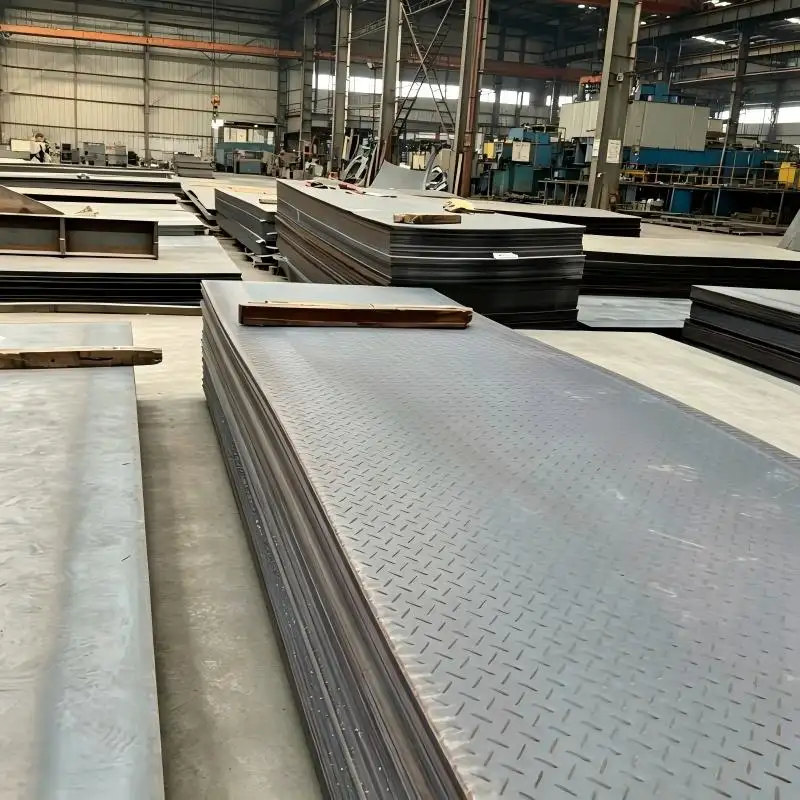
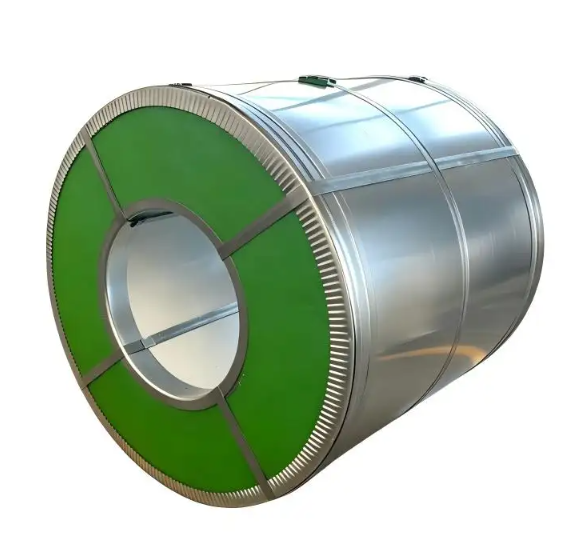
Learn why premium finish galvalume steel coil delivers better paint adhesion and visual consistency in finished building products. Request specs today.
2026/09/10
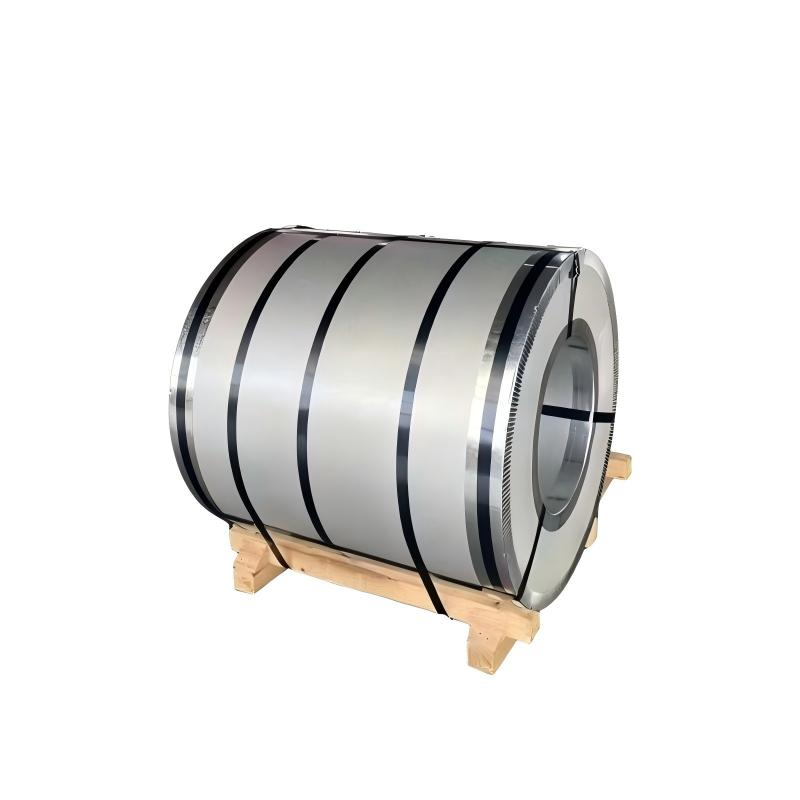
Learn why heavy coating galvalume steel coil provides superior corrosion resistance in harsh coastal settings and saves long-term maintenance costs.
2026/09/10
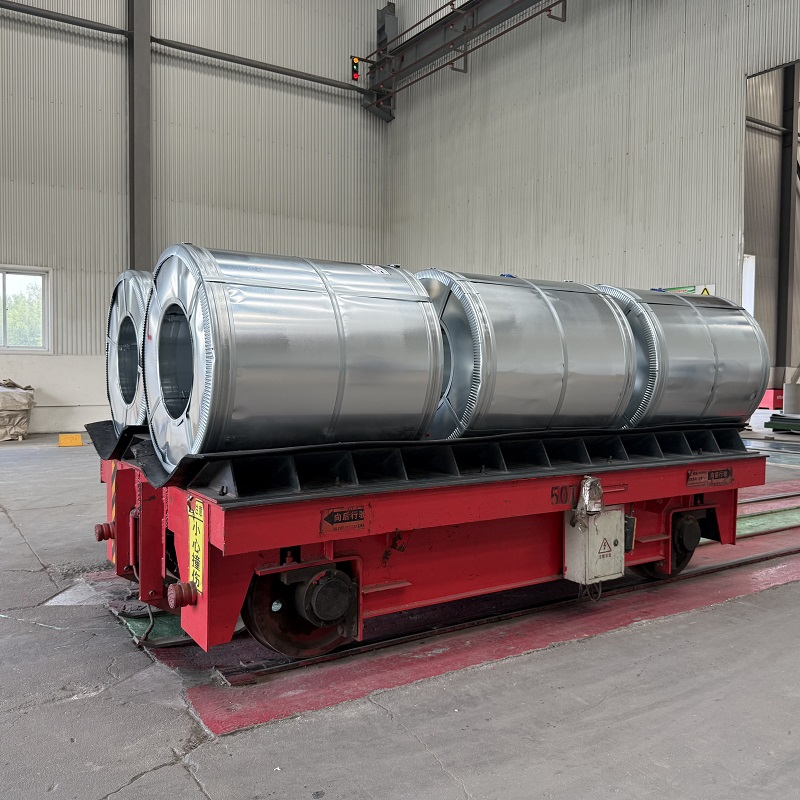
Learn how to test the bending performance of formable galvalume steel coil samples using T-bend testing to prevent cracking and scrap.
2026/09/10
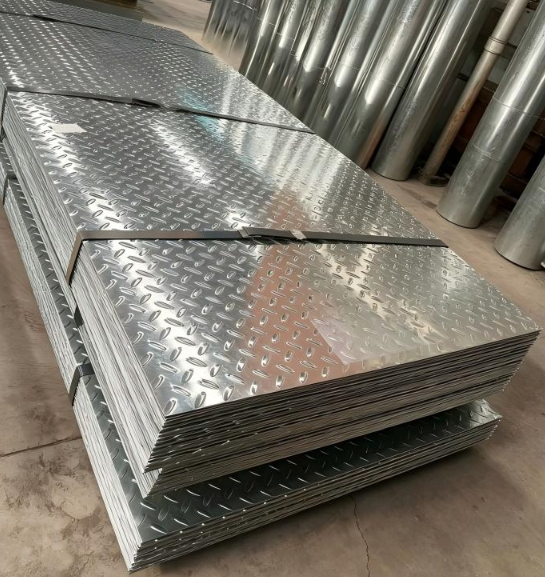
Discover how multi specification galvalume steel coil simplifies purchasing, boosts productivity, and lowers costs for metal fabricators.
2026/09/10
Discover why hot dipped galvanized steel and hot dip galvanized checkered plate offer ideal corrosion resistance and strength for road guardrails.
Covering green transformation, product comparison, selection guide, and industry empowerment, helping you fully grasp the dynamics of the color steel industry.

Global climate action and Belt and Road cooperation are driving the color steel industry’s shift toward green, sustainable development.

Comparing PPGI and PPGL across performance, durability, and applications to help you select the optimal coated steel for your project.
A practical guide to selecting and applying color steel coils, ensuring optimal performance, durability, and cost-effectiveness for your projects.
Industry forum drives digital and green transformation, empowering steel sector development through innovation and collaboration.