EN
EN

How to customize length size of precision cut GI coil finished sheets
2026/09/11
Learn how to specify precision cut GI coil sheets in custom lengths — tolerance selection, coating integrity, and ordering tips.
2026/08/13
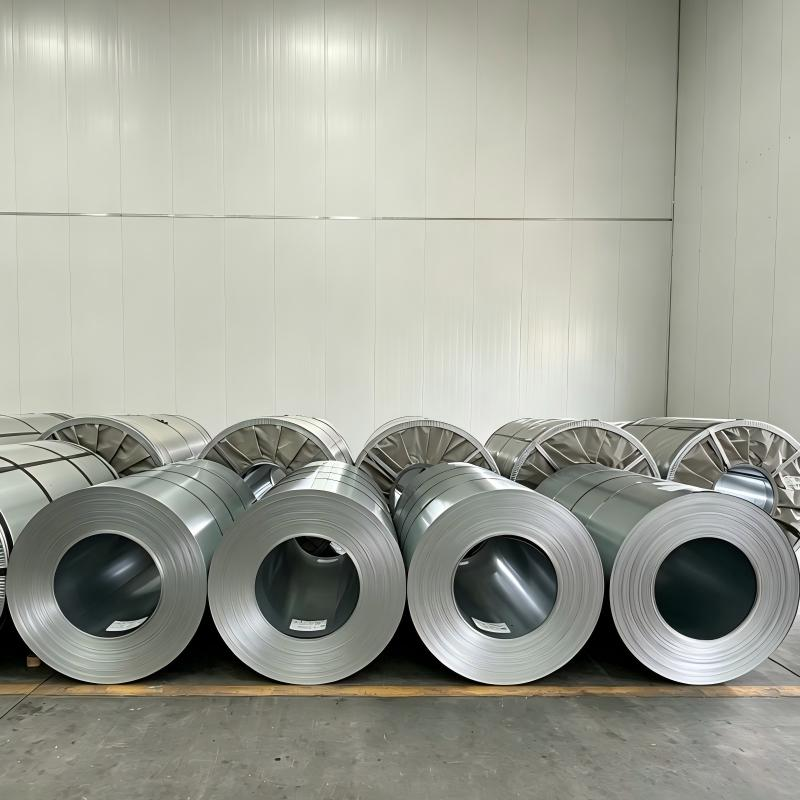
The transformation of GI coil processing from old-school manual shear setups to modern programmable cutting equipment marks one of the biggest leaps in shop-floor operational efficiency. Delivering a high-grade precision cut GI coil product requires tight dimensional accuracy, clean burr-free edges, and the agility to handle rapid order changes without draining time during long mechanical setups.
For steel service centers and fabrication facilities turning raw coils into custom cut-to-length sheets, upgrading to automated, digital cutting machines has moved from an optional efficiency boost to an absolute business necessity.
In traditional processing setups, an operator manually feeds a GI coil through a mechanical shear, measuring sheet lengths using physical stop blocks or visual markings. This approach introduces human variation, resulting in noticeable length discrepancies, extended line downtime during size adjustments, and heavy reliance on individual operator skill.
Switching to advanced programmable cutting systems changes the dynamic entirely. Integrated servo motors, computerized optical encoders, and automated shear adjustments streamline the entire workflow, driving dramatic improvements in overall production efficiency.
| Metric | Manual Shear Operations | Automated CNC Cutting | Overall Advantage |
| Length Tolerance | $\pm 3.0\text{ mm}$ to $\pm 5.0\text{ mm}$ | $\pm 0.5\text{ mm}$ | Up to 90% tighter precision |
| Size Changeover Time | 10 to 15 Minutes | Under 2 Minutes | 85% faster transitions |
| Line Staffing | 3 to 4 Operators | 1 to 2 Operators | 50% lower labor overhead |
| Output per Shift | 10 to 15 Tons | 20 to 25 Tons | Up to 100% throughput increase |
| Material Scrap Rate | 3% to 5% | 0.5% to 1.5% | Over 70% scrap reduction |
Modern automated cutting machines elevate sheet processing quality through several connected, high-tech features.
Servo-driven feeding mechanisms work hand-in-hand with digital rotary encoders to feed the exact millimeter requirement per stroke. The feedback system continuously checks sheet position in real time, making fractional micro-adjustments on the fly to eliminate drift caused by material slippage or coil tension changes.
Different steel gauges demand precise gap spacing between upper and lower shear blades. Advanced programmable cutting lines automatically adjust blade clearance based on the material thickness entered into the control terminal. This keeps cuts clean, eliminates secondary deburring steps, and prevents edge deformation on both thin sheet and heavy gauge runs.
Automated magnetic or pneumatic drop stackers bundle finished sheets neatly by job batch, thickness, or customer profile without requiring manual handling. Simultaneously, computerized systems record exact production timestamps, sheet counts, and gauge metrics for every batch. This digital paper trail gives buyers full quality transparency while simplifying ISO quality audits.
A busy steel processing facility handling roughly 2,000 tons of GI coil per month upgraded its aging manual shear lines to fully automated cut-to-length equipment.
Prior to the overhaul, the plant ran two full shifts with eight operators, yielding around 12 tons per shift while coping with a high 3.8 percent scrap rate. After commissioning a modern CNC line featuring automatic blade adjustment and stacking, staffing requirements dropped down to a single operator per shift. At the same time, output climbed to 22 tons per shift, and scrap rates plummeted to just 0.9 percent.
More importantly, customer complaints regarding length variations virtually vanished. The facility successfully secured high-precision supply contracts with regional appliance manufacturers, delivering precision cut GI coil panels that met strict $\pm 1.0\text{ mm}$ tolerances for automated assembly lines—a standard the old manual line simply could not hold.
Upgrading core cutting machines represents a significant capital investment, but the financial paybacks are swift. Most service centers recover their equipment investment within 18 to 36 months through direct savings and higher throughput.
Key financial drivers include:
Labor Overhead Reductions: Cutting required line staffing by half or more while producing more tonnage per hour.
Scrap Rate Savings: Dropping material waste down below 1 percent saves significant money on raw coil stock over a single operating year.
Higher Yield and Throughput: Doubling daily shift capacity without adding extra floor space or running overtime.
Premium Market Positioning: Selling tight-tolerance sheets commands higher profit margins compared to standard commercial-grade cuts.
When sourcing specialized steel stock, evaluating a supplier's processing equipment is just as critical as checking raw steel chemistry. Advanced processing capabilities guarantee that flat sheets fit assembly jigs perfectly without unexpected trimming delays down the line.
Industry leaders like Shenyang Yuanhe leverage state-of-the-art programmable cutting technology alongside robust coil manufacturing lines. This integration ensures that every batch of GI coil delivers reliable gauge consistency, uniform zinc protection, and clean, dimensionally precise sheet edges built to support demanding downstream manufacturing needs.
Modern CNC cut-to-length systems consistently achieve length tolerances of $\pm 0.5\text{ mm}$ on standard gauges up to 0.50 mm. For thicker structural steel, tolerances generally hold within $\pm 1.0\text{ mm}$. Closed-loop encoder feedback constantly verifies sheet positioning to maintain this accuracy throughout long production runs.
Modern programmable cutting setups adjust shear gaps and feed speeds automatically based on the thickness parameters selected in the CNC control unit. This removes the need for operators to perform manual tool shimming, cutting down job changeover times to under two minutes.
Yes, automated feed controls and instant optical measurement checks eliminate test cuts and trial-and-error operator adjustments. Scrap rates typically drop from 4% down to under 1%, saving significant material costs across large-volume coil processing runs and boosting overall production efficiency.
2026/09/11
Learn how to specify precision cut GI coil sheets in custom lengths — tolerance selection, coating integrity, and ordering tips.
2026/09/11
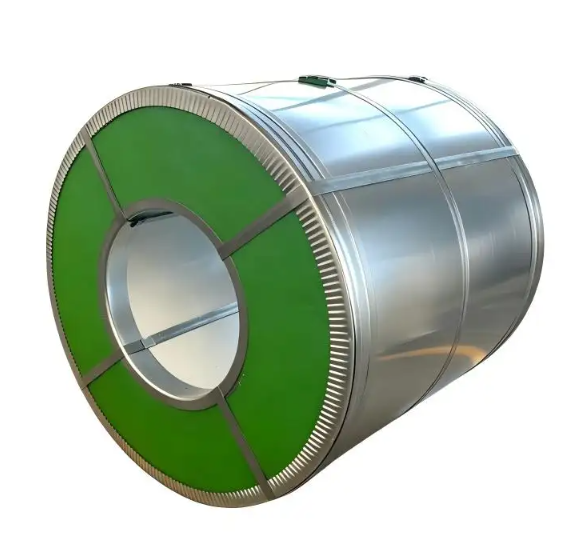
Learn why premium finish galvalume steel coil delivers better paint adhesion and visual consistency in finished building products. Request specs today.
2026/09/10
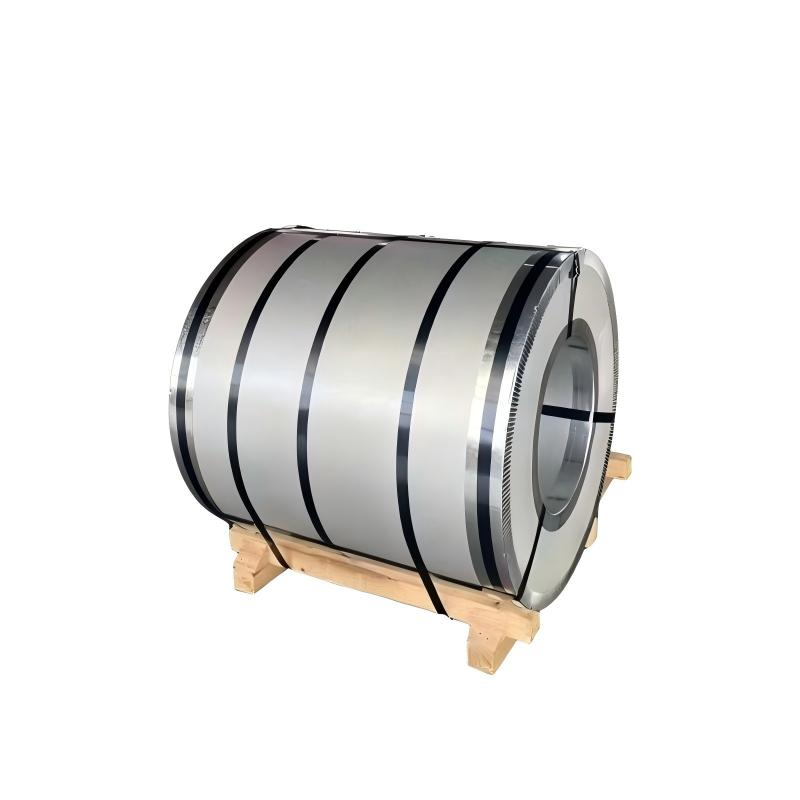
Learn why heavy coating galvalume steel coil provides superior corrosion resistance in harsh coastal settings and saves long-term maintenance costs.
2026/09/10
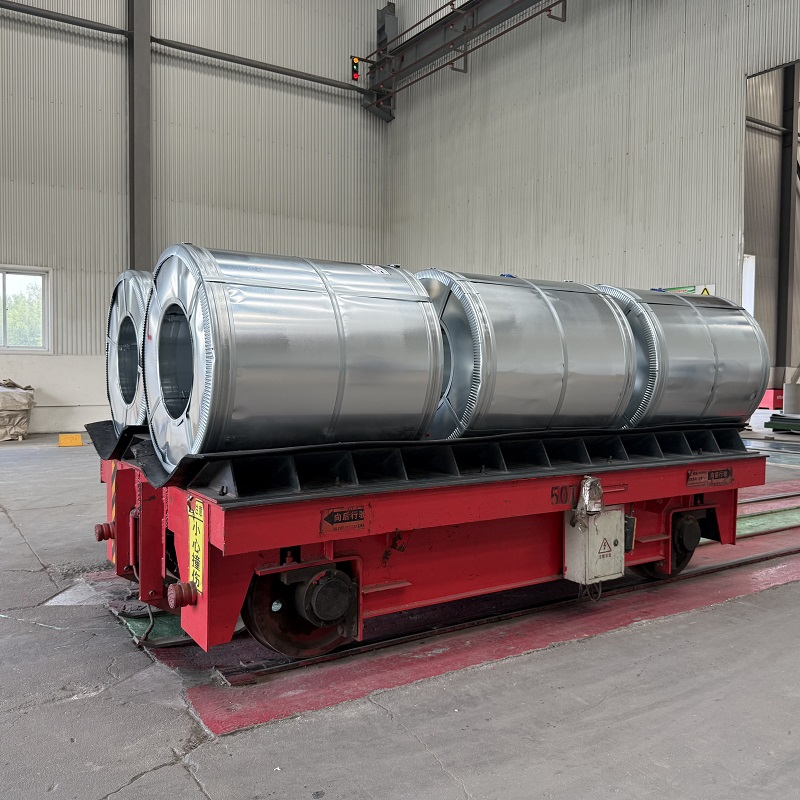
Learn how to test the bending performance of formable galvalume steel coil samples using T-bend testing to prevent cracking and scrap.
2026/09/10
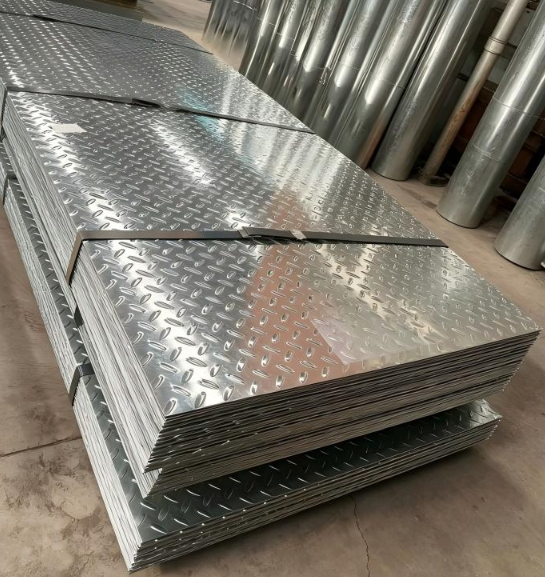
Discover how multi specification galvalume steel coil simplifies purchasing, boosts productivity, and lowers costs for metal fabricators.
2026/09/10
Discover why hot dipped galvanized steel and hot dip galvanized checkered plate offer ideal corrosion resistance and strength for road guardrails.
Covering green transformation, product comparison, selection guide, and industry empowerment, helping you fully grasp the dynamics of the color steel industry.

Global climate action and Belt and Road cooperation are driving the color steel industry’s shift toward green, sustainable development.
Comparing PPGI and PPGL across performance, durability, and applications to help you select the optimal coated steel for your project.
A practical guide to selecting and applying color steel coils, ensuring optimal performance, durability, and cost-effectiveness for your projects.
Industry forum drives digital and green transformation, empowering steel sector development through innovation and collaboration.