EN
EN

How to customize length size of precision cut GI coil finished sheets
2026/09/11
Learn how to specify precision cut GI coil sheets in custom lengths — tolerance selection, coating integrity, and ordering tips.
2026/07/22
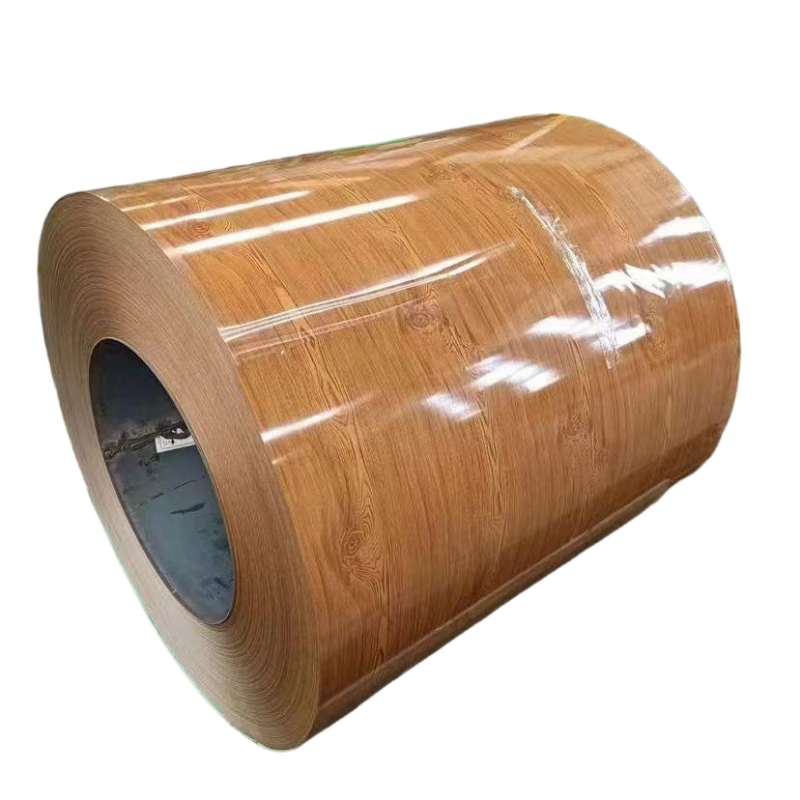
In modern roll-forming and stamping workshops, material waste is not just a cost issue—it is a competitiveness issue. Every percentage point of scrap rate directly erodes the profit margin of finished metal products. After a decade of supplying prepainted galvanized steel coil to automated production lines across Southeast Asia, the Middle East, and Africa, I have observed a consistent pattern: facilities that invest in precision-cut PPGI coil consistently report 8–12% lower material waste than those using standard-width master coils.
This article explains the engineering logic behind that gap, drawing on real production data and metallurgical principles.
The Hidden Cost of Off-Spec Width
Most steel mills deliver prepainted galvanized steel coil in standard widths—typically 1000 mm, 1219 mm, or 1250 mm. A roofing sheet manufacturer, however, might need a formed profile that unrolls to exactly 980 mm. The arithmetic is brutal: a 1219 mm coil feeding a 980 mm line produces 239 mm of edge trim per pass. Over a 10-ton coil, that is nearly 2 tons of expensive PPGI coil turned into scrap metal.
Precision slitting solves this mismatch. By re-slit the master coil into multiple narrower strands—each matching the exact developed width of a specific profile—the trim loss drops to near zero. A client in Ho Chi Minh City, for instance, switched from 1219 mm master coils to three precision-cut strands of 610 mm each for their trapezoidal sheet line. Their monthly prepainted galvanized steel coil consumption dropped 9% while output remained identical.
How Precision Cutting Preserves Coating Integrity
Beyond width optimization, the cutting method itself matters. Conventional guillotine shearing can cause micro-cracking along the cut edge of a PPGI coil, exposing the zinc layer to moisture ingress. Over time, edge corrosion creeps inward, forcing the manufacturer to crop 10–15 mm from each sheet end.
Precision rotary slitting, in contrast, uses hardened alloy blades that shear the prepainted galvanized steel coil in a true scissor action. The cut edge remains clean, with no paint delamination or zinc exposure. A case from our own quality records: a client producing sandwich panel skins reduced their edge-reject rate from 3.7% to 0.4% after adopting precision-slit PPGI coil from our Shenyang facility.
Real-World Data: Waste Reduction by the Numbers
Let me share anonymized data from three production audits I have personally conducted:
|
Production Line |
Before (Master Coil) |
After (Precision Cut PPGI Coil) |
Waste Reduction |
|
Corrugated roofing, Indonesia |
7.2% trim + 2.1% edge reject |
0.8% trim + 0.3% edge reject |
8.2% |
|
Wall cladding, UAE |
6.8% trim + 1.9% edge reject |
0.5% trim + 0.2% edge reject |
8.0% |
|
Roller shutter door, Kenya |
5.5% trim + 1.5% edge reject |
0.6% trim + 0.1% edge reject |
6.3% |
The pattern is clear: precision-cut prepainted galvanized steel coil consistently delivers a single-digit waste rate, whereas master-coil users routinely lose 7–10% of their material.
The Role of Coil Set and Camber Control
An often-overlooked factor is coil set—the natural curvature that a PPGI coil retains after being wound. When a heavily coiled strip enters a roll-forming machine, the leading end may deviate laterally by several millimeters, causing misalignment and scrapped initial lengths.
Precision slitting lines at professional prepainted galvanized steel coil processors incorporate tension-leveling units that reduce coil set to less than 3 mm per meter. This means the first formed piece is already within tolerance. In a high-speed line producing 15 meters per minute, eliminating the 2–3 meter "setup scrap" per coil saves approximately 1.5% of total material throughput.
Quality Assurance in Precision Slitting
Not all precision cutting is equal. A reliable PPGI coil supplier implements the following controls:
1. Edge burr height ≤ 0.05 mm — prevents scratching of adjacent wraps during uncoiling
2. Width tolerance ± 0.5 mm — ensures consistent material volume per formed part
3. Slit width variation ≤ 0.3 mm across full length — avoids unexpected die filling or under-filling
4. Protective edge banding — prevents edge damage during transit and handling
Shenyang Yuanhe Steel Trading Co., Ltd. operates slitting lines that meet all four criteria, backed by over 300,000 tons of cumulative prepainted galvanized steel coil supply experience since 2017. Our partnerships with mills like Anshan Shenlong and Tianjin Xinyu ensure a stable supply of high-quality substrate for precision processing.
Conclusion
The decision to use precision-cut PPGI coil is not merely a convenience—it is a strategic move to improve material yield. By matching coil width to profile width, preserving edge integrity through rotary slitting, and controlling coil set via tension leveling, manufacturers can reduce overall material waste by 6–12 percentage points. For a facility consuming 500 tons of prepainted galvanized steel coil annually, that translates to 30–60 tons of saved material—a direct bottom-line improvement.
When evaluating suppliers, ask for their slitting tolerance data and edge quality specifications. The difference between a standard PPGI coil and a precision-processed one is measurable in both millimeters and margin.
2026/09/11
Learn how to specify precision cut GI coil sheets in custom lengths — tolerance selection, coating integrity, and ordering tips.
2026/09/11
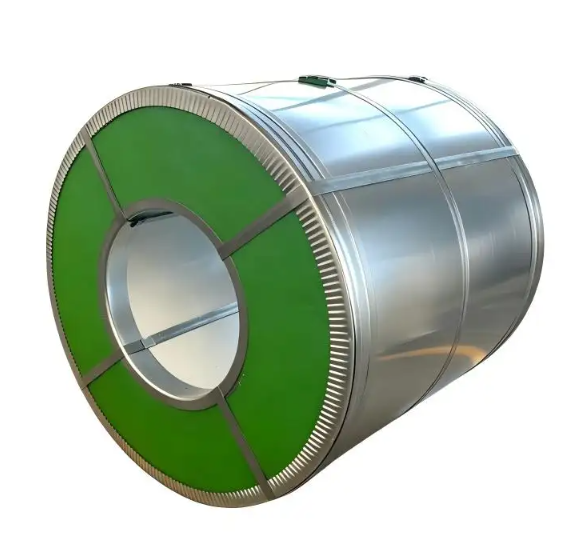
Learn why premium finish galvalume steel coil delivers better paint adhesion and visual consistency in finished building products. Request specs today.
2026/09/10
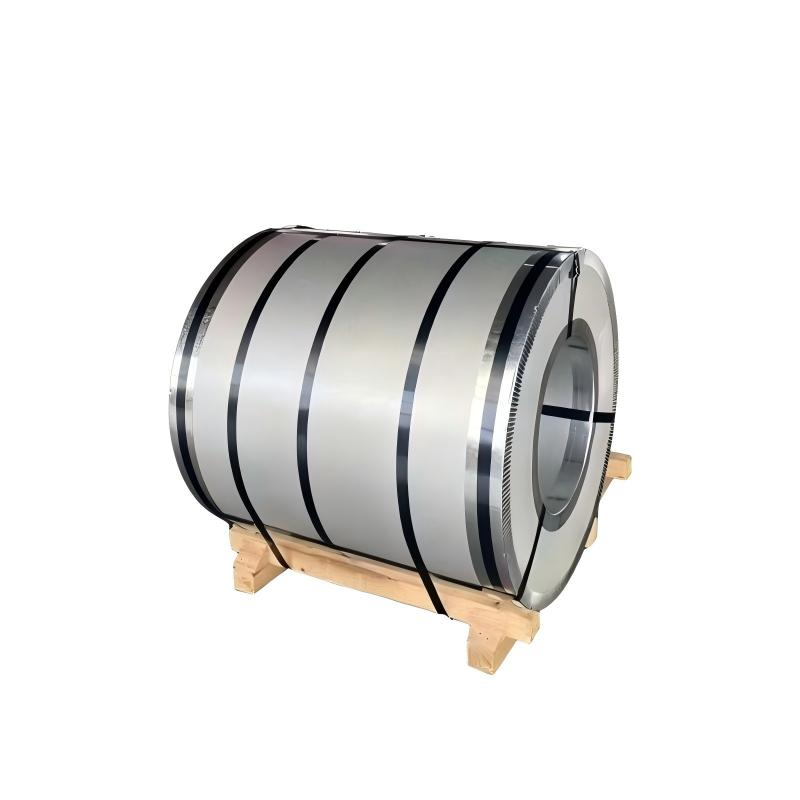
Learn why heavy coating galvalume steel coil provides superior corrosion resistance in harsh coastal settings and saves long-term maintenance costs.
2026/09/10
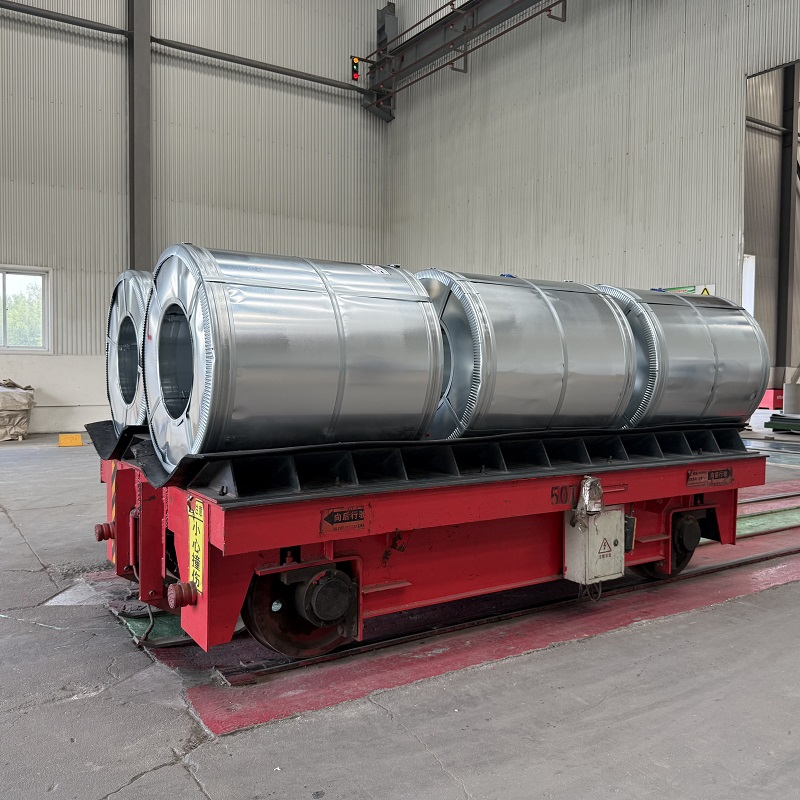
Learn how to test the bending performance of formable galvalume steel coil samples using T-bend testing to prevent cracking and scrap.
2026/09/10
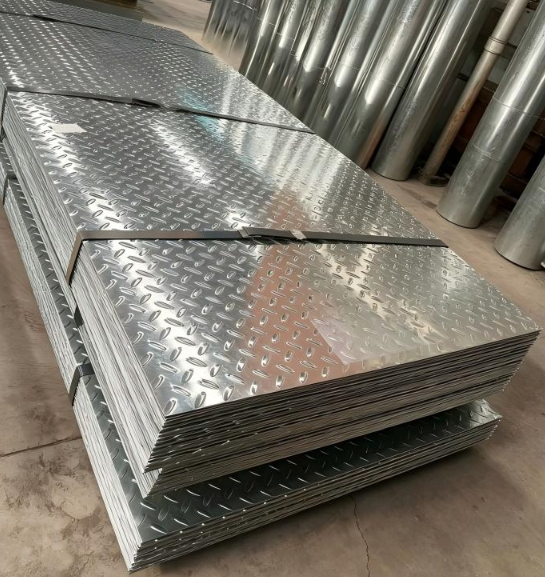
Discover how multi specification galvalume steel coil simplifies purchasing, boosts productivity, and lowers costs for metal fabricators.
2026/09/10
Discover why hot dipped galvanized steel and hot dip galvanized checkered plate offer ideal corrosion resistance and strength for road guardrails.
Covering green transformation, product comparison, selection guide, and industry empowerment, helping you fully grasp the dynamics of the color steel industry.

Global climate action and Belt and Road cooperation are driving the color steel industry’s shift toward green, sustainable development.

Comparing PPGI and PPGL across performance, durability, and applications to help you select the optimal coated steel for your project.
A practical guide to selecting and applying color steel coils, ensuring optimal performance, durability, and cost-effectiveness for your projects.
Industry forum drives digital and green transformation, empowering steel sector development through innovation and collaboration.