EN
EN

How to customize length size of precision cut GI coil finished sheets
2026/09/11
Learn how to specify precision cut GI coil sheets in custom lengths — tolerance selection, coating integrity, and ordering tips.
2026/07/23
The Evolution of Industrial Roofing Materials
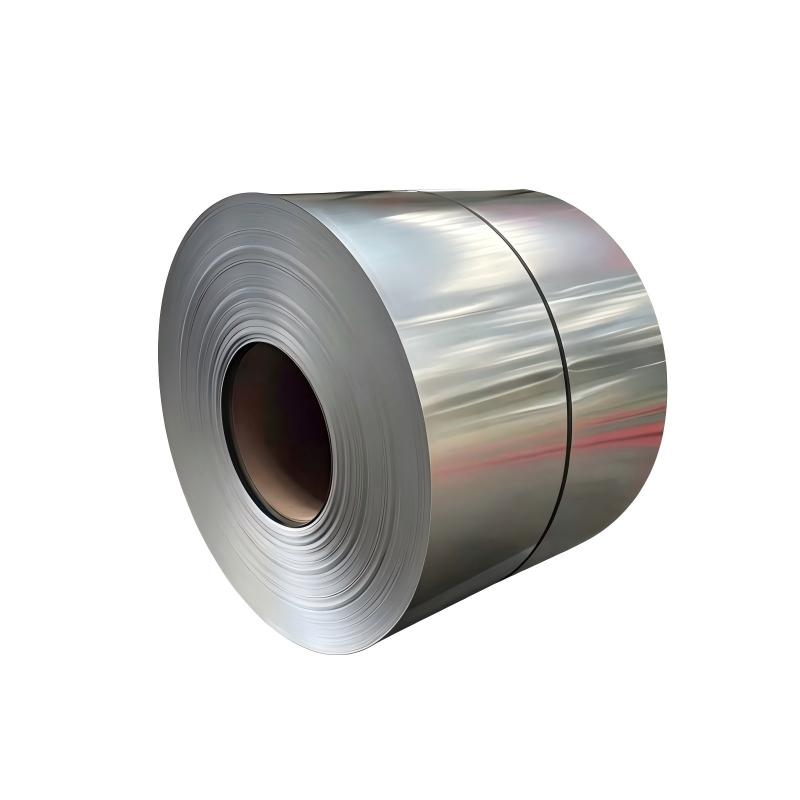
Industrial factory roofing has undergone a significant transformation over the past two decades, with pre painted steel coil emerging as the dominant material choice for new construction and renovation projects worldwide. As an industrial painted steel coil product, pre painted steel coil combines a corrosion-resistant metallic substrate with a factory-applied organic coating system, delivering a ready-to-install roofing material that eliminates the need for on-site painting. In my five years of consulting on industrial building projects across Southeast Asia, Central Asia, and the Middle East, I have witnessed a clear trend: project owners who previously specified bare galvanized steel or concrete roofing are now consistently selecting pre painted steel coil for its combination of performance, speed, and lifecycle value. The shift is driven by practical economics — industrial painted steel coil roofing systems install up to three times faster than traditional alternatives, and their factory-controlled coating quality far surpasses what can be achieved with field-applied paint systems. For factory owners managing tight construction schedules and operating in aggressive environments, pre painted steel coil has become not just a preference but a strategic specification decision.
Durability and Weather Resistance of Pre Painted Steel Coil
The primary reason pre painted steel coil dominates industrial roofing is its proven durability under challenging environmental conditions. Industrial painted steel coil is engineered to withstand UV radiation, thermal cycling, acid rain, salt spray, and mechanical impact — all common stressors for factory roofs. The substrate of pre painted steel coil is typically hot-dip galvanized steel (with zinc coating weights from Z120 to Z275) or galvalume steel (AZ50 to AZ150), providing sacrificial corrosion protection at cut edges and fastener points. The coating system applied to this substrate determines the material's weathering performance: standard polyester coatings provide 7 to 12 years of color stability, SMP (silicone-modified polyester) systems extend this to 12 to 18 years, and PVDF (polyvinylidene fluoride) systems can maintain acceptable appearance and film integrity for 20 to 25 years or more. In a comparative analysis I conducted for a chemical processing plant in Vietnam, pre painted steel coil with PVDF coating showed less than 5 percent color change (measured by Delta E) after 36 months of exposure to acidic industrial emissions, while a competing polyester-coated product exceeded 15 percent color change in the same period. For industrial painted steel coil used in factory roofing, the reverse impact resistance is equally critical — a minimum 9J impact resistance ensures the roof can withstand hail and maintenance foot traffic without coating fracture.
Cost Efficiency Over the Project Lifecycle
While the initial material cost of pre painted steel coil is higher than bare galvanized sheet, the total lifecycle cost strongly favors industrial painted steel coil for factory roofing applications. A comprehensive cost analysis should include material cost, installation labor, maintenance expenditure, and replacement cost over the building's design life. Pre painted steel coil roofing typically costs 15 to 25 percent more in material than bare galvanized alternatives but saves 30 to 40 percent in installation time due to the elimination of on-site painting and curing. Over a 20-year service life, the maintenance savings are even more significant: bare galvanized roofs require repainting every 3 to 5 years in industrial environments, costing approximately 8 to 12 dollars per square meter per cycle, while pre painted steel coil roofs typically require only periodic cleaning and inspection. In a lifecycle cost model I built for a 20,000-square-meter warehouse roofing project, the total 20-year cost of pre painted steel coil was 42 percent lower than bare galvanized steel with field painting, and 28 percent lower than aluminum roofing. Industrial painted steel coil also contributes to energy savings: high solar reflectance coatings can reduce roof surface temperatures by 10 to 15 degrees Celsius, lowering HVAC loads in factories with conditioned spaces.
Installation Speed and Structural Advantages
The installation speed of pre painted steel coil roofing is a decisive factor for industrial projects where time-to-occupancy directly affects revenue. Industrial painted steel coil arrives at the construction site as finished, cut-to-length profile sheets — ready for immediate fastening to the roof structure without any coating, curing, or drying time. A typical installation crew of six to eight workers can install 800 to 1,200 square meters of pre painted steel coil roofing per day, compared to 200 to 300 square meters for concrete tile or field-painted systems. The lightweight nature of pre painted steel coil (typically 4 to 6 kilograms per square meter for 0.5mm sheet) also reduces structural steel requirements: factory roofs designed for industrial painted steel coil can use lighter purlin sections and reduced foundation loads, saving 10 to 15 percent on the primary structural frame. During a 2023 fast-track factory construction project in Kazakhstan, the contractor installed 15,000 square meters of pre painted steel coil roofing in just 18 working days — a timeline that would have been impossible with conventional roofing materials. The industrial painted steel coil's consistent sheet dimensions and pre-punched fastener holes also simplified quality control, with the installation team achieving a first-time-right rate of over 95 percent.
Coating System Selection and Supplier Capability
Selecting the right coating system for pre painted steel coil in industrial roofing requires careful analysis of the specific environmental conditions at the project site. For general industrial environments, SMP-coated industrial painted steel coil offers an excellent balance of cost and performance, with good UV resistance and color retention. For factories in coastal zones or areas with chemical emissions, PVDF-coated pre painted steel coil is strongly recommended — its fluoropolymer chemistry provides the highest level of chalk resistance, color stability, and chemical resistance available in coil coatings. The coating thickness also matters: a topcoat of 20 microns or greater with a 7 to 10 micron backer coat is the minimum recommended for industrial roofing, and premium systems may specify 25-micron topcoats for extended service life. Manufacturers such as Shenyang Yuanhe, which produces pre painted steel coil with customizable coating systems (polyester, SMP, and PVDF) and maintains a three-tier quality control system across its color-coated steel coil production lines, represent the type of supplier capability that industrial project teams should seek. Their ISO-certified production processes, combined with established export experience to Southeast Asia, the Middle East, and South America, ensure that industrial painted steel coil meets both coating performance standards and project delivery schedules for large-scale factory roofing applications.
Three Common Questions About Pre Painted Steel Coil for Industrial Roofing
Question: What coating system is best for industrial factory roofing in coastal environments?
Answer: PVDF-coated pre painted steel coil is the strongest recommendation for coastal industrial roofing. PVDF provides superior resistance to salt spray, UV degradation, and chemical pollutants. Pair it with a galvalume substrate (AZ100 or higher) for maximum corrosion protection. The higher initial cost of PVDF industrial painted steel coil is justified by its 20 to 25 year service life in aggressive coastal environments.
Question: How does pre painted steel coil compare to field-painted galvanized steel for factory roofing?
Answer: Pre painted steel coil offers significantly better coating consistency because the paint is applied in a controlled factory environment with precise temperature, humidity, and line speed control. Field-applied paint systems suffer from variable application conditions, uneven film thickness, and longer curing times. Pre painted steel coil also eliminates the need for scaffolding and painting crews on-site, reducing both cost and safety risk.
Question: What minimum thickness should be specified for industrial painted steel coil roofing?
Answer: For most industrial factory roofing applications, 0.5mm pre painted steel coil is the recommended minimum thickness. For large-span roofs or areas with heavy snow loads, 0.6mm or greater may be required. Sheets thinner than 0.45mm risk oil canning, reduced wind uplift resistance, and insufficient walkability for maintenance access. Always verify that the specified thickness includes the metallic coating and paint system, not just the bare steel substrate.
2026/09/11
Learn how to specify precision cut GI coil sheets in custom lengths — tolerance selection, coating integrity, and ordering tips.
2026/09/11
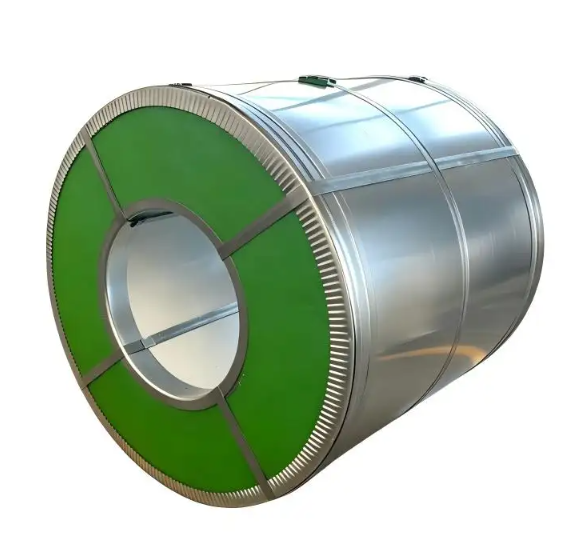
Learn why premium finish galvalume steel coil delivers better paint adhesion and visual consistency in finished building products. Request specs today.
2026/09/10
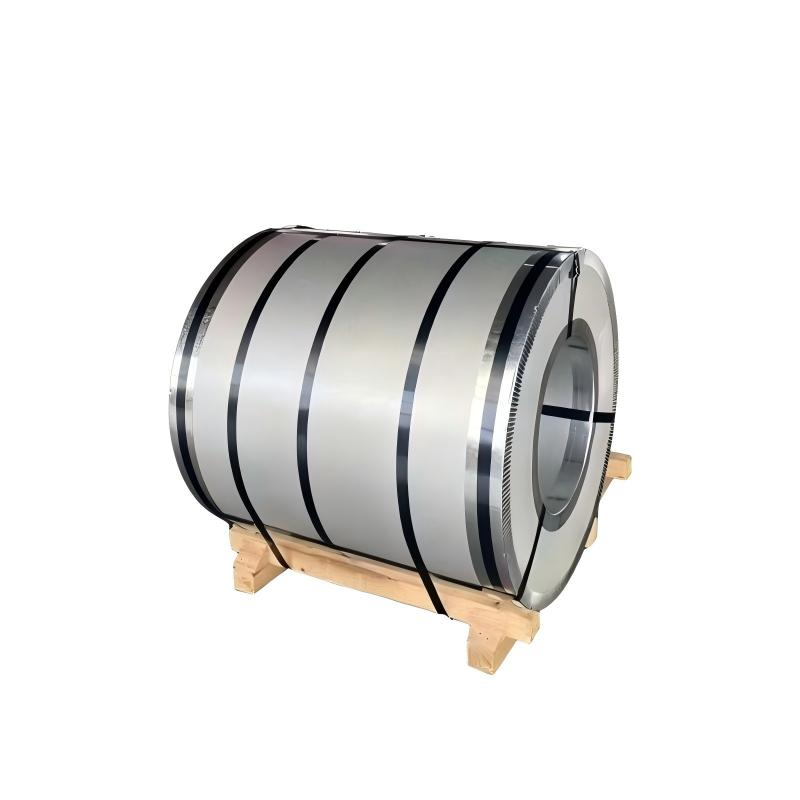
Learn why heavy coating galvalume steel coil provides superior corrosion resistance in harsh coastal settings and saves long-term maintenance costs.
2026/09/10
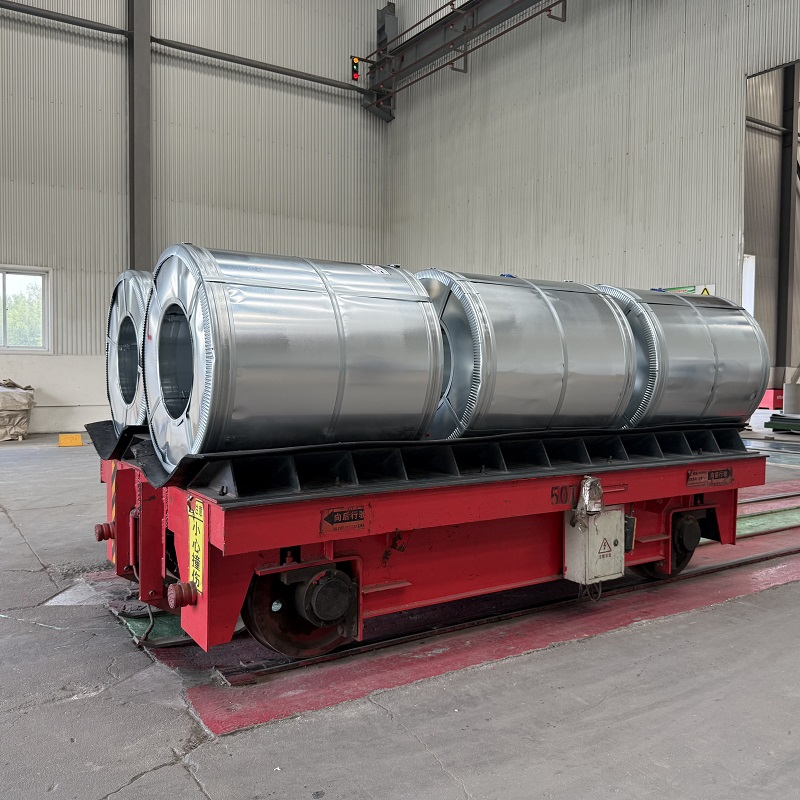
Learn how to test the bending performance of formable galvalume steel coil samples using T-bend testing to prevent cracking and scrap.
2026/09/10
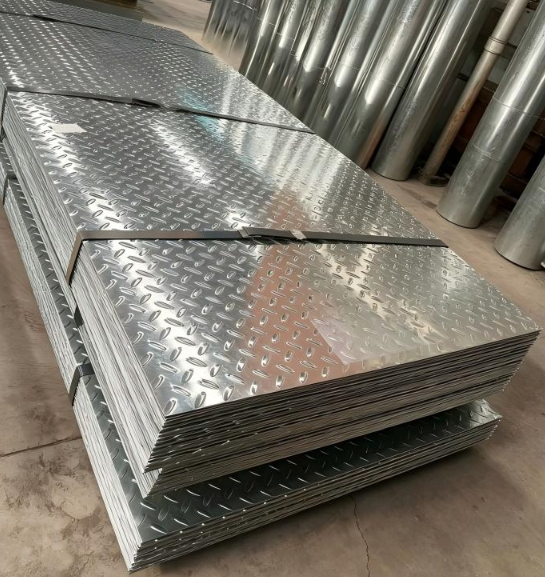
Discover how multi specification galvalume steel coil simplifies purchasing, boosts productivity, and lowers costs for metal fabricators.
2026/09/10
Discover why hot dipped galvanized steel and hot dip galvanized checkered plate offer ideal corrosion resistance and strength for road guardrails.
Covering green transformation, product comparison, selection guide, and industry empowerment, helping you fully grasp the dynamics of the color steel industry.
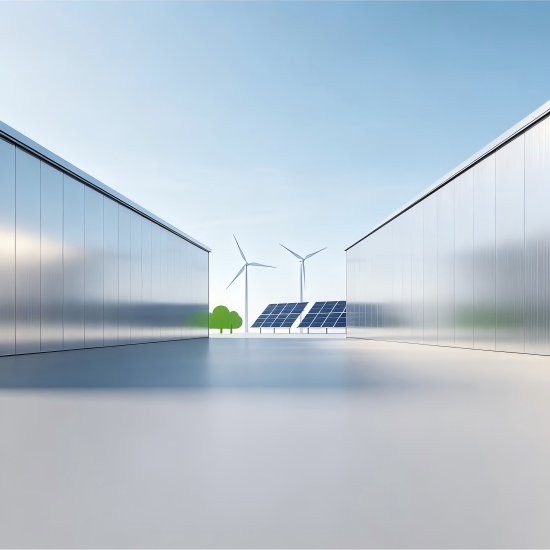
Global climate action and Belt and Road cooperation are driving the color steel industry’s shift toward green, sustainable development.

Comparing PPGI and PPGL across performance, durability, and applications to help you select the optimal coated steel for your project.
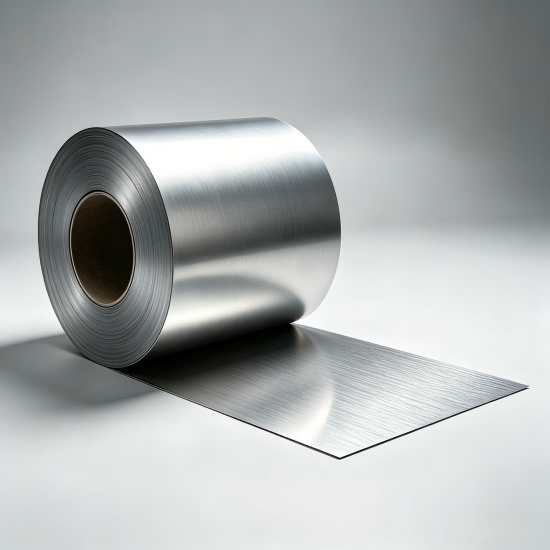
A practical guide to selecting and applying color steel coils, ensuring optimal performance, durability, and cost-effectiveness for your projects.
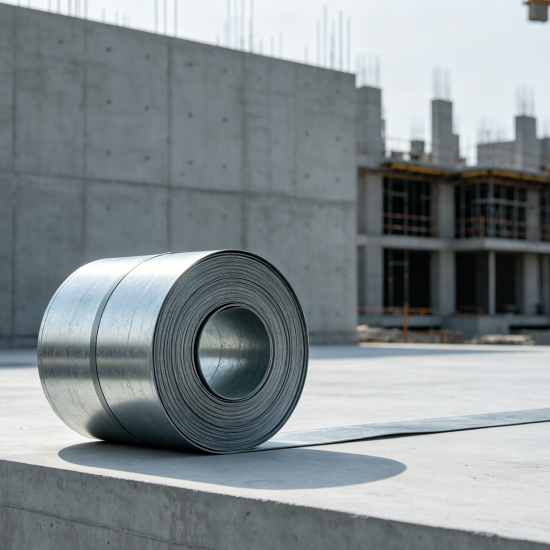
Industry forum drives digital and green transformation, empowering steel sector development through innovation and collaboration.