EN
EN

How to customize length size of precision cut GI coil finished sheets
2026/09/11
Learn how to specify precision cut GI coil sheets in custom lengths — tolerance selection, coating integrity, and ordering tips.
2026/08/24
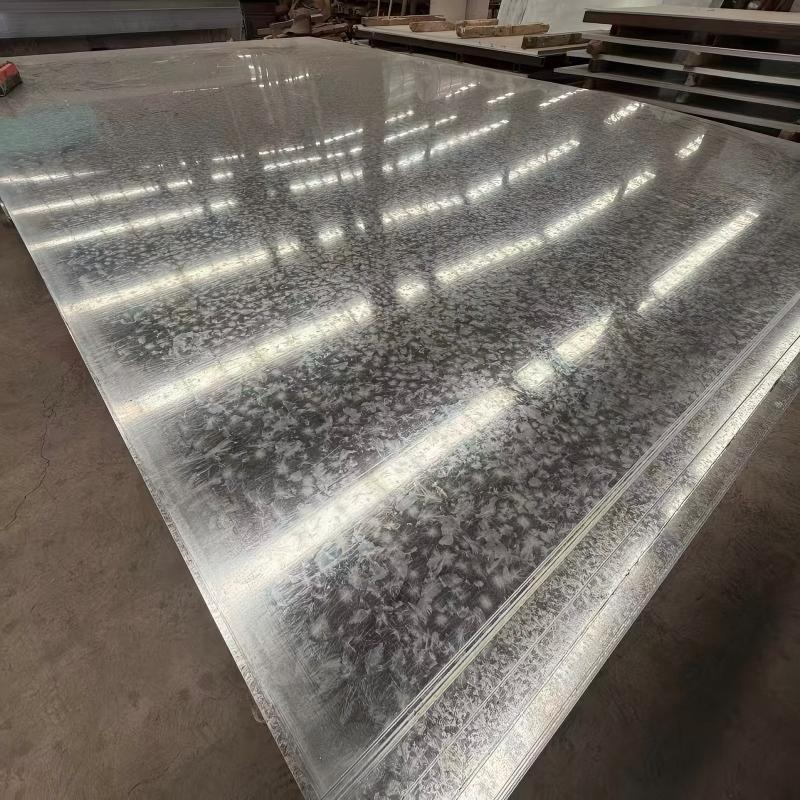
Coastal construction is notoriously tough on painted steel. Salty air, high humidity, and endless condensation cycles attack both the surface paint film and the underlying metallic coating. Buildings situated within a few kilometers of the sea corrode at a much faster rate than inland structures. This challenging environment is precisely where ppgl steel coil solutions truly outperform conventional materials, making the comparison of ppgl vs ppgi essential for long-lasting projects.
The primary difference comes down to metallurgy rather than marketing. Standard prepainted galvanized iron features a paint layer applied over a pure zinc-coated steel substrate. While zinc protects the base metal sacrificially by corroding first, it consumes itself rapidly in chloride-rich marine air.
In contrast, a ppgl steel coil uses a Galvalume-type substrate consisting of roughly 55% aluminum, 43.4% zinc, and 1.6% silicon. Because aluminum is far less electrochemically active than pure zinc, the coating functions primarily as a dense, protective physical barrier. Meanwhile, the remaining zinc fraction provides essential galvanic defense at scratches and cut edges. This dual-action layer delivers both barrier and sacrificial protection in one package. Pound for pound, a 55% aluminum-zinc coating generally resists atmospheric corrosion two to four times longer than pure zinc of equivalent mass, with the performance gap widening significantly near marine locations.
Standard laboratory testing provides clear data illustrating the differences between these two materials under aggressive conditions:
Neutral Salt Spray (Unpainted, AZ150 vs Z150): Pure zinc-coated substrates typically show red rust around 500 to 700 hours, whereas aluminum-zinc substrates frequently reach 1,000 to 1,500 hours.
Neutral Salt Spray (Painted and Scribed): Painted galvanized sheets often experience under-film creepage of 2 to 3 millimeters, while high-performance ppgl corrosion resistance keeps creepage under 1 to 2 millimeters.
Humidity Resistance: Prolonged exposure often triggers edge blistering on standard galvanized products, whereas aluminum-zinc substrates exhibit minimal change.
Wet Adhesion After Immersion: Aluminum-zinc alloys retain paint adhesion remarkably well, avoiding the adhesion loss occasionally seen on pure zinc alternatives.
This laboratory data demonstrates that aluminum-zinc alloys slow down the entire degradation cascade, from blistering and under-film creepage to base substrate loss.
High humidity creates persistent moisture challenges that pure zinc struggles to manage. When roofs and walls experience nightly condensation cycles, a thin electrolyte layer settles on cut edges and micro-scratches. On conventional galvanized sheets, the pure zinc layer dissolves steadily under these wet conditions, accelerating once relative humidity exceeds roughly 60%.
Conversely, the stable aluminum-rich oxide film on a ppgl steel coil remains durable through repetitive wet-dry cycles, allowing the protective paint topcoat to handle the environment effectively. In tropical coastal regions where night temperatures remain high and humidity hovers near 80%, this resistance makes coastal roofing far more reliable over decades of service.
Every profiled sheet features exposed cut edges at laps, flashings, and trimmed ends where paint cannot offer total coverage. This is where the mixed protection mechanism of a ppgl steel coil proves invaluable. Under-film creepage originating from cut edges in saline atmospheres is substantially lower on aluminum-zinc substrates compared to standard galvanized steel of equivalent coating weight. For long coastal structures, this specific characteristic often determines whether year ten requires expensive remedial work or routine maintenance.
Deploying materials suited to their actual environment is vital for long-term success. While inland and dry industrial buildings are well-served by standard galvanized products at a lower initial cost, ppgl steel coil options earn their premium wherever salt spray, high humidity, or extended design lifespans are involved. Matching specifications to environmental demands prevents premature failure and reduces overall lifecycle expenses.
Selecting the correct material for aggressive environments requires working with a dependable manufacturer that prioritizes strict quality standards. Yuanhe PPGI supplies high-quality ppgl steel coil products in thicknesses ranging from 0.09 mm to 1.5 mm with coatings from Z20 to Z275, fully compliant with ASTM A653 and JIS G3302 standards. Supported by a robust standing inventory of over 10,000 tons, rapid 6 to 14 day delivery timelines, and rigorous three-layer quality inspections, Yuanhe PPGI delivers reliable manufacturing and comprehensive supply chain solutions for global coastal roofing projects. More details regarding available specifications can be found directly at
It indicates the aluminum-zinc coating mass in grams per square meter. For example, AZ150 designates 150 grams per square meter of the 55% alloy. Because the alloy is less dense than pure zinc, an equivalent mass provides a thicker protective layer, resulting in superior longevity in marine settings.
Industry standards and mill data suggest that 55% aluminum-zinc coatings deliver roughly two to four times the corrosion service life of equal-mass zinc in coastal exposures. Painted aluminum-zinc panels on coastal roofs frequently achieve over 20 years of reliable performance.
The substrate premium is generally modest relative to the total project cost, and the initial price difference is quickly offset by eliminating premature repainting and re-cladding expenditures.
2026/09/11
Learn how to specify precision cut GI coil sheets in custom lengths — tolerance selection, coating integrity, and ordering tips.
2026/09/11
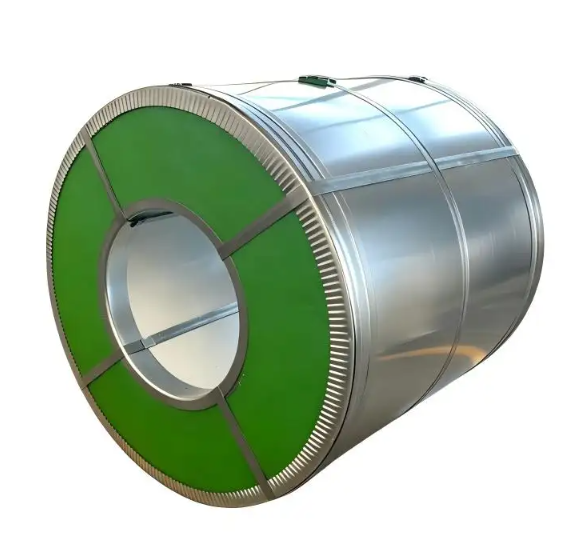
Learn why premium finish galvalume steel coil delivers better paint adhesion and visual consistency in finished building products. Request specs today.
2026/09/10
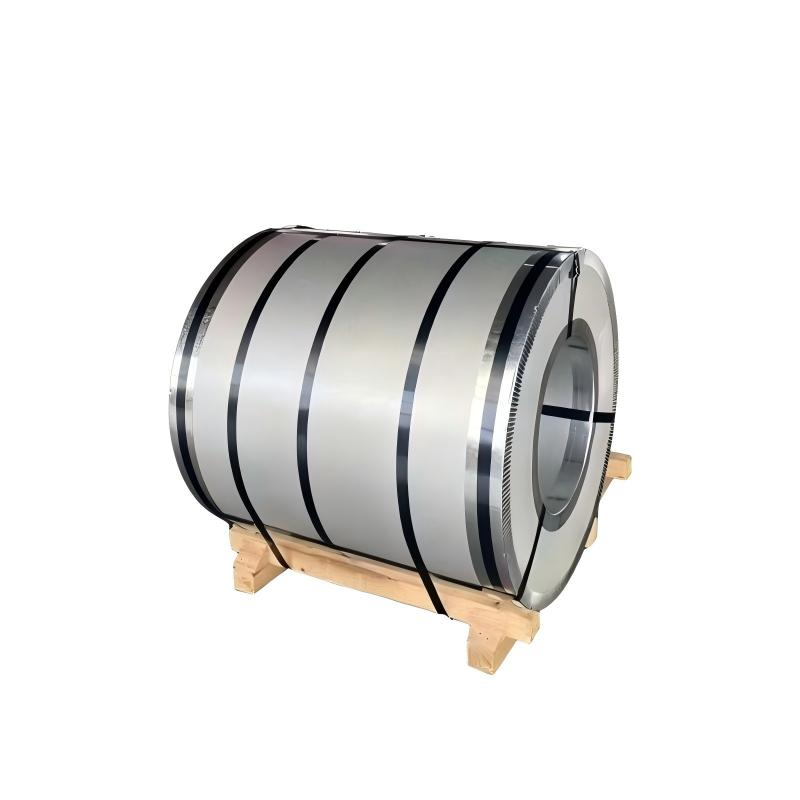
Learn why heavy coating galvalume steel coil provides superior corrosion resistance in harsh coastal settings and saves long-term maintenance costs.
2026/09/10
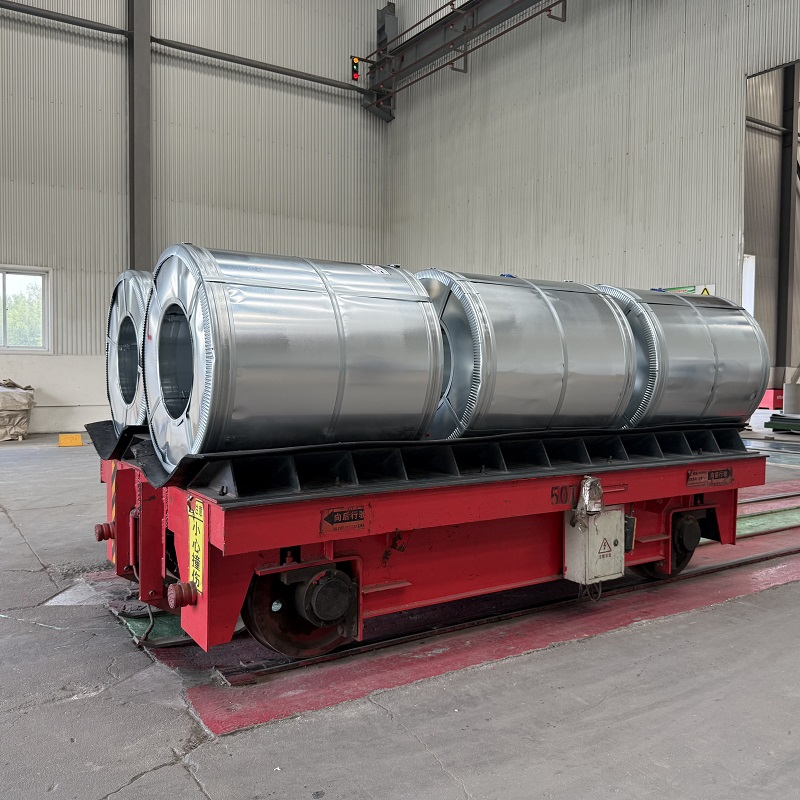
Learn how to test the bending performance of formable galvalume steel coil samples using T-bend testing to prevent cracking and scrap.
2026/09/10
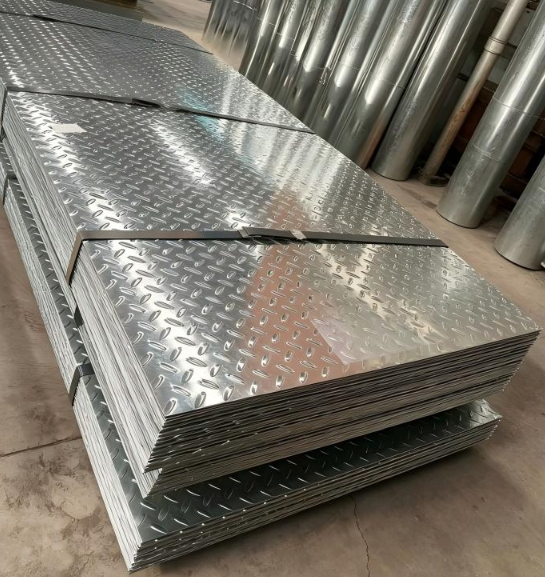
Discover how multi specification galvalume steel coil simplifies purchasing, boosts productivity, and lowers costs for metal fabricators.
2026/09/10
Discover why hot dipped galvanized steel and hot dip galvanized checkered plate offer ideal corrosion resistance and strength for road guardrails.
Covering green transformation, product comparison, selection guide, and industry empowerment, helping you fully grasp the dynamics of the color steel industry.
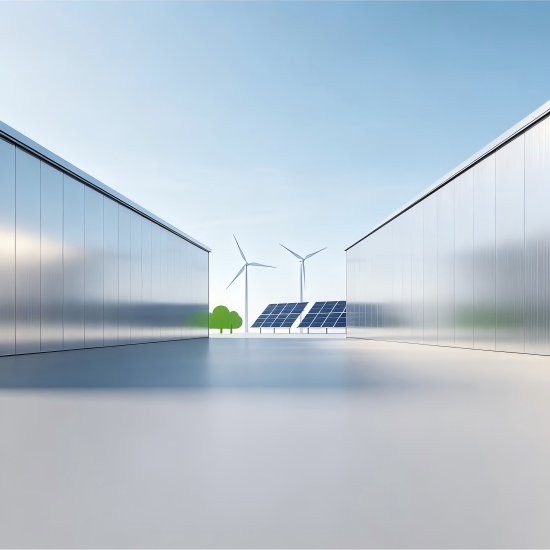
Global climate action and Belt and Road cooperation are driving the color steel industry’s shift toward green, sustainable development.

Comparing PPGI and PPGL across performance, durability, and applications to help you select the optimal coated steel for your project.
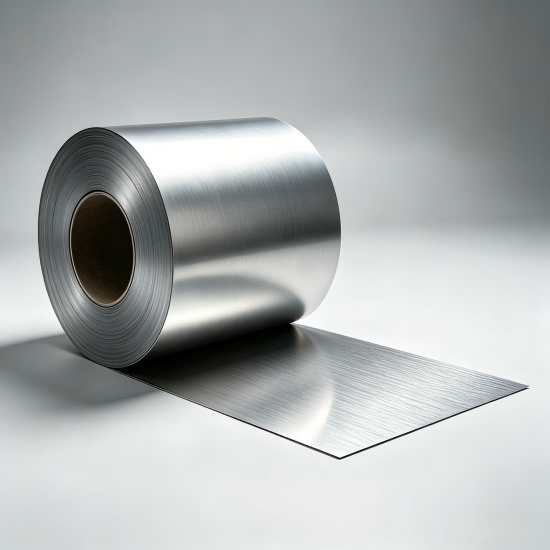
A practical guide to selecting and applying color steel coils, ensuring optimal performance, durability, and cost-effectiveness for your projects.
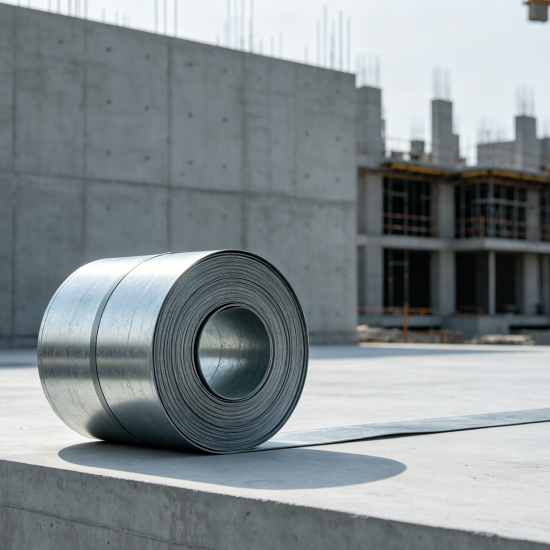
Industry forum drives digital and green transformation, empowering steel sector development through innovation and collaboration.