EN
EN

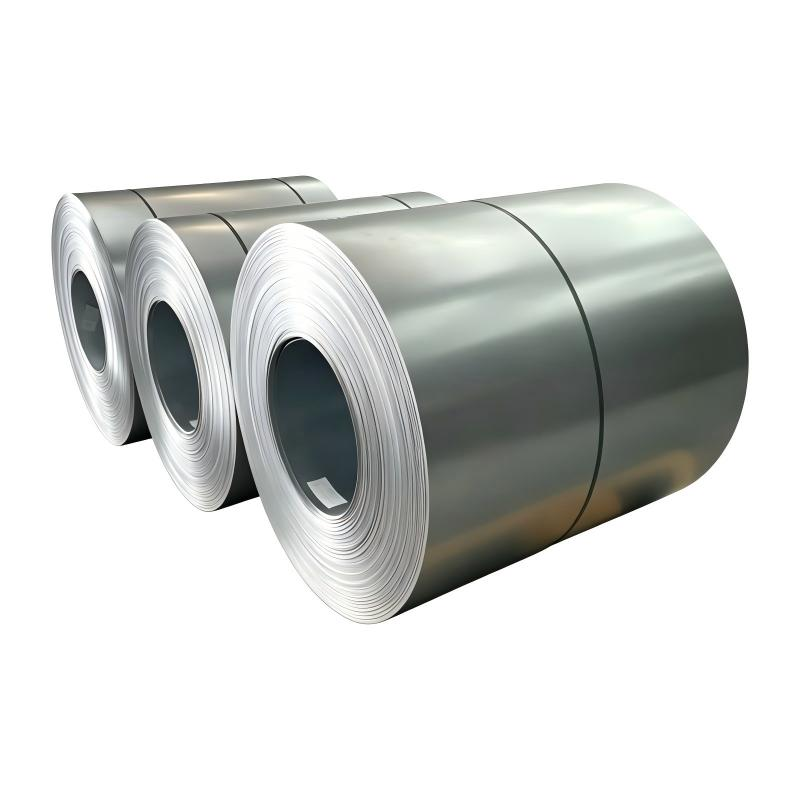
Why Stable Paint PPGI Steel Coil Resists Long-Term Outdoor Weather Exposure
When procurement managers at construction companies first specify roofing or wall cladding materials, they often focus on upfront cost and color options. After working through several outdoor projects, though, the question that matters most tends to shift: how long will the paint actually hold up? That shift in thinking is exactly what separates a well-specified stable paint PPGI steel coil from material that fails within the first three years of installation.
PPGI — pre-painted galvanized iron — delivers its outdoor durability through a carefully engineered multi-layer system. Understanding how that system works helps procurement teams and engineering contractors make more informed sourcing decisions, particularly for projects in high-UV, high-humidity, or coastal environments across Africa, South America, and Southeast Asia.
The Layered Coating System: How Each Layer Contributes
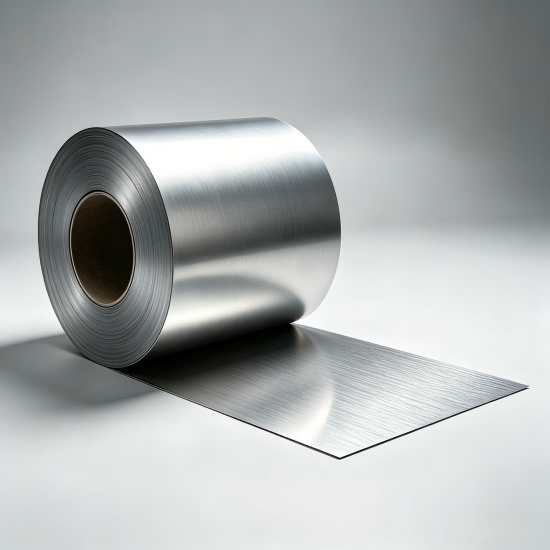
A stable paint PPGI steel coil is not simply steel with paint applied on top. It is a laminated system built up in sequence, and the performance of each layer directly affects the weather resistance of the finished coil.
Starting from the base: the cold-rolled steel substrate is first hot-dip galvanized to produce a zinc coating, typically rated at Z60, Z80, Z120, or higher (measured in grams per square meter). This zinc layer performs two functions simultaneously. First, it acts as a physical barrier preventing moisture from reaching the steel base. Second, the zinc provides cathodic protection — even if the surface is scratched, zinc corrodes sacrificially, delaying the onset of red rust on exposed steel edges. The thicker the zinc coating weight, the longer the cathodic protection mechanism remains active.
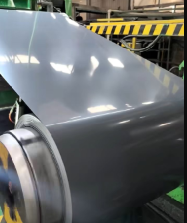
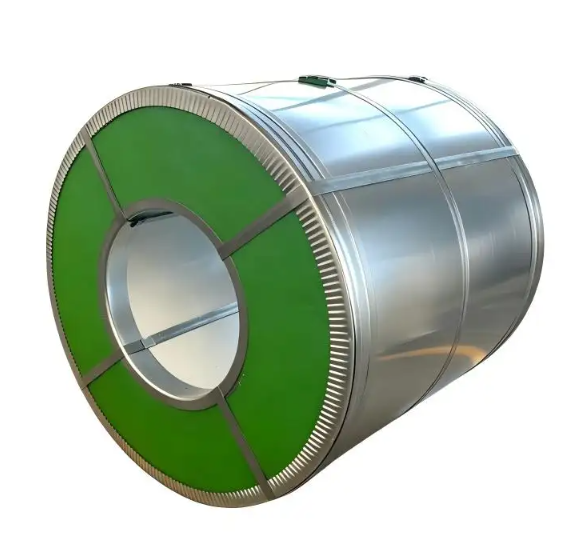
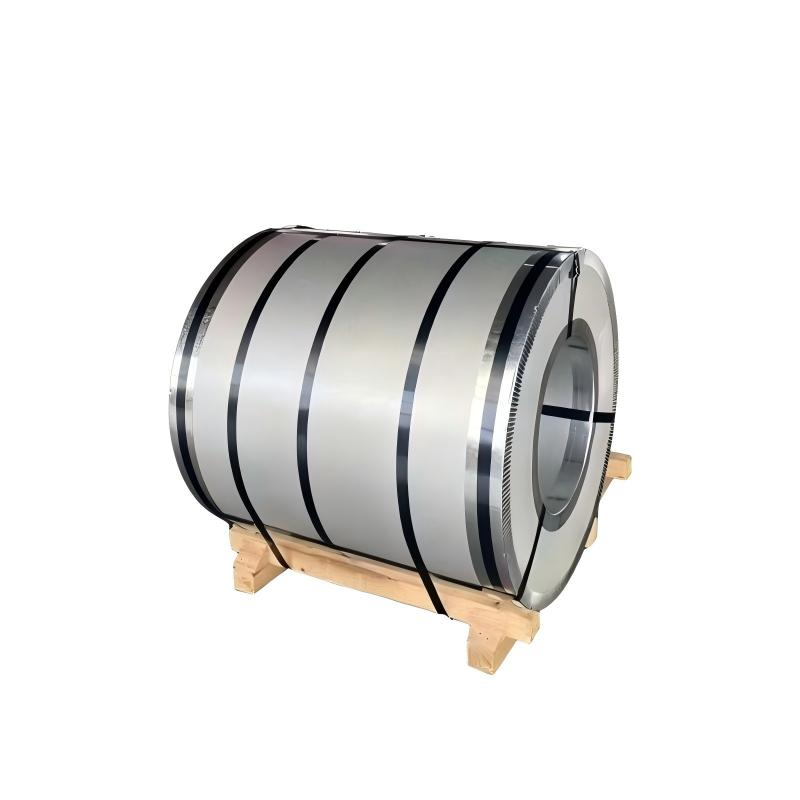
Above the zinc layer, the coil passes through a continuous coil-coating line where a chemical conversion treatment is applied, followed by a primer coat (typically 5–8 µm), then the primary decorative topcoat (typically 15–25 µm), and in many specifications a thin backer coat on the reverse side. Each layer is oven-cured, creating a fully cross-linked organic film before the coil is rewound for shipping.
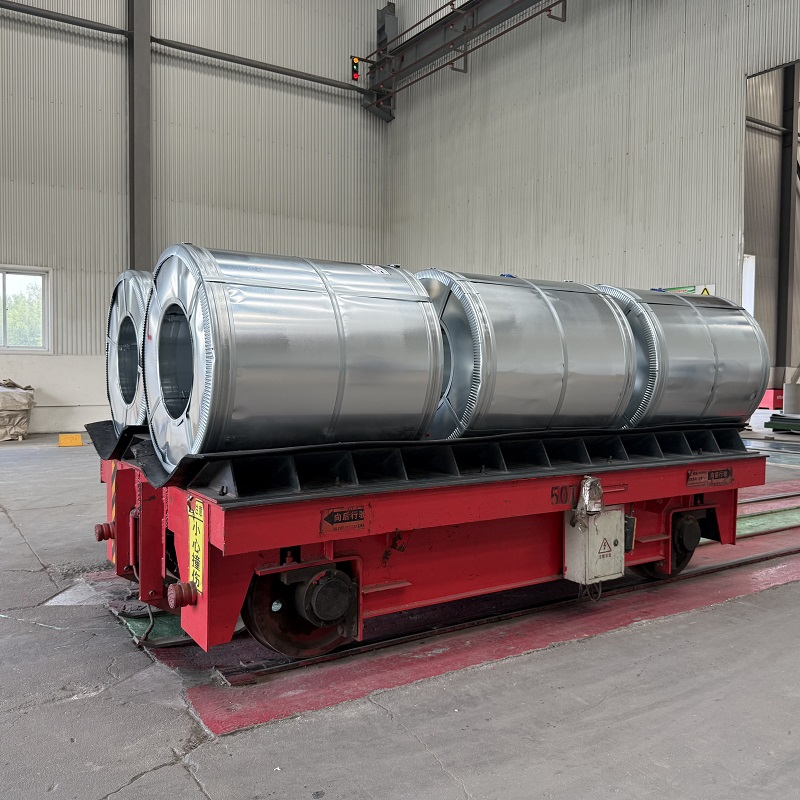
This is what separates a corrosion resistant steel coil processed through a proper coil-coating line from field-painted galvanized sheet: factory-controlled application ensures uniform film thickness, consistent adhesion to the primer, and a cure level that field coatings cannot replicate.
Paint Chemistry: Why the Topcoat Choice Determines Outdoor Stability
Still unsure why two PPGI coils with identical zinc weights can behave very differently outdoors? The answer lies primarily in the topcoat chemistry. The four main paint systems used on color coated roofing coil are polyester (PE), silicon-modified polyester (SMP), high-durability polyester (HDP), and polyvinylidene fluoride (PVDF).
- PE (Polyester): The most common and cost-effective option. Provided the coating weight and cure schedule are correct, PE-coated PPGI performs reliably in moderate outdoor environments for approximately 10–15 years. However, PE has relatively lower UV resistance, and in high-insolation regions it is more susceptible to chalking and color fade over time.
- SMP (Silicon-Modified Polyester): Adds silicone segments to the polyester backbone, improving hardness and heat resistance. SMP handles thermal cycling better than standard PE, relevant for metal roofing in regions with large day-night temperature swings.
- HDP (High-Durability Polyester): Reformulated to deliver better UV resistance and color retention than standard PE, without the cost premium of PVDF. A practical middle-ground for projects targeting a 15–20 year service life.
- PVDF (Polyvinylidene Fluoride): The highest-performance chemistry available on stable paint finish PPGI steel coil. The carbon-fluorine bond is among the strongest in organic chemistry, which is why PVDF coatings can maintain color integrity and mechanical adhesion for 20 years or more in extreme weather conditions — including intense UV, tropical humidity, and coastal salt-spray environments. PVDF is the standard specified for premium architectural facades and long-lifecycle roofing programs.
In practice, selecting a paint chemistry matched to the actual deployment environment matters more than maximizing any single parameter. A PVDF coating on a low-UV inland warehouse offers limited additional value over HDP; the same PVDF on a beachfront residential project in West Africa could extend effective service life by a decade.
How Zinc and Paint Work Together as a Dual-Protection System
It took a few premature paint delamination incidents before many buyers understood that PPGI coating performance depends heavily on the quality of the galvanized substrate beneath. A paint film applied over a zinc layer with poor adhesion, insufficient coating weight, or surface contamination will fail sooner than the topcoat chemistry alone would predict.
The zinc and organic paint layers do not simply stack; they interact. The chemical conversion treatment between the zinc and primer creates a transition layer that bonds the organic system to the metallic substrate. When correctly applied, this bond ensures the primer adheres firmly to both zinc and topcoat, creating a unified moisture barrier. The combined zinc-plus-paint system extends PPGI service life to approximately 15–25 years outdoors — roughly three times the expected life of plain galvanized steel in comparable exposures.
One common roofing project mistake is specifying standard GI coils with Z80 coating weight for a coastal tropical environment, only to find red rust spots emerging within the first rainy season. That failure is not a paint failure — it is a substrate specification failure. The paint cannot compensate for a zinc layer that is too thin for the corrosion load of the environment.
Environmental Factors That Test PPGI Paint Stability
Key environmental stressors that degrade outdoor PPGI coatings include:
- UV radiation: Photodegradation breaks down polymer chains in the topcoat, leading to chalking and color fade. High-altitude or equatorial locations with intense year-round solar exposure accelerate this process. PVDF and HDP coatings include UV-stable pigments and resin systems engineered to slow this breakdown.
- Moisture and humidity: Water vapor permeating through microdefects in the paint film is the primary driver of underpaint corrosion. A properly cured primer with correct film thickness dramatically reduces permeation rates.
- Temperature cycling: Roofing panels expand and contract daily. A paint film with insufficient flexibility will develop microcracks over time, creating pathways for moisture ingress. SMP and PVDF systems generally maintain better flexibility at temperature extremes than standard PE.
- Salt and industrial atmospheres: Chloride ions from coastal salt spray or sulfur compounds in industrial zones attack both paint adhesion and the zinc substrate. Higher zinc coating weights (Z120 and above) combined with PVDF or HDP topcoats are typically recommended for marine-adjacent or industrial roofing applications.
What to Verify When Sourcing Stable Paint PPGI Steel Coil
For engineering contractors and real estate developers sourcing PPGI coils for outdoor construction projects, the following specification checkpoints are worth confirming with any supplier:
- Zinc coating weight: Confirm the actual g/m² value (Z80, Z120, Z180, Z275) and the test standard used (ASTM A653, EN 10346, or GB/T 2518). Higher values are needed for coastal and humid tropical environments.
- Paint system: Request clarity on whether the topcoat is PE, SMP, HDP, or PVDF. The quoted paint type should appear on the mill test report, not just in the sales description.
- Total dry film thickness (DFT): Primer and topcoat DFT values should be confirmed in microns. A topcoat DFT below 15 µm is generally insufficient for demanding outdoor applications.
- Color consistency: For multi-shipment projects, confirm whether the same paint formula batch code can be maintained across deliveries. Color batch variation is a common complaint when color coated roofing coil is sourced across extended project timelines.
- Third-party inspection: For first-time buyers or high-value orders, pre-shipment inspection by SGS, BV, or equivalent can verify coating weight and film thickness before goods leave the mill.
At Shenyang Yuanhe Steel Trading Co., Ltd., we source PPGI coils from certified northeast China mills and provide mill test reports (MTRs) for every shipment, covering zinc coating weight, paint chemistry, and film thickness. Buyers in Africa, South America, North America, and Europe working on projects where long-term paint stability is critical are welcome to contact Leo Liu at [email protected] or call +86-18642064006 to discuss the right specification for their environment.
Summary: Paint Stability in PPGI Explained
A stable paint PPGI steel coil resists long-term outdoor weather exposure because its protection is engineered in from the outset. The zinc substrate delivers cathodic protection. The conversion treatment bonds organics to metal. The primer seals and bridges. The topcoat chemistry — PE, SMP, HDP, or PVDF — governs UV and moisture resistance over the service life. When these layers are correctly specified for the deployment environment, the result is a corrosion resistant steel coil performing reliably for 15–25 years outdoors.