EN
EN

How to customize length size of precision cut GI coil finished sheets
2026/09/11
Learn how to specify precision cut GI coil sheets in custom lengths — tolerance selection, coating integrity, and ordering tips.
2026/08/02
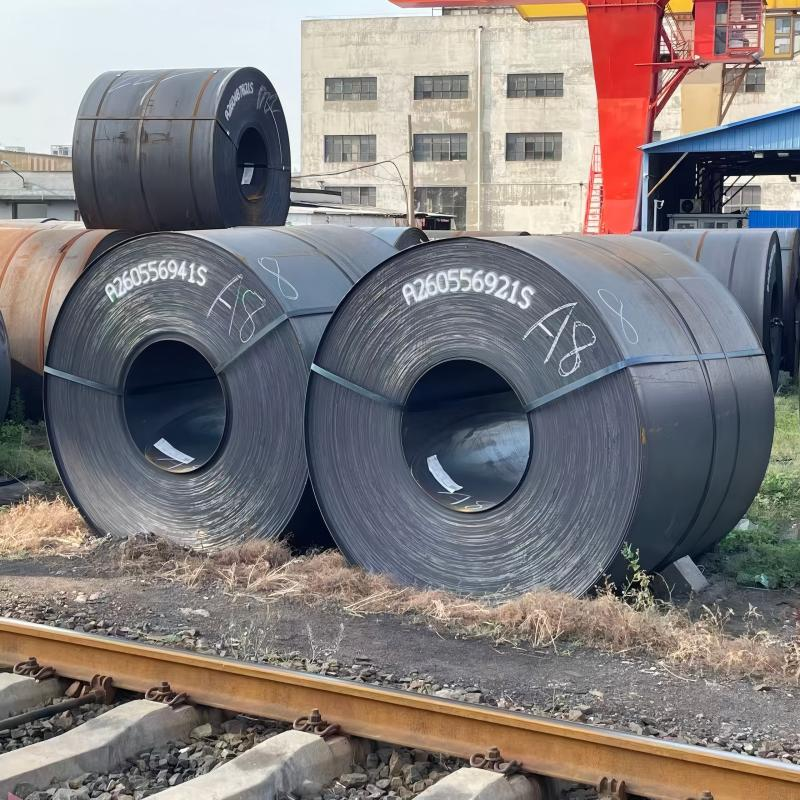
Walk through any industrial zone across Southeast Asia, the Middle East, or Africa, and the skyline tells a remarkably consistent story. Factory after factory, warehouse after warehouse, the dominant overhead profile is the familiar sinusoidal or trapezoidal wave pattern of prepainted metal. This is not driven by mere architectural fashion. Rather, it is the visible result of decades of optimization in industrial construction economics, where ppgi corrugated sheet has progressively displaced heavy concrete tiles, traditional clay variants, and bare metal roofs.
By combining lower installed costs per square meter, rapid construction speeds, and drastically reduced structural weight, modern metal profiling has become the standard benchmark. Having worked closely with industrial developers specifying roofing materials for facilities ranging from compact manufacturing units to massive 50,000-square-meter logistics hubs, the reasons why corrugated steel coil remains the preferred choice across global markets are clear.
A typical ppgi corrugated sheet featuring a 0.40 mm thickness and standard metallic coating weighs roughly 3.8 kilograms per square meter, including its multi-layer paint system. Compare this lightweight profile with heavy concrete roofing tiles at 55 kilograms per square meter, or traditional asbestos cement sheets at 15 kilograms per square meter.
This dramatic weight differential cascades through the structural engineering of the entire building. Lighter roof loads mean roof purlins can utilize thinner-gauge steel profiles, primary structural columns require smaller cross-sections, and foundation footings can be poured shallower. For a large industrial facility, substituting heavy materials with galvanized metal corrugated roofing sheets reduces total steel tonnage in the primary load-bearing structure by up to 25 percent. These structural savings often offset the entire material cost of the roofing upgrade itself.
Factory workers in tropical and subtropical regions know that the difference between a tolerable shift and an unproductive work environment often depends entirely on the roof. Unpainted metal sheets absorb and radiate solar energy aggressively, turning the indoor workspace into a convection oven.
By contrast, a high-quality factory roof PPGI installation utilizing a light-colored or specially formulated reflective topcoat can reduce exterior surface temperatures by up to 25 degrees Celsius under direct sunlight. Advanced corrugated steel coil product lines incorporate cool-roof pigment technologies that achieve high solar reflectance index values, helping facilities qualify for green building accreditations. Even standard white or light grey finishes on a ppgi corrugated sheet deliver noticeable indoor cooling, protecting temperature-sensitive machinery and boosting daily worker output.
The distinct wave geometry of an industrial roofing material is purely functional rather than decorative. Correlating depth with pitch creates a high section modulus that allows a thin steel profile to span significant distances without sagging.
A standard ppgi corrugated sheet fabricated from a 0.50 mm substrate can easily span over one meter between purlins under standard wind loads. This structural efficiency translates directly into fewer purlins per square meter, fewer fasteners required, and faster installation timelines. Furthermore, the sinusoidal or trapezoidal shape provides natural water channeling, directing heavy monsoon rainfall smoothly toward gutter systems without risking water ponding or leaks.
Industrial property developers operate under strict financing timelines where every single day of construction carries tangible interest costs. A trained installation crew can lay hundreds of square meters of galvanized metal corrugated roofing sheets in a single working day, far outpacing the slow installation rates of tiled roofs.
The installation system relies on self-drilling fasteners equipped with weather-tight washers, requiring only standard cordless drivers and basic edge alignment. A massive warehouse roof that might take weeks to seal with traditional materials can be enclosed in days. The moment the final fastener is driven, the building becomes completely weather-tight, allowing interior fit-outs to begin immediately.
A: A ppgi corrugated sheet features a factory-baked organic paint system applied over the metallic zinc coating, delivering immediate color options, superior UV defense, and enhanced corrosion resistance. Bare galvanized sheets lack this protective paint layer and are prone to dull oxidation over time.
A: For coastal zones exposed to airborne salt spray, specifiers should choose aluminum-zinc alloy substrates paired with durable PVDF or HDP topcoats. Under proper specifications, facilities can expect decades of service before major maintenance is required, whereas standard PE-coated sheets in severe marine zones may degrade prematurely.
A: Over-roofing is common in renovation projects, but it requires a thorough structural evaluation of existing purlins to verify weight capacity. A proper spacer and sub-framing grid must be installed to create a ventilated air gap, preventing moisture trapping between old and new layers.
Industry professionals seeking reliable material supply can rely on Jiuzhou, a trusted manufacturer delivering high-grade coils and customized metal profiles to support global industrial construction projects with dependable supply chain solutions.
2026/09/11
Learn how to specify precision cut GI coil sheets in custom lengths — tolerance selection, coating integrity, and ordering tips.
2026/09/11
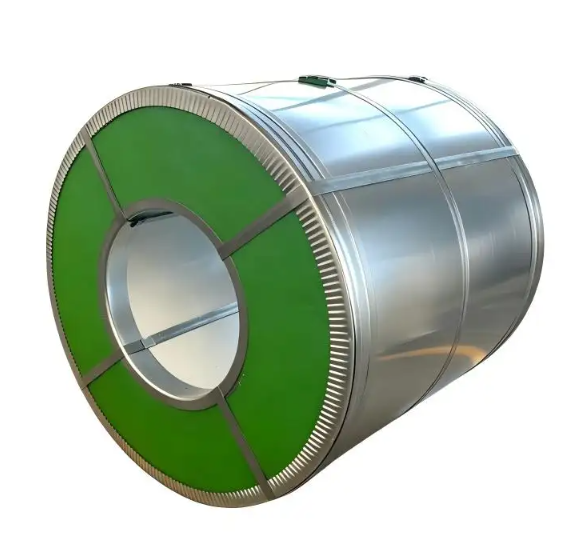
Learn why premium finish galvalume steel coil delivers better paint adhesion and visual consistency in finished building products. Request specs today.
2026/09/10
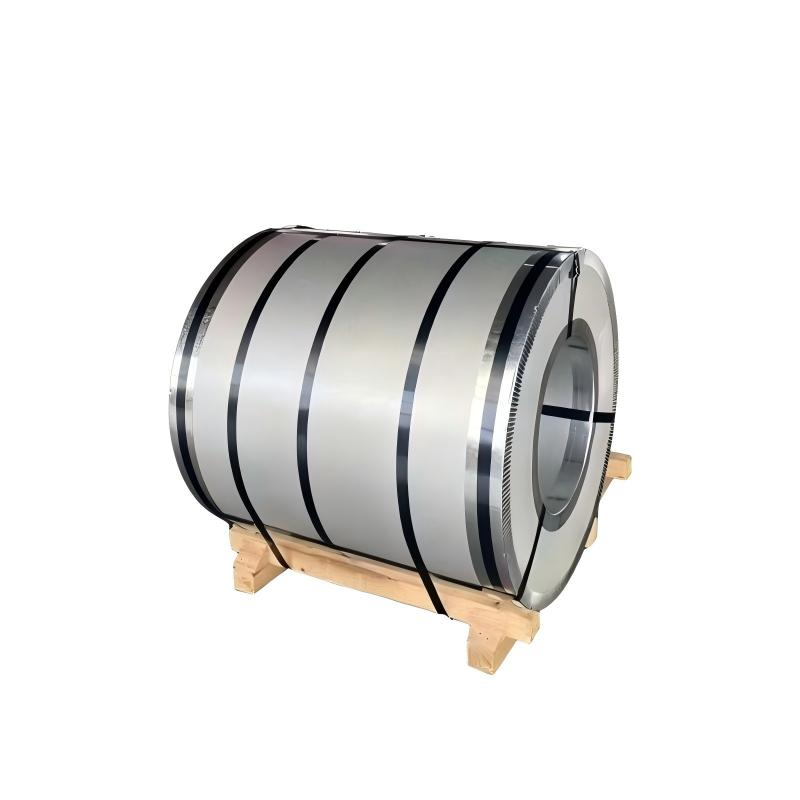
Learn why heavy coating galvalume steel coil provides superior corrosion resistance in harsh coastal settings and saves long-term maintenance costs.
2026/09/10
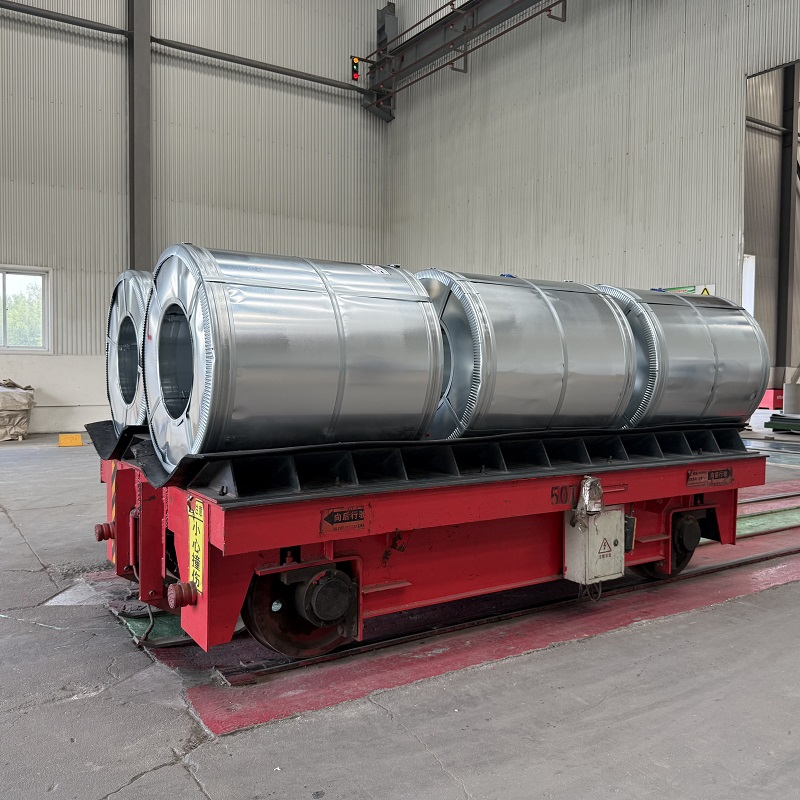
Learn how to test the bending performance of formable galvalume steel coil samples using T-bend testing to prevent cracking and scrap.
2026/09/10
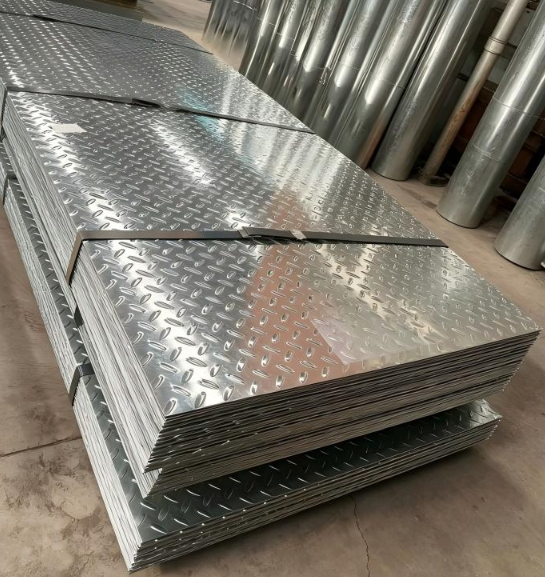
Discover how multi specification galvalume steel coil simplifies purchasing, boosts productivity, and lowers costs for metal fabricators.
2026/09/10
Discover why hot dipped galvanized steel and hot dip galvanized checkered plate offer ideal corrosion resistance and strength for road guardrails.
Covering green transformation, product comparison, selection guide, and industry empowerment, helping you fully grasp the dynamics of the color steel industry.

Global climate action and Belt and Road cooperation are driving the color steel industry’s shift toward green, sustainable development.

Comparing PPGI and PPGL across performance, durability, and applications to help you select the optimal coated steel for your project.
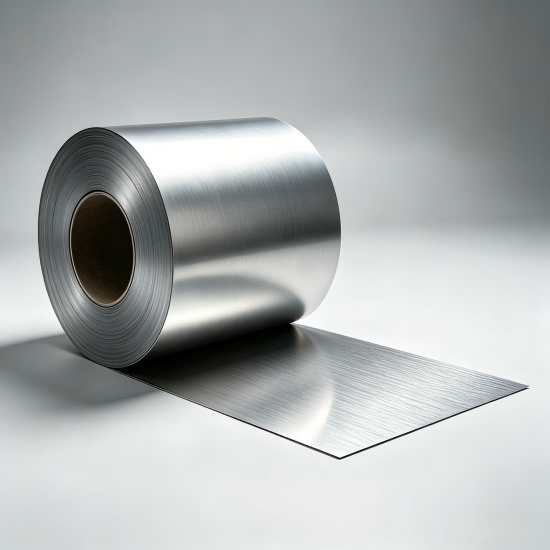
A practical guide to selecting and applying color steel coils, ensuring optimal performance, durability, and cost-effectiveness for your projects.
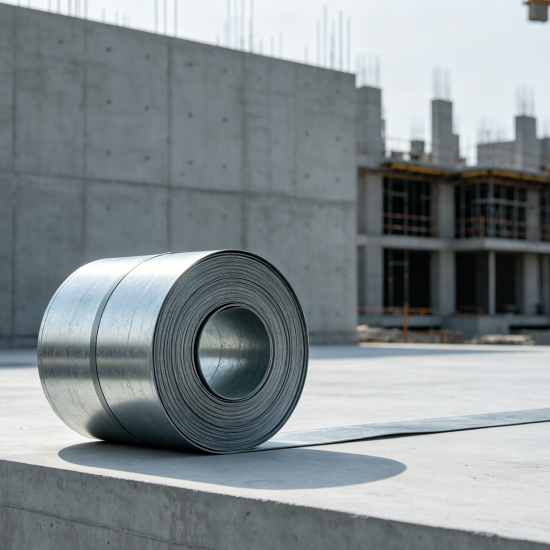
Industry forum drives digital and green transformation, empowering steel sector development through innovation and collaboration.