EN
EN

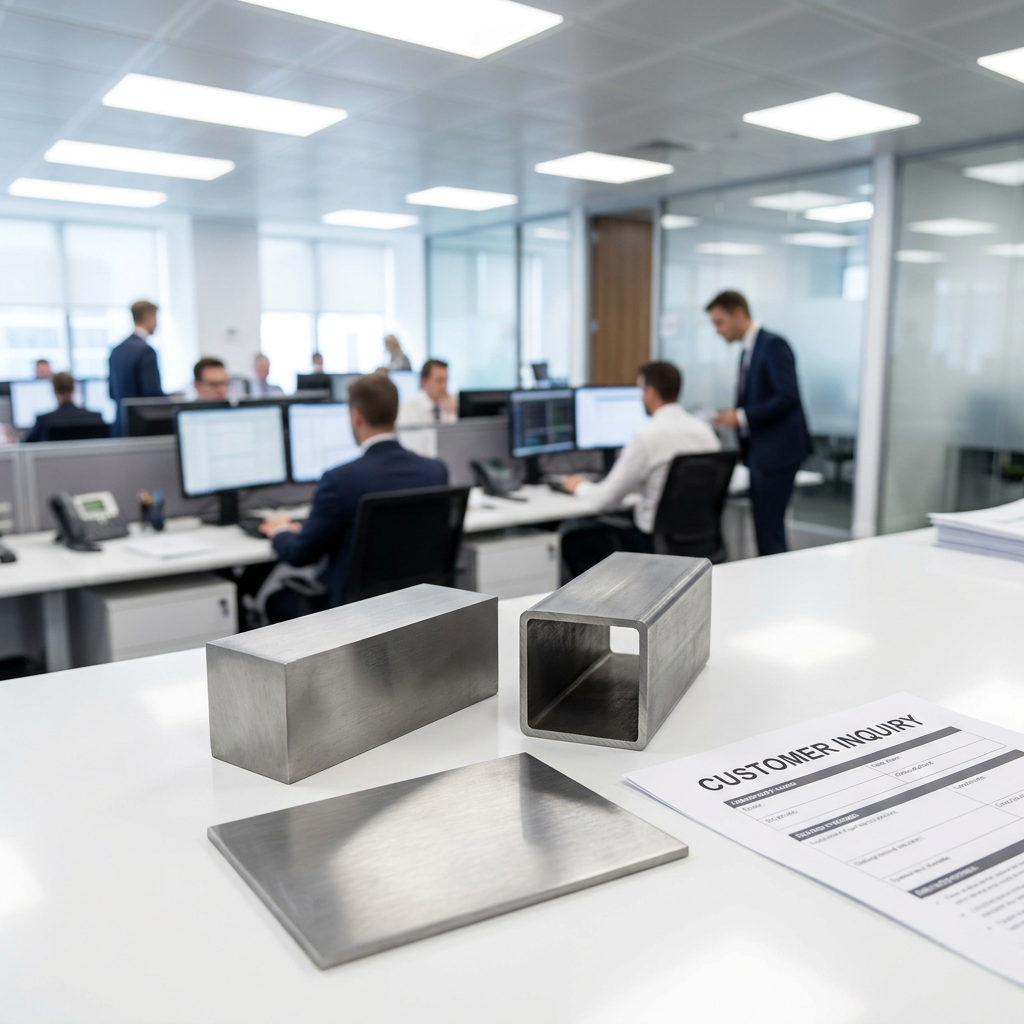
How to customize length size of precision cut GI coil finished sheets
2026/09/11
Learn how to specify precision cut GI coil sheets in custom lengths — tolerance selection, coating integrity, and ordering tips.
2026/07/31
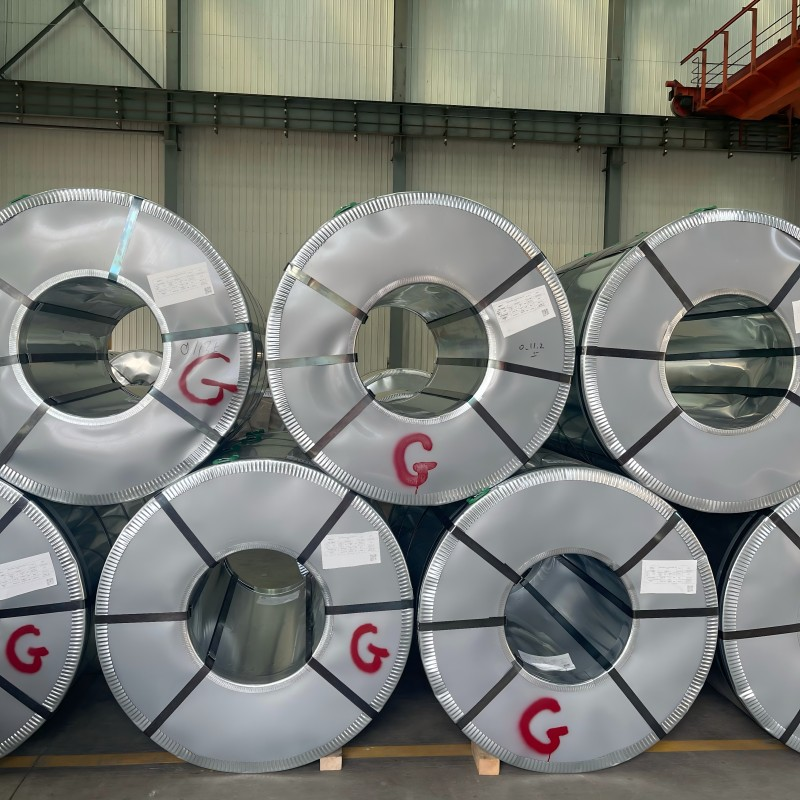
Over the past two decades, the global roofing industry has undergone a significant transformation. Clay tiles, concrete sheets, and bare galvanized steel are steadily being replaced by pre-painted galvanized steel in residential, commercial, and industrial roofing projects. The driving force behind this shift is not a single advantage but a convergence of performance, economic, and installation factors that make PPGI steel coil for roofing the most practical choice for modern construction. Having supplied prepainted roofing sheet coil to projects in Southeast Asia, the Middle East, and Africa, we have observed firsthand how this material solves the persistent challenges that plague traditional roofing systems: weight, corrosion, installation speed, and long-term maintenance costs.
The foundation of PPGI performance in roofing applications lies in the zinc layer. A prepainted roofing sheet coil starts with a hot-dip galvanized steel substrate where zinc coating weight typically ranges from Z60 to Z275, equivalent to 60 to 275 grams of zinc per square meter on both sides. This zinc layer provides sacrificial cathodic protection. When the coating is scratched or cut during installation, the surrounding zinc corrodes preferentially, protecting the exposed steel from rust formation. For roofing in standard inland environments, a Z120 to Z180 coating offers adequate protection for 15 to 25 years of service life. In coastal or industrial zones with elevated atmospheric corrosivity, buyers typically specify Z275 or transition to a galvalume substrate for extended durability. The prepainted layer adds a second barrier. Modern polyester, SMP, HDP, and PVDF topcoats, applied at 15 to 25 microns dry film thickness over a 5 to 10 micron primer, seal the zinc surface from direct atmospheric exposure, dramatically slowing the zinc consumption rate.
Metal roofing made from PPGI steel coil for roofing offers measurable thermal advantages over darker traditional materials. Light-colored prepainted roofing sheet coil surfaces, particularly those in white or near-white RAL shades, reflect a significant portion of solar radiation rather than absorbing it. This solar reflectance index reduces the roof surface temperature by 15 to 30 degrees Celsius compared to dark asphalt or concrete tile roofs under the same sun exposure. For warehouse, factory, and commercial buildings in tropical and subtropical regions, this translates directly into lower cooling energy consumption. In practical terms, building owners in markets like Thailand, Vietnam, and the UAE have reported air conditioning load reductions of 10 to 20 percent after switching from dark roofing materials to light-colored PPGI roofing. The galvalume-based prepainted roofing sheet coil variants provide additional thermal benefits because the aluminum-zinc alloy substrate itself has inherently higher thermal reflectivity than pure zinc coatings.
Weight is a critical factor in roofing system design. Traditional clay tiles typically weigh 40 to 60 kilograms per square meter, while concrete roof tiles can exceed 70 kilograms per square meter. In contrast, a 0.40mm thick PPGI steel coil for roofing, formed into a trapezoidal or corrugated profile, weighs approximately 3.5 to 5 kilograms per square meter. This 10-to-1 weight differential has profound implications for building design and construction economics. A lighter roof means smaller structural steel sections, reduced foundation loads, and ultimately lower total building cost. It also means faster installation. A crew of four can install 100 to 150 square meters of PPGI metal roofing per day, compared to 30 to 50 square meters for tiles. For large-scale projects like logistics warehouses, factory buildings, and agricultural facilities, this installation speed advantage can shorten the overall construction timeline by several weeks. Additionally, lighter roofing materials are easier and safer to transport and handle on elevated work platforms.
One of the most underappreciated advantages of PPGI steel coil for roofing is the sheer range of design possibilities it unlocks. Prepainted roofing sheet coil is available in the full RAL color spectrum, allowing architects to match corporate branding, complement surrounding landscapes, or meet local building code requirements for aesthetic consistency. Beyond color, PPGI can be roll-formed into dozens of profile shapes ranging from classic corrugated and trapezoidal profiles to standing seam, tile-effect, and wave patterns. The coating itself can be specified in various gloss levels from matte 25 percent to high-gloss 70 percent or above. Embossed textures simulating wood grain, stone, or fabric patterns are also available through in-line embossing during the coating process. This combination of color, profile, texture, and gloss gives designers a palette that traditional roofing materials simply cannot match, all while maintaining the structural and protective properties of steel.
When procurement managers evaluate roofing materials solely on the initial per-square-meter price, PPGI steel coil for roofing sometimes appears more expensive than basic galvanized sheets or economy-grade tiles. However, a lifecycle cost analysis tells a very different story. Consider a typical 1,000 square meter industrial warehouse roof over a 20-year service period. Bare galvanized sheets at a lower upfront cost will require repainting every 5 to 7 years, with each repainting cycle costing roughly 40 to 60 percent of the original material cost when factoring in surface preparation, paint, labor, and equipment rental. Over 20 years, the total cost of ownership for galvanized roofing often exceeds that of PPGI by 30 to 50 percent. PPGI roofing, with its factory-applied and oven-cured coating, typically requires only periodic washing to maintain its appearance and protective function. The coating is chemically cross-linked during high-temperature curing, creating a bond that field-applied paints cannot replicate. This baked-on durability is what makes prepainted roofing sheet coil the economically rational choice for building owners who calculate costs over the full asset lifecycle rather than just the initial purchase.
A practical example illustrates these advantages in action. A 15,000 square meter logistics center in Malaysia required roofing material that could withstand the region’s combination of intense UV radiation, high humidity, and frequent heavy rainfall. After evaluating multiple options, the project team selected 0.45mm PPGI steel coil for roofing with an AZ150 galvalume substrate and HDP coating in RAL 9002 grey-white. The light color was chosen specifically to reduce solar heat gain inside the non-air-conditioned warehouse. The galvalume substrate was specified for its superior cut-edge corrosion resistance in the humid tropical environment. The entire roofing system, including all flashings, gutters, and downpipes, was fabricated from the same prepainted roofing sheet coil to ensure color consistency across all visible elements. The 15,000 square meter roof was installed by a crew of 12 workers in 18 working days. Two years after installation, the roof shows no visible fading, chalking, or corrosion, and the building owner reports noticeably lower internal temperatures compared to a neighboring facility with dark metal roofing.
Not all PPGI steel coil for roofing performs equally. Key specifications buyers should verify before ordering include substrate type (GI or GL depending on environmental corrosivity), zinc or aluminum-zinc coating weight (Z60/AZ70 to Z275/AZ150), topcoat chemistry (PE for mild inland to PVDF for aggressive coastal or industrial), topcoat dry film thickness (15 to 25 microns), and back coat specification (single coat of epoxy or polyester at 5 to 10 microns). The mechanical properties of the base steel also matter: structural roofing profiles require steel with yield strengths of 300 to 550 MPa, while decorative profiles can use softer grades. Buyers should also confirm that the supplier can provide relevant test certifications including salt spray test results, QUV accelerated weathering data, T-bend adhesion test reports, and impact resistance test documentation. These documents provide objective evidence that the prepainted roofing sheet coil will perform as expected in the intended service environment. For reliable supply of PPGI steel coil for roofing, Shenyang Yuanhe Steel maintains over 10,000 metric tons of persistent inventory and provides in-house processing services including slitting, cutting, and flattening to support construction projects across Southeast Asia, the Middle East, Central Asia, Africa, and South America.
2026/09/11
Learn how to specify precision cut GI coil sheets in custom lengths — tolerance selection, coating integrity, and ordering tips.
2026/09/11
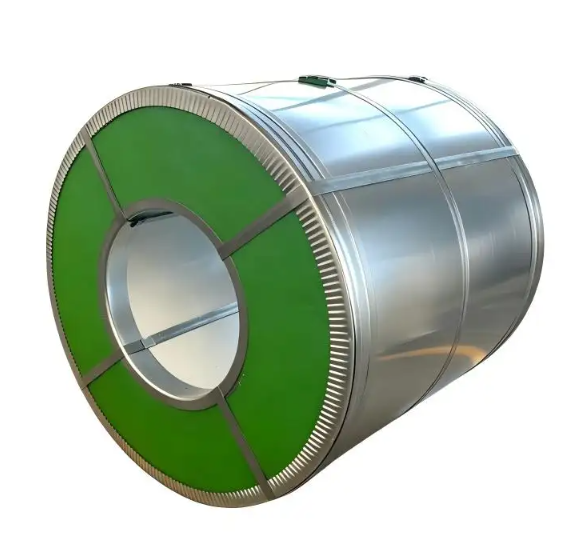
Learn why premium finish galvalume steel coil delivers better paint adhesion and visual consistency in finished building products. Request specs today.
2026/09/10
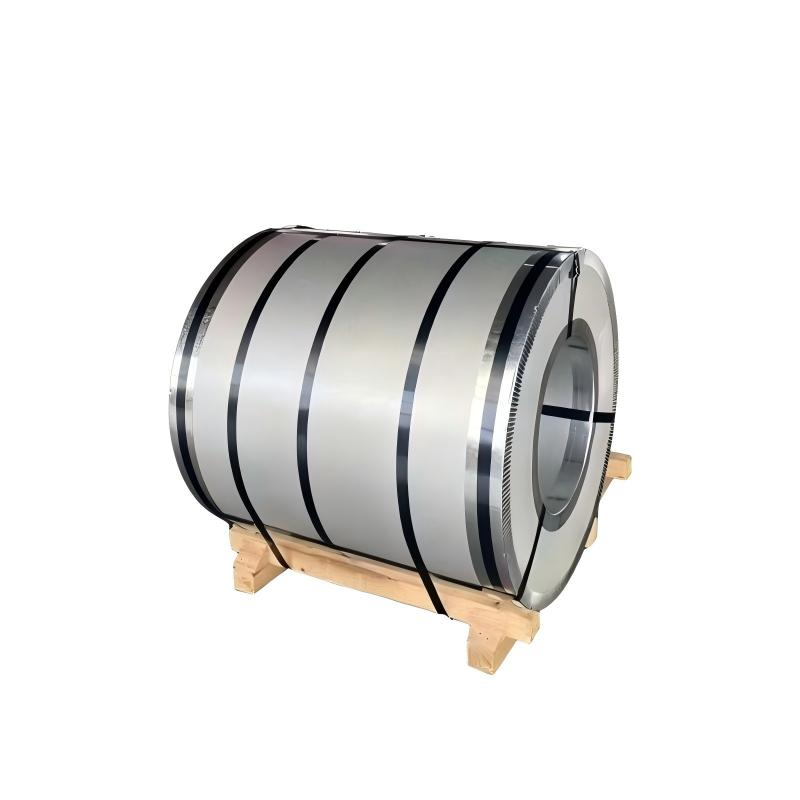
Learn why heavy coating galvalume steel coil provides superior corrosion resistance in harsh coastal settings and saves long-term maintenance costs.
2026/09/10
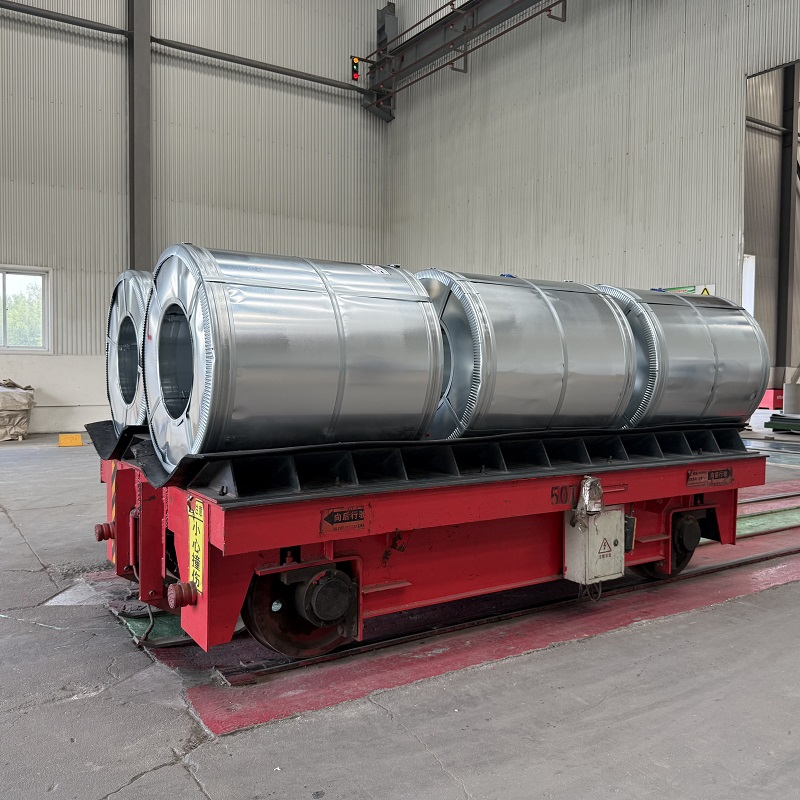
Learn how to test the bending performance of formable galvalume steel coil samples using T-bend testing to prevent cracking and scrap.
2026/09/10
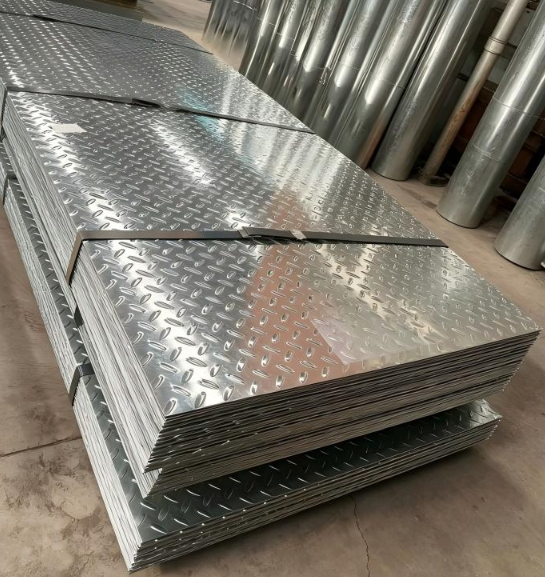
Discover how multi specification galvalume steel coil simplifies purchasing, boosts productivity, and lowers costs for metal fabricators.
2026/09/10
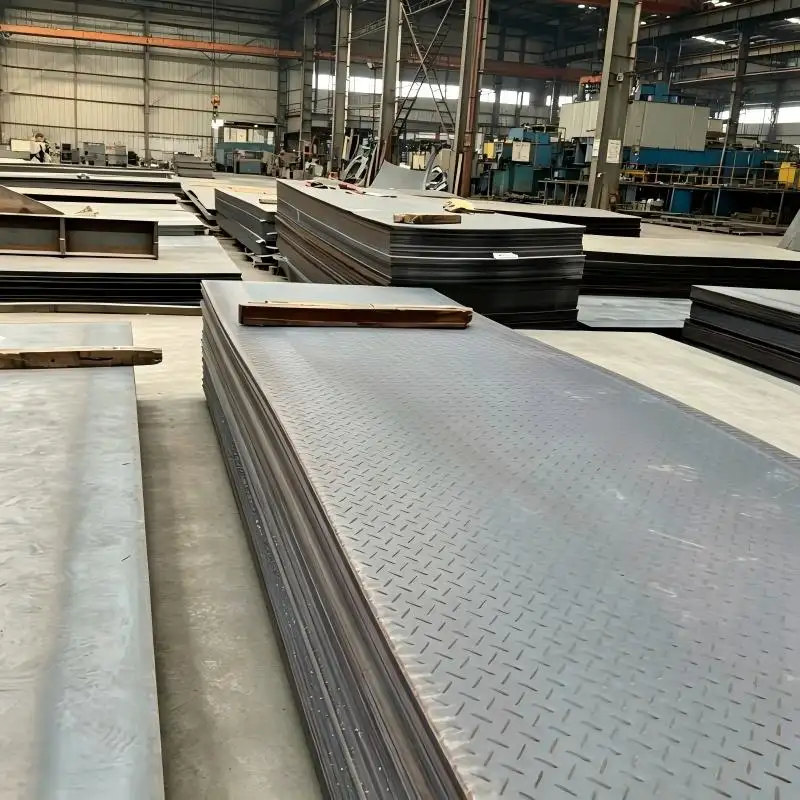
Discover why hot dipped galvanized steel and hot dip galvanized checkered plate offer ideal corrosion resistance and strength for road guardrails.
Covering green transformation, product comparison, selection guide, and industry empowerment, helping you fully grasp the dynamics of the color steel industry.

Global climate action and Belt and Road cooperation are driving the color steel industry’s shift toward green, sustainable development.

Comparing PPGI and PPGL across performance, durability, and applications to help you select the optimal coated steel for your project.
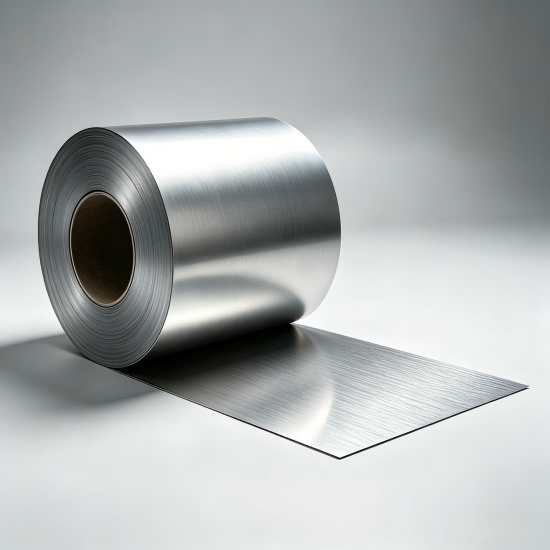
A practical guide to selecting and applying color steel coils, ensuring optimal performance, durability, and cost-effectiveness for your projects.
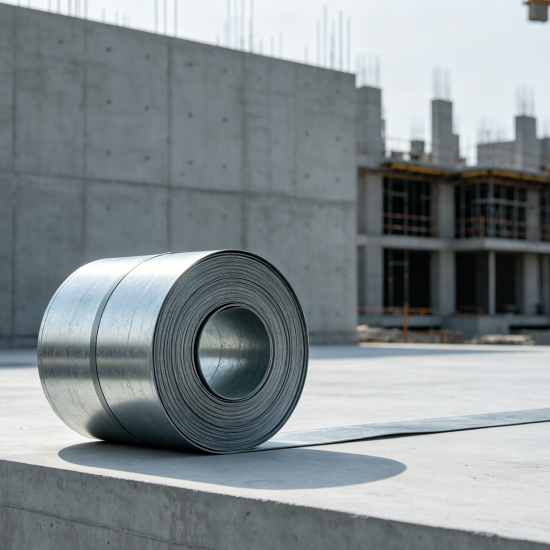
Industry forum drives digital and green transformation, empowering steel sector development through innovation and collaboration.