EN
EN

How to customize length size of precision cut GI coil finished sheets
2026/09/11
Learn how to specify precision cut GI coil sheets in custom lengths — tolerance selection, coating integrity, and ordering tips.
2026/08/10
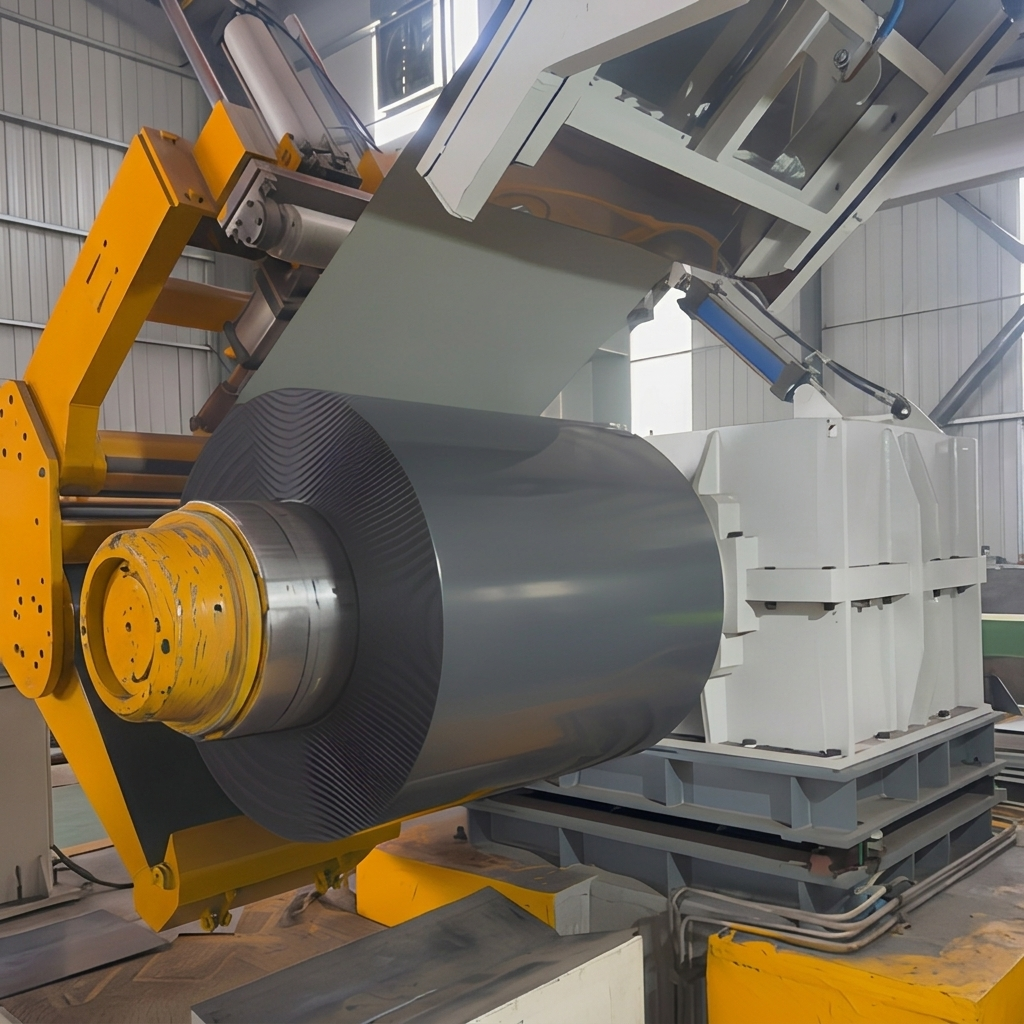
Thin gauge PPGL coil represents one of the most technically demanding materials in modern steel processing. When fabricators work with thin gauge PPGL materials below 0.4 mm, the combination of the metallic coating and paint layer creates a substrate that responds acutely to mechanical stress. The underlying galvalume steel coil substrate contains approximately 55 percent aluminum, 43.5 percent zinc, and 1.5 percent silicon, giving the metal its characteristic balance of corrosion resistance and formability. However, this composition makes thin gauge PPGL susceptible to surface damage when processing equipment generates excessive vibration or noise, because acoustic energy directly translates into mechanical micro-impacts on the painted surface.
Practical workshop environments show that processing PPGL coil under high noise conditions—typically exceeding 85 decibels at the cutting point—results in a 12 to 18 percent increase in surface micro-scratches compared to a standard galvalume steel coil processed at noise levels below 72 decibels. This direct correlation between noise levels and surface quality has pushed leading manufacturers to invest in advanced low noise coil processing techniques. Ensuring coating integrity is vital for end-product performance and customer acceptance during complex PPGL fabrication workflows.
The primary noise sources in PPGL coil fabrication lines originate from three distinct stages: uncoiling, slitting, and cut-to-length operations. During uncoiling, the sudden release of tension in a galvalume steel coil strip generates impact noise that can reach 90 decibels or higher, particularly when the inner diameter does not match mandrel specifications. Slitting operations produce continuous high-frequency noise from rotary blades contacting the PPGL coil surface, with noise levels directly proportional to blade sharpness and cutting speed.
Cut-to-length operations represent the most significant noise contributor in thin gauge PPGL processing. When the shearing blade contacts the metal, the sudden release of shear energy produces a sharp acoustic impulse that sends shock waves through the galvalume steel coil substrate. These shock waves can cause localized paint delamination at the cut edge, particularly when the paint system has not fully cured. Understanding these acoustic mechanisms allows technicians to implement targeted mitigation strategies that protect worker hearing and maintain PPGL coil surface quality.
Implementing low noise processing for thin gauge PPGL requires a systematic approach across multiple equipment stations. The first technique involves upgrading uncoiler systems with hydraulic tension control that gradually releases the PPGL coil material, reducing impact noise by 15 to 20 decibels compared to mechanical brake systems. This upgrade is particularly important for a galvalume steel coil with thicknesses below 0.35 mm, where sudden tension changes can cause telescoping and edge damage.
For slitting operations, noise reduction centers on blade geometry optimization. Tungsten carbide slitting knives with optimized rake angles—typically 28 to 32 degrees for a PPGL coil—reduce cutting noise by 18 to 25 percent while extending blade life by up to 40 percent. Additionally, installing acoustic dampening enclosures around slitting stations can reduce ambient noise by 12 to 15 decibels, creating a safer and more controlled environment for thin gauge PPGL operations. The investment in these enclosures typically pays back quickly through reduced PPGL fabrication rejection rates and improved worker productivity.
| Processing Method | Noise Level (dB) | Surface Defect Rate (%) | Recommended for Thin Gauge |
| Standard Mechanical Uncoiling | 88-95 | 12-18 | No |
| Hydraulic Tension Uncoiling | 68-75 | 3-5 | Yes |
| Standard Rotary Slitting | 82-90 | 8-12 | Limited |
| Optimized Carbide Slitting | 65-72 | 2-4 | Yes |
| Standard Shearing | 85-92 | 10-15 | No |
| Progressive Shearing | 70-78 | 3-6 | Yes |
In a recent project involving the fabrication of 0.3 mm PPGL coil for appliance housing panels, a processing facility implemented a comprehensive low noise strategy across its production line. The project required 45 tons of thin gauge PPGL substrate with a customized RAL 9003 white polyester coating. Initial trials using standard processing equipment produced surface defects on 14 percent of the PPGL coil output, primarily in the form of micro-scratches visible under angled lighting inspection.
After retrofitting the uncoiler with hydraulic tension control and replacing standard slitting blades with optimized tungsten carbide knives, the facility reduced processing noise from 89 decibels to 71 decibels at the operator position. More importantly, the PPGL coil surface defect rate dropped to 3.2 percent, representing a major improvement in first-pass yield during PPGL fabrication. The galvalume steel coil substrate showed no edge cracking or paint delamination, and the final appliance panels passed all customer inspection criteria on the first submission. This case demonstrates that low noise coil processing is not merely an occupational health consideration but a direct quality driver.
Fabricators seeking to optimize their PPGL coil processing for lower noise should follow a structured adjustment protocol. First, conduct a baseline noise audit using calibrated decibel meters positioned at operator stations during normal thin gauge PPGL processing runs. Record noise levels at each stage—uncoiling, slitting, shearing, and stacking—to identify the highest-impact intervention points. Second, prioritize upgrades that address both noise and surface quality simultaneously, such as hydraulic tension control systems and optimized blade geometries.
Third, implement a regular blade inspection and replacement schedule for all PPGL coil cutting equipment. Dull blades not only increase noise by 8 to 12 decibels but also generate burrs and edge defects on every galvalume steel coil product. Fourth, consider installing vibration isolation pads beneath processing equipment, which can reduce transmitted noise by 5 to 8 decibels while also improving cut length accuracy. These adjustments create an optimized environment for advanced PPGL fabrication while meeting workplace noise regulations across different market regions.
When sourcing premium steel materials, partnering with experienced industry manufacturers makes a substantial difference. Shenyang Yuanhe maintains professional flattening, slitting, and cutting workshops equipped with modern machinery to ensure strict quality control. Their advanced manufacturing infrastructure consistently delivers lower processing noise levels and superior surface quality on every PPGL coil and galvalume steel coil shipment, perfectly supporting complex global supply chain requirements.
2026/09/11
Learn how to specify precision cut GI coil sheets in custom lengths — tolerance selection, coating integrity, and ordering tips.
2026/09/11
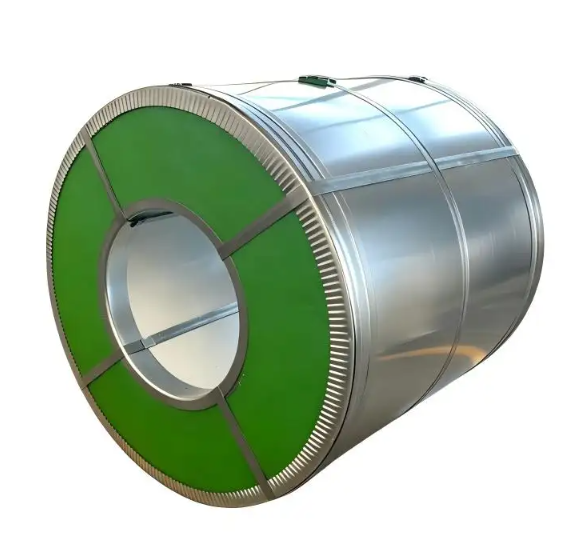
Learn why premium finish galvalume steel coil delivers better paint adhesion and visual consistency in finished building products. Request specs today.
2026/09/10
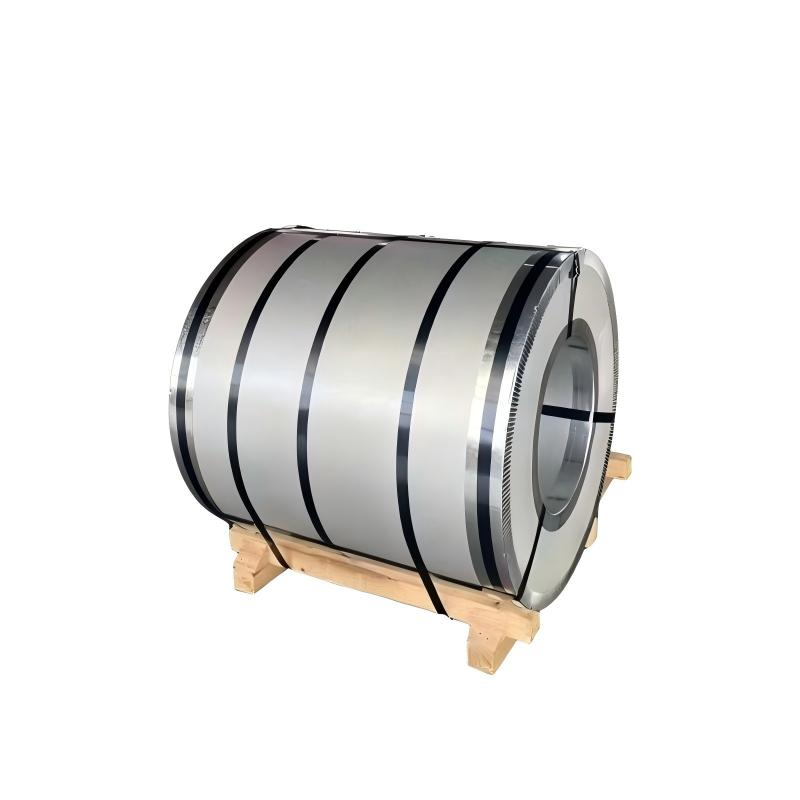
Learn why heavy coating galvalume steel coil provides superior corrosion resistance in harsh coastal settings and saves long-term maintenance costs.
2026/09/10
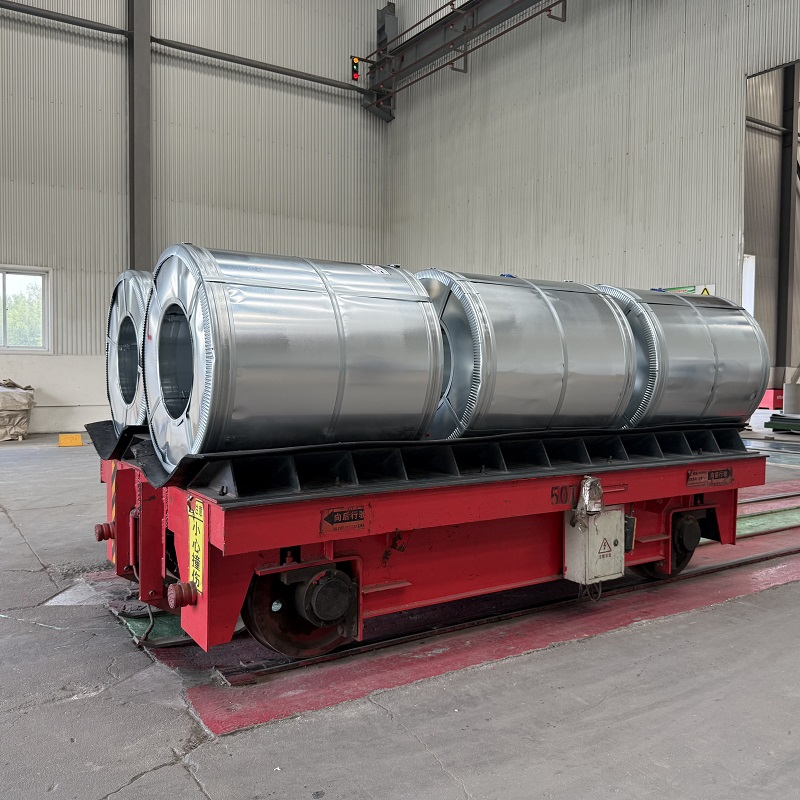
Learn how to test the bending performance of formable galvalume steel coil samples using T-bend testing to prevent cracking and scrap.
2026/09/10
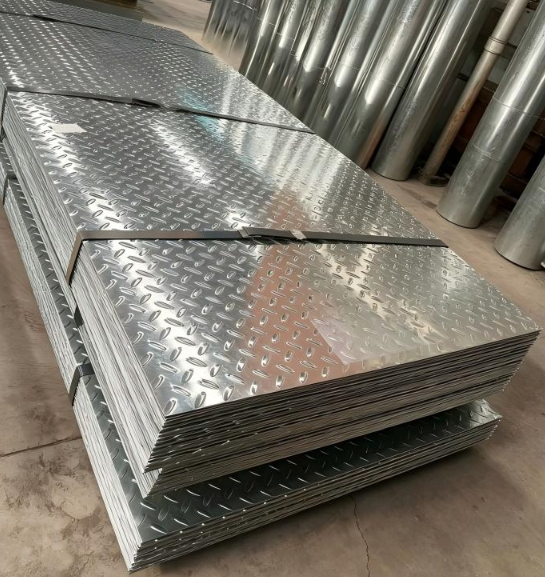
Discover how multi specification galvalume steel coil simplifies purchasing, boosts productivity, and lowers costs for metal fabricators.
2026/09/10
Discover why hot dipped galvanized steel and hot dip galvanized checkered plate offer ideal corrosion resistance and strength for road guardrails.
Covering green transformation, product comparison, selection guide, and industry empowerment, helping you fully grasp the dynamics of the color steel industry.

Global climate action and Belt and Road cooperation are driving the color steel industry’s shift toward green, sustainable development.

Comparing PPGI and PPGL across performance, durability, and applications to help you select the optimal coated steel for your project.
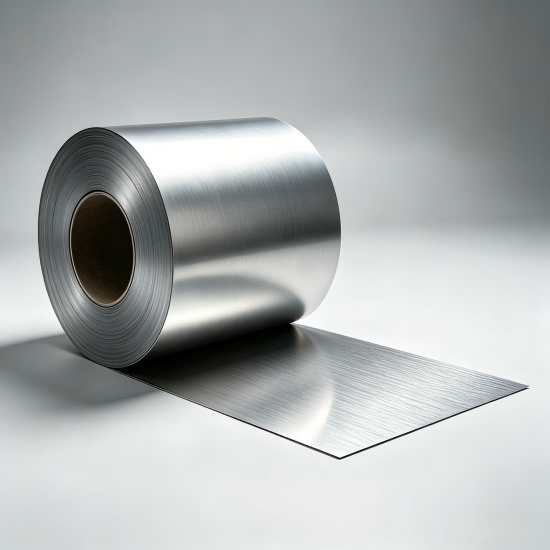
A practical guide to selecting and applying color steel coils, ensuring optimal performance, durability, and cost-effectiveness for your projects.
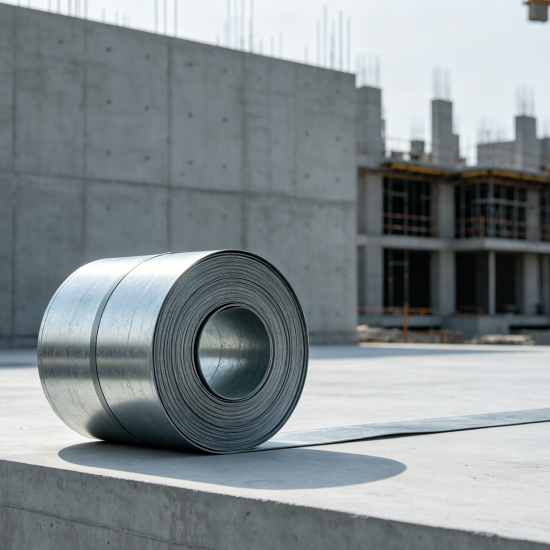
Industry forum drives digital and green transformation, empowering steel sector development through innovation and collaboration.