EN
EN

How to customize length size of precision cut GI coil finished sheets
2026/09/11
Learn how to specify precision cut GI coil sheets in custom lengths — tolerance selection, coating integrity, and ordering tips.
2026/08/18
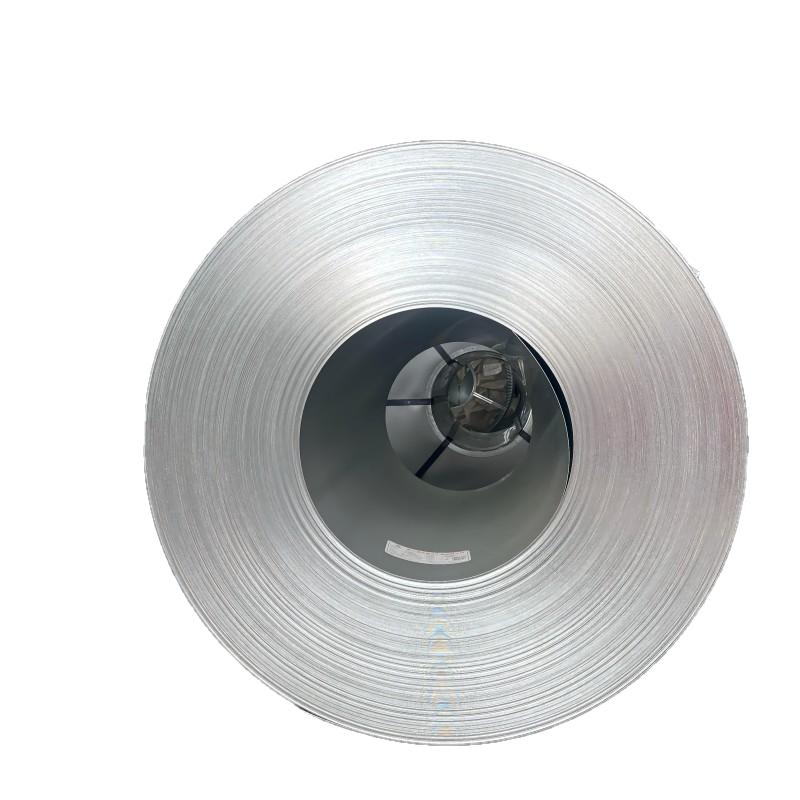
International construction projects demand building materials that can handle tough weather, heavy structural loads, and strict regional safety regulations. When sourcing materials for large-scale roofing, exterior wall cladding, or commercial framing, buyers need guaranteed performance rather than empty claims. This is where prepainted galvanized steel coil proves its value on the global stage.
Combining the cathodic rust protection of a zinc coating with the weather-resistant barrier of specialized paint systems, prepainted galvanized steel coil serves as a workhorse across global construction sites. However, simply using prepainted steel is not enough for international structural engineers or government procurement teams. Sourcing material backed by ISO certification provides verifiable assurance that manufacturing controls, coating thickness, mechanical performance, and paint durability comply with internationally recognized benchmarks.
By taking a closer look at how ISO quality management aligns with major international engineering standards—including ASTM, EN, JIS, and GB—it becomes clear why certified steel coils remain the preferred choice for structural integrity worldwide.
ISO certification acts as an overarching quality framework that governs every stage of modern coil manufacturing. Standard quality systems like ISO 9001 demand comprehensive, documented procedures for raw material sourcing, molten steel refining, cold rolling, hot-dip galvanizing, organic coating application, and final packaging. When procurement managers source prepainted galvanized steel coil from an ISO-certified facility, every single coil arrives with full batch traceability and verifiable lab test reports.
Maintaining ISO accreditation requires far more than a one-time factory inspection. Accredited manufacturers undergo rigorous annual surveillance audits to evaluate quality logs, calibration records, defect-tracking mechanisms, and customer feedback resolution. For global buyers purchasing ISO certified gi coil substrates, these ongoing third-party checks ensure that the material delivered next year matches the exact physical and chemical specifications of the sample tested today.
Consistent quality control eliminates structural surprises on site. This consistency allows architects and engineers to calculate precise load dynamics, corrosion allowances, and thermal expansion properties without worrying about lot-to-lot material deviations.
In North America and many Latin American markets, structural steel specifications center heavily on standards set by ASTM International. The fundamental substrate performance for galvanized sheet relies on ASTM A653, which regulates hot-dip zinc-coated steel. Before any topcoat or primer reaches the metal, the base substrate must meet strict yield strength, tensile strength, and zinc coating weight requirements ranging from light commercial coatings up to heavy-duty protective layers.
When moving from bare metal to painted products, prepainted galvanized steel coil must fulfill the performance criteria outlined in ASTM A755. This standard dictates testing routines for the complete coil-coated system, evaluating key factors like paint film hardness, T-bend flexibility, impact resistance, and long-term color retention against intense ultraviolet exposure.
To ensure complete compliance with ASTM steel standards, certified mills test every production run for paint adhesion using cross-hatch tape tests and solvent rub resistance tests. Because ISO quality systems require strict record-keeping, buyers can easily cross-reference mill test reports with ASTM steel standards to confirm that both the structural steel substrate and the organic topcoat will survive demanding field conditions.
Additionally, using an ISO certified gi coil as the base material guarantees that the zinc layer offers uniform coverage without surface imperfections or bare spots. This smooth, defect-free substrate allows the organic paint layers to bond tightly, preventing moisture from creeping beneath the paint layer and causing early blistering or delamination.
Contractors and engineering firms working across Europe must satisfy stringent European Norms (EN) before materials receive clearance for structural installations. The cornerstone specification for continuously hot-dip coated steel flat products is EN 10346. This standard outlines precise mechanical property classes, surface quality categories, and minimum coating mass requirements for structural steel applications. Achieving full EN 10346 steel coil compliance remains mandatory for structural components operating within regulated European markets.
To satisfy aesthetic, environmental, and corrosion standards, the painted layer of the steel coil must also align with EN 10169. This benchmark classifies organic-coated steel sheet based on its intended operating environment, ranging from mild indoor environments to harsh outdoor coastal zones with high humidity and salt exposure.
Steel manufacturers focused on international distribution maintain dual-compliance quality systems that satisfy both ISO operational standards and EN product rules. This smooth integration simplifies the process of securing CE marking and Declaration of Performance documentation. When purchasing prepainted galvanized steel coil or an underlying ISO certified gi coil designed to meet EN 10346 steel coil parameters, site managers gain complete confidence that the material will pass regional building control inspections without delays.
Japanese Industrial Standards set the quality benchmark across many Asian, Middle Eastern, and African construction markets. In these regions, JIS G3302 governs hot-dip zinc-coated steel sheet, while JIS G3312 covers prepainted steel sheet. Together, these standards establish tough criteria for coating mass, surface smoothness, and formability.
Under JIS G3312, prepainted galvanized steel coil must undergo strict testing for pencil hardness, boiling water resistance, chemical exposure, and artificial weathering. Substrates categorized under common grades like SGCC for commercial forming, or higher-strength structural grades like SGC340, must maintain tight mechanical tolerances to prevent cracking during roll-forming processes.
For project owners sourcing an ISO certified gi coil, matching JIS guidelines ensures that the raw steel responds predictably during bending, punching, and profiling. ISO-certified production lines carefully track furnace temperatures, strip speed, and chemical treatment baths, allowing high-grade prepainted galvanized steel coil to maintain uniform paint thickness along both the edge and center of the strip.
Chinese GB standards represent another major benchmark for regional and international infrastructure projects. Standards like GB/T 2518 define requirements for continuous hot-dip galvanized steel sheet, while GB/T 12754 addresses prepainted steel sheet intended for exterior building applications. These codes set explicit rules regarding dimensional tolerances, coat adhesion strength, and environmental durability.
Integrated manufacturing operations, such as Shenyang Yuanhe Steel, regularly produce prepainted galvanized steel coil that meets both local GB standards and foreign specifications like ASTM steel standards or EN 10346 steel coil criteria simultaneously. Maintaining an ISO-certified production system enables flexible manufacturing runs that adapt to multi-standard project requirements without sacrificing product consistency or quality control.
A practical example of multi-standard material integration can be seen in a major commercial development in Dubai requiring over 40,000 square meters of standing seam roofing and wall cladding. The design specification called for a high-durability prepainted galvanized steel coil capable of enduring coastal humidity, extreme ambient heat, and intense sunlight.
To satisfy all engineering demands, the material specification required a DX51D+Z galvanized substrate complying with EN 10346 steel coil requirements, a Z275 heavy zinc coating weight, and a 25-micron exterior polyester coating engineered to meet ASTM A755 performance standards.
By leveraging versatile production setups and raw material networks, Shenyang Yuanhe Steel supplied fully certified prepainted galvanized steel coil that met all required ASTM, EN, and ISO testing criteria. Comprehensive mill test certificates accompanied every shipment lot, allowing third-party inspectors to quickly clear the material for profiling into roof sheets and cladding panels.
How does ISO certification impact long-term material performance?
ISO certification ensures that a steel mill operates under strict, repeatable quality control procedures. For products like prepainted galvanized steel coil and ISO certified gi coil, this guarantees that paint adhesion, zinc thickness, base metal strength, and chemical pre-treatments are tracked and verified across every single coil, reducing the risk of premature coating failure or rust.
Can a single steel coil meet multiple global standards at the same time?
Yes, advanced mills routinely produce prepainted galvanized steel coil engineered to satisfy several standards simultaneously. Because ASTM steel standards, EN 10346 steel coil guidelines, JIS codes, and GB requirements share common core metrics for coating weights and structural strength, a single batch of steel can be produced to satisfy all these benchmarks at once.
What documentation should be requested to verify material compliance?
Buyers should request a complete Mill Test Certificate (MTC) for every shipment lot. An MTC provided by an ISO-certified manufacturer like Shenyang Yuanhe Steel outlines chemical heat analysis, yield and tensile strength, elongation percentages, exact zinc coating mass, and paint coating thickness, giving engineers full proof that the steel matches job specifications.
2026/09/11
Learn how to specify precision cut GI coil sheets in custom lengths — tolerance selection, coating integrity, and ordering tips.
2026/09/11
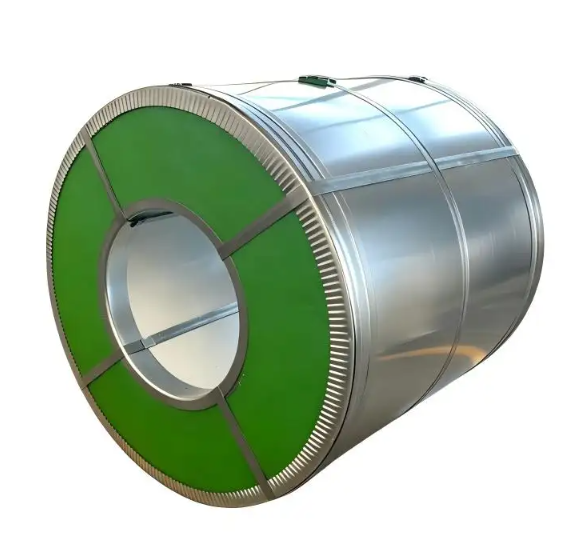
Learn why premium finish galvalume steel coil delivers better paint adhesion and visual consistency in finished building products. Request specs today.
2026/09/10
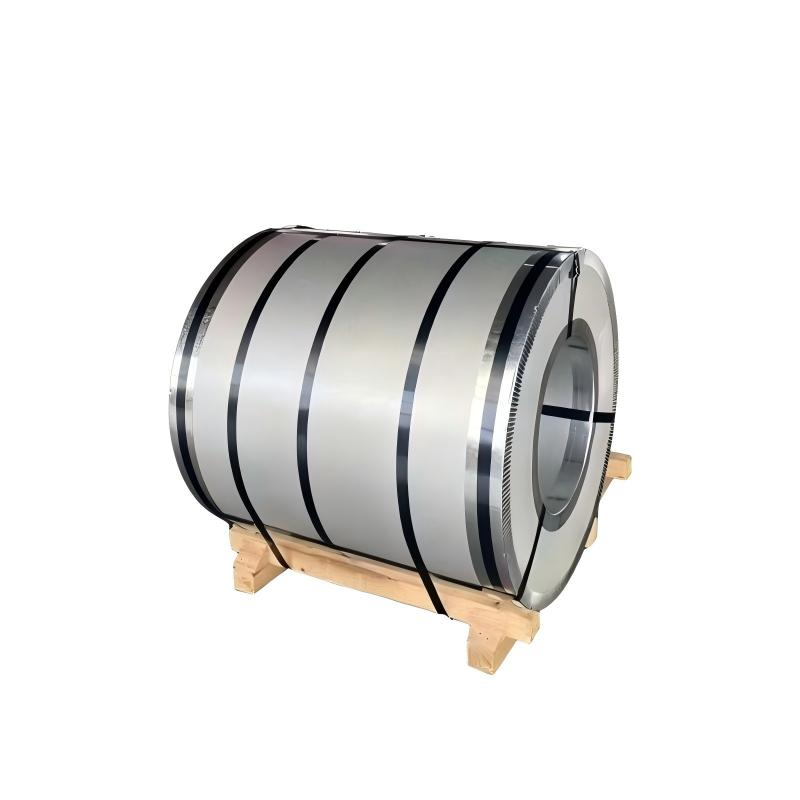
Learn why heavy coating galvalume steel coil provides superior corrosion resistance in harsh coastal settings and saves long-term maintenance costs.
2026/09/10
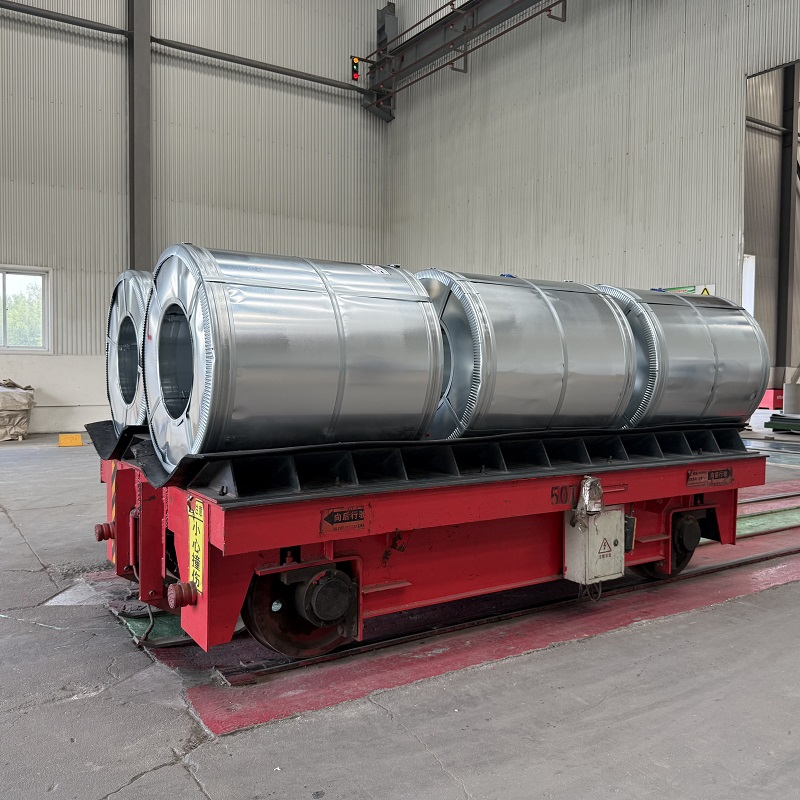
Learn how to test the bending performance of formable galvalume steel coil samples using T-bend testing to prevent cracking and scrap.
2026/09/10
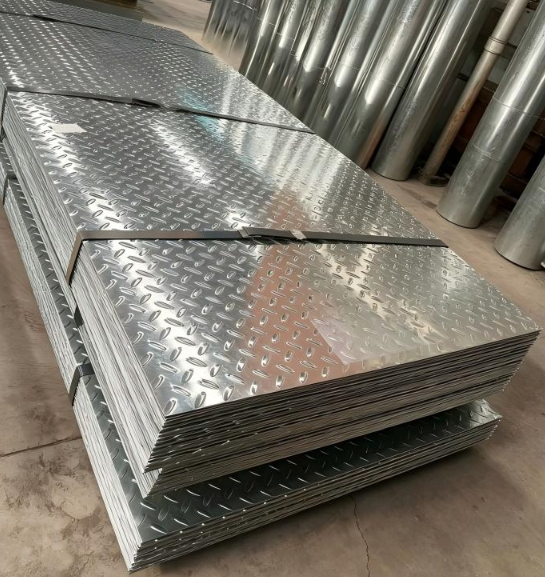
Discover how multi specification galvalume steel coil simplifies purchasing, boosts productivity, and lowers costs for metal fabricators.
2026/09/10
Discover why hot dipped galvanized steel and hot dip galvanized checkered plate offer ideal corrosion resistance and strength for road guardrails.
Covering green transformation, product comparison, selection guide, and industry empowerment, helping you fully grasp the dynamics of the color steel industry.

Global climate action and Belt and Road cooperation are driving the color steel industry’s shift toward green, sustainable development.

Comparing PPGI and PPGL across performance, durability, and applications to help you select the optimal coated steel for your project.
A practical guide to selecting and applying color steel coils, ensuring optimal performance, durability, and cost-effectiveness for your projects.
Industry forum drives digital and green transformation, empowering steel sector development through innovation and collaboration.