EN
EN

How to customize length size of precision cut GI coil finished sheets
2026/09/11
Learn how to specify precision cut GI coil sheets in custom lengths — tolerance selection, coating integrity, and ordering tips.
2026/08/04
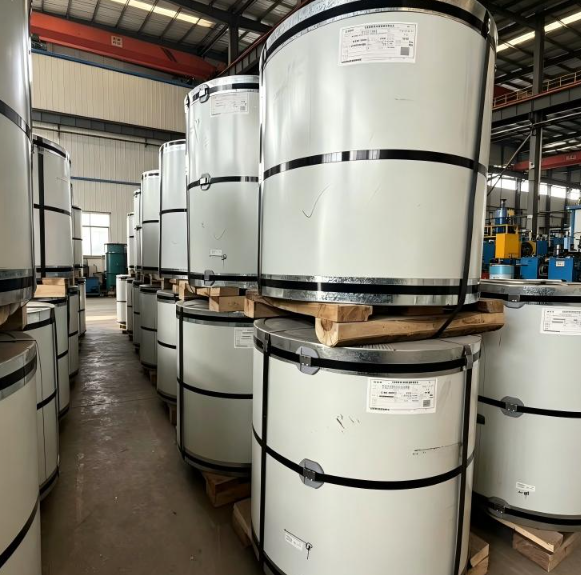
Heavy factory workshops housing manufacturing equipment, crane systems, and production lines impose structural and environmental demands that distinguish them from standard commercial buildings. Spans of 18 to 30 meters without intermediate columns are common to accommodate large machinery and material handling. Interior environments may expose the building envelope to process heat, chemical fumes, vibration, and humidity from manufacturing operations. The roof must support maintenance walkways, ventilation equipment, and sometimes suspended utility loads, while the wall cladding must resist impact from material handling equipment and forklift traffic. Industrial PPGI steel coil, with its combination of structural capability, corrosion resistance, and architectural finish, has become the preferred material system for these workshops because it can be specified across a range of thicknesses, coatings, and paint systems to meet each component's specific performance requirement while maintaining visual consistency across the building envelope.
For workshop roofing spanning 6 to 9 meters between purlins, PPGI steel sheet with 0.5 to 0.8 millimeter thickness provides the section modulus needed to carry wind, snow, and maintenance loads. The corrugated or trapezoidal profile, roll-formed from colour coated steel coil, achieves a moment of inertia that allows the sheet to span the purlin distance without intermediate support. At 0.6 millimeter thickness with a 35-millimeter profile depth, PPGI steel sheet can support a uniformly distributed load of 1.2 kilonewtons per square meter, meeting the requirements of most industrial roof designs. The base steel grade, typically ASTM A653 SS Grade 40 or higher with minimum yield strength of 275 megapascals, provides the structural capacity, while the zinc coating at Z120 to Z200 and the SMP or HDP paint system protect the structural steel from corrosion that could reduce the effective section thickness over time. For fire-rated workshops, PPGI coil with fire-retardant paint formulations can achieve Class A fire ratings per ASTM E108, meeting building code requirements for manufacturing facilities.
Factory workshops housing chemical processing, metal finishing, food production, or textile manufacturing generate interior atmospheres that can be more corrosive than the exterior environment. Acidic process fumes, alkaline mist, and high humidity accelerate coating degradation on interior wall and ceiling surfaces. Industrial PPGI coil specified for these environments must use higher-grade paint systems and heavier zinc coatings than standard exterior-grade material. For workshops with mild industrial atmospheres, SMP-coated PPGI steel sheet with Z140 zinc base provides 15 to 20 years of maintenance-free interior service. For severe environments with acidic fumes or chloride exposure from cooling towers, HDP or PVDF coatings on Z200 to Z275 base metal extend the maintenance-free period to 20 to 25 years. The key specification principle is to treat the interior environment as a separate corrosivity zone, potentially more severe than the exterior, and select the coating system accordingly rather than using the same specification for both surfaces.
Industrial building codes in most jurisdictions require fire-rated roofing and wall systems for factory workshops, particularly those classified as hazardous occupancy or located in proximity to other structures. PPGI steel sheet used as a single-skin roof panel typically achieves a Class A external fire exposure rating when tested per ASTM E108 or UL 790, as the steel substrate is non-combustible and the organic coating's contribution to flame spread is limited by the thin film thickness. For fire-rated wall assemblies, PPGI coil can be used as the exterior face of a composite panel with a mineral wool core, achieving fire resistance ratings of 1 to 2 hours per ASTM E119. In jurisdictions adopting the International Building Code, the allowable area and height of factory buildings are partly determined by the fire rating of the exterior wall assembly, making the selection of PPGI steel sheet with appropriate fire-rated backing systems a critical specification decision that affects the overall building design and permit approval.
In 2023, a manufacturer of mining equipment in Inner Mongolia built a 12,000 square meter workshop with a 24-meter clear span, housing 50-ton overhead cranes and heavy welding operations. The building envelope used industrial PPGI coil across five specifications. The roof used 0.6 millimeter trapezoidal-profile PPGI steel sheet with Z180 zinc base and SMP topcoat in RAL 9005 grey, spanning 7.5 meters between Z275 galvanized purlins. Wall cladding used 0.5 millimeter PPGI coil with Z140 zinc base and PE topcoat in RAL 7016 grey. Roof flashing and ridge details used 0.7 millimeter coil with Z180 base for enhanced formability. Interior partitions separating the welding bay from the assembly area used 0.4 millimeter fire-retardant PPGI sheet achieving Class A fire rating. After two years of operation including winter temperatures of minus 30 degrees Celsius and interior welding fume exposure, the roof and wall cladding show no coating degradation, no fastener corrosion, and no panel distortion, confirming the specification adequacy for the heavy industrial environment.
The use of PPGI steel sheet in factory workshop construction offers significant installation efficiency advantages over alternative envelope systems. Roll-forming machines can be set up on-site, receiving colour coated steel coil directly from the supplier and producing roof and wall panels at the exact lengths required, eliminating transportation constraints on panel length and reducing waste from standard-size ordering. A four-person crew can install 300 to 500 square meters of trapezoidal roof sheeting per day using standard fastening systems, compared to 100 to 150 square meters for standing seam systems requiring specialized equipment. The pre-painted finish eliminates the need for field painting, reducing labor costs and avoiding weather-related delays that affect wet-trade construction. For a 12,000 square meter workshop, the envelope installation typically accounts for 15 to 20 percent of the total construction time, and the speed advantage of PPGI steel sheet can compress this phase by 30 to 40 percent, improving overall project delivery.
Factory workshop procurement requires a supplier capable of delivering industrial PPGI coil across multiple specifications simultaneously, from thin cladding coil to thicker structural decking, with consistent color matching across the building envelope. The supplier should maintain standing inventory across the 0.09 to 1.5 millimeter thickness range with Z20 to Z275 zinc coatings, and offer custom RAL color matching to meet architectural design requirements. Shenyang Yuanhe Steel maintains over 10,000 tons of standing inventory across the full PPGI specification range, with lead times of 6 to 14 days and in-house slitting, cutting, and flattening capabilities that support just-in-time delivery to construction sites. Their three-tier quality control system verifies coating thickness, color consistency, and mechanical properties for every production batch, and their experience supplying industrial projects across Southeast Asia, Central Asia, and Africa provides the export packaging, documentation, and logistics coordination that international factory construction projects demand. For heavy workshop builds requiring multi-specification sourcing from a single qualified partner, this integrated supply model ensures material consistency, schedule reliability, and quality accountability across the entire building envelope.
|
Workshop Component |
Required Thickness |
Zinc Base Coating |
Paint System |
Key Performance Requirement |
|
Roof panels (span 6-9m) |
0.5-0.8mm |
Z120-Z200 |
SMP or HDP |
Weather resistance, span capability |
|
Wall cladding |
0.4-0.6mm |
Z80-Z140 |
PE or SMP |
Color stability, surface durability |
|
Roof decking (composite) |
0.8-1.2mm |
Z140-Z200 |
Primer only |
Load bearing for concrete pour |
|
Internal partitions |
0.3-0.5mm |
Z80-Z120 |
PE |
Fire rating, acoustic barrier |
|
Ridge and flashing |
0.5-0.8mm |
Z120-Z180 |
SMP |
Formability, weather sealing |
|
Structural purlins (secondary) |
1.5-3.0mm |
Z200-Z275 |
Unpainted GI |
Yield strength, corrosion resistance |
Q: What thickness of PPGI steel sheet is recommended for factory workshop roofing?
A: For factory workshop roofing spanning 6 to 9 meters between purlins, 0.5 to 0.8 millimeter PPGI steel sheet is recommended. The exact thickness depends on the purlin spacing, design loads, and profile depth, with structural calculations per ASTM A653 SS Grade 40 or higher.
Q: Can colour coated steel coil achieve fire ratings for industrial buildings?
A: Yes. PPGI steel sheet with fire-retardant paint formulations can achieve Class A external fire exposure ratings per ASTM E108 or UL 790. For fire-resistant wall assemblies, PPGI coil is used as the exterior face of a mineral wool core composite panel, achieving 1 to 2 hour ratings per ASTM E119.
2026/09/11
Learn how to specify precision cut GI coil sheets in custom lengths — tolerance selection, coating integrity, and ordering tips.
2026/09/11
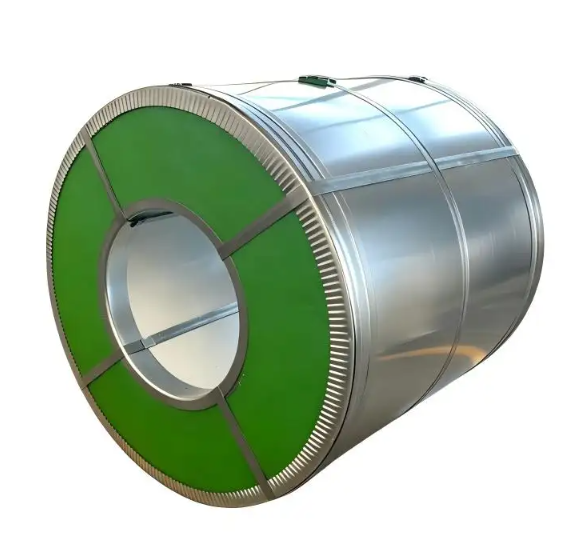
Learn why premium finish galvalume steel coil delivers better paint adhesion and visual consistency in finished building products. Request specs today.
2026/09/10
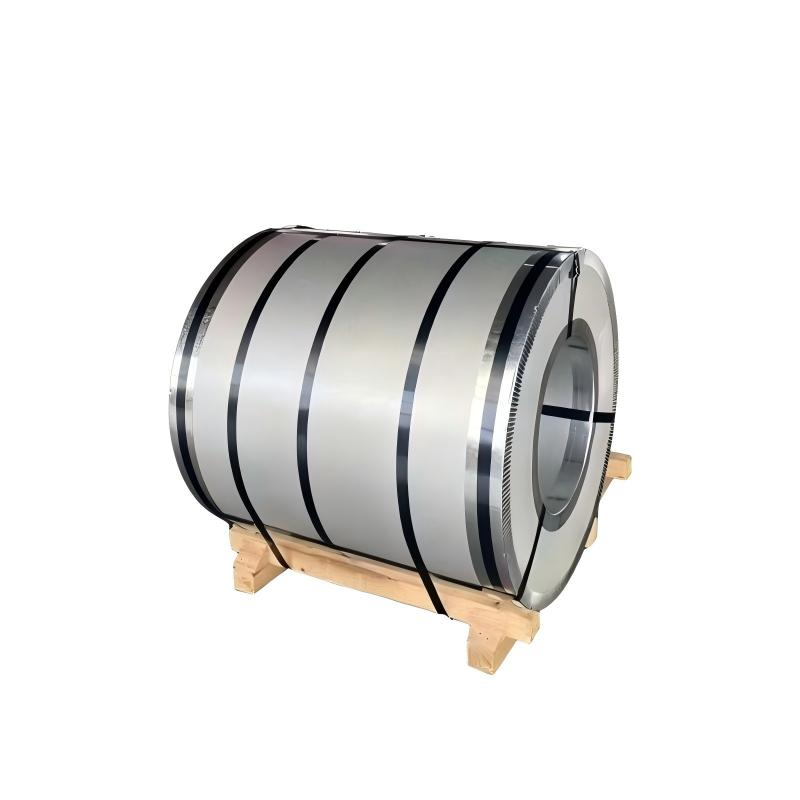
Learn why heavy coating galvalume steel coil provides superior corrosion resistance in harsh coastal settings and saves long-term maintenance costs.
2026/09/10
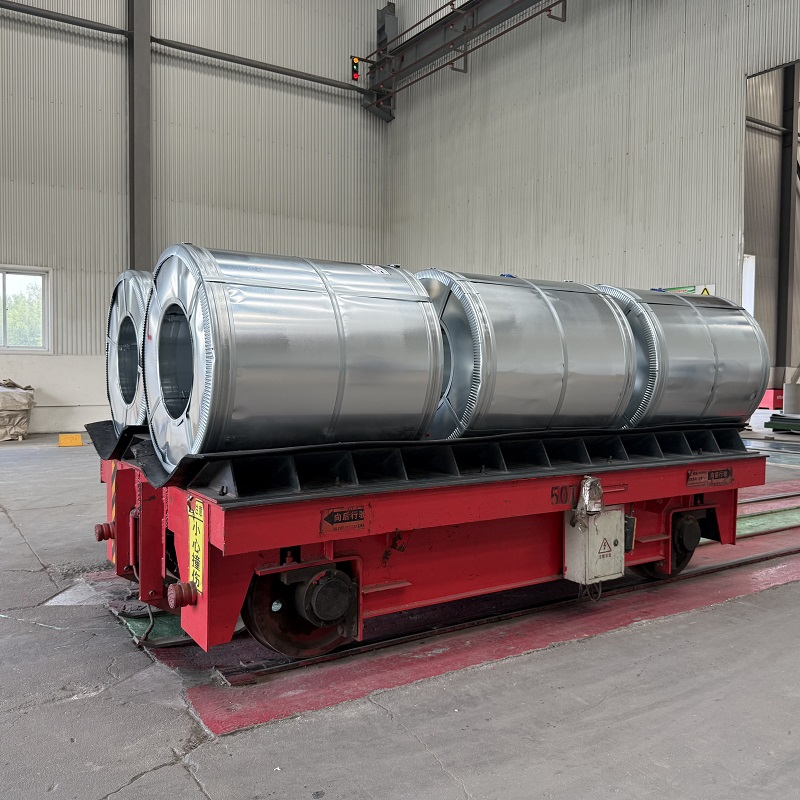
Learn how to test the bending performance of formable galvalume steel coil samples using T-bend testing to prevent cracking and scrap.
2026/09/10
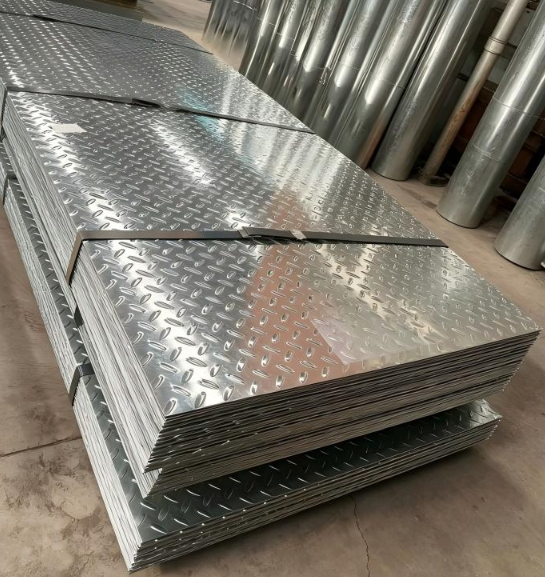
Discover how multi specification galvalume steel coil simplifies purchasing, boosts productivity, and lowers costs for metal fabricators.
2026/09/10
Discover why hot dipped galvanized steel and hot dip galvanized checkered plate offer ideal corrosion resistance and strength for road guardrails.
Covering green transformation, product comparison, selection guide, and industry empowerment, helping you fully grasp the dynamics of the color steel industry.

Global climate action and Belt and Road cooperation are driving the color steel industry’s shift toward green, sustainable development.

Comparing PPGI and PPGL across performance, durability, and applications to help you select the optimal coated steel for your project.
A practical guide to selecting and applying color steel coils, ensuring optimal performance, durability, and cost-effectiveness for your projects.
Industry forum drives digital and green transformation, empowering steel sector development through innovation and collaboration.