EN
EN

How to customize length size of precision cut GI coil finished sheets
2026/09/11
Learn how to specify precision cut GI coil sheets in custom lengths — tolerance selection, coating integrity, and ordering tips.
2026/07/27
Structural Demands of Heavy Duty Factory Building Construction
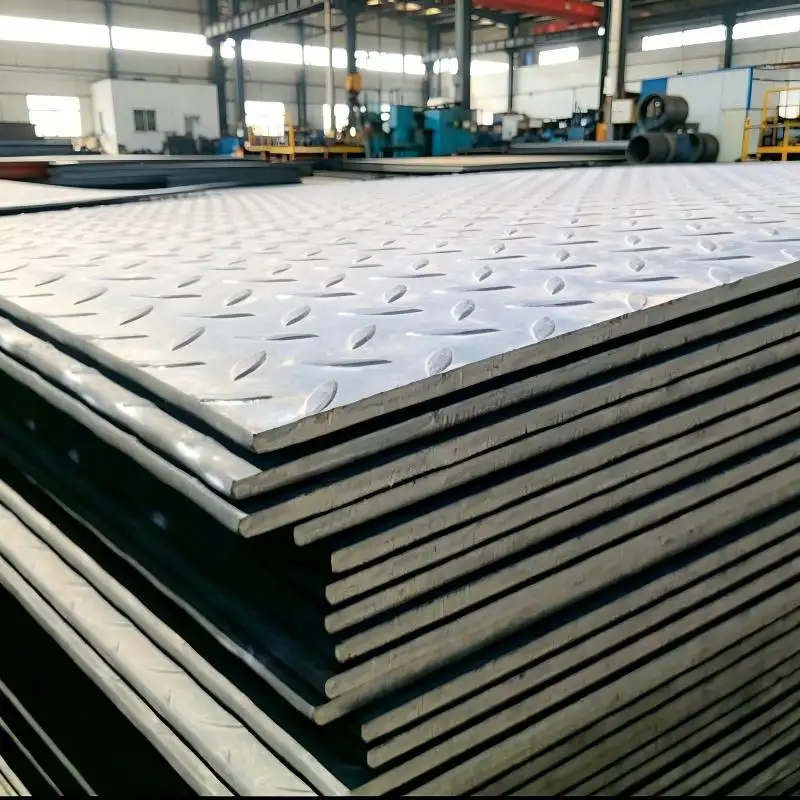
Heavy duty factory building construction imposes structural demands that exceed those of standard commercial or residential projects. Industrial facilities such as steel mills, chemical plants, and logistics warehouses require roofing and wall cladding materials that can withstand thermal expansion, wind loads, mechanical vibration, and prolonged chemical exposure. Industrial PPGI steel coil is engineered specifically to meet these demands, combining a high-strength galvanized substrate with a multi-layer paint system that resists weathering and impact. In my five years of consulting on industrial building material selection, I have observed that heavy duty Industrial PPGI steel coil consistently outperforms alternative cladding materials in projects where service life expectations exceed twenty years. The key is matching the coil specification to the environmental and structural loads of the specific factory site, ensuring the Industrial PPGI steel coil delivers both mechanical reliability and long-term corrosion protection.
Corrosion Resistance Properties of Industrial PPGI Steel Coil
The corrosion resistance of Industrial PPGI steel coil stems from its dual-layer protection system. The hot-dip galvanized substrate provides sacrificial zinc protection, typically in the Z120 to Z275 coating weight range, while the painted surface adds a barrier against moisture, UV radiation, and atmospheric pollutants. For heavy duty Industrial PPGI steel coil used in coastal or industrial zones with high sulfur dioxide concentrations, a Z275 coating combined with a PVDF or SMP paint system can extend service life beyond 25 years. I once advised a manufacturer in Southeast Asia who had used non-industrial grade coil on a chemical plant roof; within three years, the coating had blistered and the substrate showed red rust. After switching to Industrial PPGI steel coil with Z275 zinc coating and an SMP topcoat, the same facility reported zero coating failures after six years. This contrast illustrates how selecting the appropriate heavy duty Industrial PPGI steel coil specification directly determines maintenance cost and building longevity.
Mechanical Strength and Load-Bearing Capacity
Industrial PPGI steel coil used in factory construction must possess sufficient mechanical strength to serve as both cladding and, in some designs, a partial structural element. The substrate yield strength for heavy duty Industrial PPGI steel coil typically ranges from 250 to 350 megapascals, depending on the steel grade specified. For roofing panels that must support snow loads or maintenance traffic, a full-hard or half-hard temper grade provides the necessary rigidity. The thickness of Industrial PPGI steel coil for structural applications generally falls between 0.4 and 1.0 millimeters, with wider profiles used for corrugated roofing sheets. When I reviewed a factory building project in Central Asia, the engineer specified a 0.5-millimeter heavy duty Industrial PPGI steel coil with a yield strength of 300 megapascals for the roof deck, which provided adequate load-bearing capacity while maintaining a manageable panel weight for installation. The key principle is that the Industrial PPGI steel coil specification must be validated against the structural calculation, not selected by price alone.
Thermal Performance and Fire Resistance Considerations
Factory buildings often house processes that generate significant heat or require fire-rated enclosures. Industrial PPGI steel coil contributes to thermal management through its reflective paint surface, which can reduce solar heat gain by reflecting up to 70 percent of infrared radiation depending on the color and paint system selected. Heavy duty Industrial PPGI steel coil with a light-colored PVDF coating offers superior reflectivity and UV stability compared to darker PE coatings. From a fire safety perspective, the steel substrate is inherently non-combustible, and many PPGI paint systems achieve Class A fire ratings when tested under ASTM E84. In a project involving an automotive component factory, the design team selected Industrial PPGI steel coil with a white PVDF coating for the roof, which reduced interior temperature by approximately 5 degrees Celsius compared to a conventional dark-colored panel, lowering HVAC energy consumption and improving worker comfort. This example demonstrates that heavy duty Industrial PPGI steel coil selection extends beyond structural performance to encompass energy and safety outcomes.
Installation Efficiency and Cost Effectiveness for Industrial Projects
The installation efficiency of Industrial PPGI steel coil represents a significant advantage for factory building construction schedules. Because the coil arrives pre-painted, it requires no on-site painting, reducing labor time and weather dependency. Heavy duty Industrial PPGI steel coil can be roll-formed into corrugated, trapezoidal, or standing seam profiles directly at the factory or on-site, using standard roll-forming equipment. The lead time for Industrial PPGI steel coil from established manufacturers typically ranges from 6 to 14 days, which supports fast-track construction timelines. In a factory expansion project I monitored in the Middle East, the contractor ordered Industrial PPGI steel coil with a 0.5-millimeter thickness and Z180 coating, received delivery within ten days, and completed 10,000 square meters of roofing installation in three weeks. The pre-painted surface eliminated the need for field-applied coatings, cutting installation time by roughly 30 percent compared to post-painted alternatives. For heavy duty Industrial PPGI steel coil, this combination of fast delivery, easy processing, and pre-finished quality makes it the preferred material for time-sensitive industrial construction.
Practical Sourcing Scenario: Selecting Industrial PPGI Steel Coil for a Factory Project
In a representative sourcing scenario, a logistics company in Africa planned a new 8,000-square-meter distribution warehouse and required wall and roof cladding that would last 20 years with minimal maintenance. The engineering team specified heavy duty Industrial PPGI steel coil with a Z180 zinc coating, 0.47-millimeter thickness, DX51D+Z substrate, and a PE topcoat in RAL 5005 blue. They verified that the Industrial PPGI steel coil met ASTM A653 standards and requested the MTC for each batch. By working with a supplier that maintains ample stock and a three-tier quality control system, the project received consistent coil quality across all deliveries. Shenyang Yuanhe, with its 9-plus years of experience serving Southeast Asian, Middle Eastern, and African markets, demonstrates how manufacturers with large-scale stock and established logistics networks can support heavy duty Industrial PPGI steel coil demands for international factory building projects efficiently.
Frequently Asked Questions About Industrial PPGI Steel Coil
What makes Industrial PPGI steel coil different from standard PPGI coil?
Industrial PPGI steel coil is formulated for heavier structural and environmental demands, featuring higher zinc coating weights (Z120 to Z275), thicker substrates (0.4 to 1.0 millimeters), and more durable paint systems such as SMP or PVDF. Heavy duty Industrial PPGI steel coil is specifically designed for factory construction where corrosion resistance and load-bearing capacity are critical over a 20-plus year service life.
What thickness of Industrial PPGI steel coil is recommended for factory roofing?
For factory roofing, a thickness of 0.47 to 0.6 millimeters is commonly used for heavy duty Industrial PPGI steel coil, depending on the span and load requirements. Industrial PPGI steel coil for wall cladding can use 0.35 to 0.5 millimeters. Always confirm the structural calculation and specify the minimum yield strength required for your Industrial PPGI steel coil order.
How long does Industrial PPGI steel coil last in heavy duty construction?
With proper specification, heavy duty Industrial PPGI steel coil can achieve a service life of 15 to 25 years in factory building applications. The actual lifespan of Industrial PPGI steel coil depends on the zinc coating weight, paint system, environmental conditions, and maintenance practices. Coastal or chemically aggressive environments require higher coating weights for the Industrial PPGI steel coil to reach its design life.
2026/09/11
Learn how to specify precision cut GI coil sheets in custom lengths — tolerance selection, coating integrity, and ordering tips.
2026/09/11
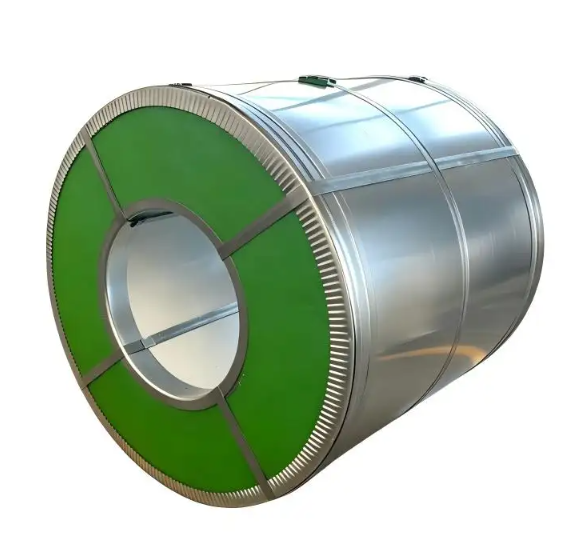
Learn why premium finish galvalume steel coil delivers better paint adhesion and visual consistency in finished building products. Request specs today.
2026/09/10
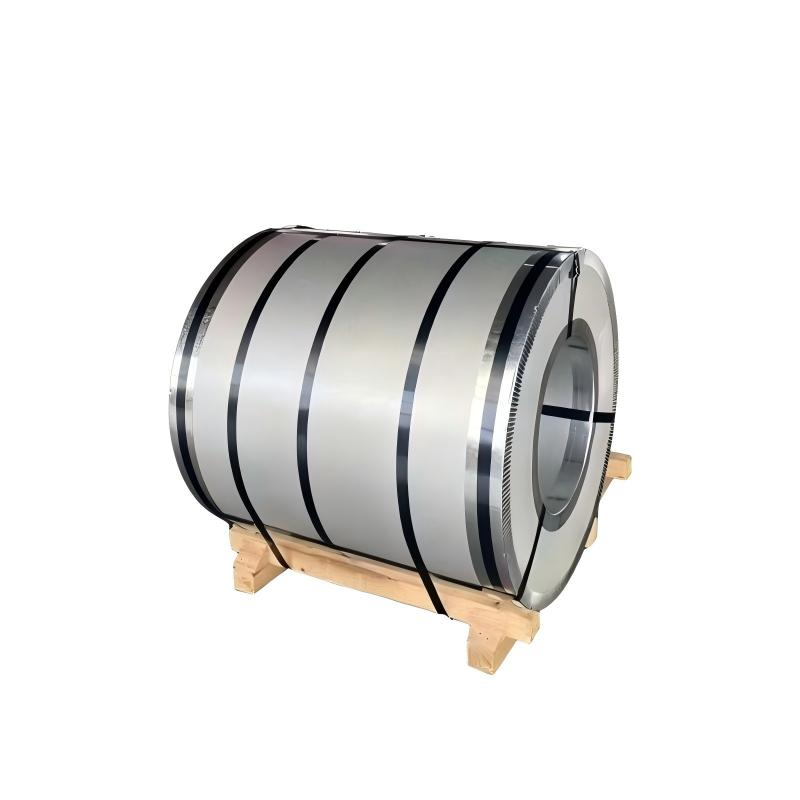
Learn why heavy coating galvalume steel coil provides superior corrosion resistance in harsh coastal settings and saves long-term maintenance costs.
2026/09/10
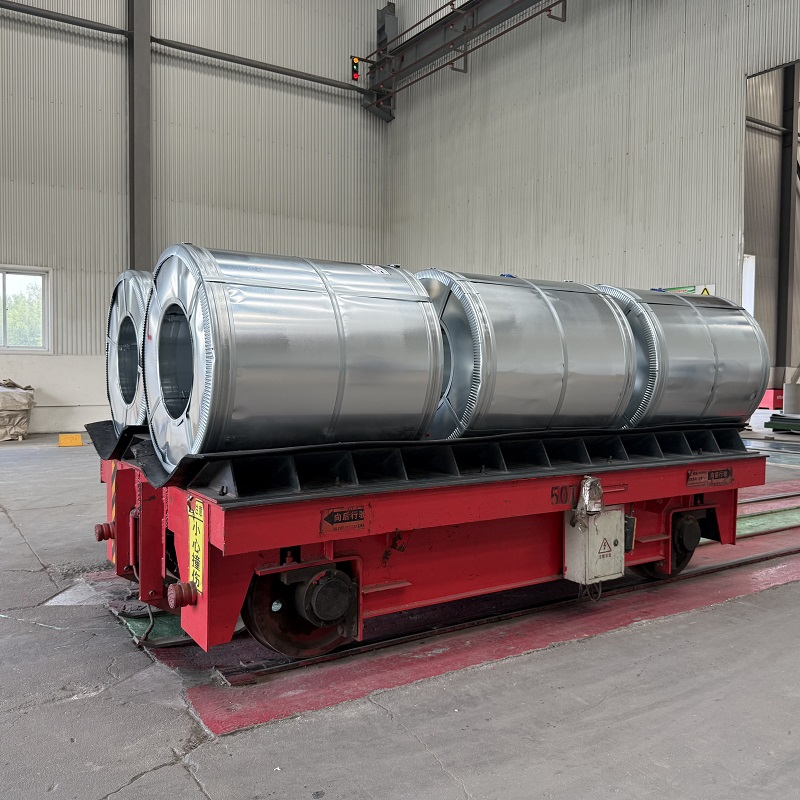
Learn how to test the bending performance of formable galvalume steel coil samples using T-bend testing to prevent cracking and scrap.
2026/09/10
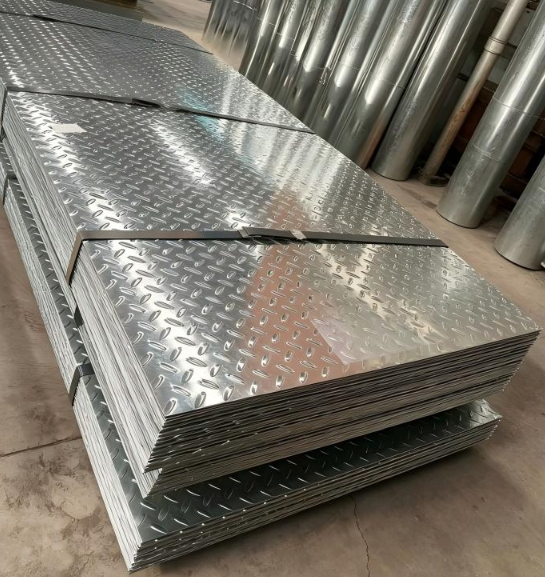
Discover how multi specification galvalume steel coil simplifies purchasing, boosts productivity, and lowers costs for metal fabricators.
2026/09/10
Discover why hot dipped galvanized steel and hot dip galvanized checkered plate offer ideal corrosion resistance and strength for road guardrails.
Covering green transformation, product comparison, selection guide, and industry empowerment, helping you fully grasp the dynamics of the color steel industry.

Global climate action and Belt and Road cooperation are driving the color steel industry’s shift toward green, sustainable development.

Comparing PPGI and PPGL across performance, durability, and applications to help you select the optimal coated steel for your project.
A practical guide to selecting and applying color steel coils, ensuring optimal performance, durability, and cost-effectiveness for your projects.
Industry forum drives digital and green transformation, empowering steel sector development through innovation and collaboration.