EN
EN

How to customize length size of precision cut GI coil finished sheets
2026/09/11
Learn how to specify precision cut GI coil sheets in custom lengths — tolerance selection, coating integrity, and ordering tips.
2026/09/04
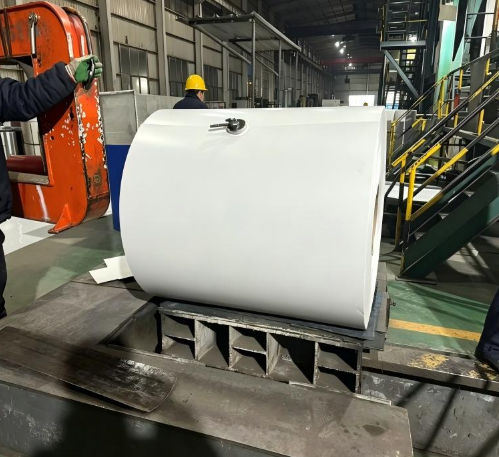
Step onto the shop floor of almost any modern steel processing plant, and you will notice a common raw material staged at the head of every continuous processing line: heavy‑gauge hot rolled coil. Whether a facility specializes in prepainted galvanized iron (PPGI), galvalume roofing sheets (PPGL), basic galvanized coils (GI), or heavy structural strip, the entire manufacturing cycle begins with this single steel format. This universal industry reliance is no coincidence. It stems from core metallurgical characteristics and processing economics that make hot rolled substrate the ideal starting point for all downstream metal conversion.
As global demand for corrosion‑resistant building panels and automotive sheet steel continues to expand, understanding raw substrate performance becomes essential for professional procurement teams. The structural stability, chemical uniformity, and surface consistency of every coated or prepainted steel panel trace directly back to the quality achieved during hot rolling. Selecting premium hot rolled coil establishes the baseline quality for every subsequent process, from acid pickling and cold reduction to high‑speed galvanizing and organic painting.
The greatest advantage of high‑grade hot rolled substrate lies in its thermally refined internal microstructure. During primary production, steel slabs are reheated above 1,100°C and processed through multi‑stand roughing and finishing mills. Rolling steel above its recrystallization temperature breaks down coarse cast dendritic structures, eliminates internal micro‑porosity, and refines grain boundaries.
This high‑temperature deformation creates a uniform, fine‑grained ferrite‑pearlite microstructure that delivers stable, predictable mechanical properties:
Processors using metallurgically stable hot rolled substrates experience fewer edge splits, reduced coil breakage, and uniform spring‑back behavior throughout fabrication.
In high‑volume steel manufacturing, cost efficiency and process stability are critical operational priorities. Continuous hot rolling remains the most energy‑efficient and cost‑effective method for large‑scale flat steel production. Modern hot strip mills process millions of metric tons annually, generating massive economies of scale that stabilize baseline material costs.
These upstream efficiencies directly benefit downstream coaters, fabricators, and end buyers. Manufacturing flat steel through alternative processes or attempting cold rolling without standardized hot rolled substrate would drastically increase energy consumption, operational failure rates, and overall production costs. As the global steel industry’s standardized base material, hot rolled coil enables scalable, cost‑effective supply chains for cold rolling, galvanizing, and color coating lines worldwide.
A defining strength of hot rolled coil is its exceptional processing versatility. A single heavy‑gauge HR coil inventory supports multiple downstream conversion paths, adapting flexibly to market demand and end‑product specifications.
Major industrial transformation routes include:
This versatility allows steel service centers to minimize SKU inventory pressure. Instead of stocking large volumes of finished products, facilities maintain flexible HR coil inventory that can be rapidly converted into customized finished materials on demand.
High‑temperature hot rolling forms a natural outer layer of iron oxide, known as mill scale. Although mill scale requires complete removal before cold rolling and coating, it provides critical temporary protection during marine shipping and outdoor transit. The dense oxide layer shields bare steel from atmospheric oxidation, reducing premature rust formation during long‑distance logistics.
Once entering formal processing, continuous pickling lines dissolve mill scale with circulating hydrochloric acid, exposing a clean, chemically active steel surface. Controlled pickling creates uniform micro‑roughness on the strip surface, significantly improving zinc alloy bonding during galvanizing and enhancing mechanical adhesion for organic paint coatings.
Real‑world industrial data verifies the massive operational advantages of standardized premium hot rolled substrates. A major steel processing hub in Tianjin, China, handles over 200,000 metric tons of flat steel annually, supplying coated and structural steel products for global construction and agricultural projects.
After standardizing incoming raw materials with 1.5mm–6.0mm premium hot rolled coils, the facility achieved dramatic operational improvements:
Plant engineers confirmed that consistent high substrate quality eliminated unplanned line shutdowns, extended roller service life, and maintained stable paint and zinc adhesion for all finished products.
Consistent downstream yield and coating quality depend entirely on strict hot rolling quality control. Modern steel mills adopt fully automated precision systems to guarantee strict dimensional and chemical tolerances.
Automated hydraulic gap control maintains ultra‑uniform strip thickness with gauge deviations strictly controlled within ±0.03mm. Real‑time X‑ray thickness detectors and laser width sensors instantly correct profile errors during high‑speed rolling. Advanced online optical inspection systems scan both strip surfaces at 20 meters per second, identifying micro‑defects including slivers, roll marks, and surface scabs before product delivery.
Secondary ladle metallurgy further stabilizes material performance. Tightly controlled carbon, sulfur, and phosphorus levels eliminate internal segregation, ensuring stable ductility, consistent forming performance, and long‑term corrosion resistance.
Sustained coated steel product quality begins with trustworthy primary steel suppliers. Downstream processing yield, surface finish, and structural durability all rely on substrate purity, dimensional accuracy, and surface cleanliness.
As a professional international steel supply chain partner, Shenyang Yuanhe Steel cooperates with certified premium steel mills to provide high‑grade hot rolled coil optimized for cold reduction, galvanizing, and color coating applications. With rigorous incoming inspections, full mill certificate verification, and standardized warehousing management, Yuanhe Steel guarantees stable, consistent substrate quality for global processors and manufacturers.
Prioritizing premium hot rolled coil quality maximizes downstream production yields, reduces waste, and enables fabricators to deliver durable, high‑performance coated steel products with stable long‑term value and strong global market competitiveness.
2026/09/11
Learn how to specify precision cut GI coil sheets in custom lengths — tolerance selection, coating integrity, and ordering tips.
2026/09/11
Learn why premium finish galvalume steel coil delivers better paint adhesion and visual consistency in finished building products. Request specs today.
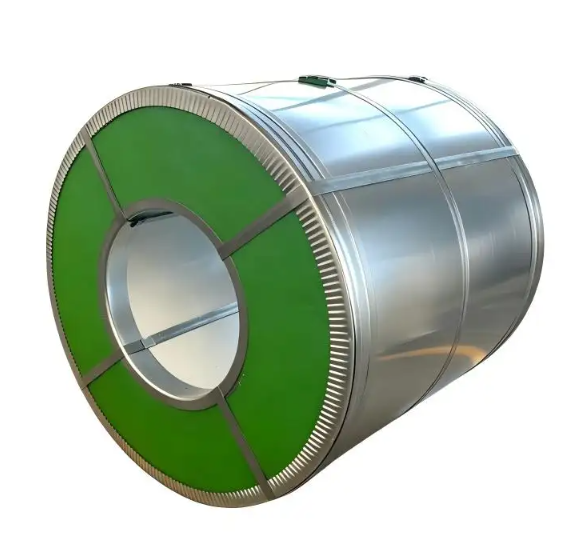
2026/09/10
Learn why heavy coating galvalume steel coil provides superior corrosion resistance in harsh coastal settings and saves long-term maintenance costs.
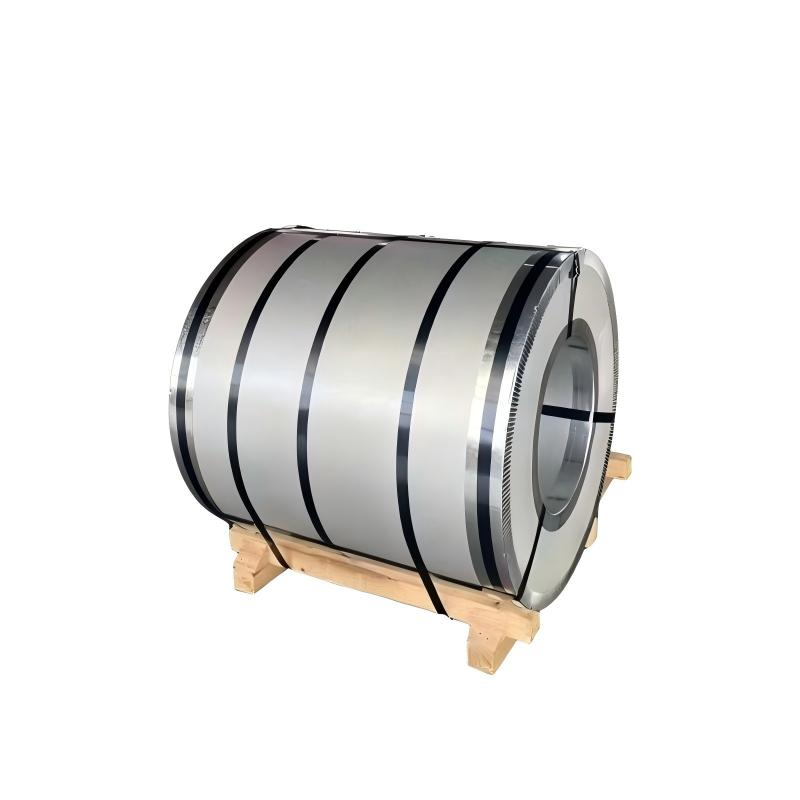
2026/09/10
Learn how to test the bending performance of formable galvalume steel coil samples using T-bend testing to prevent cracking and scrap.
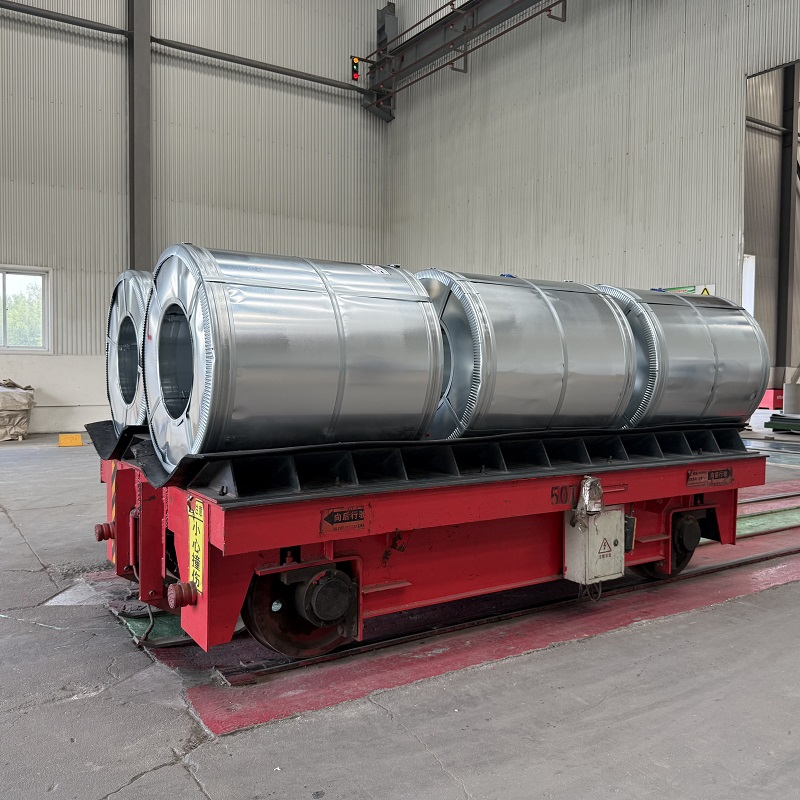
2026/09/10
Discover how multi specification galvalume steel coil simplifies purchasing, boosts productivity, and lowers costs for metal fabricators.
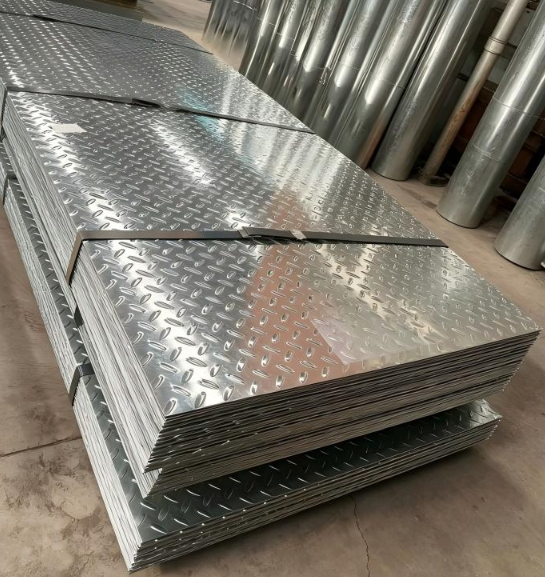
2026/09/10
Discover why hot dipped galvanized steel and hot dip galvanized checkered plate offer ideal corrosion resistance and strength for road guardrails.
Covering green transformation, product comparison, selection guide, and industry empowerment, helping you fully grasp the dynamics of the color steel industry.

Global climate action and Belt and Road cooperation are driving the color steel industry’s shift toward green, sustainable development.
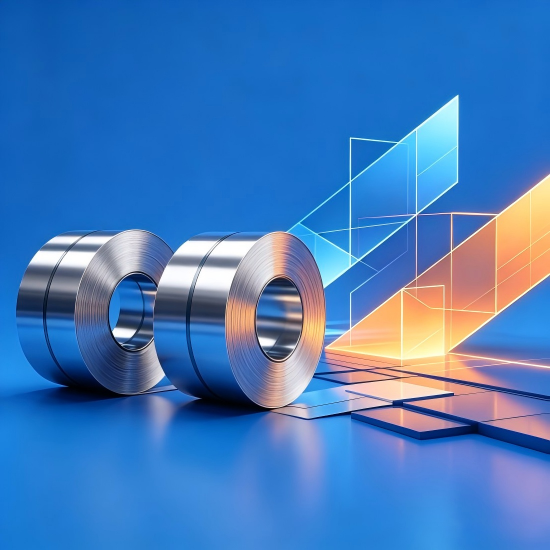
Comparing PPGI and PPGL across performance, durability, and applications to help you select the optimal coated steel for your project.
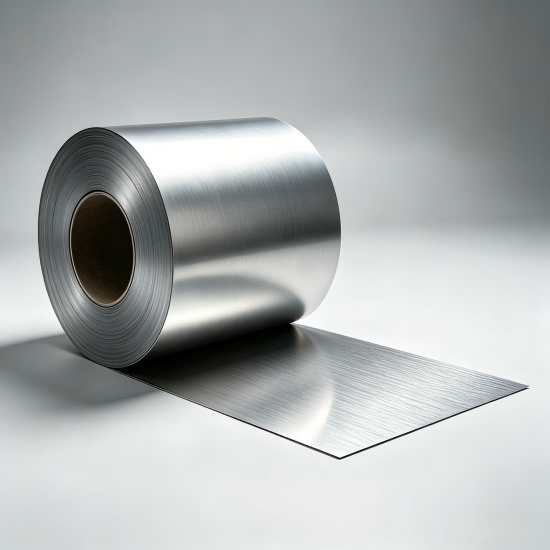
A practical guide to selecting and applying color steel coils, ensuring optimal performance, durability, and cost-effectiveness for your projects.
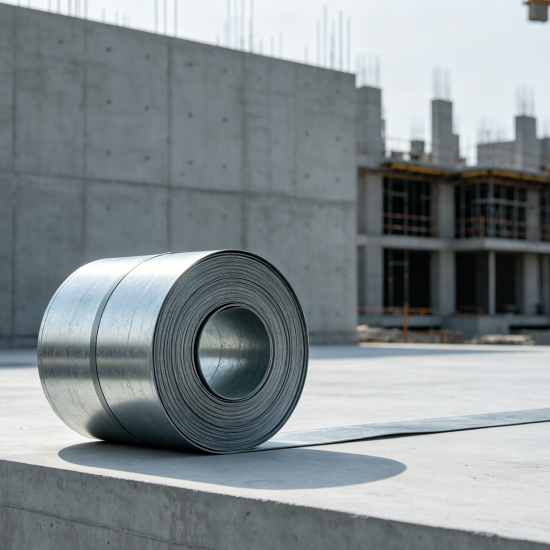
Industry forum drives digital and green transformation, empowering steel sector development through innovation and collaboration.