EN
EN

How to customize length size of precision cut GI coil finished sheets
2026/09/11
Learn how to specify precision cut GI coil sheets in custom lengths — tolerance selection, coating integrity, and ordering tips.
2026/09/07
Surface protection selection determines structural longevity. At first glance, specifying protective metals seems straightforward: place a zinc barrier over iron or steel to shield the base metal against environmental degradation. Both hot dipped galvanized steel and electroplated materials share a shiny metallic surface, leading non-specialists to assume they perform identically under real-world exposure.
That visual similarity is deceiving. The operational gap between thermal immersion and electrochemical plating shapes mechanical behavior, chemical resistance, and total cost of ownership. Evaluating an electroplated steel vs galvanized spec requires examining how processing physics translate into field performance.
Manufacturing methods define coating characteristics. The fundamental divergence lies in processing physics: thermal immersion vs electrochemical deposition.
The hot dip method submerges prepared carbon steel directly into molten zinc maintained at approximately 450°C. This high-temperature environment triggers immediate atomic diffusion between iron and zinc. As the steel moves through the molten bath, complex intermetallic iron-zinc alloy layers form beneath an outer layer of pure zinc. The resulting coating becomes an integral metallurgical extension of the steel substrate rather than a surface shell.
Electroplated steel relies on an entirely cold electrochemical mechanism. Steel passes through an aqueous electrolyte bath containing dissolved zinc ions at room temperature. An electric current forces zinc ions onto the steel surface, creating a thin coating through electrochemical attraction alone. Because the reaction occurs at ambient temperatures, zero thermal diffusion takes place. The result is a pure zinc sheet resting atop the steel without intermetallic alloy bonding underneath.
Coating thickness directly dictates service life under aggressive environmental exposure. Comparing thermal immersion against electrochemical plating highlights vast differences in protection:
| Performance Metric | Hot Dipped Galvanized Steel | Electroplated Steel |
| Typical Coating Thickness | 20–100 µm (Z275–Z700) | 3–15 µm (E8–E36) |
| Coating Mass Range | 180–700 g/m² | 20–100 g/m² |
| Metallurgical Alloy Layer | Present (Fe-Zn alloy layers) | Absent (Pure zinc shell only) |
| Coating Structure | Multi-layered intermetallic phases | Single-layer pure zinc |
| Salt Spray Resistance (ASTM B117) | 200–500+ Hours to red rust | 24–72 Hours to red rust |
A hot dip line produces protective coatings 5 to 10 times thicker than conventional electroplating setups. Furthermore, thermal immersion forms distinct iron-zinc phases (Gamma, Delta, and Zeta layers) beneath the outer soft zinc coat. These intermetallic layers exhibit remarkable Vickers hardness, surpassing even the base steel in abrasion resistance during rough transit or site assembly.
Coating adhesion dictates material survival during post-fabrication handling, roll forming, and structural flexing.
The metallurgical bond created in hot dipped galvanized steel eliminates physical peeling risks. Under severe bending or impact, the alloy layers absorb deformation stress. Minor cracking may occur under extreme bending, but the coating stays locked onto the base metal due to continuous atomic bonding. Field evaluations comparing heating galvanized metal structures against electroplated panels in harsh agricultural environments demonstrate this resilience clearly: thermal coatings remain intact after ten years of outdoor exposure, whereas electroplated surfaces show widespread peeling and flaking within three years.
Electroplated finishes rely solely on surface-level ionic adhesion. While this thin layer accepts delicate stamping and smooth painting effortlessly, it remains vulnerable to severe mechanical impacts. Sharp bends or localized abrasions easily rupture the thin zinc skin, triggering premature surface flaking that exposes the vulnerable carbon steel core.
Zinc protects steel through two complementary mechanisms: barrier protection and cathodic (sacrificial) protection.
Barrier Defense: A thicker zinc coating creates a physical shield blocking atmospheric moisture, oxygen, and corrosive chlorides. The substantial coating thickness on hot dipped galvanized steel slows down natural oxidation, extending initial service life.
Cathodic Protection: When scratched or cut, zinc corrodes preferentially to protect exposed iron. The extensive zinc mass on hot dipped galvanized steel sustains this sacrificial defense over decades.
Edge Defense: Shear-cut edges present a critical vulnerability on job sites. The thick surrounding zinc reservoir on hot dip products continues protecting nearby raw edges via galvanically generated currents across the cut gap.
Electroplated coatings offer brief barrier defense due to minimal thickness. Once environmental wear dissolves the thin zinc layer—a process accelerated by urban acid rain or coastal salt spray—the sacrificial reservoir depletes rapidly. Accelerated salt spray tests (ASTM B117) show electroplated sheets developing red rust in 24 to 72 hours, whereas hot dip galvanized options withstand 200 to 500+ hours without structural degradation.
Procurement teams balancing upfront budgets against long-term maintenance costs find stark economic differences between these coating systems:
| Economic Metric | Hot Dipped Galvanized Steel | Electroplated Steel |
| Initial Material Unit Cost | Moderate to Higher | Lower |
| Expected Outdoor Service Life | 15–30+ Years | 2–5 Years |
| Expected Indoor Service Life | 30–50+ Years | 5–10 Years |
| Maintenance Interventions | Minimal to None | Frequent recoating required |
| Replacement Frequency (30-Yr Cycle) | 1 Time | 3 to 6 Times |
| Total Lifecycle Cost (TCO) | Significantly Lower | Exceptionally High |
While electroplated panels feature lower initial purchase costs per metric ton, their short service life triggers recurring maintenance cycles. Replacing degraded panels, applying field paints, and enduring operational downtime quickly wipe out initial material savings. Choosing heavy-duty protective coatings minimizes lifecycle expenditure through maintenance-free durability.
Choosing between electroplated steel vs galvanized options comes down to matching operating environments with coating capabilities. Electroplated options suit indoor appliance housing, automotive interior panels, or decorative components requiring smooth paint finishes under controlled indoor humidity.
For demanding outdoor infrastructure, agricultural buildings, solar mounting racks, or coastal construction, hot dipped galvanized steel remains the industry standard. The combination of thick intermetallic layers, self-healing cathodic defense, and high abrasion resistance delivers long-term durability under harsh environmental exposure.
Selecting dependable steel requires partnering with capable manufacturing and supply partners. Integrated processing capabilities, customized coating mass options, and rigorous quality auditing enable advanced producers to deliver high-performance protective metals globally. Operations under the Shenyang Yuanhe Steel footprint embody this manufacturing standard, supplying customized heating galvanized metal products, heavy-duty coil options, and reliable supply-chain management to serve demanding industrial projects worldwide.
2026/09/11
Learn how to specify precision cut GI coil sheets in custom lengths — tolerance selection, coating integrity, and ordering tips.
2026/09/11
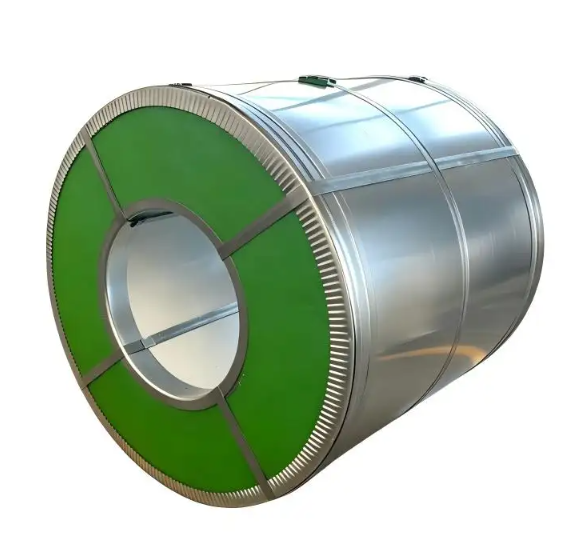
Learn why premium finish galvalume steel coil delivers better paint adhesion and visual consistency in finished building products. Request specs today.
2026/09/10
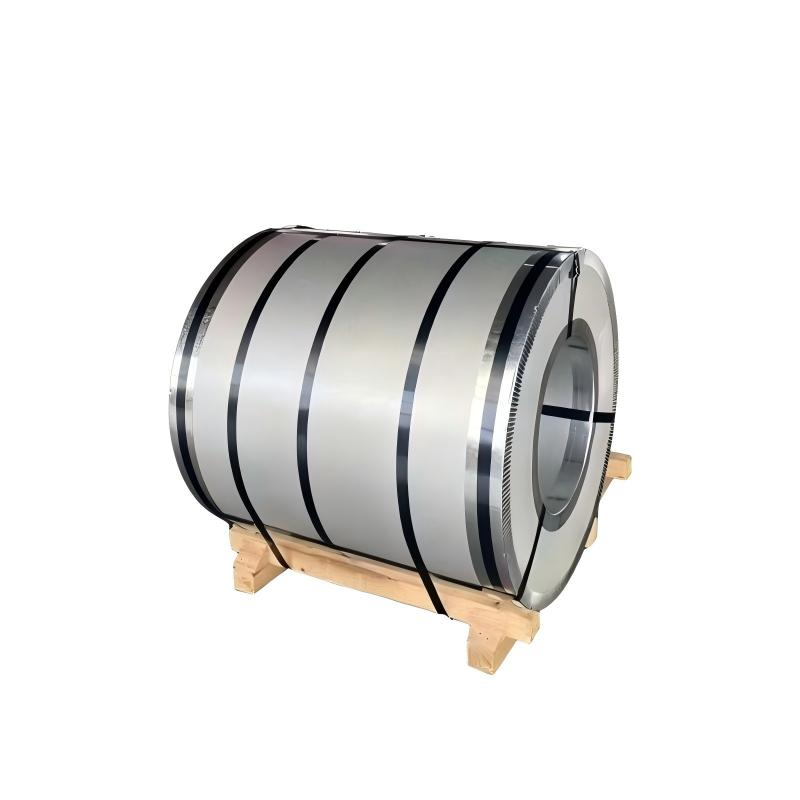
Learn why heavy coating galvalume steel coil provides superior corrosion resistance in harsh coastal settings and saves long-term maintenance costs.
2026/09/10
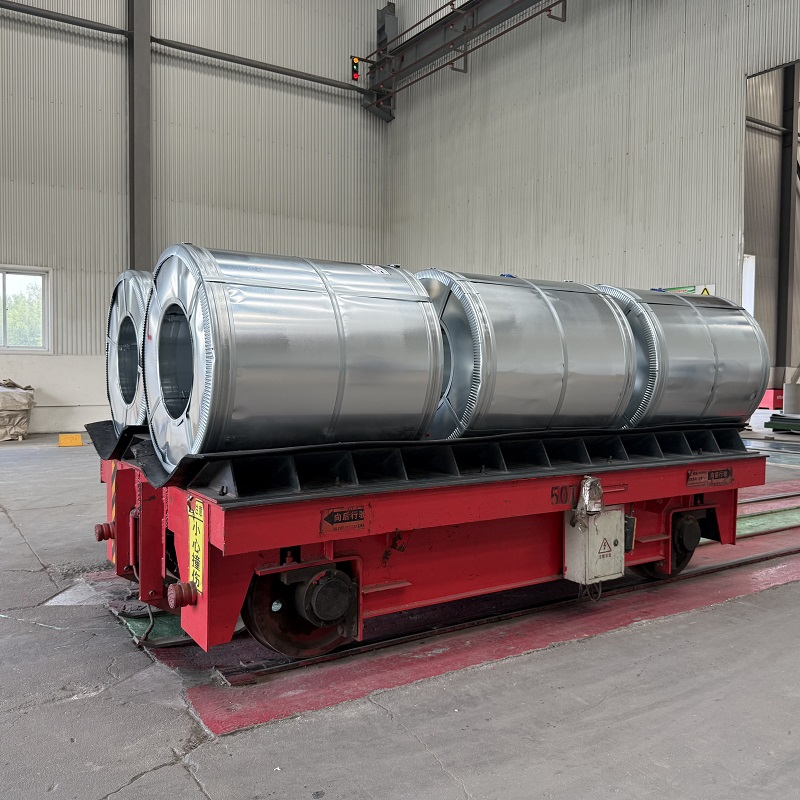
Learn how to test the bending performance of formable galvalume steel coil samples using T-bend testing to prevent cracking and scrap.
2026/09/10
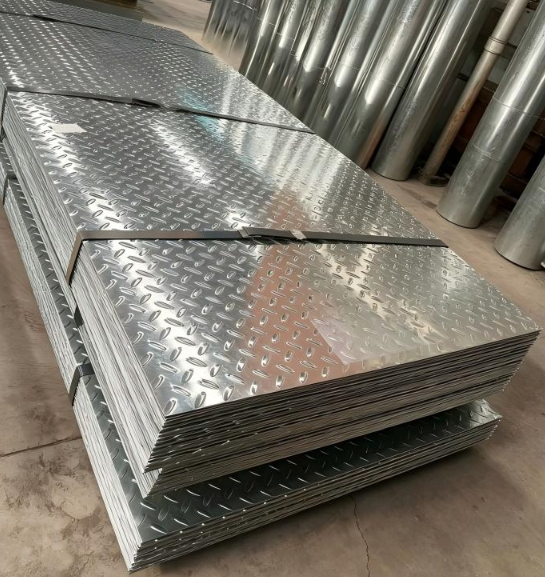
Discover how multi specification galvalume steel coil simplifies purchasing, boosts productivity, and lowers costs for metal fabricators.
2026/09/10
Discover why hot dipped galvanized steel and hot dip galvanized checkered plate offer ideal corrosion resistance and strength for road guardrails.
Covering green transformation, product comparison, selection guide, and industry empowerment, helping you fully grasp the dynamics of the color steel industry.
Global climate action and Belt and Road cooperation are driving the color steel industry’s shift toward green, sustainable development.

Comparing PPGI and PPGL across performance, durability, and applications to help you select the optimal coated steel for your project.
A practical guide to selecting and applying color steel coils, ensuring optimal performance, durability, and cost-effectiveness for your projects.
Industry forum drives digital and green transformation, empowering steel sector development through innovation and collaboration.