EN
EN

How to customize length size of precision cut GI coil finished sheets
2026/09/11
Learn how to specify precision cut GI coil sheets in custom lengths — tolerance selection, coating integrity, and ordering tips.
2026/08/11
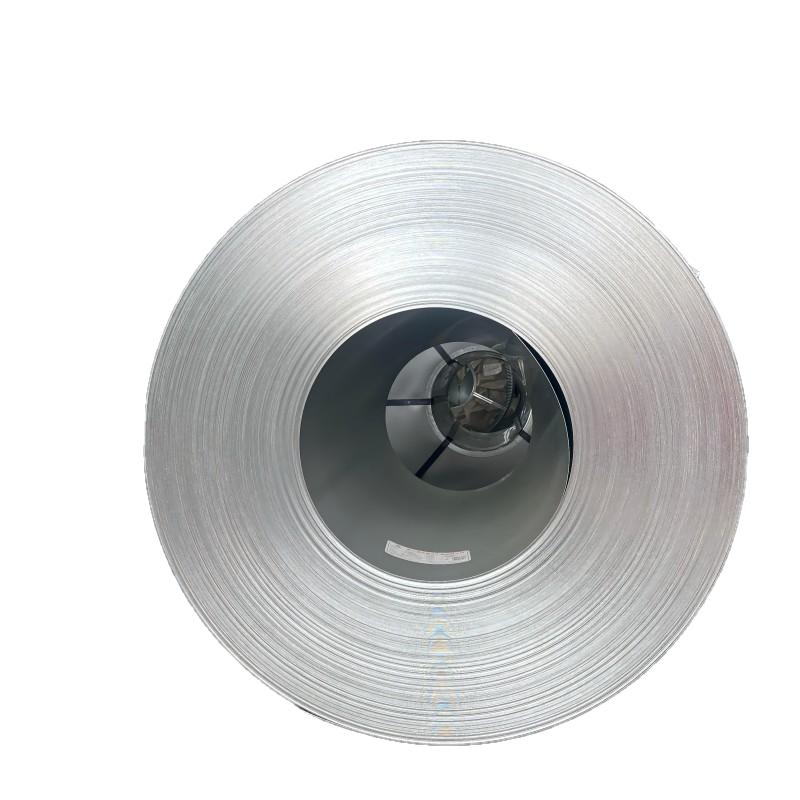
Coastal salt air represents one of the most aggressive corrosion environments for GI coil products, creating conditions that accelerate zinc layer consumption far beyond rates observed in inland atmospheres. When GI coil is exposed to coastal air, airborne sodium chloride particles dissolve in moisture films on the coil surface, creating concentrated chloride electrolyte solutions that drive electrochemical corrosion reactions. Standard GI coil with typical zinc coating weights of 120 to 180 g/m2 simply cannot provide sufficient sacrificial metal to withstand this accelerated consumption rate, leading to premature red rust formation and structural compromise.
Anti-corrosion GI coil with heavy zinc coating—typically 275 to 600 g/m2—addresses this challenge by providing a substantially thicker sacrificial zinc barrier that extends the time to first red rust by a factor of two to four compared to standard GI coil. In ISO 9223 C5 marine environments located within 500 meters of coastlines, heavy zinc coating GI coil has demonstrated 15 to 25 years of maintenance-free service, while standard GI coil in identical conditions typically shows red rust within 5 to 8 years. This performance difference makes heavy zinc coating the essential specification for anti-corrosion GI coil applications in coastal regions.
The zinc coating on GI coil protects the underlying steel through two distinct mechanisms: sacrificial protection and barrier protection. In sacrificial protection, zinc acts as an anode relative to steel, preferentially corroding to protect the steel substrate even when the coating is scratched or damaged. In coastal salt air, this sacrificial process accelerates because chloride ions increase the conductivity of the surface electrolyte, speeding up the electrochemical reaction. Heavy zinc coating GI coil provides more sacrificial metal reserve, extending the period during which this protective mechanism remains active.
Barrier protection depends on the formation of stable zinc corrosion products—primarily zinc oxide and zinc hydroxide—that seal the surface and slow further corrosion. In clean atmospheres, these corrosion products form dense, adherent layers that provide excellent long-term protection. However, chloride ions in coastal salt air react with zinc corrosion products to form soluble zinc chloride compounds that wash away in rain, preventing the formation of stable protective layers. This is why anti-corrosion GI coil for coastal applications requires heavy zinc coating that can sustain continuous zinc loss while maintaining adequate barrier thickness until stable corrosion products can form during drier periods.
Extensive field exposure studies and laboratory testing provide quantitative data on the performance advantage of heavy zinc coating GI coil over standard GI coil in coastal environments. In a 10-year field exposure study conducted at a marine test site 200 meters from the coastline, standard GI coil with 150 g/m2 zinc coating showed first red rust at year 4, with 15 percent surface rust coverage by year 7. In contrast, heavy zinc coating GI coil with 350 g/m2 showed no red rust through year 10, with only 2 percent surface rust coverage at the 10-year inspection.
Salt spray testing per ASTM B117 provides accelerated comparative data that correlates with field performance. Standard GI coil samples typically show red rust at 200 to 400 hours of salt spray exposure, while anti-corrosion GI coil with heavy zinc coating achieves 1,000 to 2,000 hours before red rust appears. This 4-to-1 performance ratio in accelerated testing translates to real-world service life improvements of 3 to 5 times in coastal salt air environments, making heavy zinc coating GI coil a cost-effective specification despite its higher initial material cost.
|
Performance Metric |
Standard GI Coil (150 g/m2) |
Heavy Zinc Coating GI Coil (350 g/m2) |
Performance Advantage |
|
Salt Spray to Red Rust |
200-400 hours |
1,000-2,000 hours |
4-5x longer |
|
Field Service Life (C5) |
5-8 years |
15-25 years |
3-4x longer |
|
Annual Zinc Loss Rate |
25-35 g/m2/year |
25-35 g/m2/year |
Same rate, more reserve |
|
Cost per m2 |
$8.50-$12.00 |
$11.00-$15.50 |
25-30% higher |
|
Life-Cycle Cost (20yr) |
$45.00/m2 (replace) |
$14.00/m2 (maintain) |
3x lower total cost |
|
Edge Protection |
Limited (thin coating) |
Excellent (thick coating) |
Significant |
|
Weldability |
Standard |
Slightly adjusted params |
Minor difference |
A port authority in Southeast Asia required GI coil for roofing and structural cladding on a new cargo handling facility located directly on the coastline. The project specification initially called for standard GI coil with 180 g/m2 zinc coating based on budget constraints, with an expected service life of 10 years before replacement. The engineering team conducted a life-cycle cost analysis comparing standard GI coil against anti-corrosion GI coil with 400 g/m2 heavy zinc coating, using local corrosion rate data from existing structures at the port.
The analysis revealed that standard GI coil would likely require replacement at year 6 rather than year 10, based on the measured corrosion rates at the site. The replacement cost—including material, labor, and facility downtime—was estimated at $38 per square meter. Heavy zinc coating GI coil, at 28 percent higher initial material cost, was projected to provide 22 years of service without replacement. Over a 20-year period, the total cost of ownership for the anti-corrosion GI coil was $14 per square meter compared to $45 per square meter for standard GI coil, representing a 69 percent life-cycle cost reduction. The project proceeded with heavy zinc coating GI coil, and the facility has now completed 8 years of service with no signs of red rust or coating degradation.
Selecting the appropriate anti-corrosion GI coil specification for coastal applications requires evaluating site-specific factors that influence corrosion rates. Distance from the coastline is the primary factor—within 100 meters, salt spray concentration is highest, requiring minimum 450 g/m2 zinc coating on GI coil. Between 100 and 500 meters, 350 to 450 g/m2 is typically adequate, while sites between 500 meters and 1 kilometer from the coastline may achieve acceptable performance with 275 to 350 g/m2 heavy zinc coating.
Wind exposure patterns also affect GI coil corrosion in coastal areas. Sites exposed to direct onshore winds experience higher salt deposition rates than sheltered locations at the same distance from the coastline. For anti-corrosion GI coil specifications, buyers should also consider the structure orientation, prevailing wind direction, and rainwater washing patterns that can either accelerate or slow chloride accumulation on GI coil surfaces. Additionally, the presence of industrial pollutants near coastal sites can create synergistic corrosion effects that require even heavier zinc coatings than marine exposure alone would indicate.
Manufacturers like Shenyang Yuanhe, who offer customizable zinc coating weight specifications and serve markets across Southeast Asia, the Middle East, and other coastal regions, can provide anti-corrosion GI coil products tailored to specific marine environment requirements. When sourcing heavy zinc coating GI coil for coastal applications, confirming that the supplier can consistently deliver the specified coating weight, provides coating weight test certificates for each coil, and offers logistical support for international shipping helps ensure that the anti-corrosion protection performs as designed throughout the project service life.
Frequently Asked Questions
Q: What zinc coating weight is recommended for GI coil within 500 meters of a coastline?
A: For GI coil installations within 500 meters of a coastline (ISO C5 environment), minimum zinc coating weight of 350 g/m2 is recommended, with 450 g/m2 or higher preferred for sites within 100 meters of the shoreline. This heavy zinc coating provides the sacrificial metal reserve necessary for 15-25 years of service in aggressive salt air conditions.
Q: Is heavy zinc coating GI coil worth the extra cost for coastal projects?
A: Yes. While heavy zinc coating GI coil costs 25-30 percent more initially than standard GI coil, the extended service life typically delivers 50-70 percent lower life-cycle cost over a 20-year period. For coastal projects where replacement involves difficult access and operational disruption, the cost advantage of anti-corrosion GI coil is even greater.
Q: Can additional paint coating compensate for lighter zinc coating on GI coil?
A: Not effectively in coastal environments. While paint coatings provide additional barrier protection, they do not offer sacrificial protection like zinc. Once the paint is scratched or damaged in coastal salt air, the underlying steel corrodes rapidly if the zinc coating is insufficient. Heavy zinc coating GI coil provides protection even at damaged areas, making it essential for reliable coastal performance.
2026/09/11
Learn how to specify precision cut GI coil sheets in custom lengths — tolerance selection, coating integrity, and ordering tips.
2026/09/11
Learn why premium finish galvalume steel coil delivers better paint adhesion and visual consistency in finished building products. Request specs today.
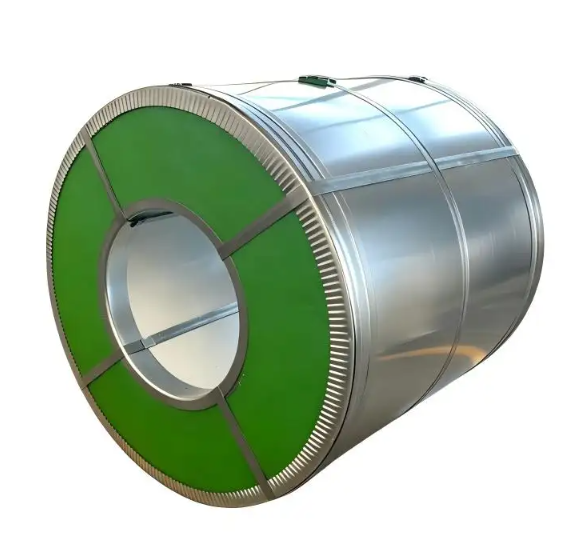
2026/09/10
Learn why heavy coating galvalume steel coil provides superior corrosion resistance in harsh coastal settings and saves long-term maintenance costs.
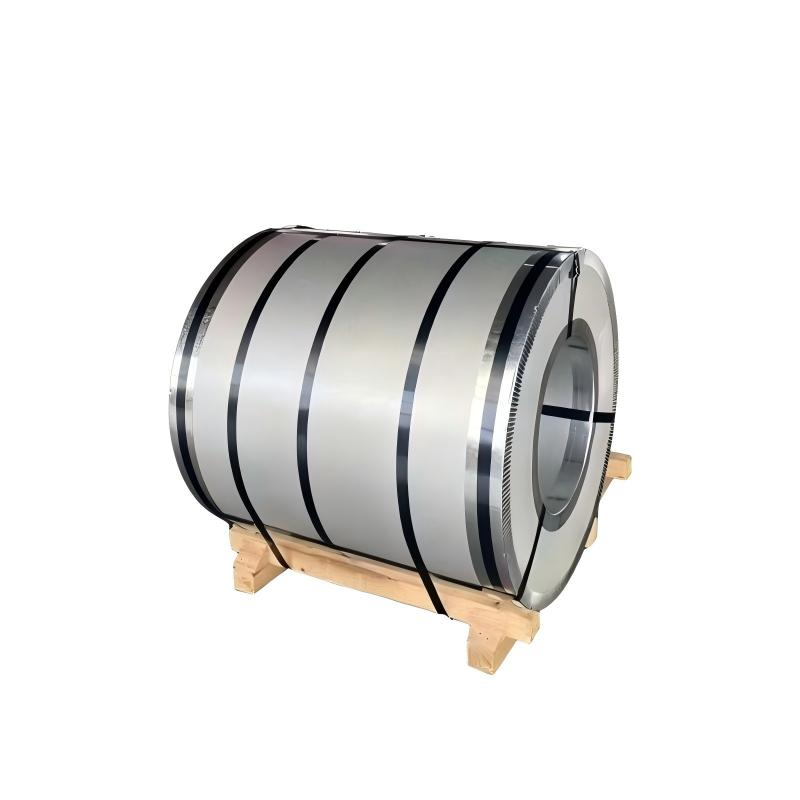
2026/09/10
Learn how to test the bending performance of formable galvalume steel coil samples using T-bend testing to prevent cracking and scrap.
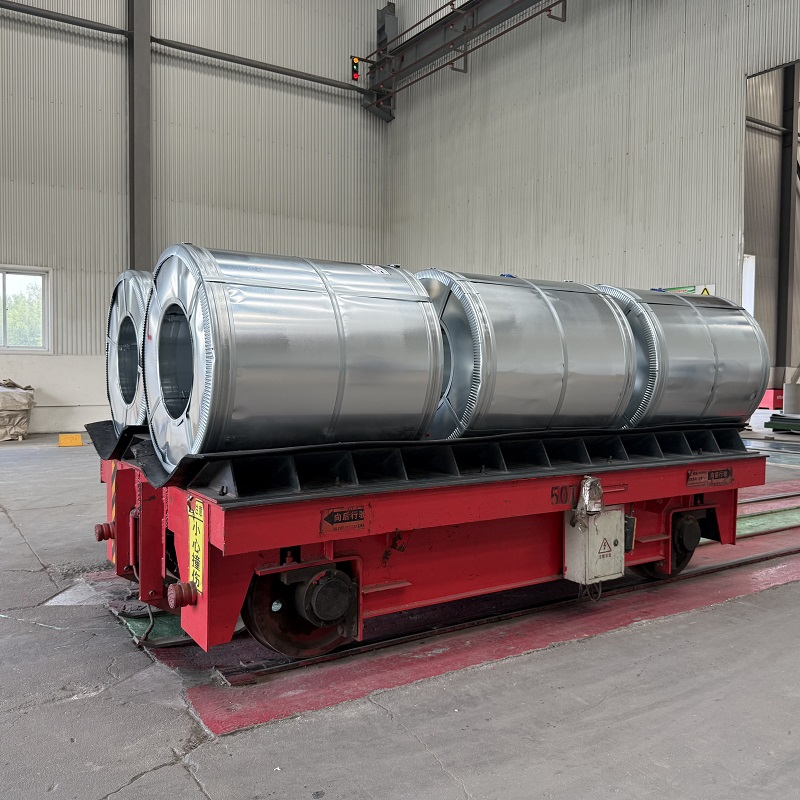
2026/09/10
Discover how multi specification galvalume steel coil simplifies purchasing, boosts productivity, and lowers costs for metal fabricators.
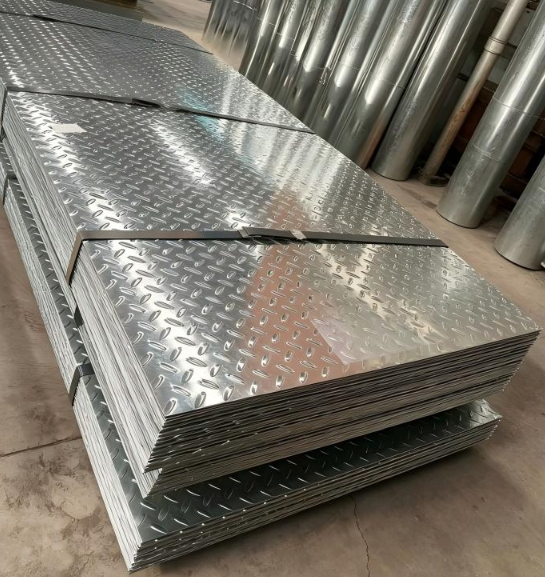
2026/09/10
Discover why hot dipped galvanized steel and hot dip galvanized checkered plate offer ideal corrosion resistance and strength for road guardrails.
Covering green transformation, product comparison, selection guide, and industry empowerment, helping you fully grasp the dynamics of the color steel industry.

Global climate action and Belt and Road cooperation are driving the color steel industry’s shift toward green, sustainable development.

Comparing PPGI and PPGL across performance, durability, and applications to help you select the optimal coated steel for your project.
A practical guide to selecting and applying color steel coils, ensuring optimal performance, durability, and cost-effectiveness for your projects.
Industry forum drives digital and green transformation, empowering steel sector development through innovation and collaboration.