EN
EN

How to customize length size of precision cut GI coil finished sheets
2026/09/11
Learn how to specify precision cut GI coil sheets in custom lengths — tolerance selection, coating integrity, and ordering tips.
2026/09/07
The African construction landscape is shifting fast. Commercial high‑rises are reshaping city skylines from Nairobi to Accra, while sprawling industrial hubs and logistics facilities continue to rise near key ports like Lagos and Dar es Salaam. Yet, builders across these regions face a shared challenge: unpredictable, harsh environmental conditions. Surface temperatures can top 45°C during hot seasons, while intense equatorial downpours and abrasive dust storms place immense stress on structural materials.
For builders using steel for roofing, wall cladding, and structural frameworks, durability isn't just a bonus—it's a core requirement. Corrosion can degrade standard metal panels in just a few seasons. That is why engineers, project managers, and procurement teams are increasingly adopting high‑grade GI coil products engineered specifically to withstand extreme harsh elements. Through precise metallurgical manufacturing, anti‑corrosion GI coil forms a reliable protective barrier that preserves the structural integrity of construction projects for decades.
The superior durability of galvanized steel over traditional metal materials stems from the unique protective properties of its zinc coating. During the hot‑dip galvanization process, molten zinc bonds with raw steel at a molecular level, forming a multi‑layered protective barrier that shields the substrate from oxygen, rainwater, and atmospheric contaminants.
In heavy‑duty construction applications, this zinc barrier delivers dual protective mechanisms for long‑term reliability:
This dual‑protection system enables anti‑corrosion GI coil to serve 3 to 5 times longer than standard painted steel or plain cold‑rolled steel in harsh outdoor environments. International steel industry testing verifies that high‑grade zinc coatings (such as Z275 with a coating weight of 275 grams per square meter) deliver outstanding long‑term durability. In moderate environments, this coating grade ensures 15 to 20 years of low‑maintenance service life, while in severe tropical climates, it still maintains stable structural performance for 8 to 12 years without mandatory structural maintenance.
Roofing and wall cladding in sun‑intensive African regions endure extreme thermal pressure. The surface temperature of dark roof panels can soar to 60°C–70°C during peak afternoon heat. Such drastic temperature fluctuations trigger daily thermal expansion and contraction cycles, causing thermal fatigue that peels off inferior paint coatings and loosens structural joints.
Premium GI coil excels in resisting thermal cycling. The zinc‑iron alloy layer of galvanized steel features a thermal expansion coefficient highly consistent with the base steel, minimizing interlayer structural stress during rapid temperature rises and drops.
A typical large‑scale case is a 50,000‑square‑meter modern distribution hub in Dar es Salaam, Tanzania. Structural panels fabricated from high‑performance anti‑corrosion GI coil withstand daily temperature swings from 18°C at night to over 50°C in peak heat, with no surface cracking or coating peeling. In comparison, standard prepainted panels deployed in identical environments usually require comprehensive touch‑ups or full repainting within 18 months due to coating delamination. Adopting spec‑compliant galvanized steel completely eliminates such premature maintenance costs.
Coastal commercial centers across Africa, including Mombasa, Lagos, Cape Town, and Luanda, pose another critical challenge for construction materials: high atmospheric humidity coupled with airborne salt particles. Marine chloride ions accelerate metal oxidation rapidly, causing unprotected low‑grade steel to fail within mere months.
To secure long‑term asset stability in salt‑laden coastal environments, construction projects require heavy‑duty zinc coatings such as Z350 and Z450. Field performance comparisons of different coating grades in coastal areas demonstrate distinct durability gaps, as shown below:
| Zinc Coating Grade | Coating Weight (g/m²) | Retained Integrity After 5 Years | Best Suited Environment |
|---|---|---|---|
| Z180 | 180 | 70% | Inland dry regions |
| Z275 | 275 | 85% | Urban & moderate humidity areas |
| Z350 | 350 | 90% | High rainfall & suburban coastal areas |
| Z450 | 450 | 95% | Heavy marine & industrial zones |
Selecting targeted zinc coating weights based on local micro‑climate conditions is a pivotal design decision for coastal developers, ensuring lifelong anti‑corrosion protection for building structures.
Desert‑bordering African regions face persistent abrasion challenges from wind‑blown fine silica dust. High‑speed sand particles strike building cladding like continuous sandblasting, wearing down decorative organic coatings and exposing raw steel substrates to moisture and corrosion risks.
With higher surface hardness than conventional organic paint coatings, premium GI coil delivers superior long‑term abrasion resistance. In dusty industrial zones such as Zambia’s copper belt, galvanized steel roofing panels maintain stable service for 7 to 10 years with negligible material loss. In contrast, soft painted panels suffer severe abrasive wear and often need full replacement in just half the service cycle.
Investing in heavy‑duty galvanized coils generates substantial long‑term economic benefits and optimizes overall project return on investment (ROI) through multiple dimensions:
Optimal galvanized steel selection requires a balanced evaluation of local site climate conditions and upfront project costs. For inland dry‑area facilities such as storage sheds, lightweight coatings (Z120/Z180) provide cost‑effective and sufficient protection. For large‑scale commercial buildings and coastal marine warehouses, upgraded Z275 or Z450 coatings deliver robust durability to safeguard long‑term capital investments.
Collaborating with established manufacturers guarantees consistent zinc adhesion, precise thickness tolerances, and customized coil specifications tailored for Africa’s demanding climates. Reputable suppliers such as Shenyang Yuanhe Steel support global contractors with customized steel processing services and reliable export channels, delivering materials perfectly matched to regional environmental characteristics.
Informed upfront material selection effectively shields building structures from diverse weather damages, controls full‑lifecycle operating costs, and ensures the steady progress of key construction projects across Africa’s complex and harsh climate zones.
2026/09/11
Learn how to specify precision cut GI coil sheets in custom lengths — tolerance selection, coating integrity, and ordering tips.
2026/09/11
Learn why premium finish galvalume steel coil delivers better paint adhesion and visual consistency in finished building products. Request specs today.
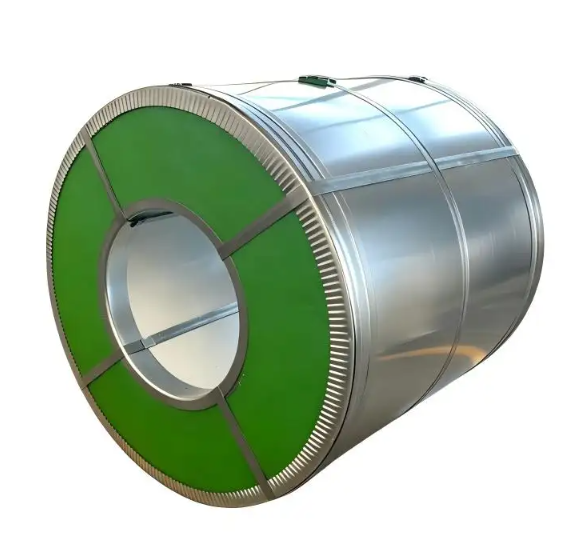
2026/09/10
Learn why heavy coating galvalume steel coil provides superior corrosion resistance in harsh coastal settings and saves long-term maintenance costs.
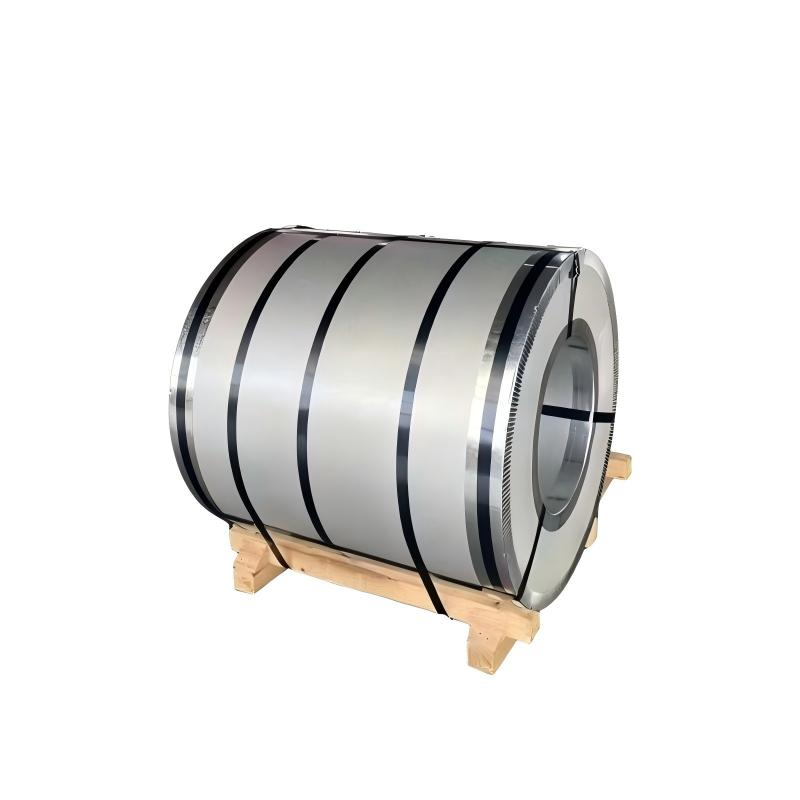
2026/09/10
Learn how to test the bending performance of formable galvalume steel coil samples using T-bend testing to prevent cracking and scrap.
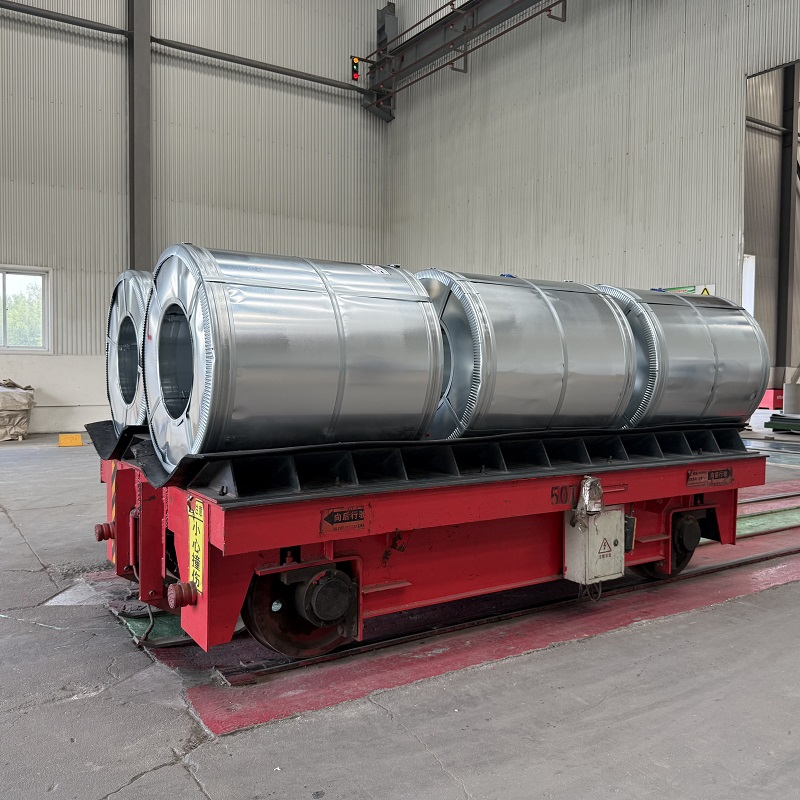
2026/09/10
Discover how multi specification galvalume steel coil simplifies purchasing, boosts productivity, and lowers costs for metal fabricators.
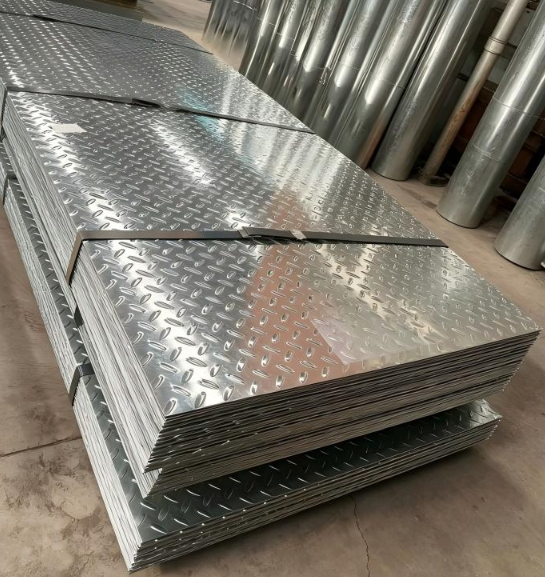
2026/09/10
Discover why hot dipped galvanized steel and hot dip galvanized checkered plate offer ideal corrosion resistance and strength for road guardrails.
Covering green transformation, product comparison, selection guide, and industry empowerment, helping you fully grasp the dynamics of the color steel industry.
Global climate action and Belt and Road cooperation are driving the color steel industry’s shift toward green, sustainable development.
Comparing PPGI and PPGL across performance, durability, and applications to help you select the optimal coated steel for your project.
A practical guide to selecting and applying color steel coils, ensuring optimal performance, durability, and cost-effectiveness for your projects.
Industry forum drives digital and green transformation, empowering steel sector development through innovation and collaboration.