EN
EN

Why Galvanized Steel Coil Maintains Stable Market Demand All Year Round
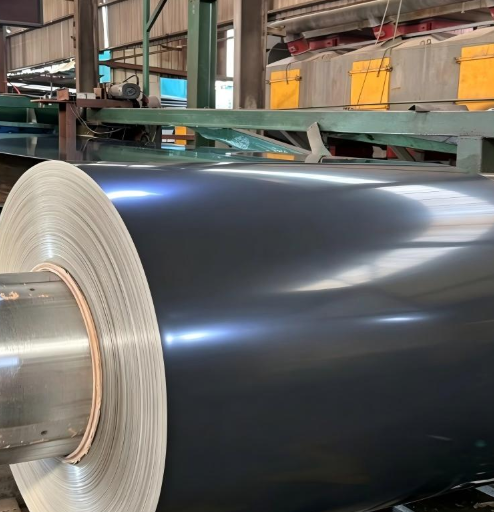
As someone who has tracked steel procurement cycles across multiple regions and product categories, I've noticed one pattern that keeps holding: galvanized steel coil demand doesn't follow the sharp seasonal swings that affect many other materials. Even when steel prices fluctuate due to iron ore costs or trade policy changes, orders for galvanized coil continue to flow steadily from construction firms, HVAC manufacturers, agricultural equipment producers, and infrastructure contractors. This stability is not coincidental; it reflects structural factors embedded across the material's end-use markets.
The global galvanized steel coil market was valued at approximately USD 34.52 billion in 2024 and is projected to reach USD 48.66 billion by 2035, expanding at a compound annual growth rate of around 3.17%. This long, consistent growth trajectory reflects an underlying demand base that doesn't rise and fall with a single sector or season.
Multi-Sector Application Creates a Demand Cushion
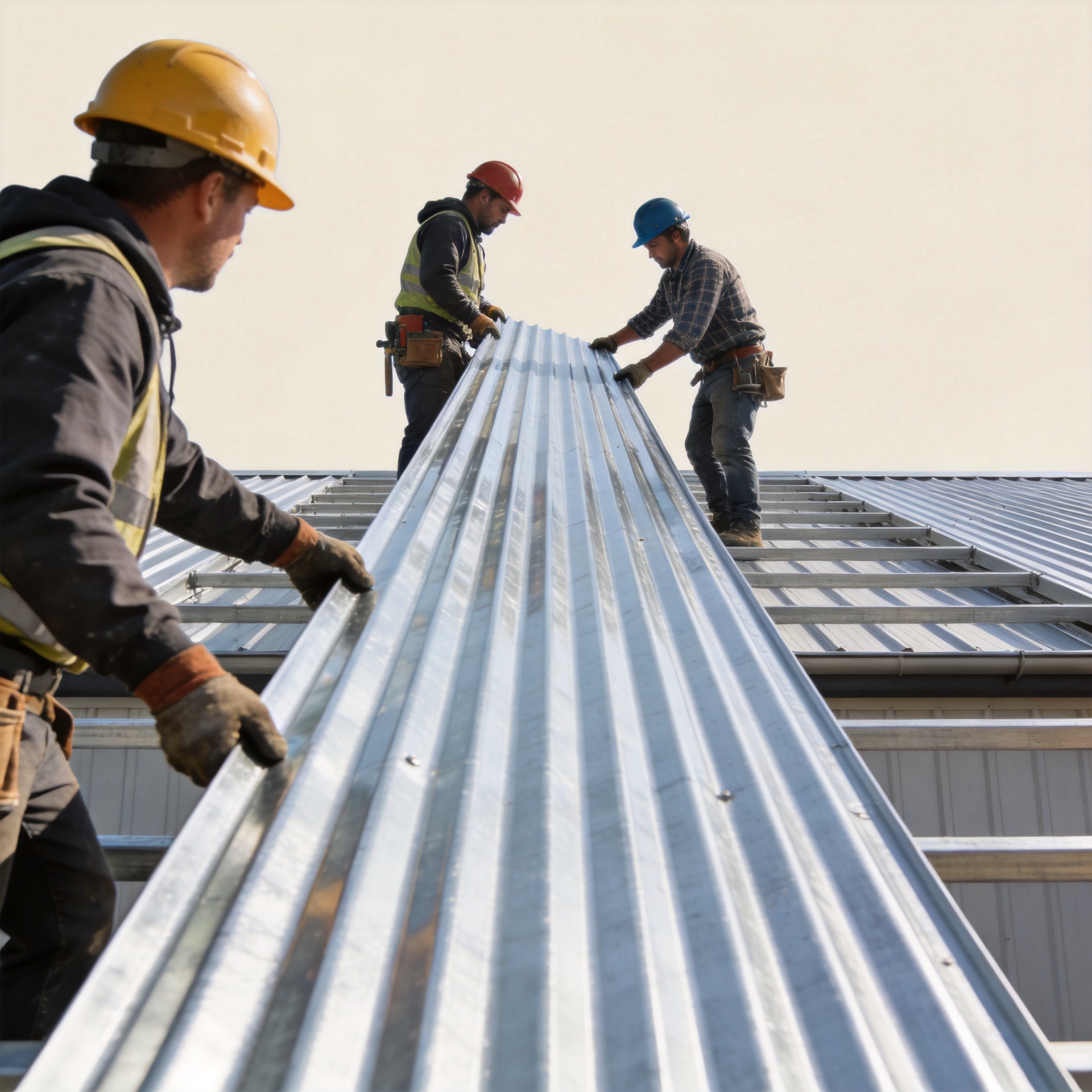
One of the most important reasons galvanized steel coil holds its demand through all twelve months is the sheer breadth of industries it serves. Construction projects use galvanized coil for roofing systems, wall cladding, structural framing, and reinforcement components. HVAC manufacturers rely on it for ductwork and air-handling enclosures. Agricultural equipment producers use it for grain bins, greenhouse structures, irrigation piping, and livestock fencing. Automotive suppliers use galvanized coil in body panels and under-body components.
When roofing demand slows in northern regions during winter, HVAC equipment manufacturing often accelerates as facilities prepare for warmer months. When new residential construction pauses, infrastructure repair contracts — which draw heavily on galvanized coil for utility structures, cable trays, and drainage systems — tend to pick up the slack. Each industry sector operates on its own procurement cycle, and the overlap of these cycles creates a kind of natural demand buffer.
Construction Demand Operates on a Continuous Schedule
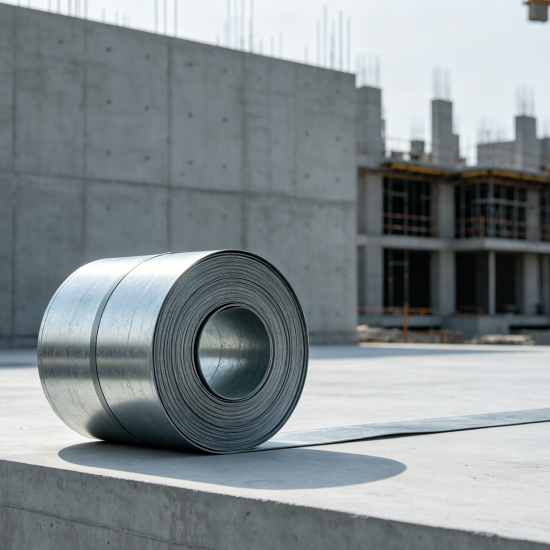
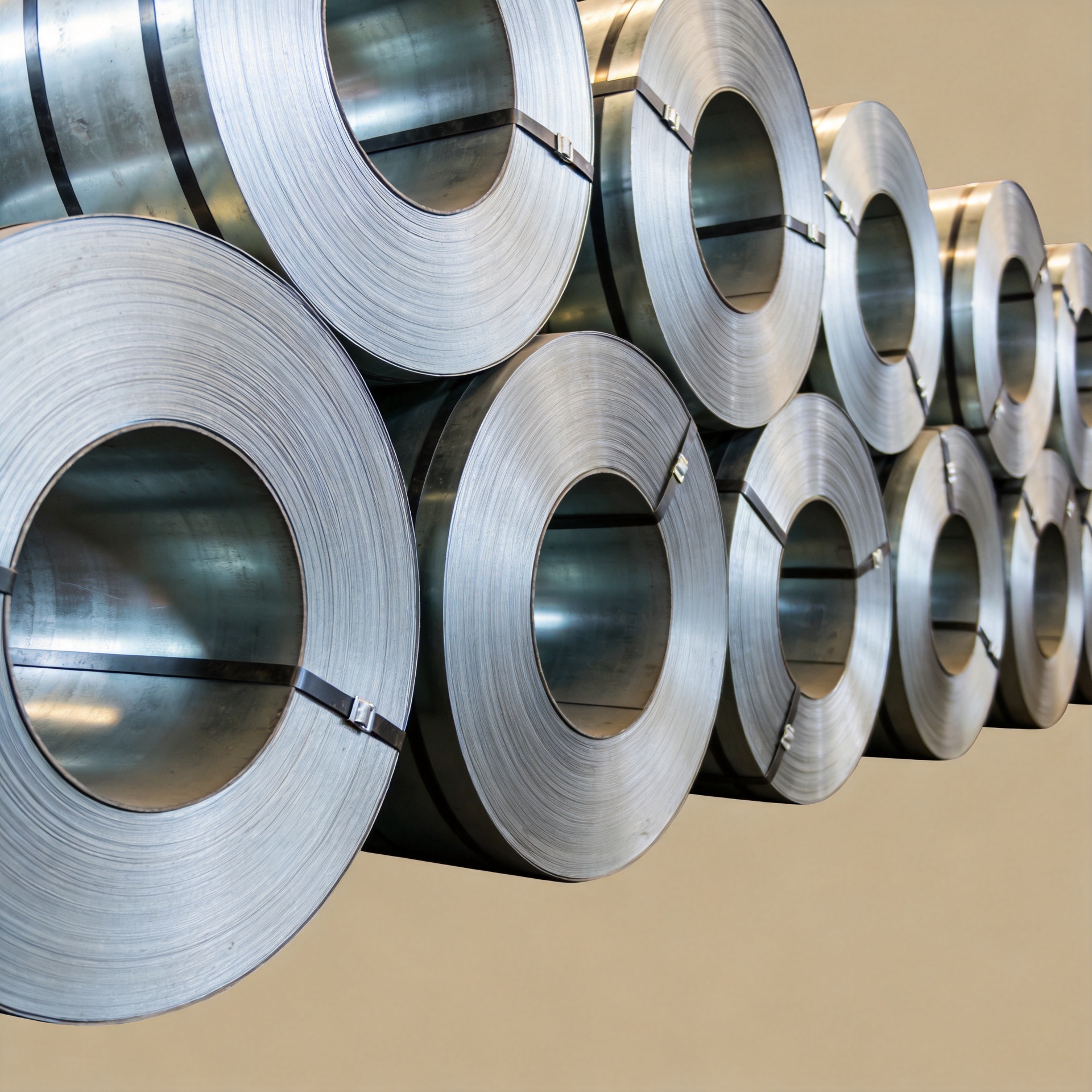
It's tempting to think of construction as a seasonal activity, but large-scale commercial and infrastructure projects don't pause for weather in the same way residential building does. Road and bridge projects, industrial facility expansions, prefabricated building deliveries, and warehouse construction proceed on multi-year timelines that require galvanized steel coil procurement in every quarter.
In regions like Southeast Asia, the Middle East, and sub-Saharan Africa — which account for a significant share of global galvanized coil consumption — climate patterns allow construction to proceed year-round. For buyers sourcing galvanized coil or color coated galvanized steel coil for these regions, this translates directly into predictable quarterly orders regardless of the calendar month.
Geographic Diversification Balances Seasonal Cycles
A buyer focused only on domestic demand might observe seasonal fluctuations in galvanized coil orders. But the global picture is different. When the Northern Hemisphere moves into winter and some construction activity slows, the Southern Hemisphere enters its peak building season. When North American roofing demand peaks in spring, distributors in South America and Africa are placing orders for year-end project completions.
This geographic demand distribution means that producers and traders operating across multiple markets experience a more level order pattern than those serving a single region. For import/export buyers, this is actually one of the structural advantages of trading in galvanized coil: you can plan procurement around a global calendar rather than a single national cycle, which improves inventory management and reduces exposure to sudden domestic demand gaps.
Price Volatility Is Not the Same as Demand Volatility
This distinction matters more than it might seem at first. Steel pricing — including galvanized steel coil pricing — is heavily influenced by iron ore costs, energy prices, currency fluctuations, and trade policy changes. Prices can move significantly over a quarter. But this price volatility rarely causes equivalent swings in physical demand volume.
When prices rise, buyers may pull forward purchases to lock in lower costs. When prices fall, they may delay slightly to capture savings. But the underlying need for galvanized coil in roofing panels, HVAC enclosures, and structural frames doesn't disappear because prices moved. Construction contracts are typically signed months in advance, and material specifications — including zinc coating weight standards like Z100, Z275, or ASTM A653 G90 — are locked in during the design phase. Switching away from a specified galvanized steel coil product once a project is underway is rarely practical.
The industries that depend on galvanized coil have, over time, locked themselves into it through specification and contract cycles. This stickiness is a key reason demand holds even in high-price environments.
The Role of Color Coated Galvanized Steel Coil in Extending Demand
Beyond standard hot-dip galvanized coil, the market for color coated galvanized steel coil has added a further layer of year-round demand. Prepainted coated products are used in commercial and residential roofing, decorative wall panels, appliance housing, and garage doors — application segments with distinct procurement cycles that don't fully overlap with structural galvanized coil demand.
When an architectural project requires a specific RAL color for facade panels, the buyer's procurement timeline is tied to the design schedule, not the calendar. When an appliance manufacturer plans a product refresh, color coated galvanized steel coil orders follow their own production cycle. These diverse procurement timelines spread demand across the year in ways that plain steel categories simply don't achieve.
What This Means for Buyers and Distributors
Understanding the structural reasons behind stable galvanized coil demand has practical implications for buyers, distributors, and trading intermediaries. First, inventory decisions can be made with more confidence, because the demand floor — driven by construction, HVAC, agriculture, and industrial sectors — tends to be predictable even when pricing is not. Second, supplier relationships can be built around consistent volume rather than opportunistic spot purchases, which often results in better lead times and service reliability.
For buyers sourcing across multiple regions and looking to consolidate supply through a single trading partner, working with a supplier like Shenyang Yuanhe Steel Trading Co., Ltd. — which specializes in GI, PPGI, PPGL, and Galvalume coated steel products sourced from certified Chinese mills — offers a way to align procurement planning with the year-round demand profile these products naturally carry. Consistent availability across product lines means buyers can maintain steady supply chains rather than chasing spot availability in volatile windows.
Conclusion
Galvanized steel coil holds stable market demand year-round because it is deeply embedded across multiple industries, geographies, and construction timelines that don't all move in the same direction at the same time. The combination of multi-sector application, geographic demand balancing, and structural switching costs creates a resilient demand base that price cycles can disrupt temporarily but rarely deflect over time. For procurement professionals planning galvanized coil sourcing strategies, this structural stability is one of the strongest arguments for treating it as a core procurement category rather than a reactive spot purchase.