EN
EN

How to customize length size of precision cut GI coil finished sheets
2026/09/11
Learn how to specify precision cut GI coil sheets in custom lengths — tolerance selection, coating integrity, and ordering tips.
2026/09/03
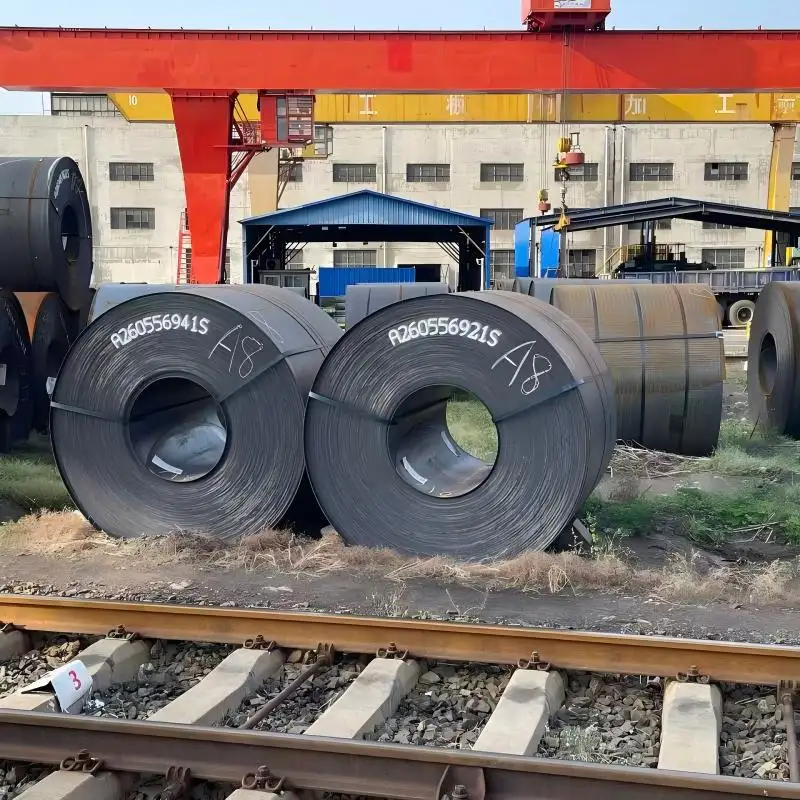
Selecting the right coated steel for harsh, high‑temperature industrial environments often comes down to understanding critical thermal tolerance limits. While standard hot‑dip galvanized steel (GI) delivers dependable corrosion resistance under normal mild ambient conditions, sustained or intermittent elevated heat completely alters material performance outcomes. A vast number of industrial facilities, commercial food processing plants, heavy equipment manufacturing hubs, and thermal processing workshops struggle with premature structural rust and surface degradation. Most of these material failures are not caused by poor on‑site maintenance or improper installation, but by prolonged thermal stress that gradually breaks down conventional zinc coating systems.
Understanding how high‑temperature oxidation resistance directly impacts the long‑term structural durability of building envelopes and mechanical equipment is essential for factory managers, procurement teams, and engineering designers. Selecting thermally stable coating materials effectively avoids premature structural failure, unplanned operational downtime, frequent repainting cycles, and repetitive replacement costs that drain long‑term project budgets.
Both galvalume steel coil and traditional galvanized steel rely on dual protective mechanisms: physical barrier protection and sacrificial cathodic protection to shield the base carbon steel from oxidation and moisture damage. However, their molecular microstructure and thermal stability under continuous heat exposure differ dramatically. Pure zinc-based GI coatings lose their compact structural integrity at relatively low temperature thresholds, making them unsuitable for long-term high-heat industrial applications, while aluminum-zinc alloy coatings maintain stable performance under far more rigorous thermal conditions.
The fundamental thermal advantage of premium galvalume steel coil stems from its precise alloy composition: 55% aluminum, 43.4% zinc, and 1.6% silicon. When ambient and surface temperatures rise steadily, the high-purity aluminum within the alloy matrix rapidly reorganizes and forms a dense, continuous, and thermally stable aluminum oxide layer across the entire material surface. This compact oxide film acts as an impervious thermal shield, blocking oxygen, heat radiation, and airborne contaminants from reaching the underlying steel substrate. In stark contrast, pure zinc coatings develop a loose, porous oxide layer under consistent heating, allowing external oxygen and moisture to continuously penetrate the coating and accelerate substrate corrosion and structural decay.
The thermal performance gap between galvalume and standard galvanized steel becomes extremely obvious across defined temperature ranges, guiding accurate material selection for different industrial thermal scenarios:
Below 200°C: Both galvalume and GI coatings deliver stable and reliable protective performance. Even so, galvalume steel exhibits far superior surface stability during production, transportation, and storage, effectively minimizing common issues such as storage stain, water spots, and transport-induced moisture damage that often mar standard galvanized steel surfaces.
200°C to 250°C: Standard GI coatings begin degrading at an accelerated rate. At approximately 225°C, pure zinc undergoes rapid thermal oxidation, gradually changing surface color from metallic silver to pale yellow, then dark brown, before finally flaking off into loose powdery residue. For this reason, GI-made exhaust ducts, boiler room cladding, industrial oven housings, and ventilation enclosures suffer rapid failure and require frequent replacement within this temperature range.
250°C to 315°C: Galvalume steel excels consistently without losing coating adhesion or structural protective capabilities. The aluminum-rich oxide barrier fully stabilizes under repeated heating cycles, maintaining complete protection for the core steel substrate even when the material surface develops slight, non-damaging dark discoloration.
Above 315°C: Both conventional galvalume and standard galvanized steel reach their maximum operational thermal limits. For continuous ultra-high-temperature exposure in this range, specialized aluminized steel or professional stainless steel alloys become the mandatory material choice.
Industrial oven manufacturers and thermal equipment suppliers frequently face persistent quality issues with exterior panel discoloration, coating chalking, and rust formation around heating doors and high-heat ventilation zones. Standard GI panels typically develop obvious oxidation marks and color fading within just six months of service, forcing factories to implement tedious repainting and maintenance cycles every two years to preserve equipment integrity and appearance.
Switching to high-quality direct-supply galvalume steel coil brings substantial and measurable operational improvements for thermal equipment manufacturers. Thermal discoloration onset is extended from merely six months to more than three years of continuous operation. Under normal industrial thermal cycles, panel replacement rates drop nearly to zero, completely eliminating recurring material replacement expenses. Most importantly, the elimination of ongoing maintenance allows mechanical and equipment builders to extend structural product warranties and enhance overall market competitiveness.
If equipment casings, wall panels, or roof surfaces endure temperatures above 200°C—even intermittently during operation—upgrading from traditional GI to professional galvalume steel coil becomes a necessary engineering upgrade rather than an optional improvement. Typical high-temperature application environments include industrial roofing above heat vents and smelting furnaces, exhaust duct enclosures, boiler room exterior cladding, commercial food processing kitchens, industrial baking lines, automotive curing ovens, paint shop drying systems, agricultural crop drying facilities, and biomass heating plant structures.
Securing reliable high-temperature resistant steel materials requires clear and strict sourcing specifications. Buyers are strongly recommended to select AZ150 or higher coating grades to ensure sufficient barrier thickness and stable thermal resistance, along with complete and verifiable mill test certificates for full chemical composition traceability.
As a trusted global manufacturer and supply chain partner, Yuanhe Steel supplies certified high-performance galvalume steel coil specifically engineered to withstand rigorous thermal industrial environments. Equipped with advanced production lines and strict multi-stage quality control systems, our professional engineering team provides customized material selection guidance and stable global logistics solutions for high-demand industrial projects worldwide. Choosing premium galvalume steel coil over ordinary GI guarantees superior high-temperature oxidation resistance, effectively protecting long-term capital investments with proven, stable material science performance.
2026/09/11
Learn how to specify precision cut GI coil sheets in custom lengths — tolerance selection, coating integrity, and ordering tips.
2026/09/11
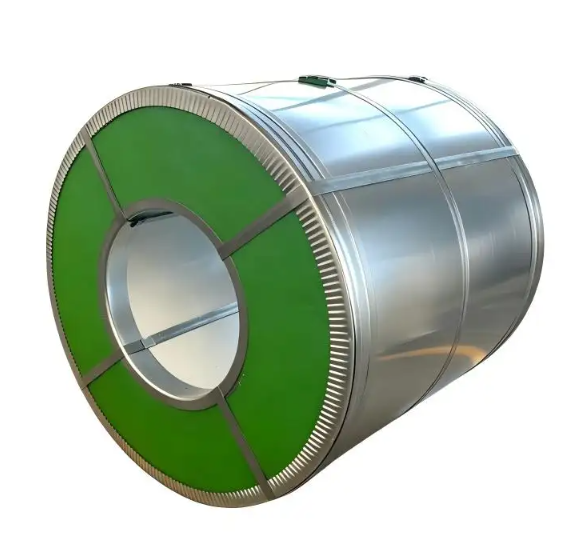
Learn why premium finish galvalume steel coil delivers better paint adhesion and visual consistency in finished building products. Request specs today.
2026/09/10
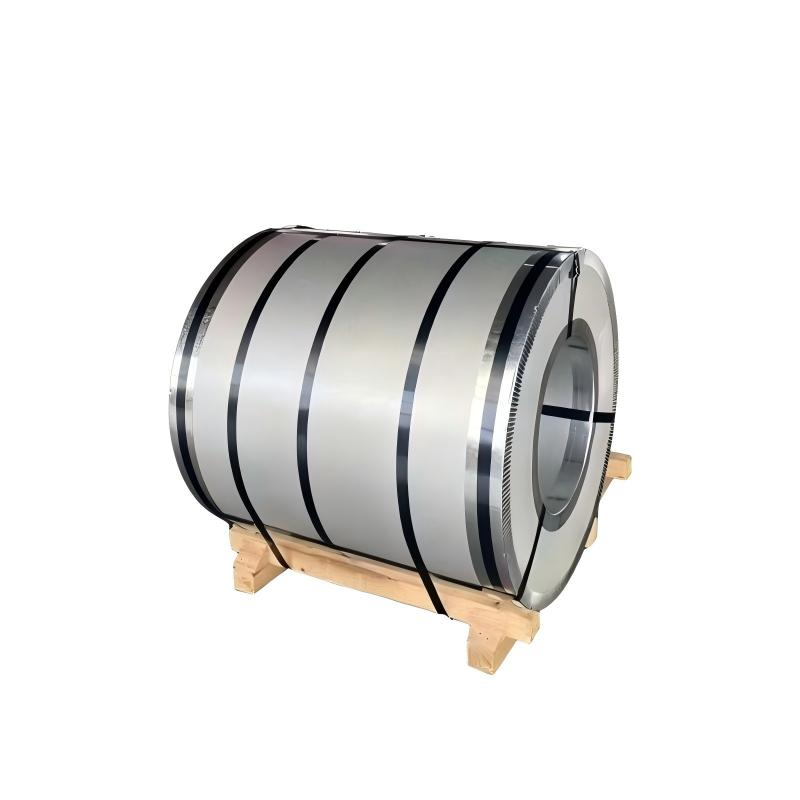
Learn why heavy coating galvalume steel coil provides superior corrosion resistance in harsh coastal settings and saves long-term maintenance costs.
2026/09/10
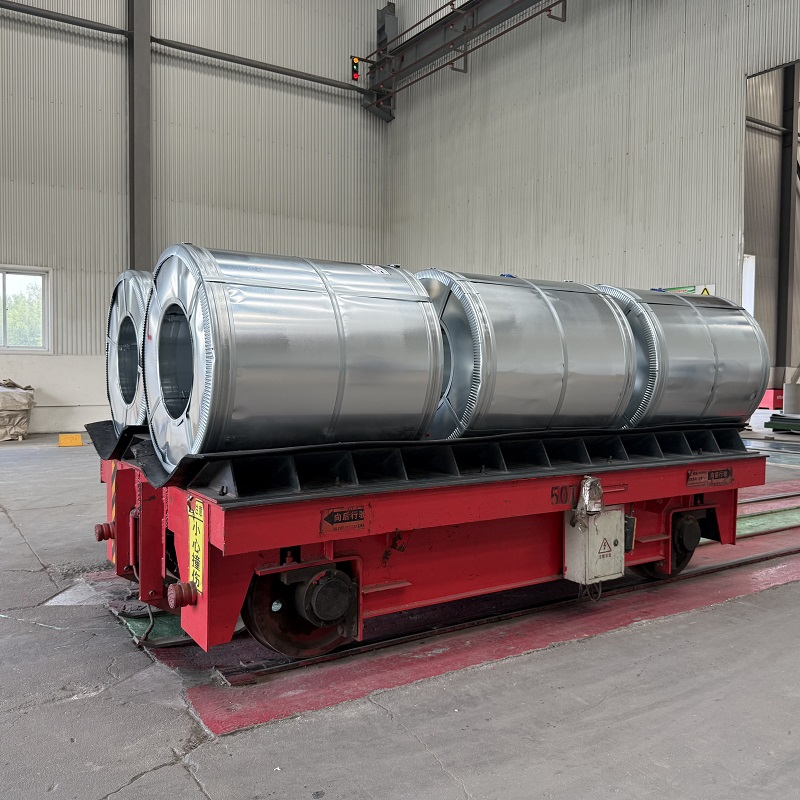
Learn how to test the bending performance of formable galvalume steel coil samples using T-bend testing to prevent cracking and scrap.
2026/09/10
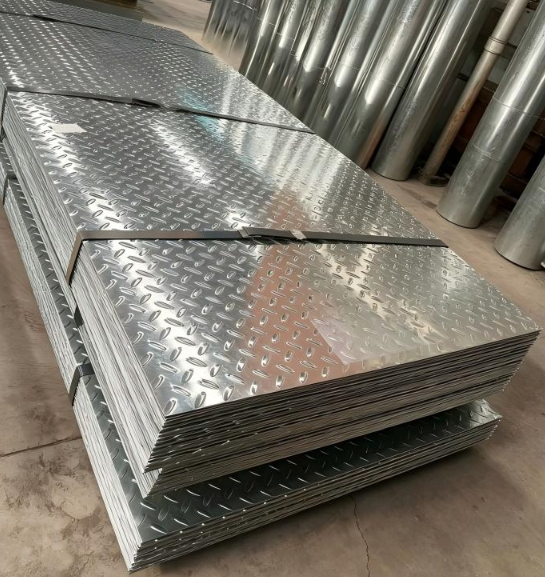
Discover how multi specification galvalume steel coil simplifies purchasing, boosts productivity, and lowers costs for metal fabricators.
2026/09/10
Discover why hot dipped galvanized steel and hot dip galvanized checkered plate offer ideal corrosion resistance and strength for road guardrails.
Covering green transformation, product comparison, selection guide, and industry empowerment, helping you fully grasp the dynamics of the color steel industry.
Global climate action and Belt and Road cooperation are driving the color steel industry’s shift toward green, sustainable development.
Comparing PPGI and PPGL across performance, durability, and applications to help you select the optimal coated steel for your project.
A practical guide to selecting and applying color steel coils, ensuring optimal performance, durability, and cost-effectiveness for your projects.
Industry forum drives digital and green transformation, empowering steel sector development through innovation and collaboration.