EN
EN

How to customize length size of precision cut GI coil finished sheets
2026/09/11
Learn how to specify precision cut GI coil sheets in custom lengths — tolerance selection, coating integrity, and ordering tips.
2026/08/05
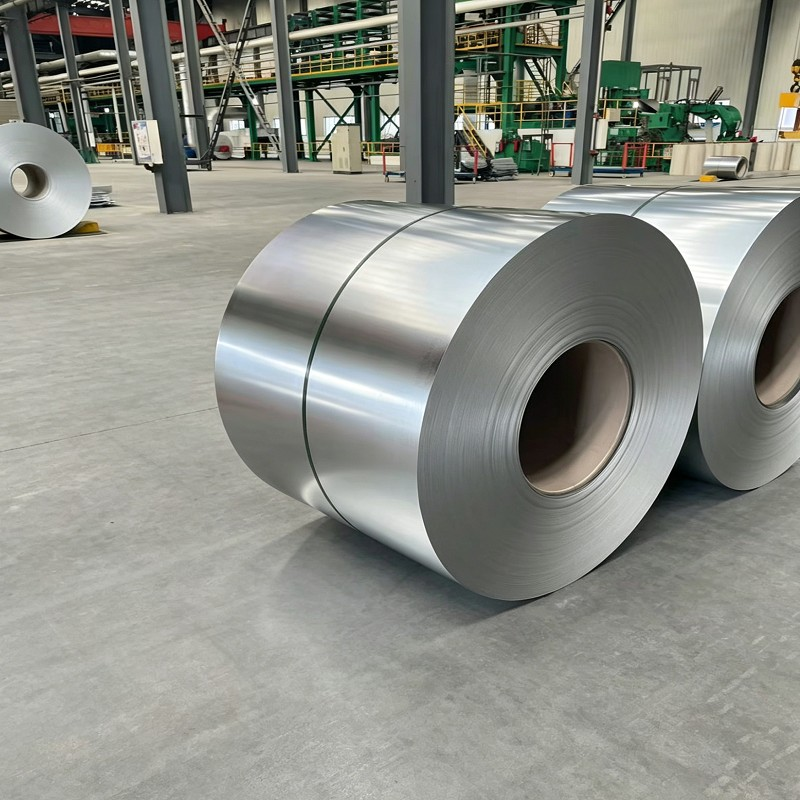
Deep drawing is one of the most demanding sheet metal forming processes, transforming flat coil into three dimensional shapes like appliance housings, automotive panels, and architectural components. When the starting material is PPGI coil, the challenge doubles: the substrate must withstand severe plastic deformation while the pre applied paint film must remain intact without cracking, peeling, or losing adhesion. Formable PPGI steel coil is specifically engineered to meet these dual demands, but not all prepainted galvanized coil products perform equally under deep drawing conditions. Drawing from five years of technical support for appliance manufacturers and metal stamping facilities, this article explains why formable PPGI steel coil supports deep drawing processing, what material properties matter most, and how to specify the right PPGI coil grade for your drawing application.
Deep drawing success begins with the steel substrate beneath the paint. Formable PPGI steel coil for drawing applications uses extra deep drawing quality (EDDQ) or super deep drawing quality (SDDQ) substrates, designated as DX53D and DX54D in the EN 10346 standard. These grades undergo specialized interstitial free steel processing, where carbon and nitrogen are stabilized by titanium or niobium additions, eliminating strain aging and enabling uniform elongation exceeding 36 percent. For PPGI coil used in moderate drawing operations, DX52D grade with 28 percent elongation may suffice. However, for deep drawing where the draw ratio (punch diameter to blank diameter) exceeds 1.8, only DX54D based formable PPGI steel coil provides the necessary plastic flow without thinning failure or tearing. The yield strength of these substrates ranges from 140 to 220 MPa, deliberately low to facilitate material flow into the die cavity. In contrast, structural grade PPGI coil with 350 MPa yield strength will fracture during deep drawing attempts, regardless of coating quality.
The paint system on formable PPGI steel coil must accommodate the severe surface strains of deep drawing. Standard polyester coatings, with elongation at break of 5 to 8 percent, cannot survive draw ratios above 1.5 without micro cracking. For deep drawing applications, PPGI coil manufacturers apply specialized flexible primer formulations containing modified resins that achieve elongation at break of 15 to 25 percent, well above the surface strain experienced during typical deep drawing operations. Selecting the correct PPGI coil grade prevents costly production failures. The ASTM D4145 T bend test provides a practical measure of coating flexibility: formable PPGI steel coil for deep drawing should achieve a T bend value of 0T or 1T, meaning the coated sheet can be bent flat upon itself or over one sheet thickness without coating cracking. The ASTM D3359 crosshatch adhesion test verifies that the paint film remains bonded to the zinc layer under forming stress, with a classification of 4B or 5B indicating excellent adhesion. In a 2023 refrigerator cabinet production project, a manufacturer in Thailand switched from standard PPGI coil to DX54D based formable PPGI steel coil with flexible primer, reducing cabinet rejection rates from 8.5 percent to 1.2 percent over six months.
Even with the correct formable PPGI steel coil grade, deep drawing success depends on precise control of processing parameters. Die clearance must account for the combined thickness of the steel substrate and paint film, typically adding 0.04 to 0.06 mm to the standard clearance for uncoated steel. Punch radius should be at least 5 times the sheet thickness to distribute bending strain and prevent coating cracking at the radius. Blank holder pressure requires careful tuning: excessive pressure restricts material flow and causes tearing, while insufficient pressure allows wrinkling. For PPGI coil with a 20 micrometer primer plus 20 micrometer topcoat system, the recommended blank holder pressure is 10 to 15 percent lower than for uncoated steel of the same gauge. Lubricant selection is critical for formable PPGI steel coil: drawing compounds must be compatible with the paint system to avoid chemical softening or staining. Water soluble lubricants with pH between 7 and 9 are generally safe for polyester coated PPGI coil. A pre production trial with 5 to 10 blanks is strongly recommended to validate all parameters before committing full production quantities.
Deep drawing of PPGI coil can produce four primary failure modes: coating cracking at punch radii, paint peeling at flange edges, orange peel surface on drawn walls, and substrate tearing at the cup bottom. Coating cracking occurs when the paint system elongation is insufficient for the draw ratio; prevention requires specifying formable PPGI steel coil with T bend 0T or 1T rating. Paint peeling at flange edges results from poor coating adhesion combined with high blank holder pressure; the solution is to verify ASTM D3359 adhesion classification before production and reduce holder pressure by 10 to 15 percent. Orange peel surface indicates excessive grain size in the steel substrate, requiring EDDQ or SDDQ grade PPGI coil with controlled grain size below ASTM 7. Substrate tearing at the cup bottom signals either insufficient formability grade or incorrect die clearance, both correctable through material specification and tooling adjustment.
Selecting the right formable PPGI steel coil for deep drawing requires clear communication of your drawing parameters to the supplier. Provide the draw ratio, minimum punch radius, final part geometry, and expected production volume. Request material test certificates showing yield strength, elongation percentage, T bend value, and crosshatch adhesion classification. For high volume appliance production, consider ordering PPGI coil with inline formability testing data from the coating line, providing batch specific performance verification. The right PPGI coil specification eliminates trial and error in production setup. Shenyang Yuanhe Steel supplies formable PPGI steel coil in DX52D through DX54D grades with thickness from 0.09 mm to 1.5 mm, offering flexible primer systems rated to T bend 0T for the most demanding deep drawing applications. Their ASTM A653 and EN 10346 compliant production lines, combined with 6 to 14 day lead times and three tier quality control, support appliance and automotive component manufacturers who require consistent PPGI coil formability batch after batch.
Comparison Table
|
Draw Ratio |
Min Substrate Grade |
Required T-Bend |
Coating Elongation |
Typical Application |
|
1.0-1.3 (Shallow) |
DX51D |
3T |
5-8% |
Flat panels, profiles |
|
1.3-1.5 (Moderate) |
DX52D |
2T |
8-12% |
Door panels, trims |
|
1.5-1.8 (Deep) |
DX53D |
1T |
12-18% |
Appliance housings |
|
1.8-2.2 (Very Deep) |
DX54D |
0T |
18-25% |
Refrigerator cabinets |
|
2.2+ (Ultra Deep) |
DX56D (SDDQ) |
0T |
25%+ |
Complex automotive parts |
Frequently Asked Questions
Q: What PPGI coil grade is needed for refrigerator cabinet deep drawing?
A: Refrigerator cabinet production typically requires a draw ratio of 1.8 to 2.2, necessitating DX54D (EDDQ) grade formable PPGI steel coil with T bend 0T rating and coating elongation of 18 to 25 percent. Using lower grades will result in coating cracking and substrate tearing.
Q: How does the paint coating affect deep drawing die clearance?
A: The combined thickness of primer and topcoat (typically 0.04 to 0.06 mm) must be added to the die clearance. For example, a 0.50 mm steel sheet with 0.05 mm total coating requires 0.55 mm die clearance to prevent coating compression damage.
Q: Can standard polyester PPGI coil be used for deep drawing?
A: Standard polyester coatings with 5 to 8 percent elongation are suitable only for shallow drawing (draw ratio below 1.3). For deeper drawing operations, formable PPGI steel coil with flexible primer systems achieving 15 to 25 percent elongation is required to prevent coating cracking.
2026/09/11
Learn how to specify precision cut GI coil sheets in custom lengths — tolerance selection, coating integrity, and ordering tips.
2026/09/11
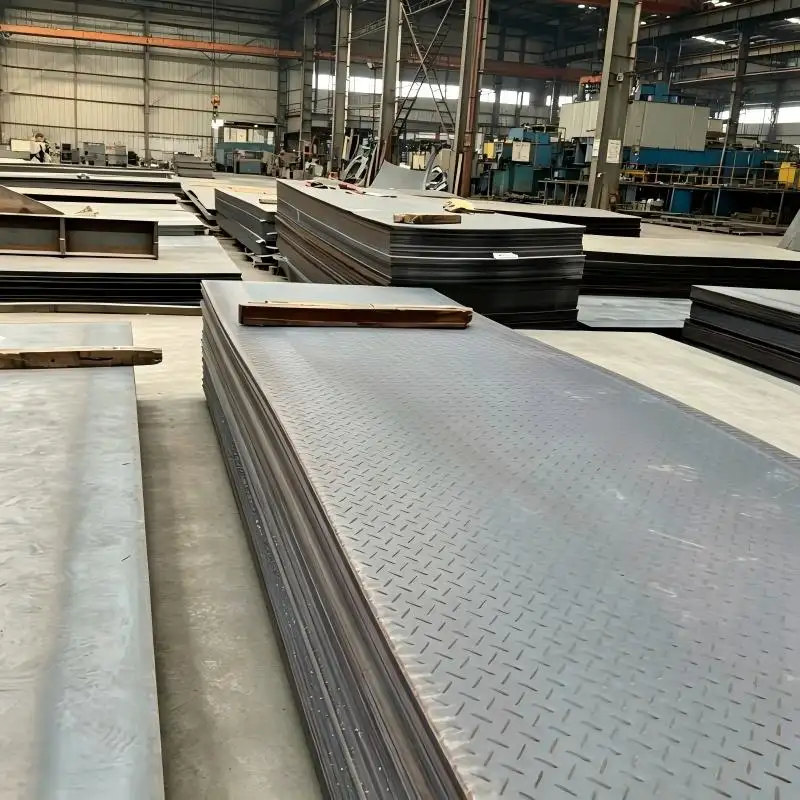
Learn why premium finish galvalume steel coil delivers better paint adhesion and visual consistency in finished building products. Request specs today.
2026/09/10
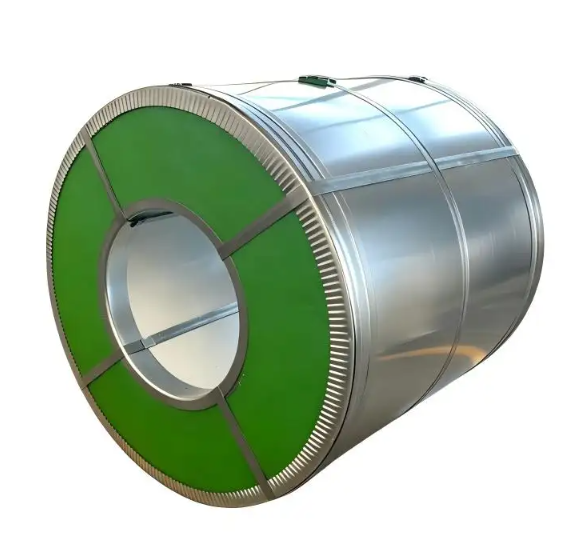
Learn why heavy coating galvalume steel coil provides superior corrosion resistance in harsh coastal settings and saves long-term maintenance costs.
2026/09/10
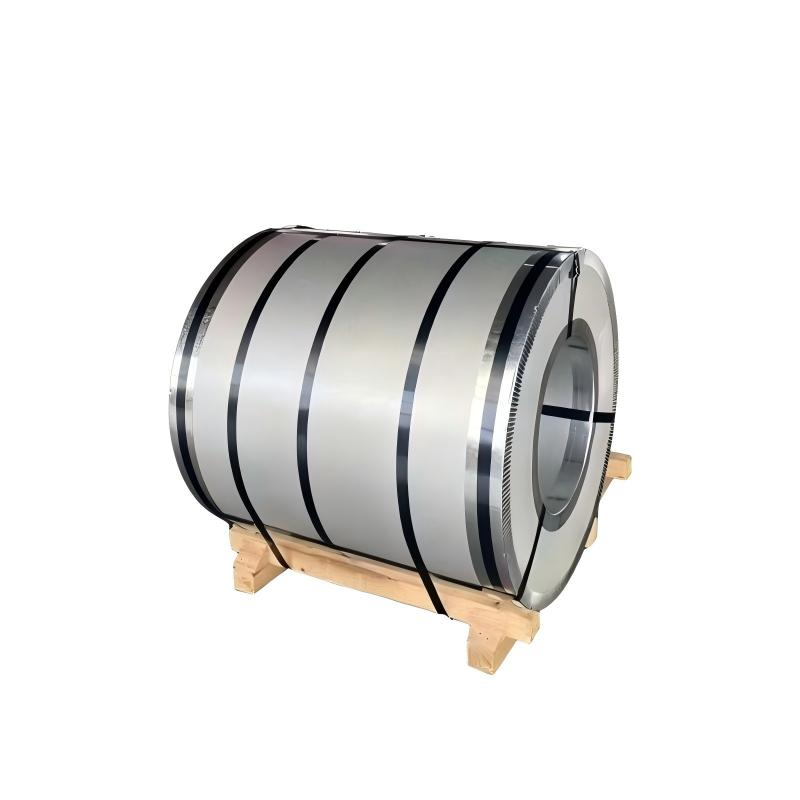
Learn how to test the bending performance of formable galvalume steel coil samples using T-bend testing to prevent cracking and scrap.
2026/09/10
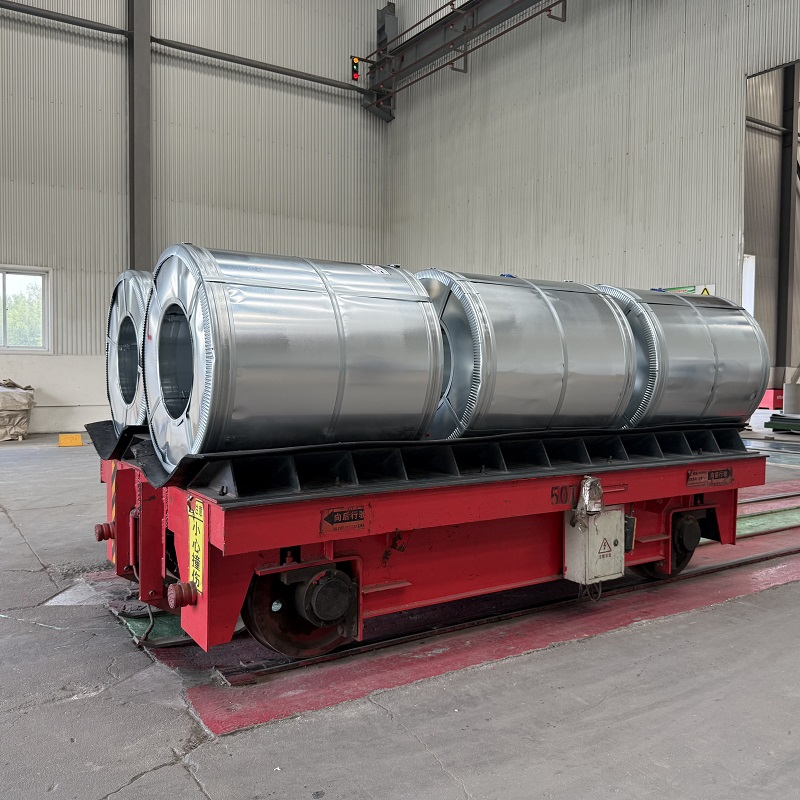
Discover how multi specification galvalume steel coil simplifies purchasing, boosts productivity, and lowers costs for metal fabricators.
2026/09/10
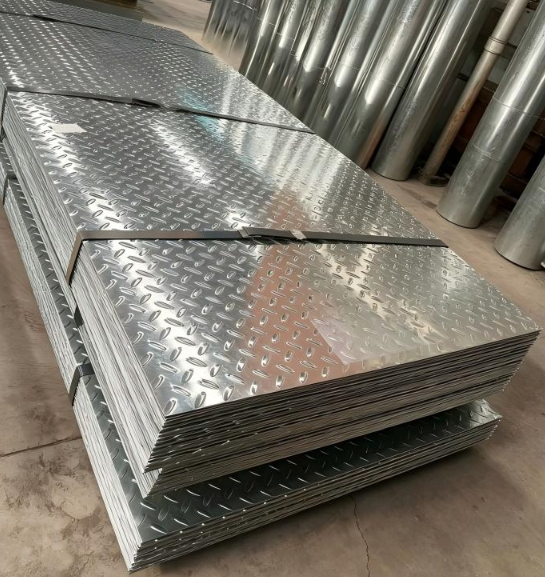
Discover why hot dipped galvanized steel and hot dip galvanized checkered plate offer ideal corrosion resistance and strength for road guardrails.
Covering green transformation, product comparison, selection guide, and industry empowerment, helping you fully grasp the dynamics of the color steel industry.

Global climate action and Belt and Road cooperation are driving the color steel industry’s shift toward green, sustainable development.

Comparing PPGI and PPGL across performance, durability, and applications to help you select the optimal coated steel for your project.
A practical guide to selecting and applying color steel coils, ensuring optimal performance, durability, and cost-effectiveness for your projects.
Industry forum drives digital and green transformation, empowering steel sector development through innovation and collaboration.