EN
EN
How to customize length size of precision cut GI coil finished sheets
2026/09/11
Learn how to specify precision cut GI coil sheets in custom lengths — tolerance selection, coating integrity, and ordering tips.
2026/08/08
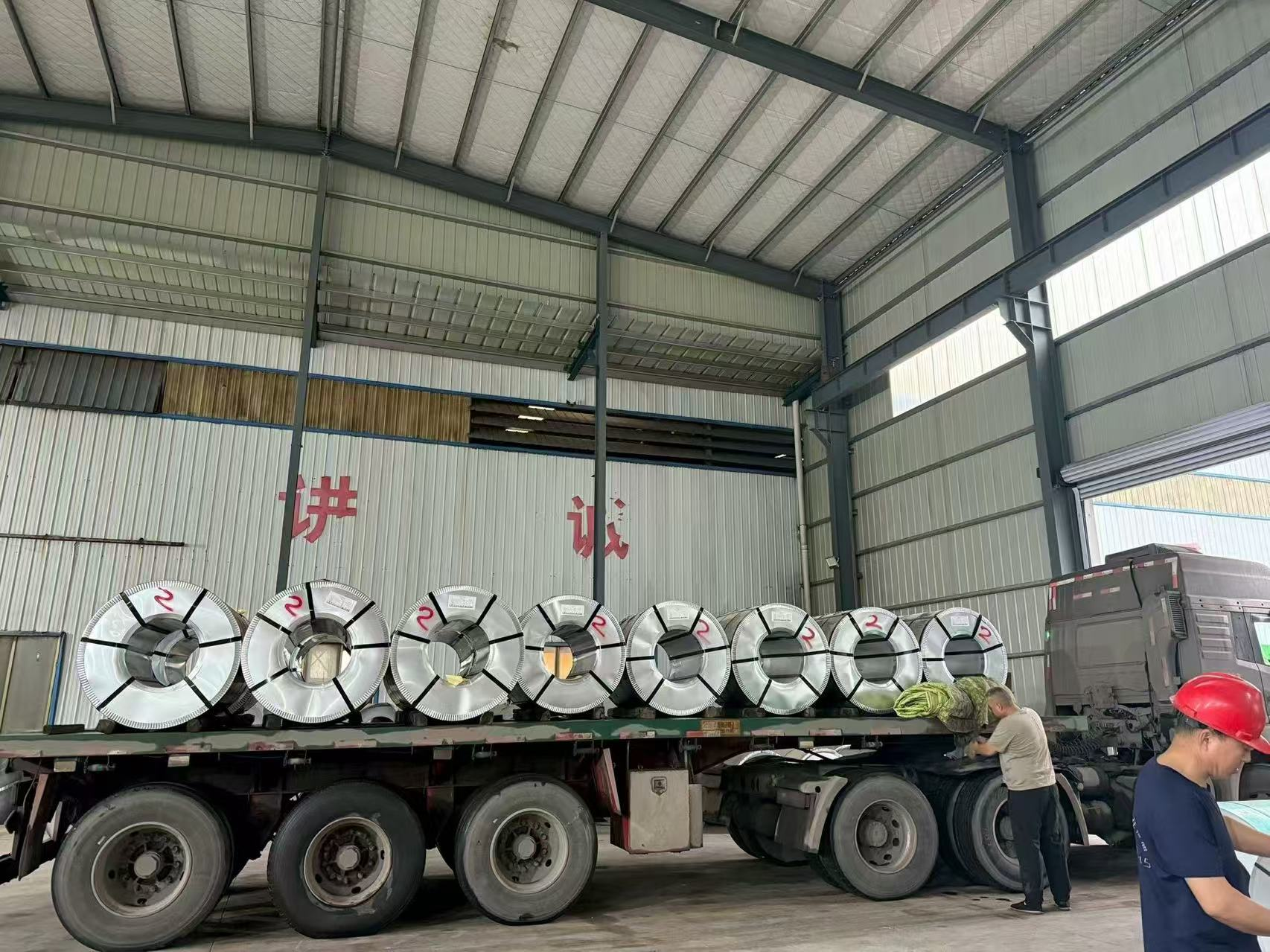
Manufacturing intricate curved metal components from pre-painted steel presents a fundamental fabrication challenge: how to bend, curve, and form the raw material without causing the paint surface to crack or delaminate. When dealing with pre-painted materials, the balance between substrate strength and coating flexibility is everything. Understanding how formable PPGI steel coil addresses these hurdles allows fabricators to achieve superior results on curved architectural panels and industrial structures without costly secondary operations.
The shift toward specialized, high-elongation metal solutions has changed how workshops handle demanding profiles. Rather than relying on traditional multi-step fabrication workflows, modern engineers look closely at the mechanical capabilities of the raw stock. Exploring the core mechanics behind formable PPGI steel coil reveals why it has become an indispensable choice for projects requiring tight radii and flawless visual finishes.
Formable PPGI steel coil is not just standard pre-painted steel that happens to bend well under pressure. It is a meticulously engineered product where every distinct layer, from the metallic substrate to the final topcoat, is optimized for severe deformation without suffering coating failure.
The underlying substrate typically utilizes low-carbon, high-elongation steel grades featuring elongation values well above 22 percent. This structural characteristic allows the base metal to stretch smoothly during heavy forming operations without work hardening to the point of structural fracture. Meanwhile, the specialized primer layer uses flexible epoxy or polyurethane formulations designed to maintain permanent adhesion during elongation, steering clear of brittle epoxy systems typically chosen only for chemical resistance.
Furthermore, the topcoat on formable colour coated steel coil relies on modified polyester resins with elongation at break values exceeding 200 percent, contrasted with the standard 80 to 120 percent found in conventional materials. These synchronized engineering choices empower the coil to undergo complex forming routines—such as tight roll forming, press brake bending, and controlled deep drawing—completely free of visible surface cracking or peeling.
The direct relationship between coating flexibility and minimum bend radius remains the most critical factor in curved component production. Standard pre-painted materials usually tolerate a minimum bend radius of 8 to 12 times the material thickness before paint micro-cracks emerge. In contrast, formable steel coil engineered with high-elongation paint systems achieves remarkable bend radii as tight as 2T to 3T without surface damage.
This technical leap means a 0.5 mm thick formable coil can be bent smoothly down to a 1.5 mm inside radius. For demanding architectural applications like sweeping curved facades, domed roofs, and rounded column cladding, this tight bend capability entirely eliminates the need for separate pre-forming and post-painting phases. By streamlining the production line, fabricators cut total fabrication time by 30 to 50 percent while completely eliminating frustrating color matching discrepancies between shop-applied and field-applied coatings.
To evaluate how different material variants stack up in a busy fabrication workshop, reviewing standardized mechanical metrics provides clear guidance for project specifiers.
Standard PPGI Steel Coil
Min Bend Radius: 8T-12T
Coating Crack Threshold: Visible cracks above 8T
Elongation at Break: 80-120%
Best Application: Flat panels and simple profiles.
Formable PPGI Steel Coil
Min Bend Radius: 2T-3T
Coating Crack Threshold: No cracks observed at 2T
Elongation at Break: 200-250%
Best Application: Complex curved facades and domed roofs.
SMP Pre-Painted Coil
Min Bend Radius: 5T-8T
Coating Crack Threshold: Hairline cracks at 5T
Elongation at Break: 150-180%
Best Application: Moderate curves and outdoor cladding.
PVDF Pre-Painted Coil
Min Bend Radius: 3T-5T
Coating Crack Threshold: No cracks at 3T
Elongation at Break: 180-220%
Best Application: Premium architectural elements with tight curves.
Special Primer Variant
Min Bend Radius: 4T-6T
Coating Crack Threshold: Fine cracks at 4T
Elongation at Break: 130-160%
Best Application: Industrial siding with gentle curves.
Complex architectural projects often push material boundaries to the limit. Consider a regional infrastructure project requiring thousands of square meters of curved cladding panels with tight radii ranging from 300 mm to 1,200 mm. Initial project designs often rely on standard PPGI steel coil, requiring flat panels to be formed first and spray-painted afterward—a labor-intensive workflow prone to significant color inconsistencies across panels.
Switching to formable PPGI steel coil featuring a modified polyester topcoat system transforms the entire execution. The material can be roll-formed directly to the desired curves in a single continuous pass without any secondary touch-up painting. Overall fabrication timelines drop drastically, and color uniformity across the entire curved facade remains flawless since every panel originates from a single production batch. Substantial cost savings quickly accumulate when factoring in reduced labor, lower paint overhead, and minimized quality control rejections.
When sourcing formable steel coil for intricate curved metal components, verifying specific technical parameters with the mill before placing an order prevents costly workshop delays.
First, confirm the minimum bend radius rating and request verified mandrel test results. Second, check the topcoat elongation at break value, ensuring it exceeds 180 percent for demanding curve work. Third, examine zero-thickness T-bend performance metrics where applicable. Fourth, confirm substrate elongation percentages and yield strength to guarantee the underlying metal handles severe deformation without unexpected work hardening. Finally, request physical material samples to execute a test bend under actual shop conditions.
Engineers designing curved components must carefully account for material thickness, bend radius, and natural springback tendencies. Thinner gauges naturally achieve tighter radii but may require supplemental internal framing for structural rigidity.
Furthermore, springback—the natural tendency of formed metal to partially spring back toward its original flat shape—must be countered directly in tooling and die design, often requiring over-bending by a few degrees depending on yield strength. Whenever possible, orienting bend lines perpendicular to the coil rolling direction yields superior results, as transverse bends achieve noticeably tighter radii than longitudinal bends on identical stock.
What is the minimum bend radius achievable with formable PPGI steel coil?
High-performance formable steel coil regularly achieves tight bend radii down to 2T without any visible surface coating cracks, drastically outperforming standard material variants that require much wider tolerances.
Can colour coated steel coil undergo deep drawing processes?
Yes, specially formulated formable variants with high-elongation topcoats tolerate limited deep drawing operations, though drawing ratios should be carefully managed to prevent excessive localized film stress.
Does topcoat dry film thickness impact overall formability?
Thicker paint films generally reduce maximum formability because heavier paint layers have less inherent capacity to elongate safely without micro-cracking during aggressive bending operations.
Transforming curved metal component production from a multi-stage headache into an efficient, streamlined workflow relies entirely on selecting the right raw materials. Utilizing high-performance formable PPGI steel coil empowers fabricators to execute tight radii, eliminate secondary painting, and achieve consistent aesthetics across demanding architectural and industrial installations.
Shenyang Yuanhe delivers premium colour coated steel coil products engineered specifically for exceptional coil bending performance and deep-draw formability. Backed by rigorous quality control frameworks and strict mechanical testing, Shenyang Yuanhe provides reliable supply chain solutions, custom dimensions, and tailored coating specifications designed to elevate manufacturing efficiency for global fabricators.
2026/09/11
Learn how to specify precision cut GI coil sheets in custom lengths — tolerance selection, coating integrity, and ordering tips.
2026/09/11
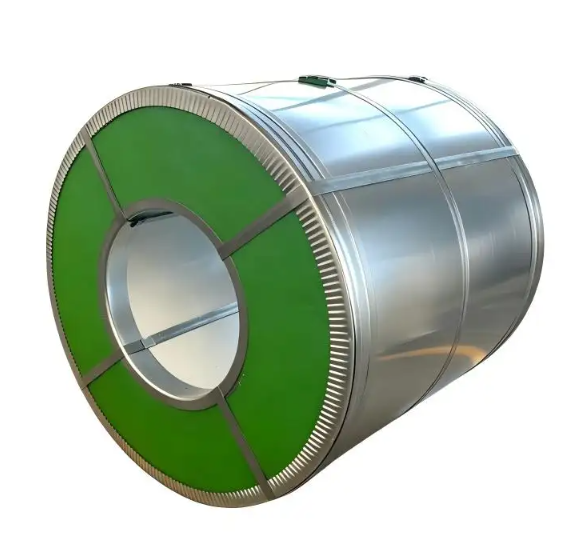
Learn why premium finish galvalume steel coil delivers better paint adhesion and visual consistency in finished building products. Request specs today.
2026/09/10
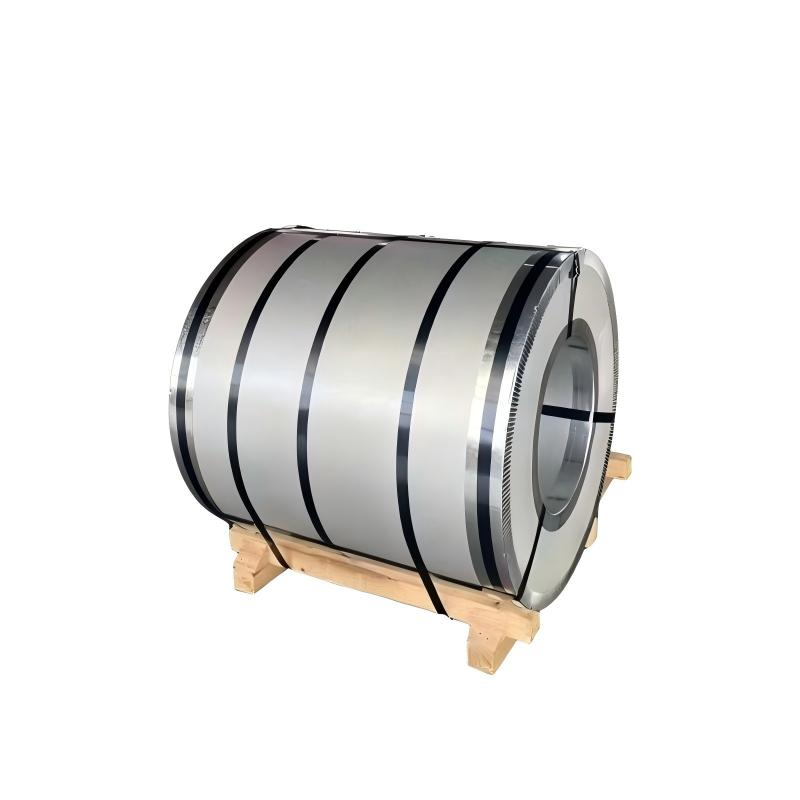
Learn why heavy coating galvalume steel coil provides superior corrosion resistance in harsh coastal settings and saves long-term maintenance costs.
2026/09/10
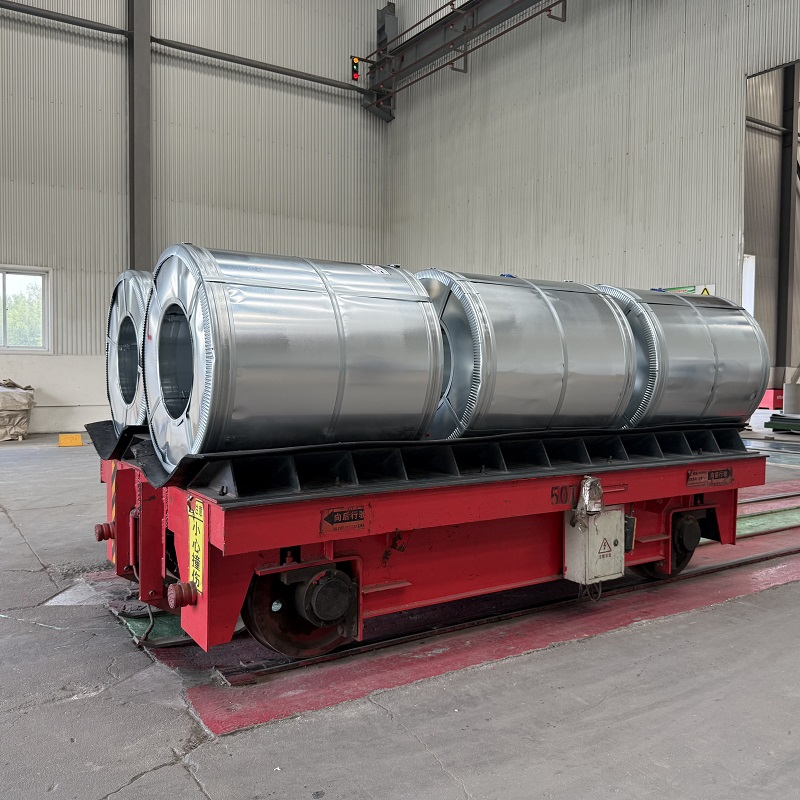
Learn how to test the bending performance of formable galvalume steel coil samples using T-bend testing to prevent cracking and scrap.
2026/09/10
Discover how multi specification galvalume steel coil simplifies purchasing, boosts productivity, and lowers costs for metal fabricators.
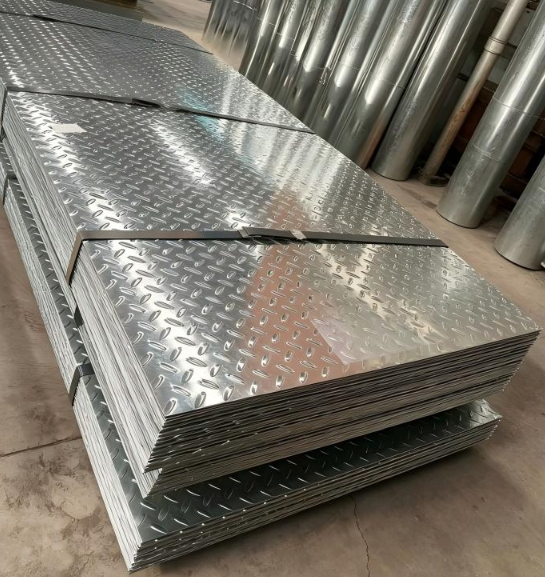
2026/09/10
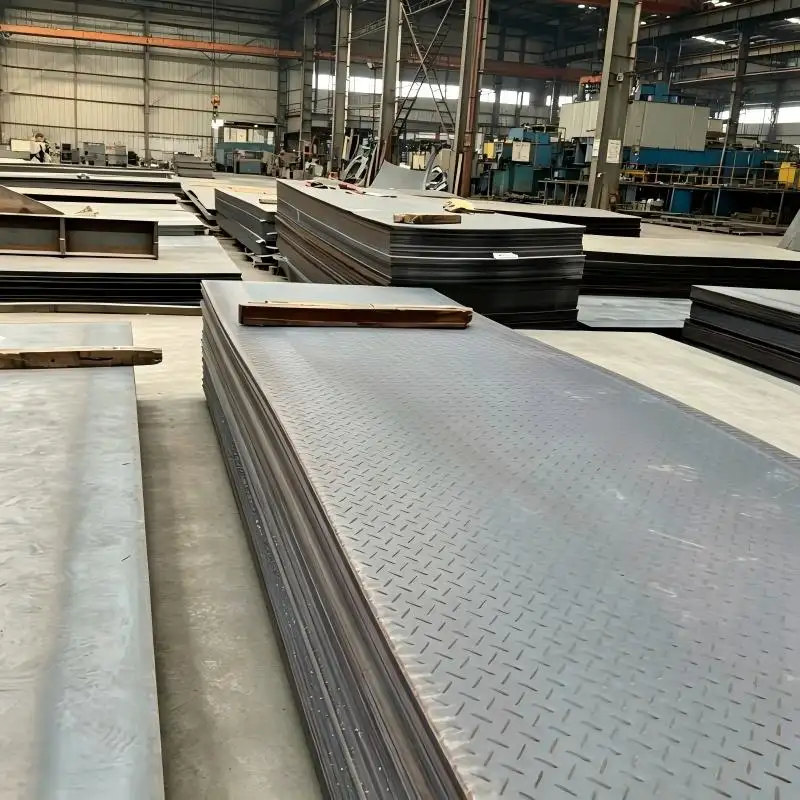
Discover why hot dipped galvanized steel and hot dip galvanized checkered plate offer ideal corrosion resistance and strength for road guardrails.
Covering green transformation, product comparison, selection guide, and industry empowerment, helping you fully grasp the dynamics of the color steel industry.

Global climate action and Belt and Road cooperation are driving the color steel industry’s shift toward green, sustainable development.
Comparing PPGI and PPGL across performance, durability, and applications to help you select the optimal coated steel for your project.
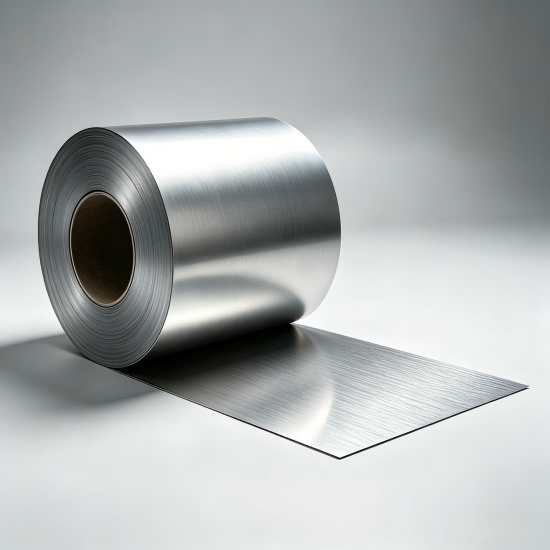
A practical guide to selecting and applying color steel coils, ensuring optimal performance, durability, and cost-effectiveness for your projects.
Industry forum drives digital and green transformation, empowering steel sector development through innovation and collaboration.