EN
EN

How to customize length size of precision cut GI coil finished sheets
2026/09/11
Learn how to specify precision cut GI coil sheets in custom lengths — tolerance selection, coating integrity, and ordering tips.
2026/08/14
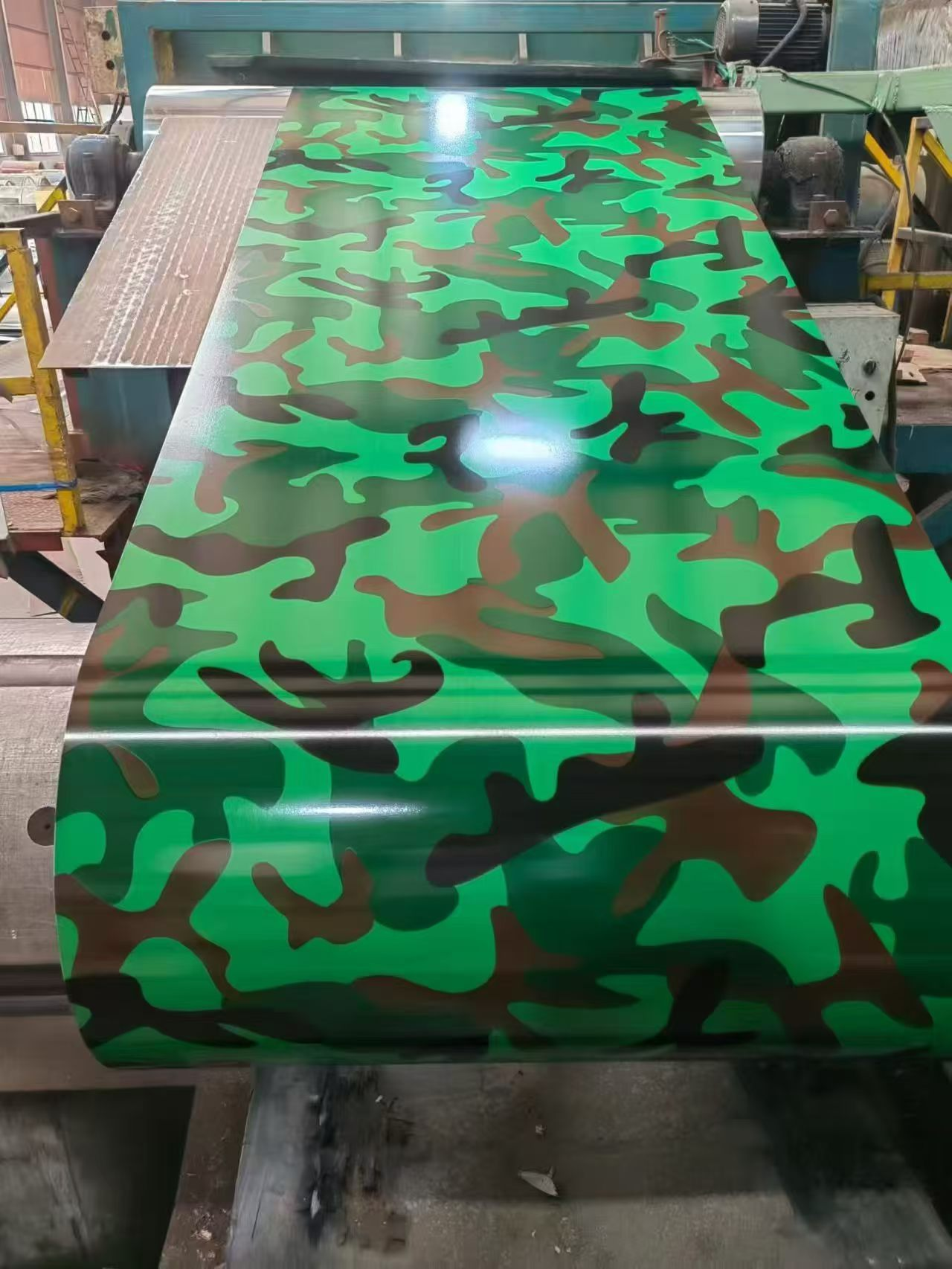
Modern metal fabrication relies on raw materials that deliver long-term corrosion resistance without sacrificing flexibility on the factory floor. When evaluating coated sheet metals, structural engineers and purchasing managers often focus heavily on atmospheric durability. However, the operational success of a material usually comes down to its behavior during actual processing.
This is where galvalume steel coil stands out. Featuring an alloy coating composed of 55% aluminum, 43.5% zinc, and 1.5% silicon, it combines barrier layer protection with cathodic edge protection. Unlike heavier, rigid metallic coatings that can flake or gall under intense mechanical stress, this specialized substrate deforms predictably Alongside the steel core. For downstream producers using this material as a base substrate for PPGL coil production, superior formability means finished prepainted sheets can be bent, roll-formed, or stamped into sharp profiles without surface cracking or loss of coating adhesion.
The impressive formability of galvalume steel coil stems directly from its intermetallic structure. During the continuous hot-dip coating process, a thin bonding layer forms between the molten zinc-aluminum bath and the cold-rolled steel base.
Because aluminum forms a ductile matrix with fine zinc-rich pockets, the protective surface flexes elastically and plastically under applied loads. Rather than shearing off the base metal, the alloy stretches continuously across tight radii. When evaluating processing techniques for high-speed automated lines, this metallurgical bond minimizes micro-fracturing along the outer bend radius, protecting the raw edge from environmental attack.
Different fabrication workflows impose unique stresses on coated steels. Selecting between bare galvalume steel coil and prepainted PPGL coil requires matching the physical limits of both the metallic coating and the organic paint system to the target shape.
| Processing Method | Bare Galvalume Performance | PPGL Coil Performance | Minimum Bend Radius | Key Tooling Considerations |
| Roll-Forming | Excellent | Excellent (PE/SMP/PVDF) | 1T to 2T | Use polished, chrome, or polyurethane rollers |
| Press-Brake Bending | Excellent | Good to Very Good | 1T to 3T | Use soft pad tooling to prevent surface scuffing |
| Stamping | Good | Fair to Good | N/A | Apply TiN die coatings and specialized lubricants |
| Deep Drawing | Fair to Good | Limited (<8% stretch) | N/A | Consider post-forming paint for extreme draw depths |
| Shearing & Slitting | Excellent | Good | N/A | Maintain sharp blades to minimize edge burrs |
Roll-forming represents the vast majority of continuous galvalume steel coil processing globally. Because roll-forming transforms flat metal strip through progressive, incremental bends across multiple tool stands, it places less sudden strain on the protective layers compared to single-stage stamping dies.
To maintain pristine surface quality during roll-forming runs, production teams should implement several practical adjustments:
Tooling Surface Finish: Rollers should be polished or hard-chrome plated to an Ra roughness below 0.4 micrometers. Smooth roller surfaces eliminate friction spikes that cause zinc pickup.
Line Speed Calibration: For standard structural profile runs, linear speeds between 15 and 40 meters per minute maintain steady material flow while avoiding heat buildup along severe bend zones.
Entry and Table Guidance: When running prepainted PPGL coil options, entry guides and exit tables should feature felt linings or high-density polyethylene rollers to eliminate scuffs on the decorative topcoat.
Unlike progressive roll-forming, stamping forces metal through rapid, high-pressure impact. Because the zinc-aluminum matrix has a lower melting point than the underlying steel base, extreme contact friction can lead to galling—a condition where soft metallic particles transfer onto the steel die.
To optimize formability during stamping and light drawing operations, consider these core factors:
Stamping dies featuring Titanium Nitride (TiN) or Diamond-Like Carbon (DLC) surface treatments significantly lower friction coefficients. Pair these hard coatings with water-soluble, synthetic lubricants specifically formulated for galvanized and galvalume substrates to prevent metal pickup.
For deep drawing or complex stamping, lighter coating weights (such as AZ100 or AZ120) generally perform better than heavy AZ180 deposits. Thinner surface coatings displace less mass under high die pressure, yielding clean, crisp corner radii without binding in the cavity.
When stamping pre-coated PPGL coil stock, the paint layer must stretch in tandem with the steel core. Standard Polyester (PE) topcoats typically accommodate 5% to 8% surface elongation before showing micro-crazing. High-durability Silicon Modified Polyester (SMP) and Polyvinylidene Fluoride (PVDF) formulations regularly withstand 8% to 12% elongation, making them better suited for deep decorative pressings.
Material temperature during factory processing directly impacts the ductility of both the metallic shell and organic paint layers:
Optimal Working Temperature: Conducting metal forming operations at room temperature (20°C to 25°C) ensures the zinc-aluminum alloy and paint film remain pliable.
Cold Weather Hazards: Processing coils below 10°C increases coating stiffness. Cold ambient temperatures can cause micro-cracking along tight bends, especially on prepainted stock.
Yield Strength Alignment: Lower yield strength substrates (around 250 MPa to 300 MPa) form easily with minimal springback. High-strength structural grades (550 MPa) require higher press force and larger bend radii to prevent fracture.
Procurement officers frequently weigh galvalume steel coil against standard hot-dip galvanized stock when planning high-volume fabrication runs:
Corrosion Longevity: The 55% aluminum ratio provides superior resistance to atmospheric rust, making it ideal for roofing, wall cladding, and exterior enclosures.
Bend Ductility: Thanks to its fine dendritic grain structure, galvalume exhibits excellent T-bend ratings, routinely achieving 1T to 2T bends without flaking.
Cost Efficiency: Because the aluminum-zinc alloy is less dense than pure zinc, galvalume provides greater yield per ton at equal coating thicknesses, optimizing material usage across long production cycles.
Achieving consistent metal forming performance on automated production lines requires raw materials manufactured to strict dimensional and mechanical tolerances. Inconsistent substrate temper, improper chemical passivations, or erratic coating weights can disrupt forming accuracy and lead to unexpected shop-floor downtime.
Shenyang Yuanhe produces high-grade galvalume steel coil and prepainted PPGL coil on state-of-the-art continuous hot-dip and color-coating lines. Backed by tight quality controls, flexible substrate customization, and robust international supply chain coordination, the enterprise delivers reliable, ready-to-form coated steel products engineered to meet demanding structural and industrial specifications worldwide.
2026/09/11
Learn how to specify precision cut GI coil sheets in custom lengths — tolerance selection, coating integrity, and ordering tips.
2026/09/11
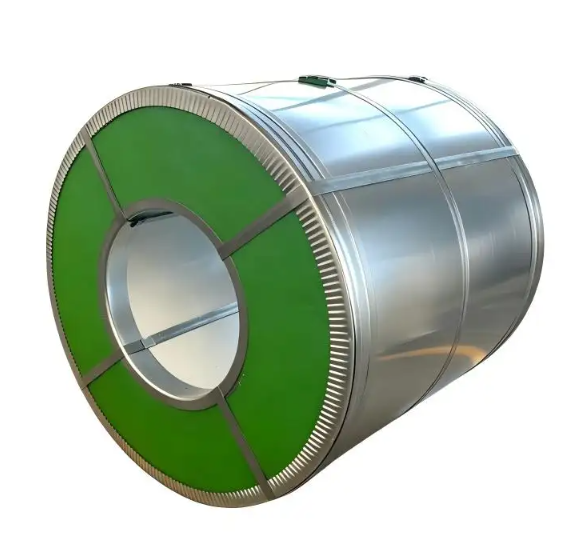
Learn why premium finish galvalume steel coil delivers better paint adhesion and visual consistency in finished building products. Request specs today.
2026/09/10
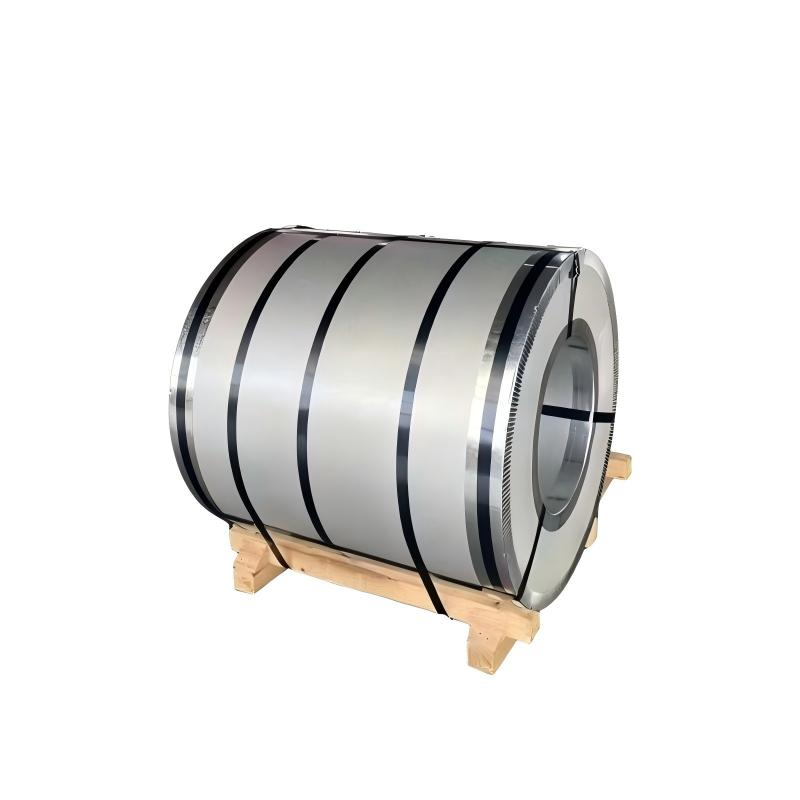
Learn why heavy coating galvalume steel coil provides superior corrosion resistance in harsh coastal settings and saves long-term maintenance costs.
2026/09/10
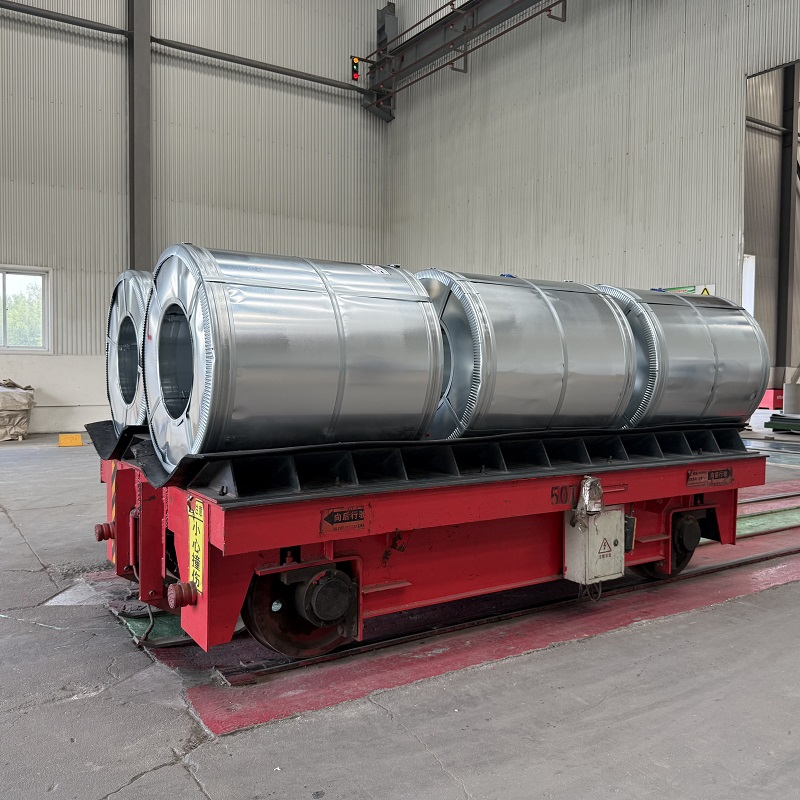
Learn how to test the bending performance of formable galvalume steel coil samples using T-bend testing to prevent cracking and scrap.
2026/09/10
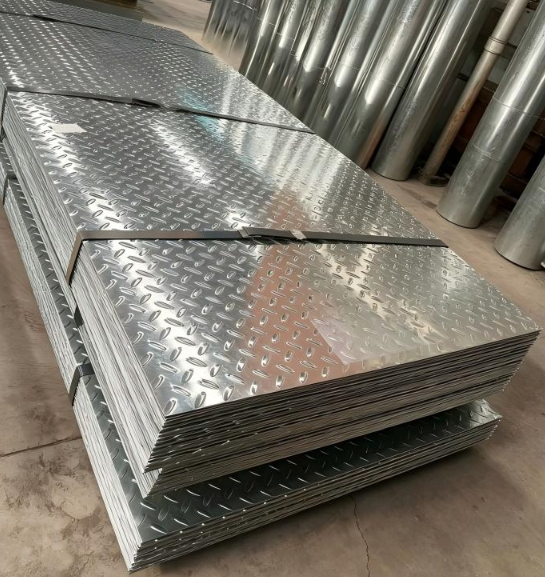
Discover how multi specification galvalume steel coil simplifies purchasing, boosts productivity, and lowers costs for metal fabricators.
2026/09/10
Discover why hot dipped galvanized steel and hot dip galvanized checkered plate offer ideal corrosion resistance and strength for road guardrails.
Covering green transformation, product comparison, selection guide, and industry empowerment, helping you fully grasp the dynamics of the color steel industry.

Global climate action and Belt and Road cooperation are driving the color steel industry’s shift toward green, sustainable development.
Comparing PPGI and PPGL across performance, durability, and applications to help you select the optimal coated steel for your project.
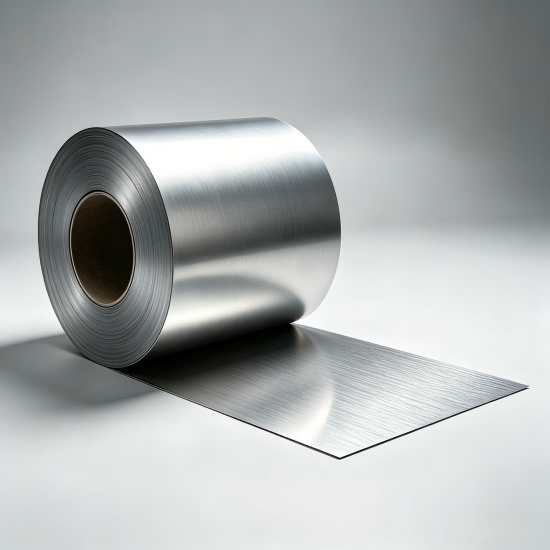
A practical guide to selecting and applying color steel coils, ensuring optimal performance, durability, and cost-effectiveness for your projects.
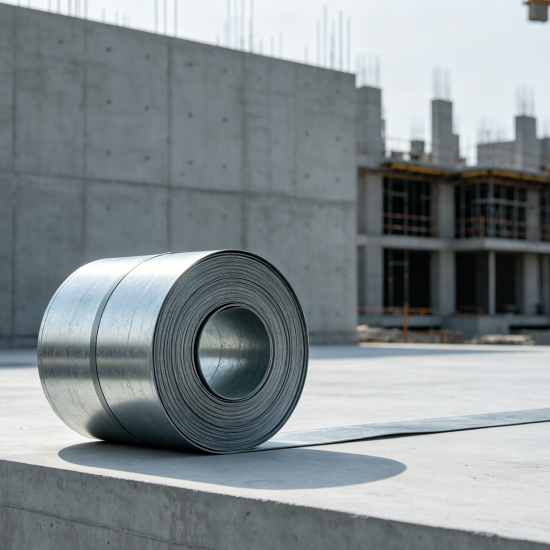
Industry forum drives digital and green transformation, empowering steel sector development through innovation and collaboration.