EN
EN

How to customize length size of precision cut GI coil finished sheets
2026/09/11
Learn how to specify precision cut GI coil sheets in custom lengths — tolerance selection, coating integrity, and ordering tips.
2026/07/15
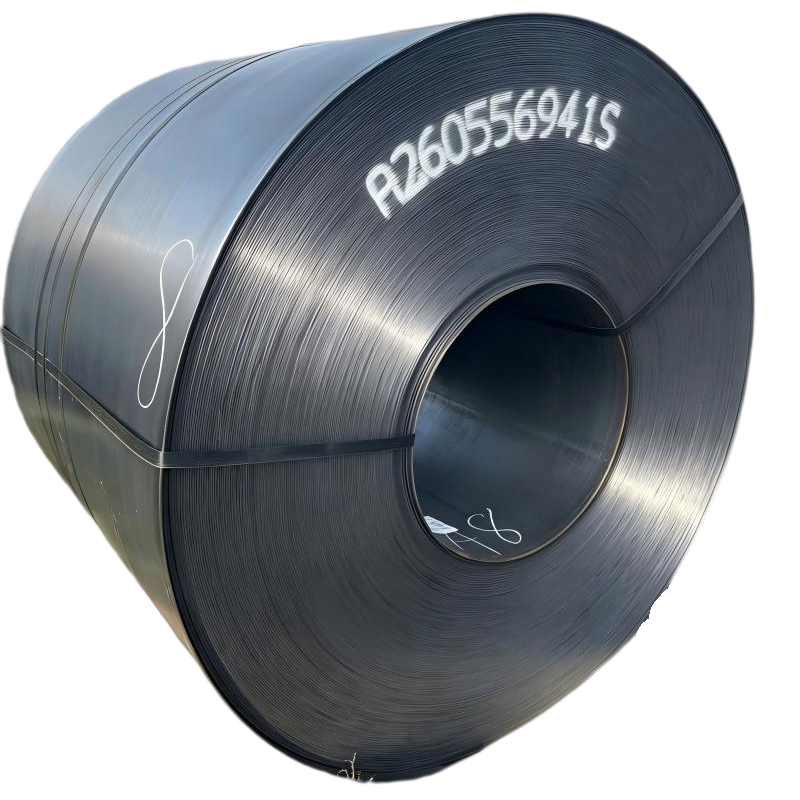
In our daily work matching galvanized steel to overseas fabricators, the most frequent cause of waste is not the GI coil itself but a gap between standard catalog sizes and the real geometry of the buyer's equipment. Many production lines were built around older or bespoke machines whose feed widths, blank lengths and tonnage do not match what a generic coil offers. When a standard GI coil lands on such a line, operators trim sides, re-cut blanks and lose cycle time. A custom fabrication gi coil is the practical answer: it is shaped to the machine, not the other way around.
GI coil is hot-dip galvanized steel coil, made by passing cold-rolled strip through a molten zinc bath so that a layer of more than 99 percent pure zinc bonds to the surface. The zinc protects the steel by sacrificial cathodic action: when the coating is scratched or the edge is cut, the zinc corrodes first and shields the exposed steel. A bespoke gi coil can be specified across coating weights from 20 to 275 g per square meter, thickness from 0.09 to 3.0 mm, with regular spangle and a skin-pass for flatness, giving the buyer full control over both corrosion performance and formability.
Authoritative standards give buyers a common language. ASTM A653 and A653M, EN 10346, and JIS G3302 (SGCC) define coating-mass designations, adhesion, surface class and tolerances. EN 10346 uses metric designations such as Z100, Z140, Z200 and Z275, while ASTM A653 uses G60, G90, G140 and G185. Corrosion engineers and bodies such as NACE, now AMPP, have long documented that thicker zinc layers extend first-rust time in proportion to coating weight. Reading a GI coil against these standards, rather than against a vague standard galvanized label, is what lets a buyer specify a bespoke gi coil with confidence.
Legacy presses, imported roll-formers and purpose-built fixtures often use uncommon feed widths and blank sizes. A standard width coil forces the line to trim off-cut, which is pure scrap, or to re-cut every blank, which slows the cycle. A custom fabrication gi coil slit to the exact feed width removes that side trim and lets the coil run straight in. The same logic applies to thickness: a line rated for a narrow gauge band runs more stably on a bespoke gi coil held within that band than on a generic coil with a wider tolerance.
Custom fabrication is more than slitting. A GI coil can be slit to width, cut to length, blanked, pre-notched, bent to profile, decoiled and even pre-punched with holes that line up with existing tooling. Welding and edge conditioning can also be done upstream. When these steps are completed before shipment, a custom fabrication gi coil arrives as a drop-in feed, and a smaller workshop can run specialized parts without buying heavy fabrication cells. This is where bespoke gi coil supply turns a materials purchase into a processing partnership.
Consider a fabricator running a legacy roll-former with a feed width narrower than a standard 1219 mm coil. With off-the-shelf stock, the line trims a wide side strip and discards it as scrap, while operators re-adjust the guide for every batch. When the same buyer switches to a custom fabrication gi coil slit to the machine's true width and cut to the right blank length, the trim step disappears, the guide stays set, and the line holds a steadier cycle. The saving shows up not on the coil's unit price but as less scrap, fewer stoppages and steadier output, the real reason a bespoke gi coil often costs less in total than standard stock.
Non-standard equipment often serves a specific corrosive setting, so coating weight matters as much as geometry. A custom fabrication gi coil can specify a heavier zinc layer for humid, semi-outdoor or industrial use and a lighter one for dry indoor assemblies, balancing protection and cost. A bespoke gi coil thus adapts not only in shape but in corrosion performance, which is critical when the part will sit in a coastal plant or a chemical works.
The business case for custom fabrication gi coil is a total-cost calculation. Less scrap raises material yield, fewer re-cuts raise machine uptime, and pre-processing shifts skilled work upstream so the buyer's shop runs leaner. A bespoke gi coil also reduces incoming inspection variance because one controlled lot has uniform coating mass and flatness. Over a production season these gains usually outweigh the small premium for made-to-fit dimensions, and the GI coil supply becomes a predictable cost center rather than a source of surprise scrap.
Trust comes from documentation, not promises. Before ordering, ask for a mill test certificate showing coating mass, steel grade and mechanical properties, and confirm the GI coil meets ASTM A653, EN 10346 or JIS G3302. Request a sample to check spangle, skin-pass flatness and zinc adhesion, and confirm whether surface oiling or passivation suits the downstream process. A transparent supplier will state exact tolerances and provide a coating-mass test rather than a generic standard claim, which is the mark of a dependable bespoke gi coil partner.
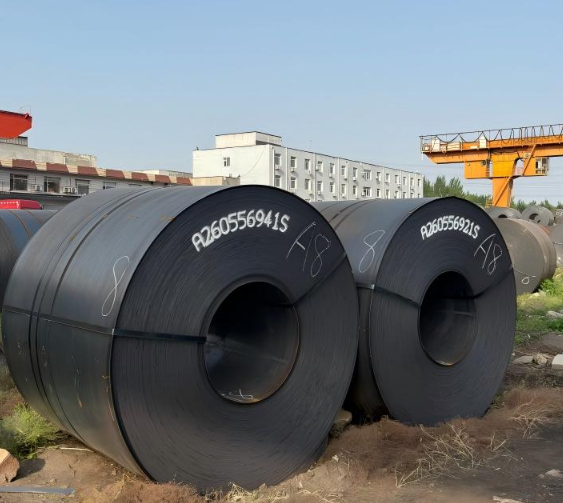
For buyers who need custom fabrication gi coil at scale, working with an integrated supplier shortens the chain. Shenyang Yuanhe Steel Trading Co., Ltd. supplies galvanized, galvalume, color-coated and hot rolled steel coil from one platform, with in-house flattening, slitting and cutting workshops and a three-tier quality control system. Customization covers thickness, width, color and zinc coating weight, with a typical lead time of 6 to 14 days and export experience across Southeast Asia, the Middle East, Central Asia, Africa and South America. That integration is what turns a bespoke gi coil request into a repeatable supply program for non-standard equipment, and gives every GI coil order a single point of accountability.
Send the equipment drawing or the required width, thickness, coating weight and surface treatment; confirm the standard and request the mill certificate; start with one non-standard line and measure scrap and downtime saved. With the spec fixed, a custom fabrication gi coil becomes a drop-in feed that lets legacy and bespoke equipment run at full efficiency, and the GI coil stops being a source of hidden cost.
2026/09/11
Learn how to specify precision cut GI coil sheets in custom lengths — tolerance selection, coating integrity, and ordering tips.
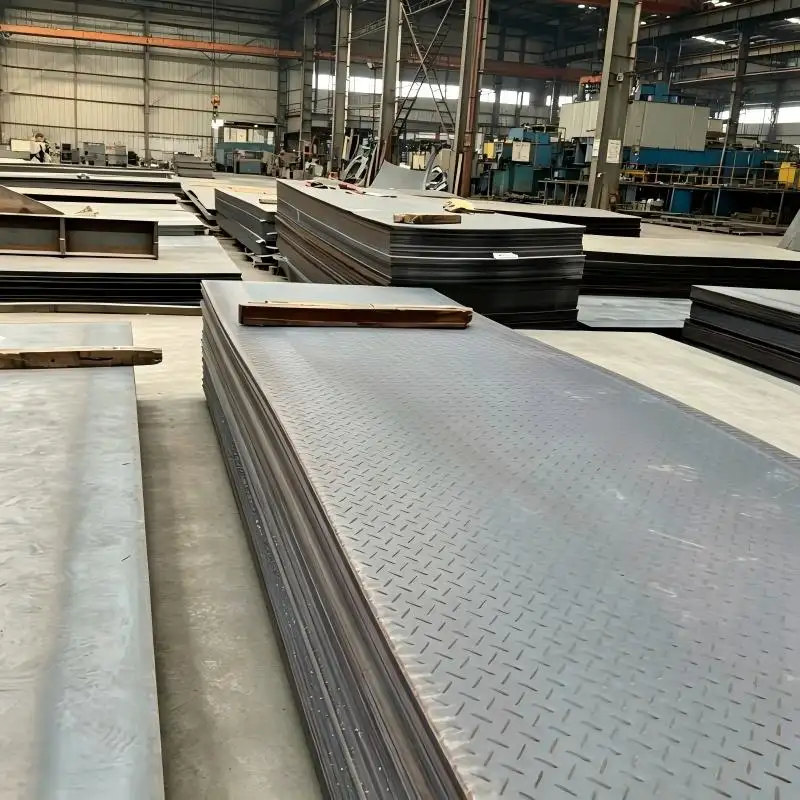
2026/09/11
Learn why premium finish galvalume steel coil delivers better paint adhesion and visual consistency in finished building products. Request specs today.
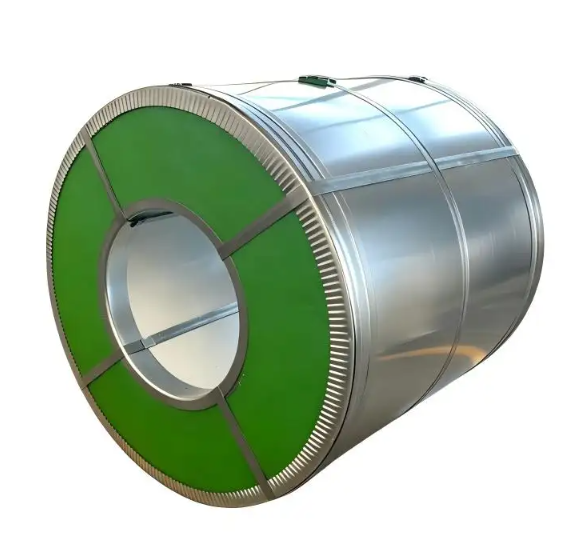
2026/09/10
Learn why heavy coating galvalume steel coil provides superior corrosion resistance in harsh coastal settings and saves long-term maintenance costs.
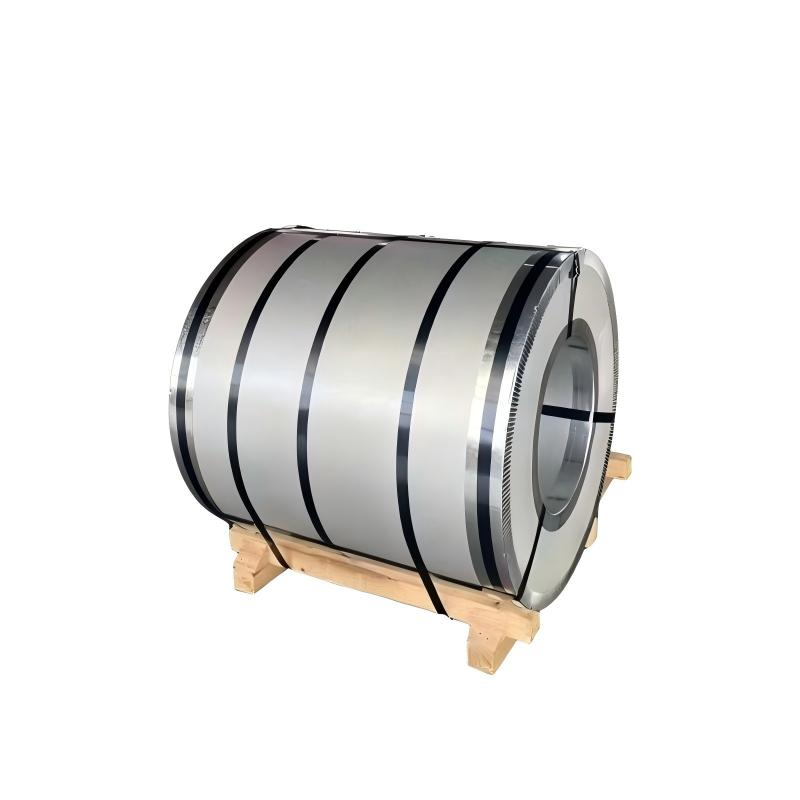
2026/09/10
Learn how to test the bending performance of formable galvalume steel coil samples using T-bend testing to prevent cracking and scrap.
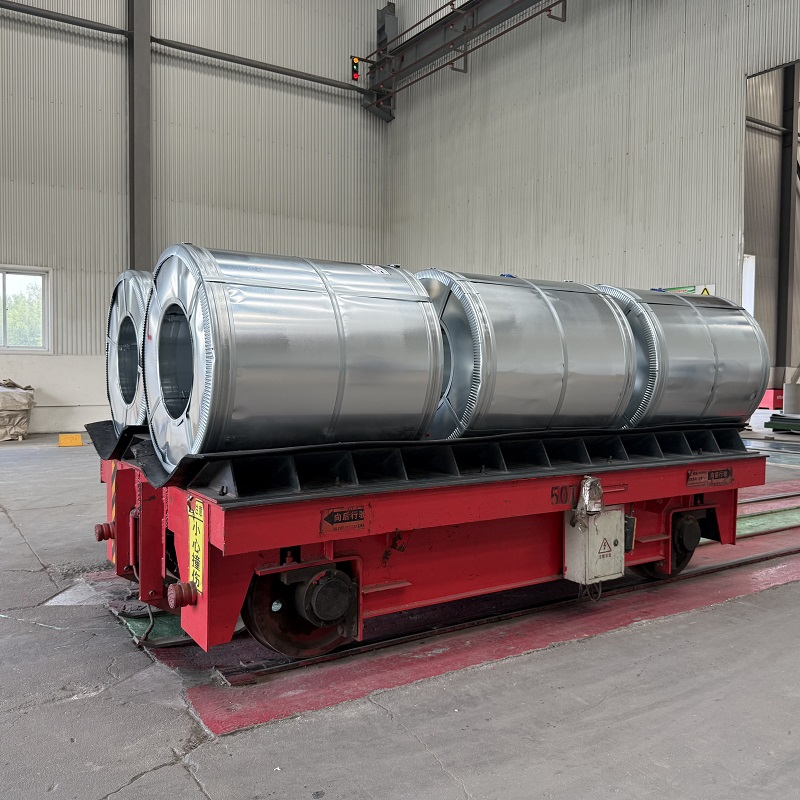
2026/09/10
Discover how multi specification galvalume steel coil simplifies purchasing, boosts productivity, and lowers costs for metal fabricators.
2026/09/10
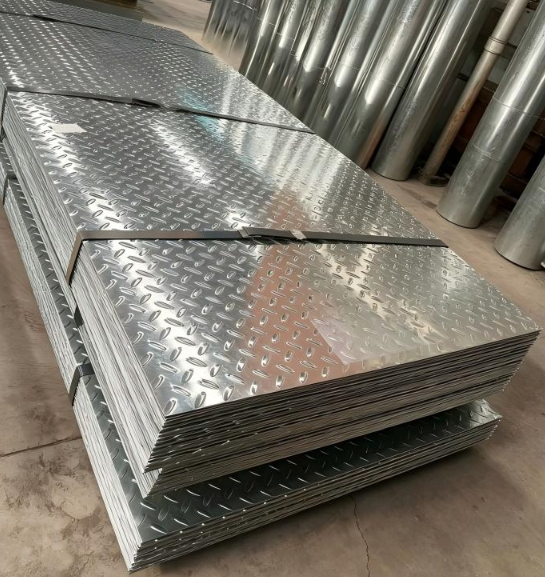
Discover why hot dipped galvanized steel and hot dip galvanized checkered plate offer ideal corrosion resistance and strength for road guardrails.
Covering green transformation, product comparison, selection guide, and industry empowerment, helping you fully grasp the dynamics of the color steel industry.

Global climate action and Belt and Road cooperation are driving the color steel industry’s shift toward green, sustainable development.

Comparing PPGI and PPGL across performance, durability, and applications to help you select the optimal coated steel for your project.
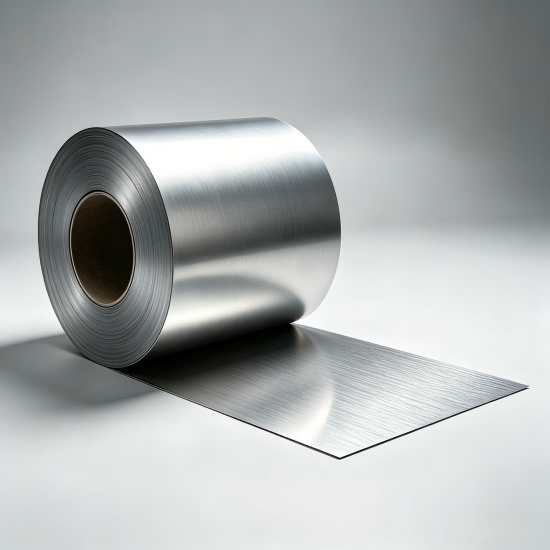
A practical guide to selecting and applying color steel coils, ensuring optimal performance, durability, and cost-effectiveness for your projects.
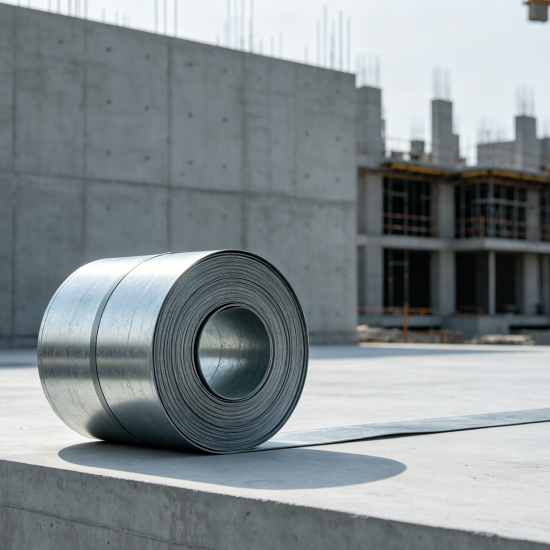
Industry forum drives digital and green transformation, empowering steel sector development through innovation and collaboration.