EN
EN

How to customize length size of precision cut GI coil finished sheets
2026/09/11
Learn how to specify precision cut GI coil sheets in custom lengths — tolerance selection, coating integrity, and ordering tips.
2026/08/13
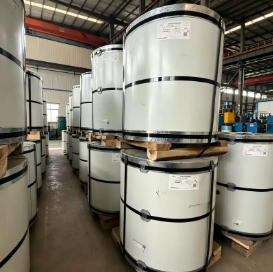
When architects and contractors evaluate roofing and cladding materials for long-life structures, galvalume steel coil consistently emerges as a top choice. This performance stems from its specialized zinc-aluminum alloy coating—typically composed of 55 percent aluminum, 43.5 percent zinc, and 1.5 percent silicon—bonded directly to a raw steel core through a continuous hot-dip process.
This specific combination delivers an anti corrosion barrier that significantly outperforms traditional galvanized coatings of similar weights. For property managers and commercial builders looking to reduce lifecycle spending over a 20-to-30-year operational window, understanding how this material behaves under real-world weather conditions is crucial for smart procurement.
In high-humidity, coastal, or industrial zones across regions like Southeast Asia and the Middle East, aggressive chloride exposure and atmospheric pollution rapidly degrade standard metal sheets. Galvalume steel coil handles these conditions through a unique dual-layer defense mechanism.
The aluminum component within the matrix oxidizes into a stable, durable surface barrier that resists chemical erosion over time. Meanwhile, the zinc content offers classic sacrificial protection, taking the brunt of environmental reactions at cut edges, drill points, and surface scratches.
| Feature | Standard GI Coil (G90) | Galvalume Steel Coil (AZ150) |
| Coating Composition | ~99% Pure Zinc | 55% Al, 43.5% Zn, 1.5% Si |
| Typical Lifespan | 15 – 25 Years | 30 – 40+ Years |
| Edge Defense | Sacrificial Only | Passive Barrier + Sacrificial |
| Thermal Reflectivity | Moderate | High |
Standard industry testing following ASTM A792 guidelines shows that an AZ150 grade panel maintains structural and aesthetic integrity far longer than equivalent galvanized options in identical environments, translating directly into better corrosion resistance for the long haul.
Initial purchasing budgets rarely tell the full financial story of a roofing asset. Over a standard 25-year lifecycle, specifying galvalume steel coil over basic galvanized steel can slash ongoing building maintenance expenses by 30 to 50 percent.
These cost reductions stem from several practical operational factors:
Fewer complete panel replacement cycles due to localized rust failure.
Reduced need for ongoing protective repainting and sealant touch-ups.
Lower labor and downtime costs associated with emergency roof patching.
Stronger retention of initial reflectivity, helping trim facility HVAC expenses.
On a typical 10,000-square-meter warehouse installation, selecting an AZ150 grade galvalume steel coil might carry an initial material premium of 8 to 12 percent over standard galvanized stock. However, once routine building maintenance expenditures—such as structural spot repairs, coating touch-ups, and inspection labor—are factored in over two decades, the alloy profile delivers substantial net savings. Keeping the building envelope sound also preserves commercial resale value and improves overall tenant retention.
A practical example can be seen in a Middle Eastern logistics hub located near a saltwater bay. The facility's original G90 galvanized roof showed widespread red rust and seam degradation within eight years of installation due to salt-laden sea air.
During the retrofit, engineers upgraded the roof using 0.5 mm thick AZ150 grade material. After 12 years of continuous exposure to salt spray and high ambient heat, regular field surveys confirmed zero structural breakdown, no surface rust formation, and minimal edge oxidation at fastener lines.
The superior anti corrosion behavior easily justified the initial upgrade, proving that the modest upfront price difference pays for itself during the very first avoided repair cycle.
Matching the correct coating weight to atmospheric exposure ensures maximum structural performance without overspending. The AZ150 designation corresponds to 150 grams of total alloy coating per square meter (measured across both sides), serving as the versatile benchmark for exterior construction.
| Coating Designation | Weight (g/m2) | Target Environment | Expected Service Span |
| AZ50 | 50 | Light Indoor / Controlled Storage | 10 – 15 Years |
| AZ100 | 100 | Urban / Low Moisture Exterior | 20 – 25 Years |
| AZ150 | 150 | Standard Coastal / Industrial | 30 – 40 Years |
| AZ180 | 180 | Heavy Marine / Chemical Zones | 35 – 45 Years |
| AZ200 | 200 | Severe Offshore / Extreme Weather | 40 – 50 Years |
Selecting the proper thickness grade balances baseline material costs directly against expected building maintenance schedules down the road.
Procuring high-grade material requires verifying key manufacturing parameters before panels ever arrive on site.
Mill Test Certificates: Always check documentation to verify the 55/43.5/1.5 alloy breakdown and confirm proper bend adhesion performance per ASTM A792 standards.
Coating Uniformity: Thickness fluctuations create localized thin spots where rust can take hold prematurely.
Surface Spangle and Pre-Treatment: Ensure spangle uniformity fits aesthetics or prepaint specifications if ordering prepainted galvalume (PPGL).
Established steel manufacturers and supply chain managers such as Shenyang Yuanhe maintain strict multi-stage quality control checks throughout production. This degree of oversight ensures accurate coating weights, precise coil dimensions, and consistent corrosion resistance across large-volume production runs.
The combination of aluminum and zinc creates a passive barrier coupled with active galvanic defense. Aluminum oxide forms a durable surface shield that prevents atmospheric degradation, while zinc sacrifices itself to protect cuts and fasteners. This combo gives galvalume steel coil two to six times the lifespan of standard GI coils.
AZ150 is the standard workhorse for coastal installations situated slightly inland. However, for extreme marine exposure within a few hundred meters of breaking waves or in aggressive chemical plants, stepping up to AZ180 or AZ200 provides a thicker defensive barrier for maximum service life.
2026/09/11
Learn how to specify precision cut GI coil sheets in custom lengths — tolerance selection, coating integrity, and ordering tips.
2026/09/11
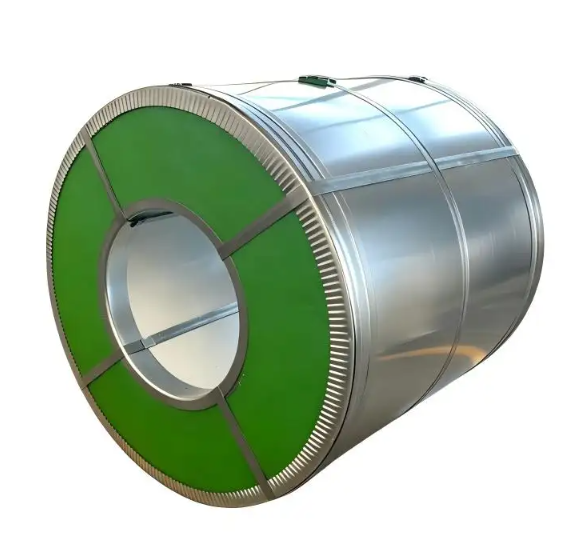
Learn why premium finish galvalume steel coil delivers better paint adhesion and visual consistency in finished building products. Request specs today.
2026/09/10
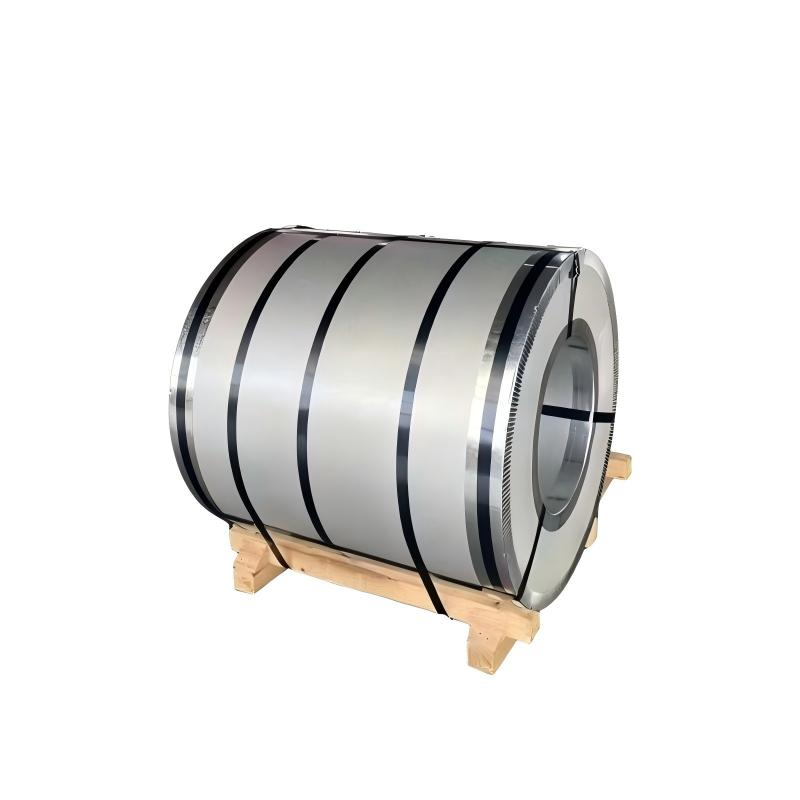
Learn why heavy coating galvalume steel coil provides superior corrosion resistance in harsh coastal settings and saves long-term maintenance costs.
2026/09/10
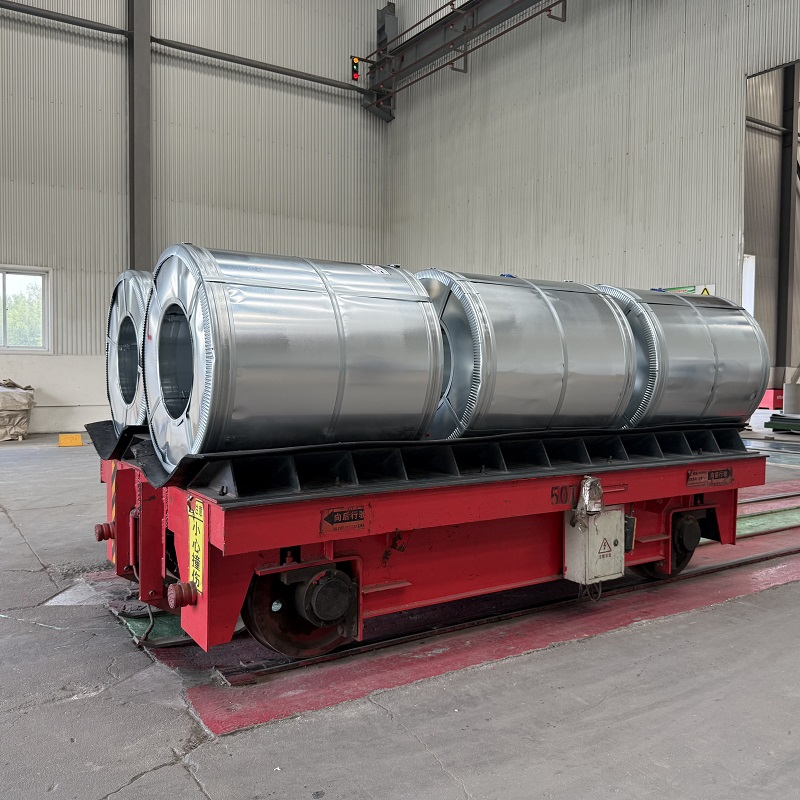
Learn how to test the bending performance of formable galvalume steel coil samples using T-bend testing to prevent cracking and scrap.
2026/09/10
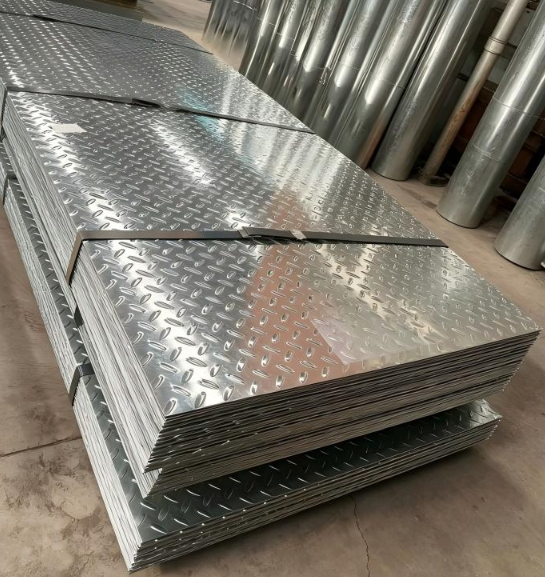
Discover how multi specification galvalume steel coil simplifies purchasing, boosts productivity, and lowers costs for metal fabricators.
2026/09/10
Discover why hot dipped galvanized steel and hot dip galvanized checkered plate offer ideal corrosion resistance and strength for road guardrails.
Covering green transformation, product comparison, selection guide, and industry empowerment, helping you fully grasp the dynamics of the color steel industry.

Global climate action and Belt and Road cooperation are driving the color steel industry’s shift toward green, sustainable development.

Comparing PPGI and PPGL across performance, durability, and applications to help you select the optimal coated steel for your project.
A practical guide to selecting and applying color steel coils, ensuring optimal performance, durability, and cost-effectiveness for your projects.
Industry forum drives digital and green transformation, empowering steel sector development through innovation and collaboration.