EN
EN

How to customize length size of precision cut GI coil finished sheets
2026/09/11
Learn how to specify precision cut GI coil sheets in custom lengths — tolerance selection, coating integrity, and ordering tips.
2026/08/04
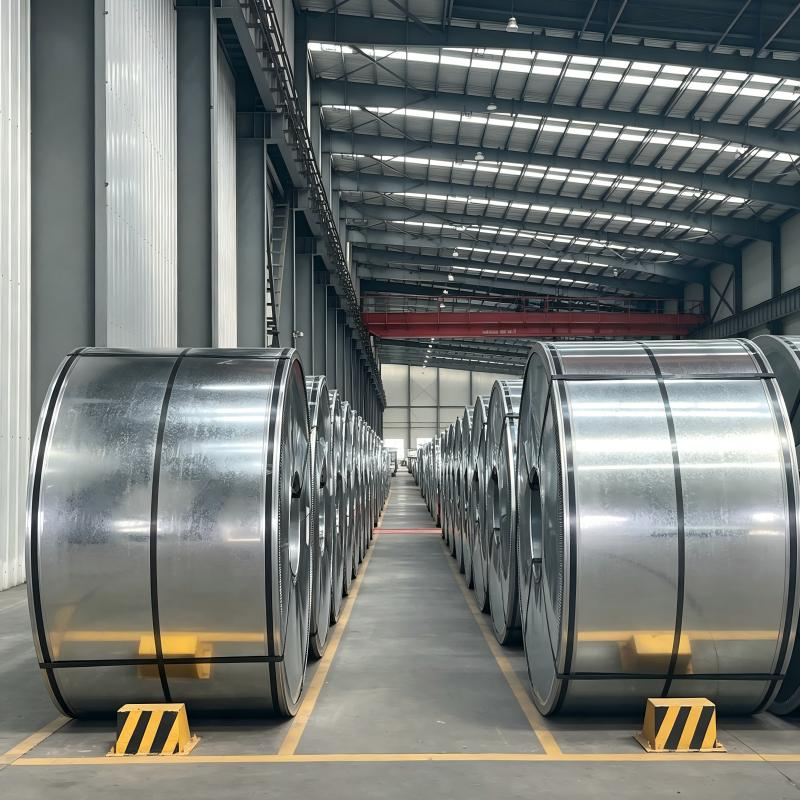
Acid rain forms when sulfur dioxide and nitrogen oxides from industrial emissions combine with atmospheric water vapor, producing precipitation with pH values between 3.0 and 5.0 in heavily industrialized regions. When this acidic solution contacts bare or inadequately protected galvanized steel, hydrogen ions attack the zinc coating through electrochemical dissolution, converting the protective zinc oxide layer into soluble zinc sulfate or zinc nitrate that washes away with subsequent rainfall. Each acid rain event strips a measurable quantity of zinc from the surface, and in regions with annual acid rain frequency exceeding 30 percent of precipitation days, the zinc consumption rate can reach 15 to 25 grams per square meter per year, more than double the rate in non-acidic environments. For anti-corrosion GI coil deployed in industrial zones of South and Southeast Asia, where sulfur dioxide emissions remain elevated, understanding this attack mechanism is the foundation for selecting appropriate protective coating systems.
Uniform coating PPGI steel coil deploys a three-layer defense architecture against acid rain erosion. The first layer is the metallic zinc coating, typically Z120 to Z275, which provides sacrificial cathodic protection even where the paint film is damaged. The second layer is the chemical pretreatment, usually a chromate or chromium-free passivation film applied at 0.5 to 1.0 grams per square meter, which inhibits white rust formation and improves paint adhesion to the zinc surface. The third and outermost layer is the organic paint system, consisting of a primer coat of 5 to 8 micrometers and a topcoat of 15 to 25 micrometers, which acts as a physical barrier preventing acidic solution from contacting the zinc layer. The effectiveness of this defense depends critically on coating uniformity, as thin spots or pinholes in the paint film become focal points where acid rain penetrates and initiates localized under-film corrosion that can delaminate the coating over time.
The choice of topcoat resin system directly determines the acid rain resistance of anti-corrosion GI coil. Standard polyester (PE) topcoats, the most economical option, provide adequate protection in environments where acid rain pH rarely drops below 4.0, but they begin to show chalking and gloss loss after 500 to 800 hours of ASTM B117 salt spray exposure. Silicone-modified polyester (SMP) coatings extend the resistance to pH 3.5 and provide 800 to 1,200 hours of salt spray performance, making them suitable for moderate industrial environments. High-durable polyester (HDP) coatings push the pH tolerance to 3.0 with 1,200 to 1,500 hours of salt spray resistance. PVDF coatings, containing 70 percent or more polyvinylidene fluoride resin, offer the strongest acid rain resistance with pH tolerance down to 2.5 and over 1,500 hours of salt spray performance. For projects in high sulfur dioxide emission zones, PVDF or HDP topcoats on uniform coating PPGI steel coil are the recommended specification, as their fluoropolymer or enhanced polyester chemistry resists the photo-oxidative and hydrolytic degradation that acid precipitation accelerates.
The term uniform coating in PPGI steel coil is not marketing language but a measurable quality parameter with direct acid rain resistance implications. Coating thickness variation across the coil width and length should not exceed plus or minus 1.5 micrometers from the nominal specification, measured per ASTM D7091 using a magnetic induction gauge. Non-uniform coating creates thin spots where acid rain penetrates the barrier faster, initiating under-film corrosion that propagates laterally and causes paint blistering and delamination. A study by the European Coil Coating Association found that coils with thickness variation exceeding 3 micrometers showed 40 percent more coating failure sites after 1,000 hours of accelerated weathering compared to uniformly coated coils at the same nominal thickness. Buyers should require coating thickness measurement reports showing readings at minimum five points across the coil width and three points along the length, with the coefficient of variation below 8 percent, to verify that the anti-corrosion GI coil provides consistent barrier protection.
In 2022, a chemical plant in Shandong, China, required 8,000 square meters of roofing and wall cladding for a new production facility located within 2 kilometers of a coal-fired power station, where measured rainwater pH averaged 3.8 during spring. The original specification called for standard PE-coated PPGI coil with Z120 zinc coating. After the engineering review identified the acid rain risk, the specification was upgraded to uniform coating PPGI steel coil with Z275 zinc coating, HDP topcoat at 20 micrometers over a 7-micrometer epoxy primer, and chromium-free passivation pretreatment. The cost increase was approximately 18 percent over the original specification. Now in its fourth year of service, the upgraded roof shows no visible chalking, blistering, or red rust, while a neighboring facility with standard PE coating on Z120 substrate required partial panel replacement after 30 months. The lifecycle calculation projects the HDP-coated system will remain service-free for at least 20 years, representing a 35 percent total cost reduction versus the original specification when repainting and replacement costs are included.
Verifying the acid rain resistance of anti-corrosion GI coil requires specific testing protocols beyond the standard salt spray test. The QUV accelerated weathering test per ASTM G154, using UVA-340 lamps with a cycle of 8 hours UV at 60 degrees Celsius and 4 hours condensation at 50 degrees Celsius, simulates the combined UV and moisture attack that acid rain accelerates. A coating system passing 2,000 hours of QUV without significant chalking, color change exceeding 3 Delta E units, or blistering greater than ASTM D714 size 8 indicates reliable acid rain resistance for a 15 to 20 year service life. The MEB (modified acid rain) test, developed by some Japanese coil coating standards, applies synthetic acid rain solution of pH 3.5 cyclically during weathering exposure to directly measure coating response to acidic conditions. Buyers sourcing uniform coating PPGI steel coil for acid rain zones should request test reports from both ASTM B117 salt spray and ASTM G154 QUV protocols, and verify that the coating supplier's quality control system includes periodic outdoor exposure validation at accredited weathering stations.
When procuring anti-corrosion GI coil for acid rain environments, buyers should verify four supplier capabilities. First, confirm the supplier offers multiple topcoat options including HDP and PVDF, not just standard PE, as the paint system is the primary acid rain defense. Second, request coating thickness uniformity data showing gauge readings across the coil width and length with variation within plus or minus 1.5 micrometers. Third, verify the zinc coating weight can be specified at Z200 or Z275 for acid rain zones, not just the minimum Z20 or Z80. Fourth, ask for accelerated weathering test reports covering both QUV and salt spray protocols. A supplier like Shenyang Yuanhe Steel, maintaining a three-tier quality control system across its PPGI production, can provide the coating uniformity data, zinc weight certification, and paint system traceability that acid rain zone projects require. Their standing inventory across Z20 to Z275 coating weights and 0.09 to 1.5 millimeter thicknesses supports flexible specification for projects ranging from low-risk rural sites to high-emission industrial zones.
|
Coating System |
Topcoat Thickness |
pH Tolerance Range |
Salt Spray Hours (ASTM B117) |
Service Life in Acid Rain Zone |
|
PE (Polyester) |
15-20 um |
pH 4.0+ |
500-800h |
10-15 years |
|
SMP (Silicone Modified PE) |
18-25 um |
pH 3.5+ |
800-1200h |
15-20 years |
|
HDP (High Durable Polyester) |
20-25 um |
pH 3.0+ |
1200-1500h |
20-25 years |
|
PVDF (Polyvinylidene Fluoride) |
20-25 um |
pH 2.5+ |
1500-2000h+ |
25-30+ years |
Q: What pH level of acid rain can anti-corrosion GI coil with PVDF coating withstand?
A: PVDF-coated anti-corrosion GI coil can withstand acid rain with pH as low as 2.5, making it suitable for high sulfur dioxide emission zones. PVDF's fluoropolymer chemistry resists both hydrolytic and photo-oxidative degradation that acid precipitation accelerates.
Q: How does coating uniformity affect acid rain resistance in PPGI steel coil?
A: Uniform coating prevents thin spots where acid rain penetrates faster. Coating thickness variation exceeding 3 micrometers creates 40 percent more failure sites after weathering. Buyers should require variation within plus or minus 1.5 micrometers across the coil surface.
Q: Which zinc coating weight is recommended for acid rain environments?
A: For acid rain zones with pH below 4.0, Z200 to Z275 zinc coating is recommended on uniform coating PPGI steel coil. The heavier zinc layer provides extended sacrificial protection even if the paint barrier is locally compromised by mechanical damage.
2026/09/11
Learn how to specify precision cut GI coil sheets in custom lengths — tolerance selection, coating integrity, and ordering tips.
2026/09/11
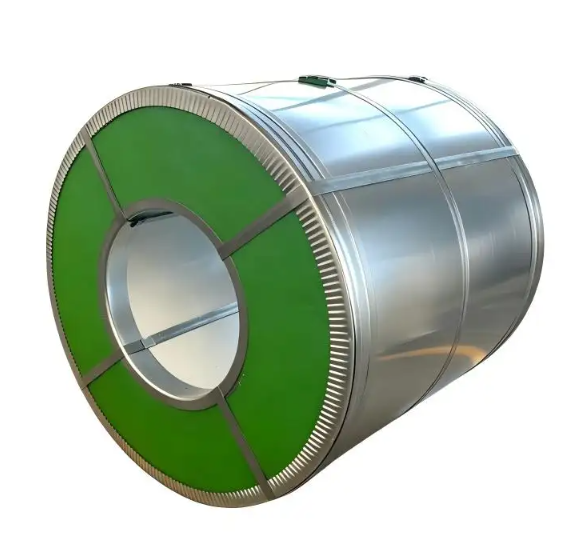
Learn why premium finish galvalume steel coil delivers better paint adhesion and visual consistency in finished building products. Request specs today.
2026/09/10
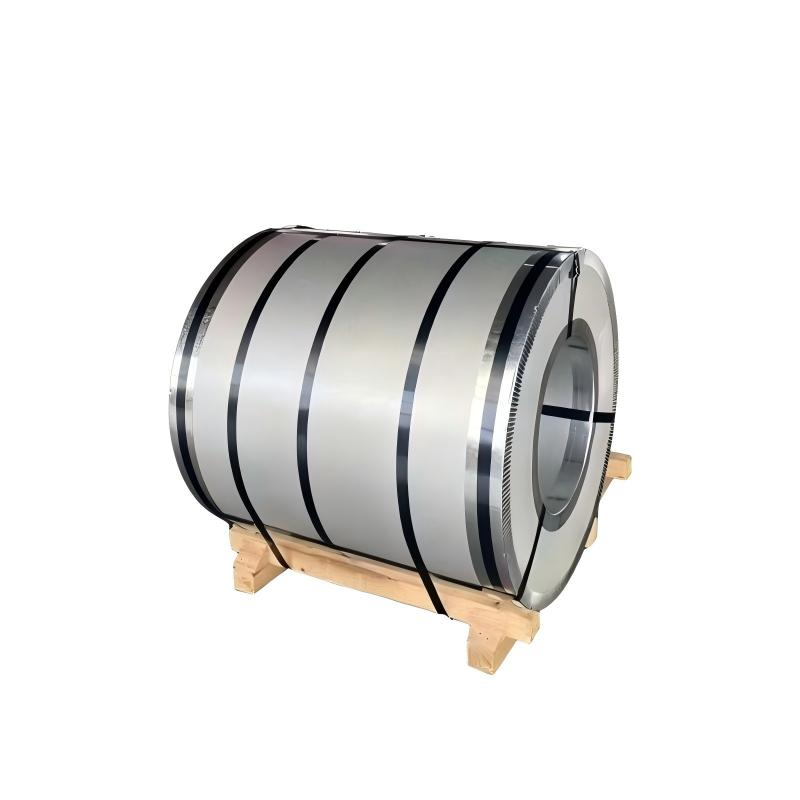
Learn why heavy coating galvalume steel coil provides superior corrosion resistance in harsh coastal settings and saves long-term maintenance costs.
2026/09/10
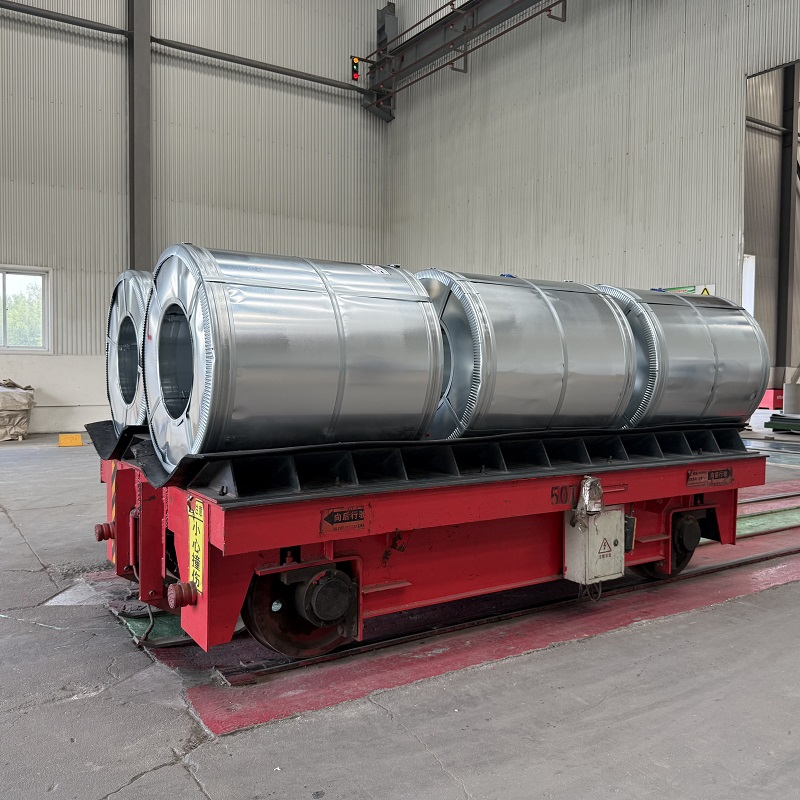
Learn how to test the bending performance of formable galvalume steel coil samples using T-bend testing to prevent cracking and scrap.
2026/09/10
Discover how multi specification galvalume steel coil simplifies purchasing, boosts productivity, and lowers costs for metal fabricators.
2026/09/10
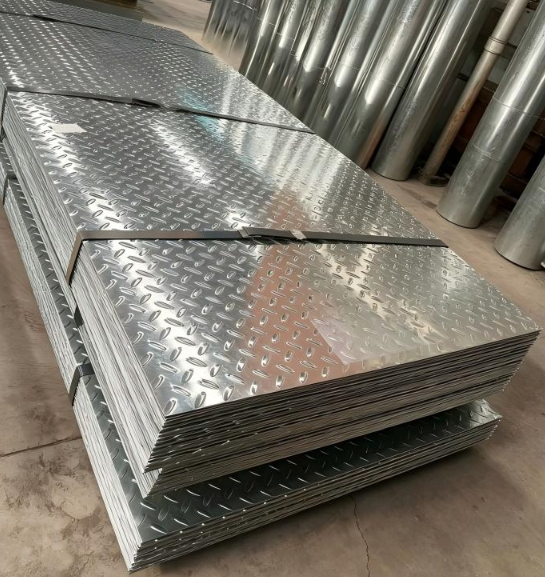
Discover why hot dipped galvanized steel and hot dip galvanized checkered plate offer ideal corrosion resistance and strength for road guardrails.
Covering green transformation, product comparison, selection guide, and industry empowerment, helping you fully grasp the dynamics of the color steel industry.

Global climate action and Belt and Road cooperation are driving the color steel industry’s shift toward green, sustainable development.

Comparing PPGI and PPGL across performance, durability, and applications to help you select the optimal coated steel for your project.
A practical guide to selecting and applying color steel coils, ensuring optimal performance, durability, and cost-effectiveness for your projects.
Industry forum drives digital and green transformation, empowering steel sector development through innovation and collaboration.