EN
EN

How to customize length size of precision cut GI coil finished sheets
2026/09/11
Learn how to specify precision cut GI coil sheets in custom lengths — tolerance selection, coating integrity, and ordering tips.
2026/08/03
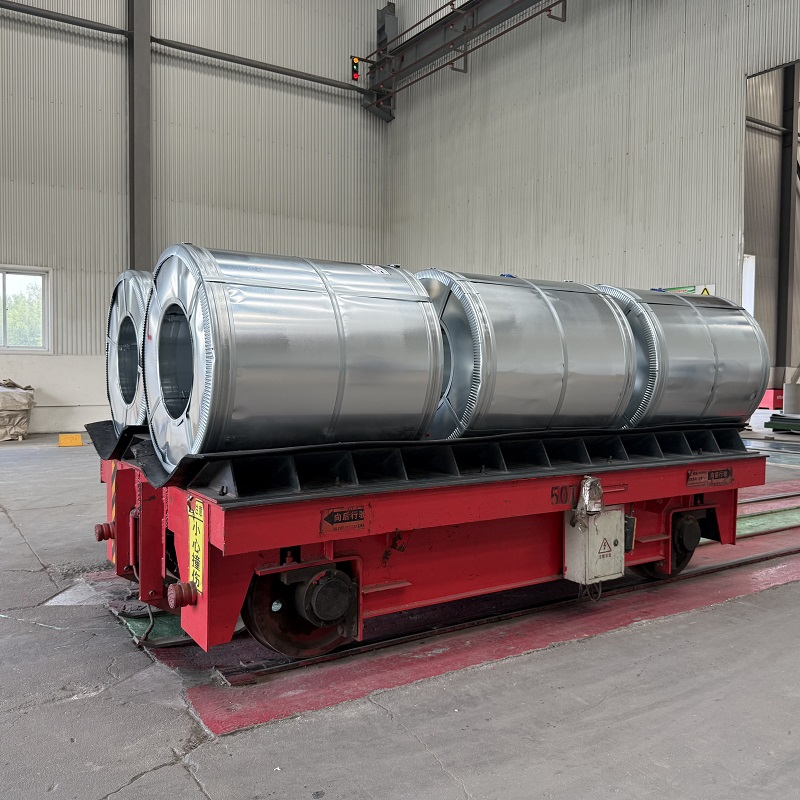
Multi specification GI coil refers to galvanized steel coil produced across a continuous thickness spectrum, typically 0.09 to 3.0 millimeters, with the ability to adjust width, zinc coating weight, and surface treatment to match specific structural requirements. Unlike fixed-specification procurement, where a buyer must accept whatever the mill produces in standard runs, multi specification sourcing allows engineers to match each structural component's load requirement to a precise coil gauge. The mechanical reason is straightforward: load bearing capacity in sheet steel follows a near-linear relationship with thickness, where doubling the thickness roughly doubles the section modulus for a given width. Precision cut GI coil takes this logic further by delivering material already slit and cut to the exact dimensions the fabrication line needs, eliminating waste and reducing processing time on the shop floor.
In structural design, construction components are classified by the loads they must carry, and each category maps to a specific GI coil thickness range. Light load components like interior wall panels and ceiling systems typically use 0.09 to 0.30 millimeter multi specification GI coil with zinc coatings of Z20 to Z80. Medium-light load parts such as corrugated roofing sheets and wall cladding panels require 0.30 to 0.60 millimeter material with Z80 to Z140 coating. Medium load applications like floor decking and steel studs demand 0.60 to 1.20 millimeter coils with Z140 to Z200 zinc layers. For medium-heavy and heavy load structural elements including purlins, wall frames, and support brackets, engineers specify 1.20 to 3.00 millimeter GI coil with Z200 to Z275 coating. This systematic mapping ensures that no component is over-engineered with unnecessarily thick material, which would inflate project costs, nor under-specified, which would compromise structural safety.
The transition from coil-form procurement to precision cut GI coil delivery changes the economics of structural fabrication. When a fabricator receives standard-width coil, typically 1,000 to 1,250 millimeters, the slitting and cut-to-length operations happen on the buyer's premises, requiring dedicated equipment, labor, and floor space. Precision cut delivery shifts these operations upstream to the supplier, who delivers coils or sheets already slit to the exact width and cut to the required length. In a recent fabrication project for a 15,000 square meter warehouse in Kazakhstan, the contractor switched from standard coil to precision cut GI coil supplied at 914 millimeter width and 3.0 meter lengths. The change reduced material waste from 8.5 percent to under 2 percent, eliminated the need for an on-site slitting line, and shortened the fabrication timeline by three weeks. For projects with tight schedules or limited site infrastructure, precision cut delivery offers measurable operational advantages.
The thickness specification of multi specification GI coil is inseparable from the zinc coating weight decision, because both parameters jointly determine the service life of the structural component. Zinc coating weights range from Z20, equivalent to 20 grams per square meter per side, to Z275, providing 275 grams per square meter per side. In dry inland environments with low atmospheric corrosivity, Z80 to Z120 coating on 0.30 to 0.60 millimeter precision cut GI coil can deliver 15 to 20 years of service life for roofing and cladding. In moderate industrial or urban environments, Z140 to Z200 coating extends the service life to 25 years. For coastal projects within 1 kilometer of the shoreline, Z275 coating on 1.20 millimeter or thicker coil is the minimum specification, as chloride deposition accelerates zinc consumption rates to 10 to 15 grams per square meter per year. Selecting the correct zinc weight for the target environment prevents both premature corrosion failure and the unnecessary cost of over-coating in low-risk settings.
In 2024, a cold-formed steel building system manufacturer in Mongolia needed to source material for a 5-story residential project in Ulaanbaatar, where winter temperatures drop to minus 40 degrees Celsius. The engineering team specified multi specification GI coil across four thickness tiers: 0.45 millimeter for interior wall studs, 0.80 millimeter for floor joists, 1.50 millimeter for track sections, and 2.50 millimeter for load-bearing wall studs on the ground floor. All material required Z180 zinc coating to resist condensation-induced corrosion during the heating season. The supplier provided precision cut GI coil slit to widths of 92 millimeters and 143 millimeters, matching the roll-forming machine feed requirements directly. This multi-gauge, precision-cut approach reduced the total steel tonnage by 12 percent compared to a single-gauge specification, while maintaining full compliance with AISI S230 cold-formed steel framing standards. The project demonstrates how adjustable thickness sourcing translates directly into material cost savings without compromising structural performance.
When multi specification GI coil is used in load bearing applications, quality control must extend beyond the standard zinc coating thickness verification. Inspectors should confirm the base steel grade meets the yield strength specified in the structural design, typically 230 to 340 megapascals for cold-formed sections per ASTM A653 SS grades. The zinc coating adhesion must be verified through the bend test described in ASTM A653, where a 180-degree bend over a mandrel diameter equal to one times the material thickness should produce no flaking or peeling. For precision cut GI coil, dimensional inspection of slit width tolerance should confirm conformance to plus or minus 0.25 millimeters, and cut-length tolerance to plus or minus 3 millimeters. Edge quality after slitting should be free of burrs exceeding 0.5 millimeters, as burrs can initiate stress concentrations and reduce the fatigue life of cold-formed sections. A supplier maintaining a three-tier quality control system, as Shenyang Yuanhe Steel does across its GI coil production, provides the documented test records that structural engineers need for code compliance verification.
For construction companies managing multiple concurrent projects with varying load requirements, building a multi-thickness supply plan with a single supplier offers significant procurement advantages. A supplier capable of delivering multi specification GI coil from 0.09 to 3.0 millimeters with zinc coatings from Z20 to Z275 can serve as a one-stop source, reducing the administrative overhead of managing multiple vendor relationships. The supplier's ability to provide precision cut GI coil further streamlines the supply chain by eliminating secondary processing. When evaluating a supplier for this role, verify the standing inventory supports multi-gauge availability, the lead time accommodates project scheduling, and the quality control system covers full traceability from coil to cut piece. Shenyang Yuanhe Steel maintains a persistent inventory exceeding 10,000 metric tons across the full GI coil thickness range, with a 6 to 14 day lead time and in-house flattening, slitting, and cutting capabilities. This integrated supply model ensures that construction firms can source every gauge they need from a single qualified partner, reducing procurement risk and ensuring consistent material quality across all load bearing components.
|
Thickness Range |
Zinc Coating |
Load Category |
Typical Construction Part |
Standard Reference |
|
0.09-0.30mm |
Z20-Z80 |
Light load |
Interior wall panels, ceiling systems |
ASTM A653 CS Type B |
|
0.30-0.60mm |
Z80-Z140 |
Medium-light load |
Roofing sheets, cladding panels |
ASTM A653 SS Grade 33 |
|
0.60-1.20mm |
Z140-Z200 |
Medium load |
Floor decking, partition studs |
ASTM A653 SS Grade 40 |
|
1.20-2.00mm |
Z200-Z275 |
Medium-heavy load |
Structural purlins, wall frames |
ASTM A653 SS Grade 50 |
|
2.00-3.00mm |
Z275 |
Heavy load |
Primary beams, support brackets |
ASTM A653 SS Grade 55 |
Q: What thickness of multi specification GI coil is needed for a load bearing wall stud?
A: Load bearing wall studs typically require 1.20 to 2.50 millimeter GI coil with Z200 to Z275 zinc coating. The exact thickness depends on the stud spacing, wall height, and design load, which a structural engineer calculates per AISI S230 or local building code requirements.
Q: How does precision cut GI coil differ from standard slit coil?
A: Precision cut GI coil is slit to the exact width and cut to the required length at the supplier's facility, ready for the roll-forming or stamping line. Standard slit coil is supplied in continuous coil form at a slit width, requiring the buyer to perform cut-to-length operations on-site.
2026/09/11
Learn how to specify precision cut GI coil sheets in custom lengths — tolerance selection, coating integrity, and ordering tips.
2026/09/11
Learn why premium finish galvalume steel coil delivers better paint adhesion and visual consistency in finished building products. Request specs today.
2026/09/10
Learn why heavy coating galvalume steel coil provides superior corrosion resistance in harsh coastal settings and saves long-term maintenance costs.
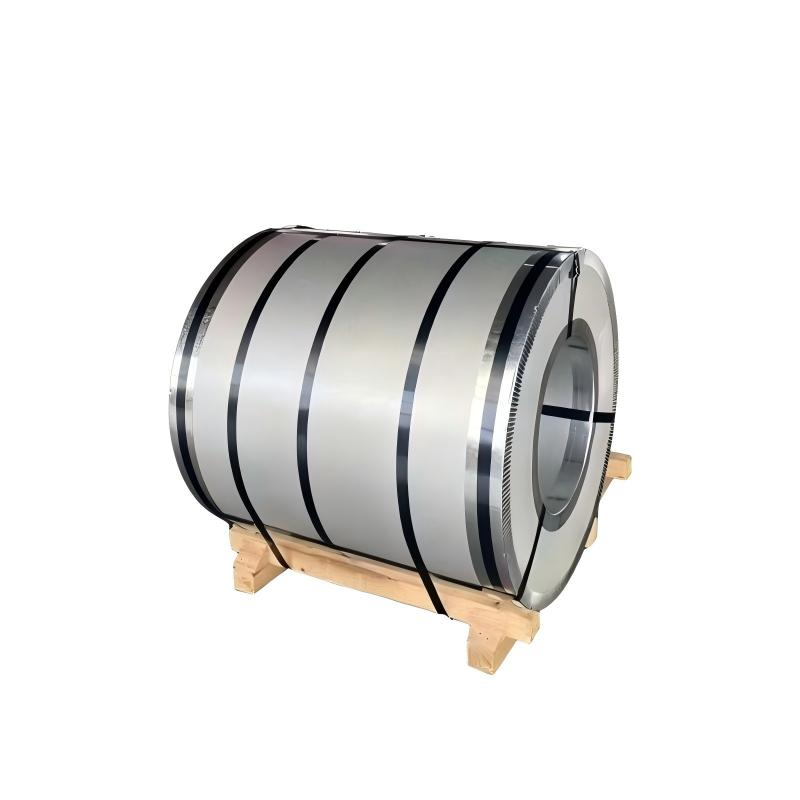
2026/09/10
Learn how to test the bending performance of formable galvalume steel coil samples using T-bend testing to prevent cracking and scrap.
2026/09/10
Discover how multi specification galvalume steel coil simplifies purchasing, boosts productivity, and lowers costs for metal fabricators.
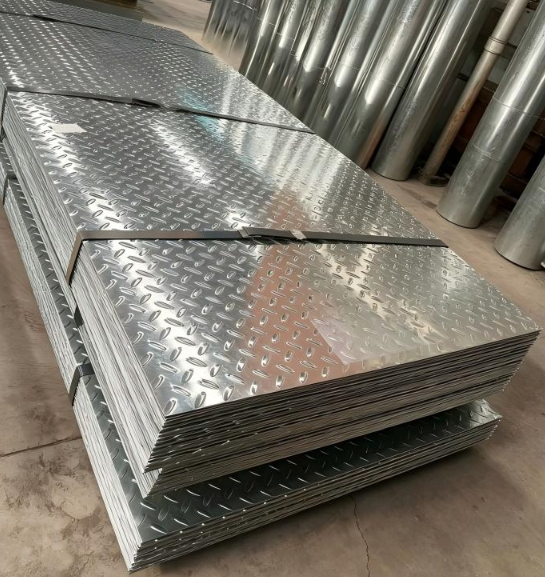
2026/09/10
Discover why hot dipped galvanized steel and hot dip galvanized checkered plate offer ideal corrosion resistance and strength for road guardrails.
Covering green transformation, product comparison, selection guide, and industry empowerment, helping you fully grasp the dynamics of the color steel industry.

Global climate action and Belt and Road cooperation are driving the color steel industry’s shift toward green, sustainable development.

Comparing PPGI and PPGL across performance, durability, and applications to help you select the optimal coated steel for your project.
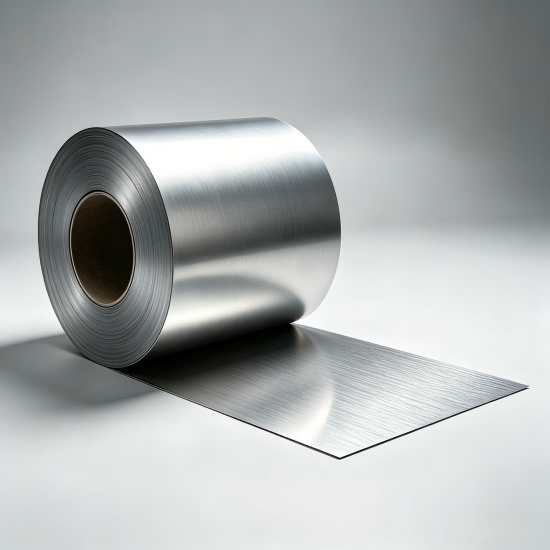
A practical guide to selecting and applying color steel coils, ensuring optimal performance, durability, and cost-effectiveness for your projects.
Industry forum drives digital and green transformation, empowering steel sector development through innovation and collaboration.