EN
EN

How to customize length size of precision cut GI coil finished sheets
2026/09/11
Learn how to specify precision cut GI coil sheets in custom lengths — tolerance selection, coating integrity, and ordering tips.
2026/08/06
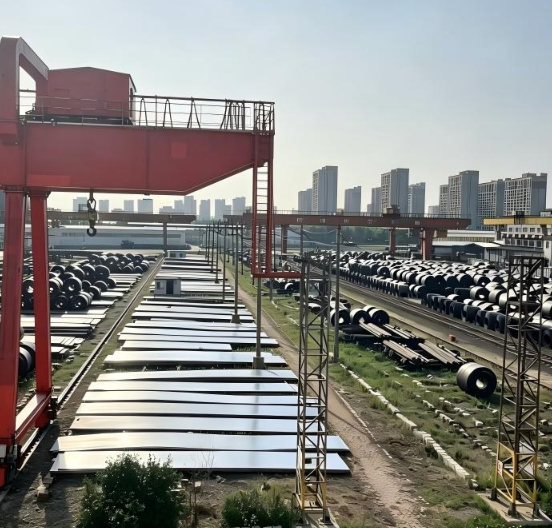
Lightweight construction has evolved from a niche approach to a mainstream design philosophy, driven by the need for faster installation, reduced foundation loads, and lower transportation costs. At the heart of this evolution is the ability to specify custom fabrication ppgi steel coil with precisely adjusted thicknesses that match the structural requirement of each application — no thicker than necessary, no thinner than safe. Unlike fixed-thickness products that force designers to round up to the nearest available gauge, adjustable thickness coil allows engineers to optimize the material to the exact load calculation. Thin gauge ppgi steel coil in the 0.3 to 0.5 mm range enables wall cladding systems that weigh 40 percent less than traditional 0.8 mm alternatives, while custom fabrication ppgi steel coil in intermediate thicknesses (0.5 to 0.7 mm) bridges the gap between ultra-light cladding and structural roofing. According to the International Building Code, coated steel sheet used in construction must meet minimum thickness requirements for structural applications — but the ability to adjust thickness downward for non-structural elements provides significant weight savings without code compliance issues.
The concept of custom fabrication ppgi steel coil extends beyond simply choosing a non-standard thickness. It encompasses the ability to specify the complete material package: substrate grade, zinc coating weight, paint system type, color, width, and surface finish — all tailored to the specific project requirements. For lightweight construction, this means a designer can specify a thin gauge ppgi steel coil with a high-strength substrate (such as grade S350GD with 350 MPa yield strength) that provides equivalent structural performance to a thicker, lower-strength grade. The custom fabrication ppgi steel coil supplier can also adjust the coil width to match the panel profile dimensions, minimizing edge trim waste during roll-forming. This level of customization is particularly valuable for projects with complex geometries or non-standard panel sizes, where off-the-shelf coil dimensions would generate excessive waste or require compromises in panel design. The following table illustrates how different thickness and substrate combinations can achieve equivalent structural performance at reduced weight.
Thin gauge ppgi steel coil offers several technical advantages beyond simple weight reduction. The lower thermal mass of thinner sheets means faster temperature equilibration with ambient conditions, reducing condensation risk in humid environments — a critical factor in tropical and subtropical construction. The formability of thin gauge material is generally superior to thicker gauges, allowing tighter bend radii and more complex profile geometries without paint cracking. This makes custom fabrication ppgi steel coil in thin gauges particularly suitable for architectural features such as curved facades, tapered panels, and intricate trim profiles. However, thin gauge ppgi steel coil also presents challenges that must be addressed in the design: reduced acoustic insulation (thinner sheets transmit more noise), higher sensitivity to wind-induced vibration (requiring appropriate fastener design), and potential for oil-canning (visible waviness in flat areas) if the panel design does not incorporate adequate stiffening features. Experienced lightweight construction designers address these challenges through profile geometry optimization, strategic use of structural adhesives, and panel length limitations that keep oil-canning within acceptable limits.
A commercial building project in South America demonstrates the practical benefits of adjustable coil thickness in lightweight construction. The project featured a mixed-material facade combining structural steel framing with coated steel cladding panels of varying sizes and configurations. The design team worked with a custom fabrication ppgi steel coil supplier to specify three different thicknesses for different facade zones: 0.4 mm for decorative spandrel panels in non-load-bearing areas, 0.5 mm for window surround panels requiring moderate wind resistance, and 0.6 mm for corner panels exposed to higher wind loads. All three thicknesses used the same color and paint system (SMP topcoat in charcoal gray with Z180 zinc coating), ensuring visual consistency across the facade. The thin gauge ppgi steel coil for the spandrel panels reduced the total facade weight by 2.1 kg per square meter compared to a uniform 0.6 mm specification, which allowed the secondary steel framing to be downsized. The custom fabrication approach also reduced material waste by 15 percent, as the coil widths were specified to match the panel dimensions exactly. The project was completed two weeks ahead of schedule, partly because the lighter panels were easier to handle and install.
Producing custom fabrication ppgi steel coil at various thicknesses requires stringent quality control to ensure that each thickness variant meets the required mechanical and coating specifications. Thickness tolerance becomes more critical at lower gauges — a variation of 0.03 mm represents 6 percent of a 0.5 mm sheet but only 3 percent of a 1.0 mm sheet. The galvanizing process must also be adjusted for different substrate thicknesses, as thinner steel requires different line speeds and zinc bath immersion times to achieve the target coating weight. For thin gauge ppgi steel coil, the paint application process must be carefully controlled to prevent coating thickness buildup that could increase cracking risk during forming. A manufacturer with integrated production capabilities, such as Shenyang Yuanhe, which operates coating lines with CNC-controlled roller gap adjustment and inline thickness gauging, can maintain the tight tolerances required for adjustable thickness coil production. Buyers should request thickness measurement reports for each coil batch and verify that the zinc coating weight and paint film thickness are consistent with the specification, regardless of the substrate thickness.
When sourcing custom fabrication ppgi steel coil for lightweight construction projects, buyers should adopt a specification approach that clearly defines the performance requirements for each thickness variant. Rather than simply specifying a gauge, define the minimum yield strength, zinc coating weight, paint system, and T-bend flexibility requirement. This allows the supplier to recommend the optimal combination of substrate grade and thickness to meet the performance target at minimum weight. For thin gauge ppgi steel coil, confirm that the supplier can provide the material in the required coil width — some manufacturers have minimum width limitations for very thin gauges. Request a pre-production sample of each thickness variant to verify formability and coating performance before committing to the full order. Engaging with a supplier who offers integrated services — from coil production through slitting, cutting, and packaging — can streamline the procurement process and ensure that all thickness variants are produced to the same quality standards. This integrated approach is particularly valuable for lightweight construction projects where multiple coil specifications must be coordinated within a tight project schedule.
Frequently Asked Questions
What is the thinnest PPGI steel coil available for construction?
Most manufacturers produce thin gauge ppgi steel coil down to 0.3 mm for non-structural applications such as interior panels and decorative trim. For exterior cladding and roofing, 0.4 mm is typically the practical minimum, though local building codes may impose stricter requirements. Custom fabrication ppgi steel coil suppliers can advise on the minimum thickness suitable for specific applications.
Can I use different thicknesses of the same color on the same building?
Yes, and this is a common strategy in lightweight construction. As long as the paint system, color, and surface finish are identical, different thicknesses will be visually indistinguishable. This allows designers to optimize thickness for structural requirements in each zone while maintaining visual consistency. Specify all thicknesses from the same custom fabrication ppgi steel coil supplier to ensure color matching.
How does thinner coil affect the cost of a construction project?
Thin gauge ppgi steel coil typically costs less per square meter than thicker gauges due to reduced material content, but the per-kilogram price may be higher due to processing costs. The overall project cost impact is generally positive, as the weight savings reduce framing, foundation, and transportation costs. A life-cycle cost analysis should consider both material cost and structural system savings.
Equivalent Performance: Thickness vs Substrate Grade Combinations
|
Option |
Thickness |
Substrate Grade |
Yield Strength |
Weight (kg/m2) |
Application |
|
A (Conventional) |
0.80 mm |
DX51D |
250 MPa |
6.28 |
Standard roofing |
|
B (High-strength) |
0.50 mm |
S350GD |
350 MPa |
3.93 |
Lightweight roofing |
|
C (Ultra-light) |
0.40 mm |
S350GD |
350 MPa |
3.14 |
Wall cladding |
|
D (Intermediate) |
0.60 mm |
S320GD |
320 MPa |
4.71 |
Roofing + cladding |
2026/09/11
Learn how to specify precision cut GI coil sheets in custom lengths — tolerance selection, coating integrity, and ordering tips.
2026/09/11
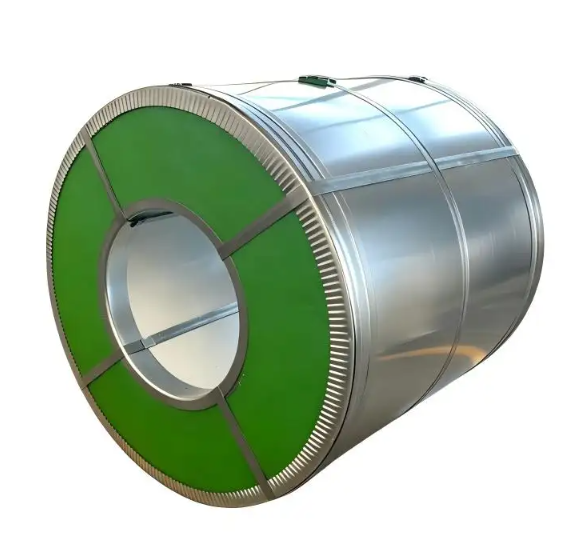
Learn why premium finish galvalume steel coil delivers better paint adhesion and visual consistency in finished building products. Request specs today.
2026/09/10
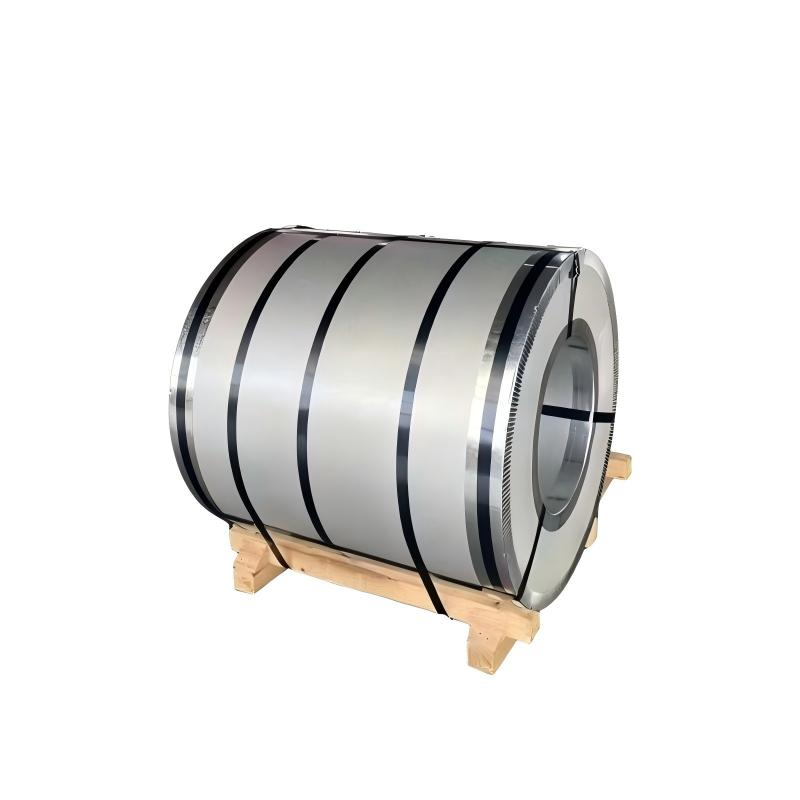
Learn why heavy coating galvalume steel coil provides superior corrosion resistance in harsh coastal settings and saves long-term maintenance costs.
2026/09/10
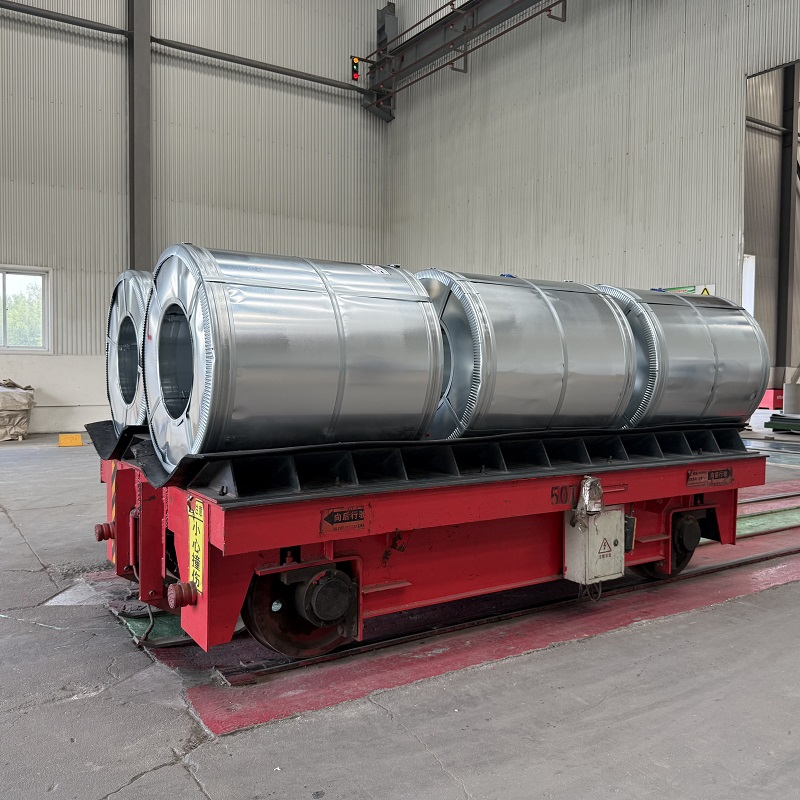
Learn how to test the bending performance of formable galvalume steel coil samples using T-bend testing to prevent cracking and scrap.
2026/09/10
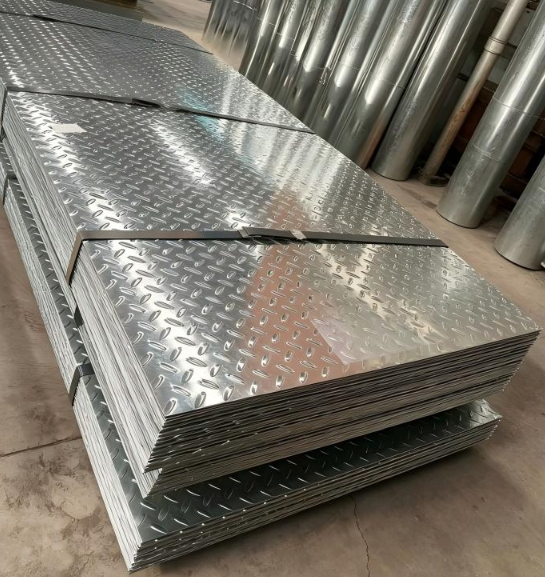
Discover how multi specification galvalume steel coil simplifies purchasing, boosts productivity, and lowers costs for metal fabricators.
2026/09/10
Discover why hot dipped galvanized steel and hot dip galvanized checkered plate offer ideal corrosion resistance and strength for road guardrails.
Covering green transformation, product comparison, selection guide, and industry empowerment, helping you fully grasp the dynamics of the color steel industry.

Global climate action and Belt and Road cooperation are driving the color steel industry’s shift toward green, sustainable development.

Comparing PPGI and PPGL across performance, durability, and applications to help you select the optimal coated steel for your project.
A practical guide to selecting and applying color steel coils, ensuring optimal performance, durability, and cost-effectiveness for your projects.
Industry forum drives digital and green transformation, empowering steel sector development through innovation and collaboration.