EN
EN

What Zinc Coating Weight Fits PPGI for Home Appliances
When purchasing PPGI for home appliance manufacturing, one of the first specification questions that comes up is: what zinc coating weight is actually necessary? The right coating weight depends on the specific appliance, the environment it will operate in, and the performance expectations of the end buyer. In my experience working with procurement engineers across multiple product lines, choosing an unnecessarily heavy zinc substrate inflates material cost without meaningful quality improvement for indoor appliance applications.
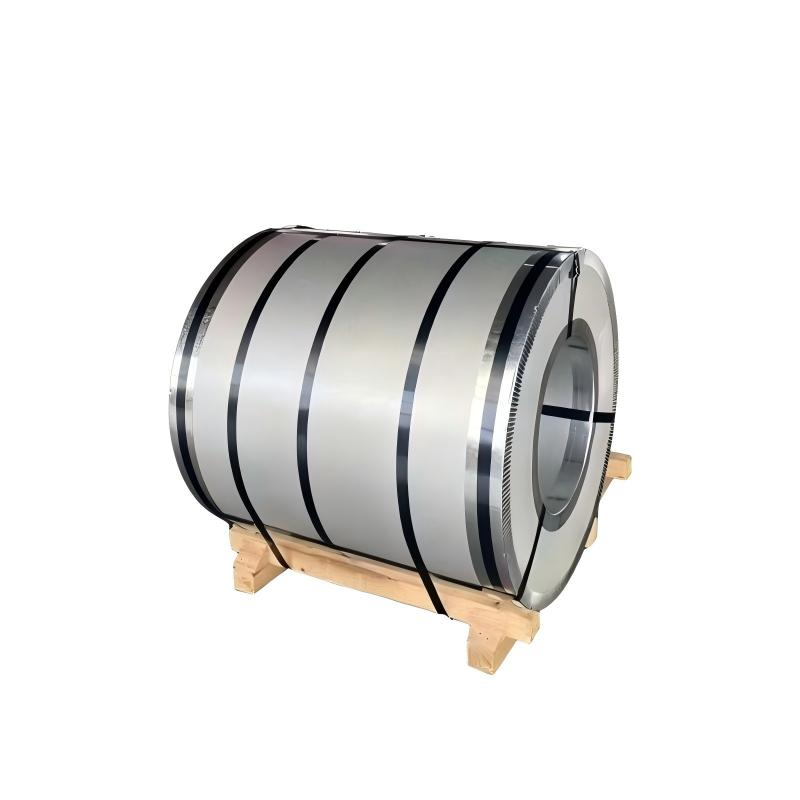
This article walks through how zinc coating weight grades work for PPGI substrates, why home appliances typically call for lighter grades compared to construction steel, and how to decide between options when placing a zinc coating custom ppgi steel coil order.
Understanding Zinc Coating Weight in PPGI
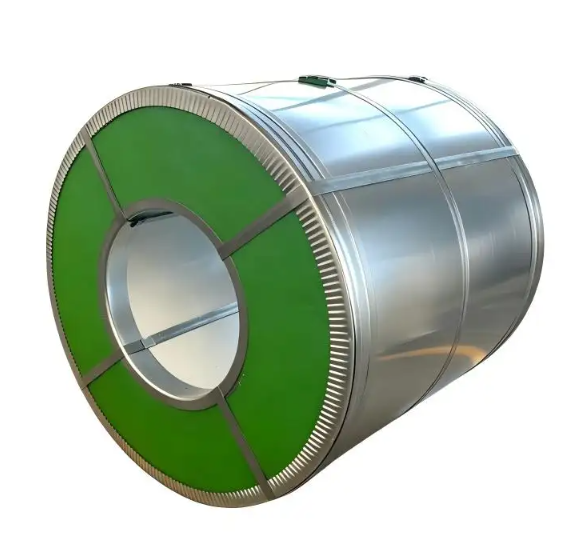
PPGI (pre-painted galvanized iron) consists of a cold-rolled or hot-dip galvanized steel base, a zinc protection layer, a primer coat, and a top paint film. The "zinc coating weight" refers specifically to the zinc layer mass per unit area on the substrate—expressed in grams per square meter (g/m²)—before the paint is applied.
The most common zinc coating designations follow the total-both-sides convention:
| Grade | Zinc Coating Weight (g/m², both sides) | Approximate Zinc Thickness per Side |
|---|---|---|
| Z60 | 60 g/m² | ~4.2 µm per side |
| Z100 | 100 g/m² | ~7.0 µm per side |
| Z120 | 120 g/m² | ~8.4 µm per side |
| Z180 | 180 g/m² | ~12.6 µm per side |
| Z275 | 275 g/m² | ~19.3 µm per side |
A useful rule of thumb: zinc thickness is approximately 0.14 µm per 1 g/m². Z275 is standard for heavy-duty construction roofing and structural panels exposed to outdoor weather, while Z60 and Z100 represent the lighter end of the spectrum—adequate for applications where the zinc layer works as a secondary barrier rather than the primary line of defense.
Why Home Appliances Typically Use Z60 to Z120
The core difference between construction PPGI and appliance PPGI lies in service environment. A roofing panel faces rain, UV exposure, condensation, and mechanical abrasion over a 10-to-20-year lifespan. A washing machine drum panel, refrigerator door liner, or oven side panel operates indoors, largely protected from moisture and UV, relying primarily on the paint system—rather than the zinc layer—for corrosion resistance and color retention.
In practice, this means:
- Z60 (60 g/m²): Suitable for interior appliance panels where the final product is entirely enclosed and unexposed to humidity. Typically used for inner liners, frame components, and non-visible structural parts of home appliances.
- Z100 (100 g/m²): A versatile mid-range grade. Commonly specified for washing machine cabinets, microwave outer shells, and air conditioner casings that may experience occasional condensation but are not in a continuously humid environment.
- Z120 (120 g/m²): Considered the "commercial light-duty" threshold. Used where slightly more corrosion resistance is needed—for instance, dishwasher components, range hood panels near heat and steam, or appliances exported to tropical climates.
Specifying Z180 or Z275 for standard appliance panels, while not incorrect, typically adds unnecessary cost. If you are reviewing a supplier quotation that defaults to Z180 for a washing machine exterior, it is worth questioning whether that is driven by material availability rather than genuine application need.
Matching Coating Weight to Appliance Type
Not all home appliances present the same exposure risk. A quick application-first approach helps narrow the specification before you start sourcing:
Low-Humidity Indoor Appliances
Televisions, air purifiers, small kitchen appliances, and vacuum cleaners operate in dry indoor conditions. For outer panels, Z60 to Z80 substrates are generally sufficient—the paint system carries most of the protective load, and the zinc layer mainly serves as an adhesion promoter and sacrificial barrier against minor processing scratches.
Moderate-Humidity Appliances
Refrigerator exteriors, microwave casings, and air conditioner indoor units face periodic humidity but not sustained immersion. Z100 to Z120 is a reasonable and common specification range. The slightly thicker zinc layer offers a buffer against condensation-related edge creep—particularly relevant at cut edges and formed corners where paint adhesion may be marginally thinner.
High-Humidity or Wet-Area Appliances
Washing machines, dishwashers, and range hoods operate in consistently humid or steam-laden environments. Z120, and in some cases Z140 or Z180 for specific components, may be justified—particularly for panels that are frequently exposed to steam or standing water. That said, many global appliance manufacturers standardize at Z100 and compensate with a higher-build primer coat system rather than stepping up zinc weight across the full coil order.
Thickness and Zinc Weight: Two Separate Variables
A common source of confusion when placing a thickness customized PPGI coil order is conflating base metal thickness with zinc coating weight. These are independent variables. A 0.4 mm thick PPGI coil can be ordered with Z60 or Z120 zinc; similarly, a 0.8 mm coil can carry any zinc grade within the mill's production range.
For home appliance applications, base metal thickness typically runs between 0.3 mm and 0.7 mm, depending on the structural requirements of the panel. The zinc coating weight specification is separate from—and should be evaluated independently of—the thickness selection. When ordering a zinc coating custom ppgi steel coil, make sure both parameters are explicitly stated in your purchase specification to avoid receiving a mismatched substrate.
Common dimensions for appliance-grade PPGI include:
- Thickness: 0.3–0.7 mm (±0.01 mm tolerance)
- Width: 600–1250 mm (slit to custom width on request)
- Zinc coating: Z60–Z120 g/m² (double-sided total)
- Paint system: Polyester (PE) 15–25 µm, or HDPE for higher scratch resistance
How to Specify Zinc Coating Weight When Placing an Order
If you are sourcing PPGI for the first time or entering a new product category, a few practical steps help avoid specification mismatches:
- Identify the operating environment: Is the appliance panel in a dry indoor space, a humid kitchen, or a wet-area zone? This single factor drives most of the zinc weight decision.
- Check your quality standard: If your production line follows ASTM A755, EN 10169, or JIS G3312, the standard's coating designation system determines how zinc weight is reported. Align your purchase order to the same standard your quality inspection team uses.
- Request a mill test report (MTR): A reliable PPGI supplier provides MTRs documenting actual zinc coating weight per heat number—not just the nominal grade. Verify that the delivered coating weight falls within the tolerance range, especially for orders near the lower bound of a grade.
- Discuss customization options: For high-volume appliance OEM orders, specifying a custom zinc coating weight between standard grades—such as Z90 or Z110—may be feasible depending on the mill's production capabilities. This can optimize cost without over-specifying protection.
Sourcing Considerations for Appliance-Grade PPGI
When evaluating suppliers for appliance PPGI, a few factors beyond zinc coating weight matter for production consistency:
- Color consistency: Appliance OEMs assembling multi-panel products need ΔE tolerances documented and maintained across production batches. Ask for color measurement data from the mill, not just a RAL or NCS color code.
- Surface quality: Appliance-grade PPGI requires a smooth, defect-free paint surface. Inspect coils for orange peel, pinholes, or inclusion before committing to a large production run.
- Custom slit width: Appliance panel fabricators often have narrow slit width requirements. Confirm that the supplier can deliver customer-specified widths rather than defaulting to standard mill widths, which may generate excessive trim waste in stamping operations.
- Pre-shipment inspection: For first-time suppliers or new product introductions, third-party pre-shipment inspection (SGS, BV, or equivalent) verifying zinc coating weight, thickness tolerance, and color consistency reduces the risk of receiving out-of-spec material.
Summary
For most home appliance applications, PPGI with a zinc coating weight of Z60 to Z120 (60–120 g/m²) provides adequate corrosion protection—particularly when paired with a well-applied polyester or HDPE paint system. Heavier grades like Z180 or Z275 are generally unnecessary and add cost without meaningful performance improvement for controlled indoor environments.
The right specification depends on the specific appliance type and its operating humidity. For dry indoor products, Z60–Z80 is often sufficient. For moderate-humidity applications such as refrigerators and air conditioners, Z100–Z120 is the practical standard. For wet-area components like washing machine cabinets or dishwasher panels, Z120 or a slightly heavier grade may be warranted for specific exposed sections.
When placing a thickness customized PPGI coil order for appliance production, be sure to specify both base metal thickness and zinc coating weight independently, request mill test reports, and confirm surface quality requirements with your supplier before production begins.