EN
EN

How to customize length size of precision cut GI coil finished sheets
2026/09/11
Learn how to specify precision cut GI coil sheets in custom lengths — tolerance selection, coating integrity, and ordering tips.
2026/09/09
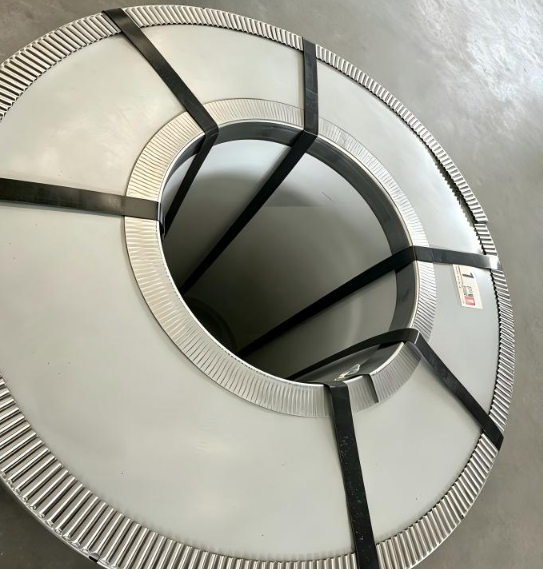
Hot rolled steel coil serves as the foundational raw material for heavy industrial manufacturing, automotive stamping, and structural pipe fabrication. However, its vulnerability to atmospheric corrosion during warehouse storage remains a persistent challenge that costs global manufacturers billions of dollars annually. Managing large-scale metal inventories across humid tropical zones or fluctuating temperate climates shows that proper warehouse humidity control is the single most critical factor determining whether stored steel stays production-ready or degrades into downgraded scrap.
Understanding relative humidity thresholds, dew point interactions, and localized environmental monitoring allows inventory managers and purchasing teams to implement steel storage rust prevention protocols that protect raw material investments over extended holding periods.
The oxidation rate of an uncoated hot rolled steel coil accelerates exponentially once ambient relative humidity crosses a specific tipping point. At relative humidity levels below 60 percent, carbon steel oxidation remains negligible, progressing at less than 0.02 millimeters per year. However, when indoor humidity rises to 80 percent, the corrosion rate increases tenfold. Under extreme conditions of 90 percent relative humidity with active surface condensation, corrosion rates can reach 0.5 millimeters per year. For a 3mm thick hot rolled steel coil, this level of exposure can destroy up to 15 percent of its structural cross-section within a single monsoon season.
The underlying electrochemical process is straightforward: ambient moisture adsorbed onto the raw metal surface creates a continuous conductive electrolyte film. For a typical hot rolled coil retaining an iron oxide mill scale layer, the galvanic potential difference between the mill scale and exposed steel substrate drives rapid localized pitting. Simply shielding steel bundles from direct rainfall is insufficient. Effective steel storage rust prevention requires active, continuous humidity control throughout the storage facility.
Maintaining optimal storage conditions requires managing the dynamic relationship between ambient air temperature, relative humidity, and surface dew points. When heavy steel bundles are moved into a warmer indoor storage bay from cold transport trucks or outdoor staging yards, the massive thermal inertia of the metal causes its surface temperature to lag behind the surrounding air.
If warm, humid air contacts cold steel, moisture condenses instantly on the metal surface. This phenomenon, commonly referred to as sweating, causes severe surface staining and pitting far faster than months of dry storage. In tropical regions with daytime to nighttime temperature swings averaging 12°C, hot rolled steel coil inventory stored near bay doors frequently exhibits heavy morning condensation even when general warehouse relative humidity displays a manageable 65 percent. Resolving this issue requires installing dedicated commercial dehumidification systems, maintaining indoor temperatures around 25°C, and utilizing forced air circulation fans to keep metal surface temperatures within 2°C of ambient room air.
Implementing standardized environmental controls tailored to specific holding periods prevents unexpected inventory degradation:
Short-Term Storage (Under 30 Days): Maintain relative humidity at 60 percent or lower, ambient temperatures between 10°C and 35°C, and ensure steady natural ventilation to prevent localized moisture pockets.
Medium-Term Storage (30 to 90 Days): Target relative humidity levels of 50 percent or lower, maintain temperatures between 15°C and 30°C, and run forced air circulation fans at minimum air speeds of 0.5 meters per second.
Long-Term Storage (Over 90 Days): Require strict humidity control keeping relative humidity at 45 percent or lower, stabilized temperatures between 18°C and 28°C, and continuous industrial dehumidification paired with high-volume low-speed ceiling fans.
Deep-Processing Substrate Storage: For hot rolled steel coil intended for downstream pickling, cold rolling, or galvanizing, enforce strict storage conditions keeping relative humidity below 40 percent and temperatures between 20°C and 25°C. Any early surface pitting on the hot rolled coil substrate carries through pickling lines, causing surface defects in finished cold rolled or PPGI products.
Relying on a single wall-mounted hygrometer near a warehouse office provides a misleading picture of conditions across thousands of square meters of storage space. Comprehensive steel storage rust prevention requires multi-zone monitoring architectures.
Facilities should establish at least three distinct monitoring zones: one near primary loading bays, one in the dense center of the main storage area, and one along exterior perimeter walls. Deploying automated wireless data loggers with hourly recording capabilities enables environmental tracking and trend analysis. If relative humidity exceeds 65 percent for more than 24 consecutive hours in any zone, automated alerts should trigger immediate corrective actions, such as activating supplementary industrial dehumidifiers or adjusting ventilation dampers.
Beyond air quality management, physical staging methods play a vital role. Stacking heavy coils on elevated, moisture-resistant sleepers keeps metal elevated off concrete floors, preventing ground moisture wicking and allowing cooling air to circulate underneath the load.
Establishing robust steel storage rust prevention programs requires connecting internal inventory management with reliable manufacturing and stockholding partners. Global steel buyers need supply chain partners capable of preserving raw material integrity prior to shipment, ensuring that delivered shipments perform as expected during downstream manufacturing.
At Shenyang Yuanhe, extensive warehousing facilities maintain persistent inventory reserves exceeding 10,000 metric tons of hot rolled coil under strictly controlled environmental conditions. Every hot rolled steel coil is stored on elevated sleepers elevated at least 150 millimeters above the ground inside climate-controlled facilities equipped with commercial dehumidifiers and real-time zone monitoring systems that alert inventory teams if relative humidity approaches 55 percent. Backed by dedicated coil processing workshops and fast logistics management, Shenyang Yuanhe supplies premium hot rolled steel coil products that remain free of rust and fully ready for immediate industrial application.
Implementing rigorous humidity control for stored hot rolled steel coil is a fundamental operational necessity. By maintaining relative humidity below the critical 60 percent threshold, actively managing dew point risks, and enforcing multi-zone environmental monitoring, industrial manufacturers and steel buyers can eliminate rust-related inventory losses and ensure maximum production efficiency.
2026/09/11
Learn how to specify precision cut GI coil sheets in custom lengths — tolerance selection, coating integrity, and ordering tips.
2026/09/11
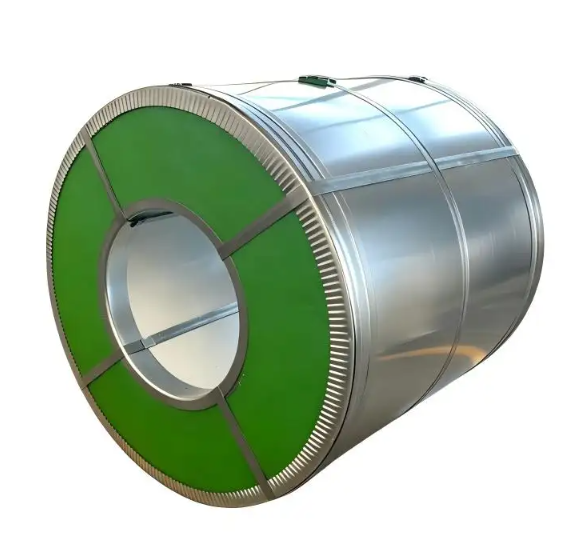
Learn why premium finish galvalume steel coil delivers better paint adhesion and visual consistency in finished building products. Request specs today.
2026/09/10
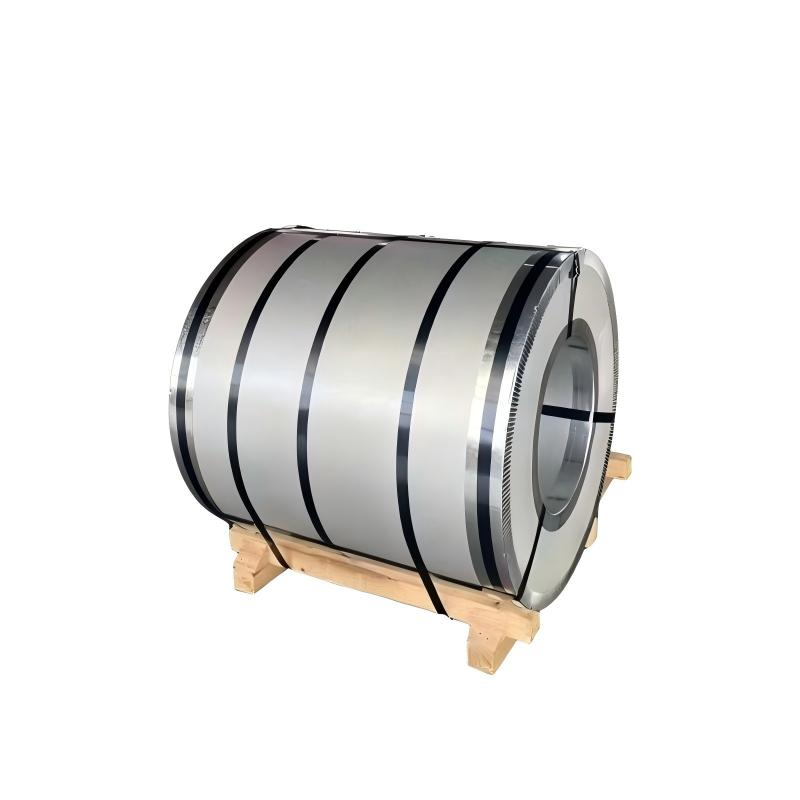
Learn why heavy coating galvalume steel coil provides superior corrosion resistance in harsh coastal settings and saves long-term maintenance costs.
2026/09/10
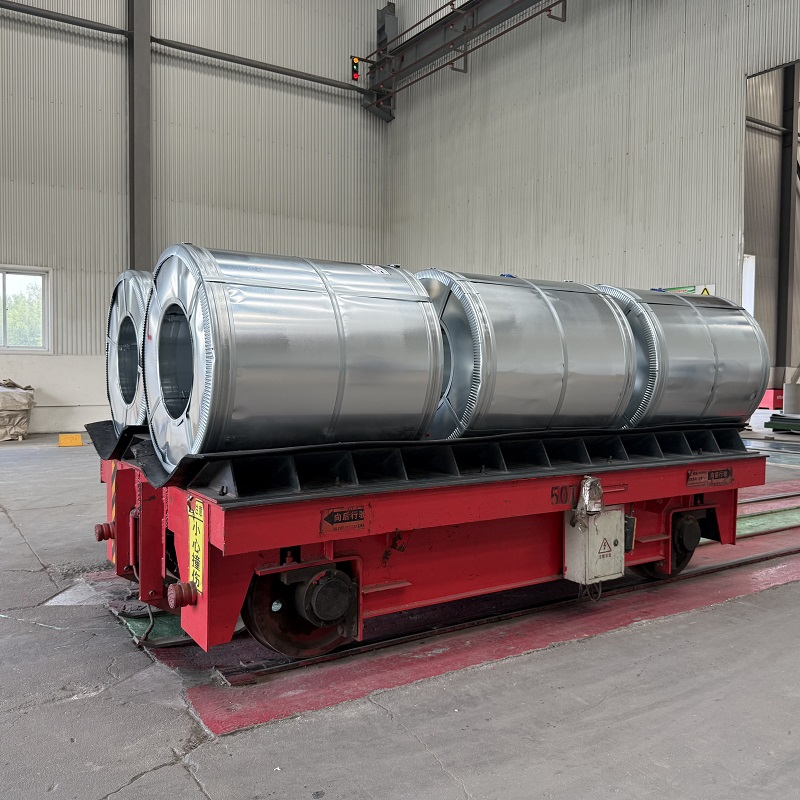
Learn how to test the bending performance of formable galvalume steel coil samples using T-bend testing to prevent cracking and scrap.
2026/09/10
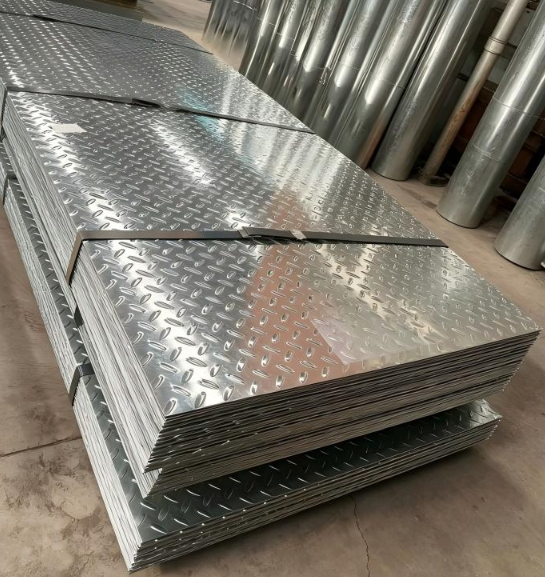
Discover how multi specification galvalume steel coil simplifies purchasing, boosts productivity, and lowers costs for metal fabricators.
2026/09/10
Discover why hot dipped galvanized steel and hot dip galvanized checkered plate offer ideal corrosion resistance and strength for road guardrails.
Covering green transformation, product comparison, selection guide, and industry empowerment, helping you fully grasp the dynamics of the color steel industry.

Global climate action and Belt and Road cooperation are driving the color steel industry’s shift toward green, sustainable development.

Comparing PPGI and PPGL across performance, durability, and applications to help you select the optimal coated steel for your project.
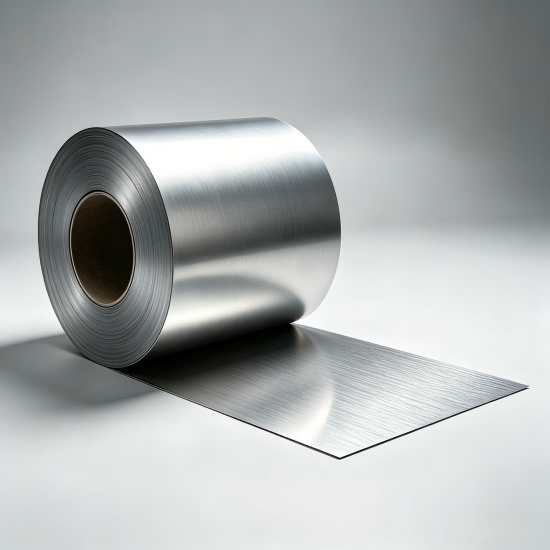
A practical guide to selecting and applying color steel coils, ensuring optimal performance, durability, and cost-effectiveness for your projects.
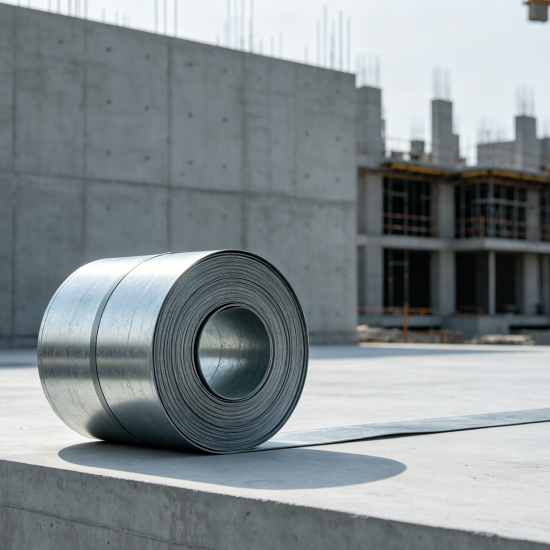
Industry forum drives digital and green transformation, empowering steel sector development through innovation and collaboration.