EN
EN

How to customize length size of precision cut GI coil finished sheets
2026/09/11
Learn how to specify precision cut GI coil sheets in custom lengths — tolerance selection, coating integrity, and ordering tips.
2026/07/30
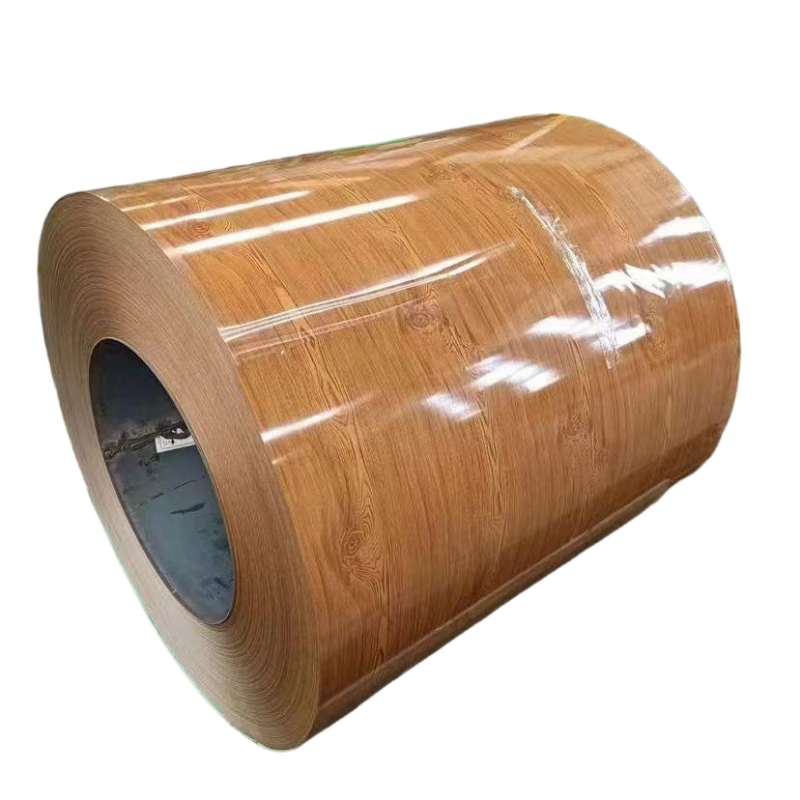
Thickness customization represents a fundamental specification parameter in PPGI coil production, influencing structural performance, formability, service life, and project cost across construction, appliance, and industrial applications. For construction projects requiring precise material specifications, sourcing the specified thickness coil within accurate PPGI coil thickness ranges ensures that material meets application requirements while optimizing cost efficiency. The standard custom thickness coil range spans from 0.09mm to 1.5mm, covering applications from thin-gauge appliance panels to structural roofing and wall cladding systems in PPGI coil production. Within this range, buyers specify exact the thickness-specified coil values matching processing equipment capabilities and structural performance requirements, with PPGI coil thickness increments as fine as 0.01mm achievable through precision cold rolling in PPGI coil production. Understanding relationships between the gauge-specified coil thickness, application performance, and PPGI coil production feasibility is essential for procurement teams responsible for PPGI coil thickness specifications. custom gauge coil specifications directly determine project success in terms of structural adequacy, forming behavior, and cost optimization, making informed PPGI coil thickness selection a critical decision in PPGI coil production planning. Additionally, the thickness-defined coil specifications affect PPGI coil production transportation efficiency, as heavier PPGI coil thickness gauges increase coil weight and shipping costs.
The the specified gauge coil market offers distinct PPGI coil thickness ranges corresponding to specific application categories and PPGI coil production processing requirements. Thin-gauge coils from 0.09mm to 0.3mm serve appliance manufacturing, interior decoration, and lightweight panel applications where formability and weight reduction take priority over structural load-bearing capacity in PPGI coil production. Medium-gauge custom thickness steel coil from 0.3mm to 0.8mm represents the most common PPGI coil thickness range for PPGI coil production construction applications including roofing sheets, wall cladding panels, and general architectural elements. Heavy-gauge the gauge-customized coil from 0.8mm to 1.5mm addresses structural applications requiring enhanced load-bearing capacity, including industrial roofing systems, floor decking, and structural wall panels in PPGI coil production. Within each PPGI coil thickness range, the thickness-tailored coil production accommodates specific customer requirements, with tolerance typically within plus or minus 0.02mm for PPGI coil thickness below 0.5mm and plus or minus 0.03mm for thicker PPGI coil production materials. The galvanized substrate thickness, zinc coating weight, and paint thickness all contribute to total custom gauge steel coil dimensions, with substrate PPGI coil thickness being the primary PPGI coil production customization variable that buyers specify when ordering the specified thickness coil.
Selecting appropriate thickness customized PPGI coil requires systematic evaluation of application requirements including structural loads, span distances, and environmental exposure conditions for PPGI coil production. For roofing applications, selected PPGI coil thickness must support panel span under wind uplift, snow load, and maintenance access loads in PPGI coil production. Residential roofing commonly uses 0.4mm to 0.5mm thickness customized PPGI coil, while industrial roofing with longer spans requires 0.5mm to 0.8mm PPGI coil thickness for adequate structural performance in PPGI coil production. Wall cladding applications allow thinner thickness customized PPGI coil specifications, with 0.3mm to 0.5mm PPGI coil thickness sufficient for vertical wall systems not subject to gravity loading in PPGI coil production. For appliance manufacturing, thickness customized PPGI coil selection balances structural requirements with formability constraints, refrigerators using 0.4mm to 0.6mm and washing machine cabinets 0.5mm to 0.8mm PPGI coil thickness in PPGI coil production. Transportation applications specify 0.8mm to 1.2mm thickness customized PPGI coil for impact resistance and structural integrity in vehicle body panels and container construction through PPGI coil production. PPGI coil thickness selection should also consider fabrication equipment capabilities, as roll forming machines and stamping presses have minimum and maximum thickness customized PPGI coil processing ranges affecting PPGI coil production feasibility.
Maintaining precise tolerance in thickness customized PPGI coil production is critical for PPGI coil thickness processing consistency and downstream fabrication quality in PPGI coil production. Thickness variation across coil width must be controlled within 0.01mm to ensure uniform roll forming results, while longitudinal PPGI coil thickness variation affects nesting efficiency in PPGI coil production cut-to-length operations. Thickness customized PPGI coil manufacturers control PPGI coil thickness through cold rolling precision, galvanizing line tension management, and coating roller calibration in PPGI coil production. Modern PPGI coil production lines incorporate automatic gauge control systems monitoring PPGI coil thickness in real time, making adjustments to maintain specified tolerance throughout thickness customized PPGI coil length. For thickness customized PPGI coil orders, tolerance specifications should clearly distinguish between substrate PPGI coil thickness, total PPGI coil thickness including coatings, and measurement method used for PPGI coil production verification. Buyers should reference ASTM A653 tolerance tables and require mill test certificates documenting actual thickness customized PPGI coil measurements at multiple points along PPGI coil thickness and width. Proper PPGI coil production tolerance control ensures that thickness customized PPGI coil meets downstream PPGI coil thickness processing requirements consistently, preventing forming defects and dimensional inconsistencies in finished PPGI coil production products.
A Central Asian construction materials distributor optimized thickness customized PPGI coil specifications across its product range to improve performance and reduce costs in PPGI coil production. Previously using 0.45mm PPGI coil thickness for both roofing and wall cladding products, field performance data revealed roof panel deflection during heavy snow accumulation in mountainous regions. Engineering analysis recommended 0.55mm thickness customized PPGI coil for industrial roofing applications, maintaining 0.4mm for residential roofing, and reducing wall cladding to 0.35mm PPGI coil thickness for cost optimization in PPGI coil production. Shenyang Yuanhe Steel supplied thickness customized PPGI coil in all three specifications with tolerance within plus or minus 0.02mm, complete mill test certificates, and consistent RAL colors across different PPGI coil thickness gauges in PPGI coil production. The optimized thickness customized PPGI coil specification reduced wall cladding material cost by approximately 8 percent while improving roofing structural performance in snow-load conditions through proper PPGI coil thickness selection. The company offers thickness customized PPGI coil from 0.09mm to 1.5mm with PPGI coil thickness tolerance compliance to ASTM A653 standards, supported by three-tier quality control and 10,000-ton standing inventory for PPGI coil production. PPGI coil production capabilities including in-house flattening, slitting, and cut-to-length enable delivery of pre-processed thickness customized PPGI coil sheets, reducing buyer PPGI coil thickness preparation requirements.
Q: What is the minimum thickness for thickness customized PPGI coil production?
A: Standard minimum PPGI coil thickness is 0.09mm for thickness customized PPGI coil, suitable for lightweight interior panels. Thinner PPGI coil production gauges may be available but formability becomes challenging below 0.09mm PPGI coil thickness.
Q: How does PPGI coil thickness affect thickness customized PPGI coil pricing?
A: PPGI coil production cost generally correlates with material PPGI coil thickness. However, very thin thickness customized PPGI coil below 0.15mm may carry PPGI coil production processing premiums due to handling difficulty.
Q: What thickness tolerance should I specify for precision thickness customized PPGI coil?
A: For stamping applications, specify plus or minus 0.015mm for thickness customized PPGI coil PPGI coil thickness. For construction applications, plus or minus 0.02mm to 0.03mm per ASTM A653 suffices for PPGI coil production orders.
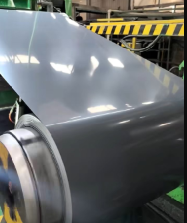
2026/09/11
Learn how to specify precision cut GI coil sheets in custom lengths — tolerance selection, coating integrity, and ordering tips.
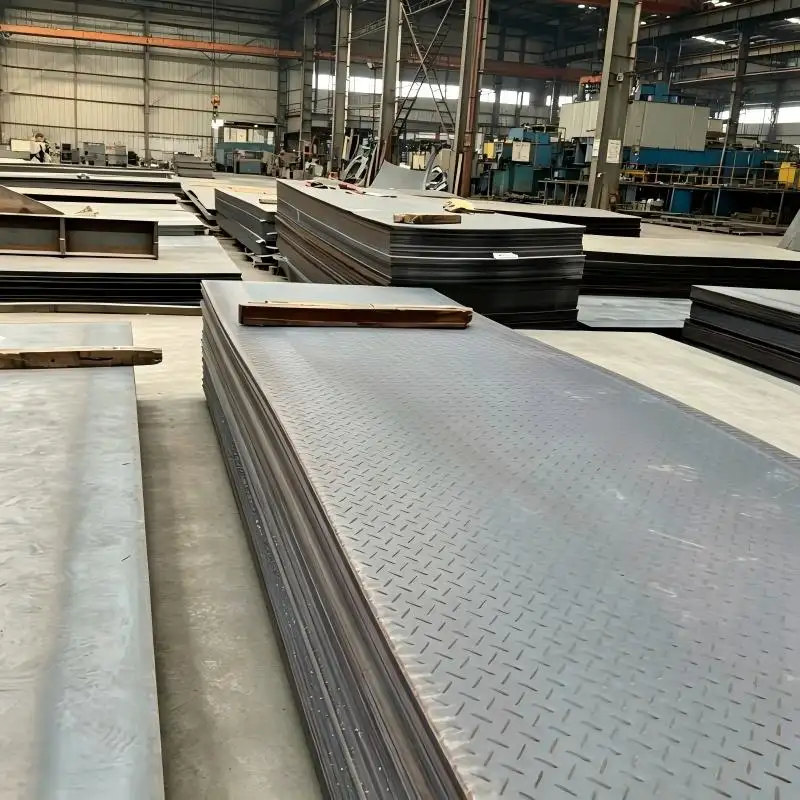
2026/09/11
Learn why premium finish galvalume steel coil delivers better paint adhesion and visual consistency in finished building products. Request specs today.
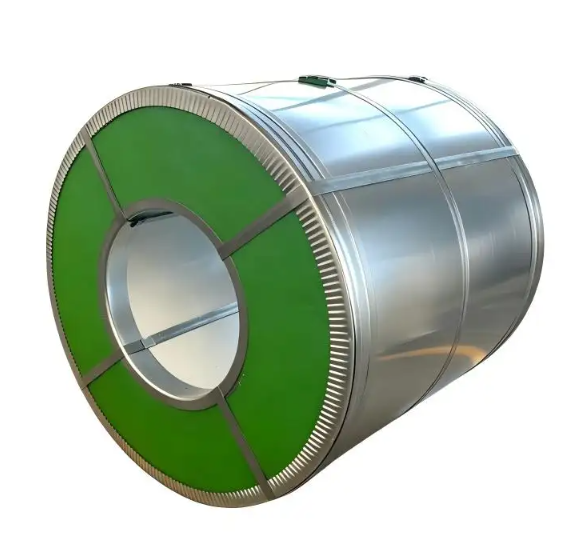
2026/09/10
Learn why heavy coating galvalume steel coil provides superior corrosion resistance in harsh coastal settings and saves long-term maintenance costs.
2026/09/10
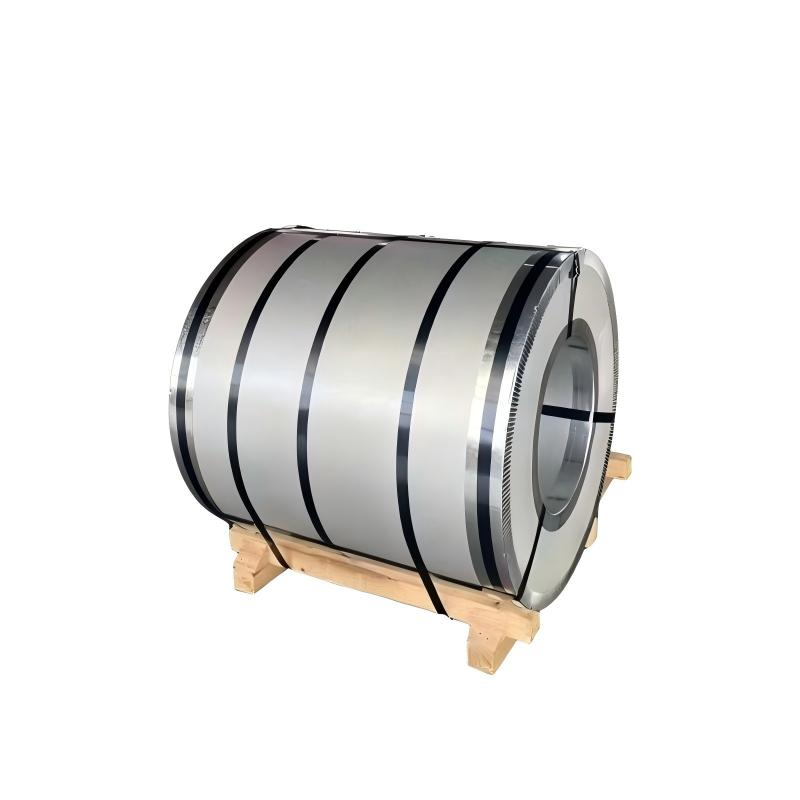
Learn how to test the bending performance of formable galvalume steel coil samples using T-bend testing to prevent cracking and scrap.
2026/09/10
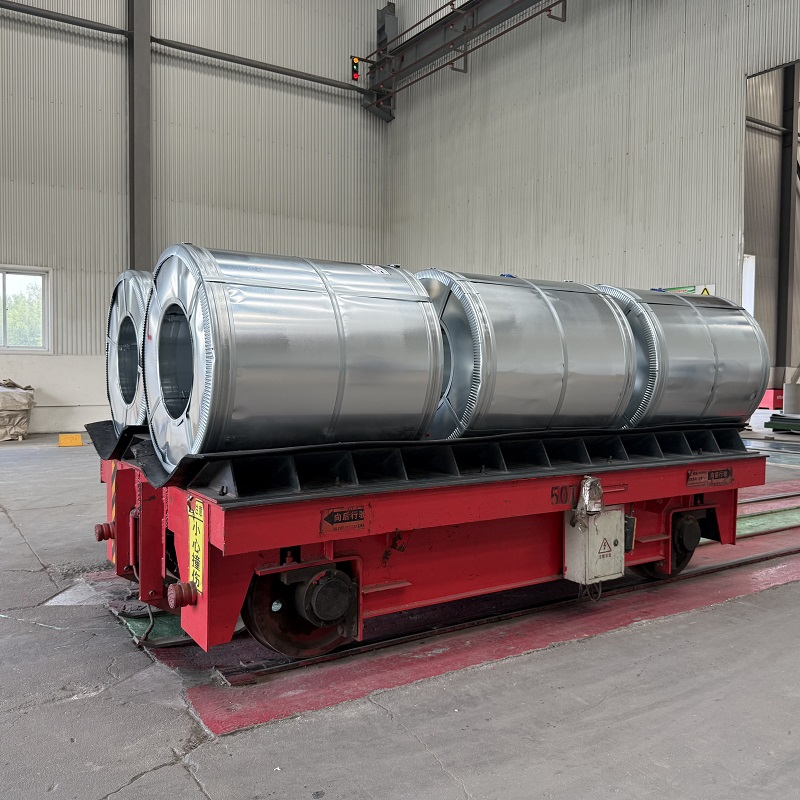
Discover how multi specification galvalume steel coil simplifies purchasing, boosts productivity, and lowers costs for metal fabricators.
2026/09/10
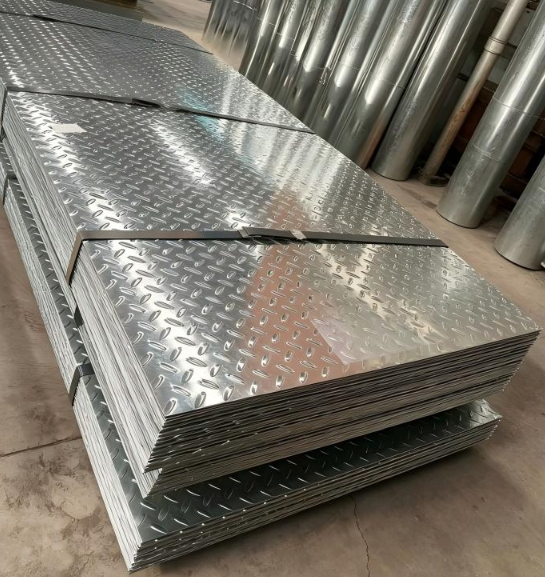
Discover why hot dipped galvanized steel and hot dip galvanized checkered plate offer ideal corrosion resistance and strength for road guardrails.
Covering green transformation, product comparison, selection guide, and industry empowerment, helping you fully grasp the dynamics of the color steel industry.

Global climate action and Belt and Road cooperation are driving the color steel industry’s shift toward green, sustainable development.

Comparing PPGI and PPGL across performance, durability, and applications to help you select the optimal coated steel for your project.
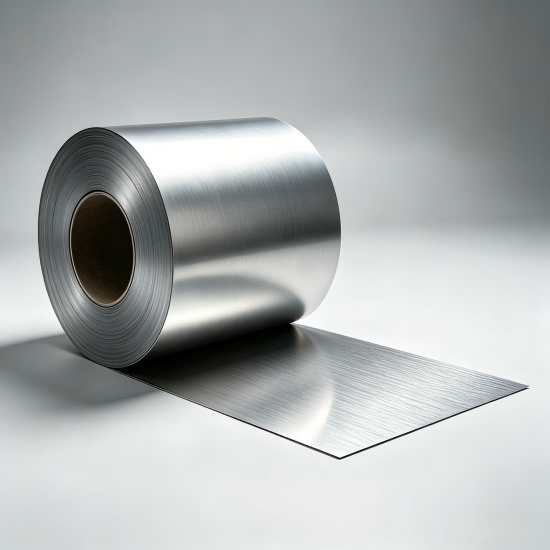
A practical guide to selecting and applying color steel coils, ensuring optimal performance, durability, and cost-effectiveness for your projects.
Industry forum drives digital and green transformation, empowering steel sector development through innovation and collaboration.