EN
EN

How to customize length size of precision cut GI coil finished sheets
2026/09/11
Learn how to specify precision cut GI coil sheets in custom lengths — tolerance selection, coating integrity, and ordering tips.
2026/07/27
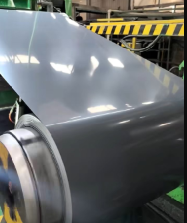
Understanding Standard PPGI Steel Coil Compliance Requirements
When sourcing Standard PPGI steel coil for cross-border projects, international buyers must verify that the material meets a defined set of technical specifications before shipment. Standard PPGI steel coil is a pre-painted galvanized steel product used extensively in construction, appliance manufacturing, and transportation. For international trade, each coil must comply with recognized standards such as ASTM A653, JIS G3302 SGCC, and EN standards, which govern substrate grade, zinc coating weight, paint thickness, and mechanical properties. In my experience working with overseas procurement teams, the most common dispute arises not from price but from specification mismatch, where the delivered Standard PPGI steel coil fails to match the agreed ASTM standard PPGI steel coil parameters. Buyers should always request a mill test certificate (MTC) that documents yield strength, elongation rate, and coating mass before accepting any batch.
Key ASTM Standard PPGI Steel Coil Parameters to Verify
The ASTM standard PPGI steel coil specification framework covers several critical parameters that directly affect field performance. First, the zinc coating weight must fall within the Z20 to Z275 range (20 to 275 grams per square meter), which determines the corrosion resistance lifespan. Second, the total paint coating thickness, typically measured as primer plus topcoat, should reach 20 to 25 microns for standard PE systems. Third, the substrate steel grade, commonly DX51D+Z for general-purpose forming applications, must be confirmed on the MTC. When I helped a Southeast Asian distributor audit a shipment of Standard PPGI steel coil, we discovered that the zinc coating registered only Z80 instead of the contracted Z120, which would have reduced the expected service life in a coastal environment by approximately 40 percent. This case underscores why every ASTM standard PPGI steel coil order must be cross-checked against contractual specifications at the loading port.
Thickness Tolerances and Dimensional Standards for Standard PPGI Steel Coil
Dimensional accuracy is another essential compliance area for Standard PPGI steel coil in international trade. The typical thickness range spans 0.09 to 1.5 millimeters, and international buyers must confirm that thickness tolerances fall within the limits specified by the governing standard. For ASTM standard PPGI steel coil, normal thickness tolerance is plus or minus 0.03 millimeters for coils below 0.5 millimeters, and plus or minus 0.05 millimeters for thicker gauges. Width tolerances, coil inner diameter (commonly 508 or 610 millimeters), and coil weight consistency also form part of the acceptance criteria. A Standard PPGI steel coil that deviates beyond these tolerances can cause feeding problems in downstream roll-forming lines, leading to production downtime and increased scrap rates. Buyers should specify tolerance class requirements in the purchase contract and verify them through pre-shipment inspection reports.
Surface Quality and Paint Adherence Testing for ASTM Standard PPGI Steel Coil
The visual and functional quality of the painted surface on Standard PPGI steel coil must satisfy both aesthetic and durability requirements. ASTM standard PPGI steel coil surface tests typically include visual inspection for defects such as pinholes, blisters, scratches, and color deviation against the agreed RAL reference. Paint adhesion is verified through cross-cut tape testing per ASTM D3359, and flexibility is confirmed through T-bend testing, where a Grade 2T or better result indicates acceptable formability. In one project involving Standard PPGI steel coil supplied to a Middle Eastern roofing manufacturer, the cross-cut test revealed paint flaking at Grade 3T, which prompted a claim and a replacement shipment. These tests ensure that the ASTM standard PPGI steel coil will maintain coating integrity during transportation, installation, and long-term weathering exposure.
Compliance Documentation Required for International PPGI Shipments
International trade demands a complete documentation package accompanying every Standard PPGI steel coil shipment. Essential documents include the mill test certificate, certificate of origin, packing list, and when applicable, pre-shipment inspection (PSI) reports from third-party agencies such as SGS or Bureau Veritas. For ASTM standard PPGI steel coil entering markets with strict import controls, additional documents like ISO 9001 quality management certificates and specific country compliance declarations may be required. From my involvement in export documentation review, missing or incomplete certificates cause more customs delays than any other single factor. Buyers should establish a documentation checklist before placing orders and require the supplier to provide scanned copies for pre-verification, ensuring the Standard PPGI steel coil meets all regulatory and contractual obligations prior to vessel loading.
Practical Sourcing Scenario: Verifying Standard PPGI Steel Coil Specifications
Consider a practical sourcing scenario where a construction company in Central Asia orders 500 tons of Standard PPGI steel coil for a warehouse roofing project. The contract specifies ASTM A653 compliance, DX51D+Z substrate, Z120 zinc coating, 0.47 millimeter thickness, and RAL 9002 color. Before the ASTM standard PPGI steel coil is loaded, the buyer engages a third-party inspector who randomly samples five coils from the batch, measures thickness at multiple points, performs magnetic thickness gauge readings on the zinc layer, and compares the paint color against the RAL standard. This verification process, while adding a modest inspection cost, protects the buyer against specification drift and ensures that the Standard PPGI steel coil delivered will perform as engineered. Manufacturers like Shenyang Yuanhe, which maintain a three-tier quality control system and supply over 100,000 tons annually, demonstrate that systematic specification verification is achievable at scale, giving international buyers confidence in consistent compliance.
Frequently Asked Questions About Standard PPGI Steel Coil Specifications
What standards should Standard PPGI steel coil comply with for international trade?
Standard PPGI steel coil should comply with ASTM A653, JIS G3302, EN 10169, or GB standards depending on the destination market. The ASTM standard PPGI steel coil specification covers substrate grade, zinc coating weight, paint thickness, and mechanical properties. Buyers should specify which standard applies in the purchase contract and request a mill test certificate for verification.
How do I verify the zinc coating weight on a Standard PPGI steel coil shipment?
You can verify zinc coating weight through a magnetic thickness gauge for on-site measurement or through a laboratory dissolution test per ASTM A90. The ASTM standard PPGI steel coil MTC should list the coating mass. For international trade, third-party pre-shipment inspection provides the most reliable verification method for Standard PPGI steel coil compliance.
What thickness tolerance should I expect for Standard PPGI steel coil?
For Standard PPGI steel coil below 0.5 millimeters, the typical tolerance is plus or minus 0.03 millimeters under ASTM standard PPGI steel coil guidelines. For thicker gauges, plus or minus 0.05 millimeters is common. Always confirm the tolerance class in your contract and verify through pre-shipment measurement reports.
2026/09/11
Learn how to specify precision cut GI coil sheets in custom lengths — tolerance selection, coating integrity, and ordering tips.
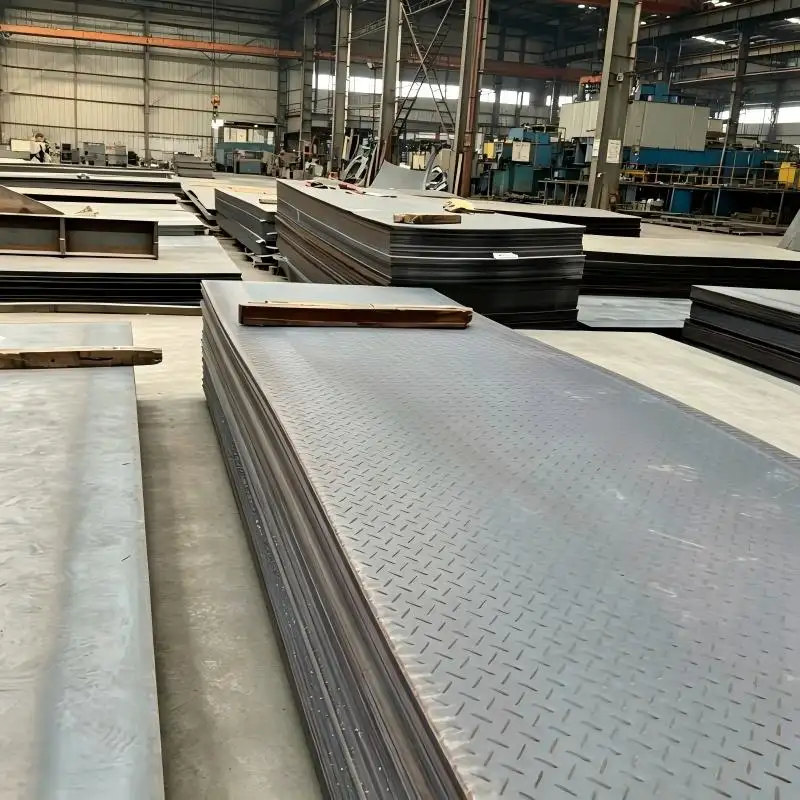
2026/09/11
Learn why premium finish galvalume steel coil delivers better paint adhesion and visual consistency in finished building products. Request specs today.
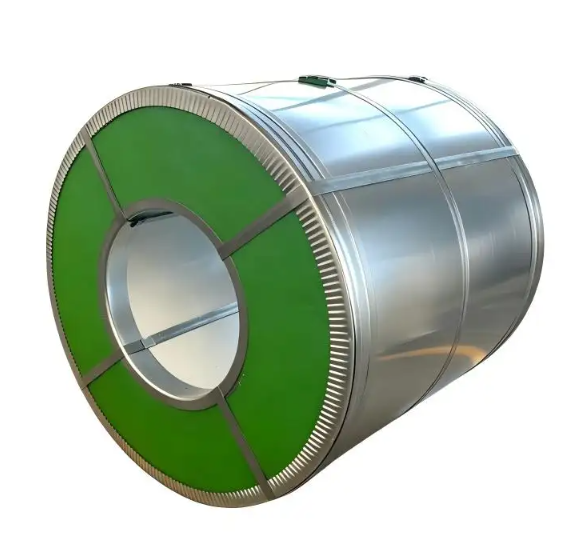
2026/09/10
Learn why heavy coating galvalume steel coil provides superior corrosion resistance in harsh coastal settings and saves long-term maintenance costs.
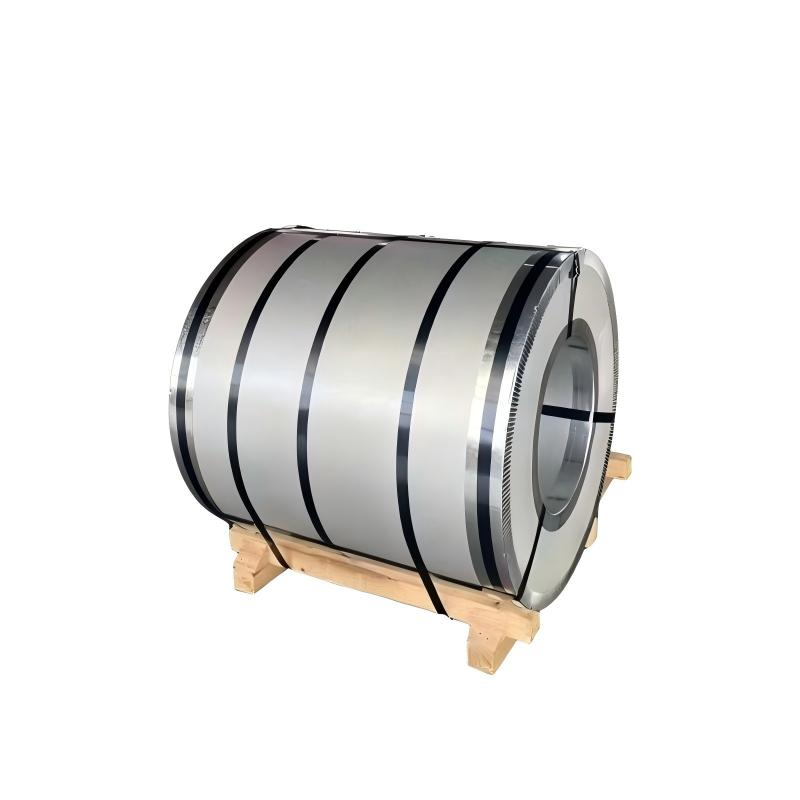
2026/09/10
Learn how to test the bending performance of formable galvalume steel coil samples using T-bend testing to prevent cracking and scrap.
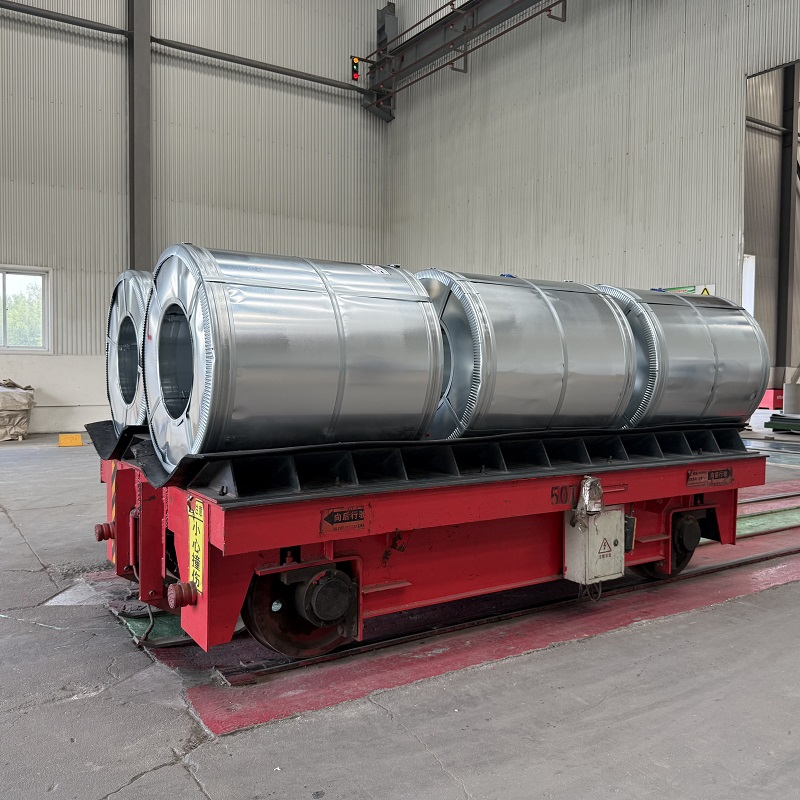
2026/09/10
Discover how multi specification galvalume steel coil simplifies purchasing, boosts productivity, and lowers costs for metal fabricators.
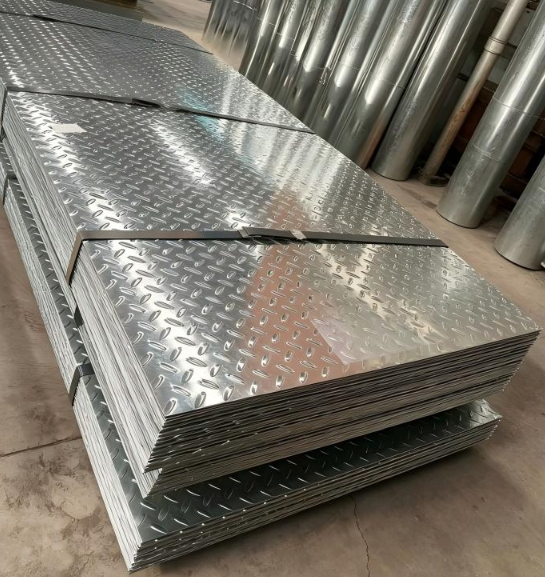
2026/09/10
Discover why hot dipped galvanized steel and hot dip galvanized checkered plate offer ideal corrosion resistance and strength for road guardrails.
Covering green transformation, product comparison, selection guide, and industry empowerment, helping you fully grasp the dynamics of the color steel industry.

Global climate action and Belt and Road cooperation are driving the color steel industry’s shift toward green, sustainable development.

Comparing PPGI and PPGL across performance, durability, and applications to help you select the optimal coated steel for your project.
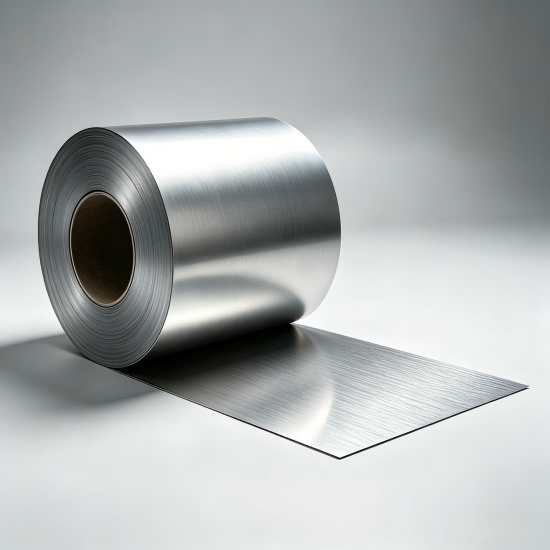
A practical guide to selecting and applying color steel coils, ensuring optimal performance, durability, and cost-effectiveness for your projects.
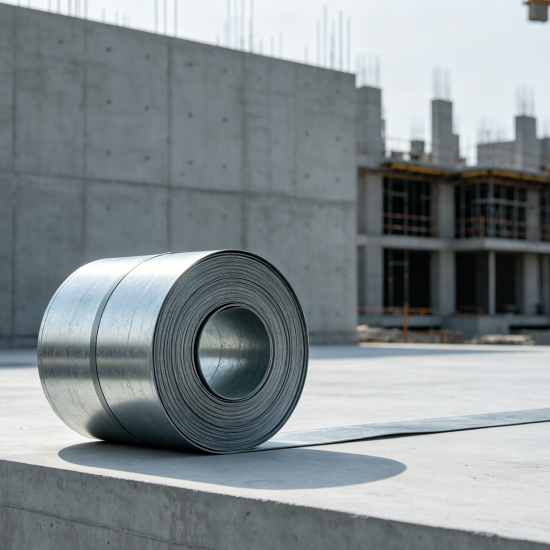
Industry forum drives digital and green transformation, empowering steel sector development through innovation and collaboration.