EN
EN

How to customize length size of precision cut GI coil finished sheets
2026/09/11
Learn how to specify precision cut GI coil sheets in custom lengths — tolerance selection, coating integrity, and ordering tips.
2026/09/01
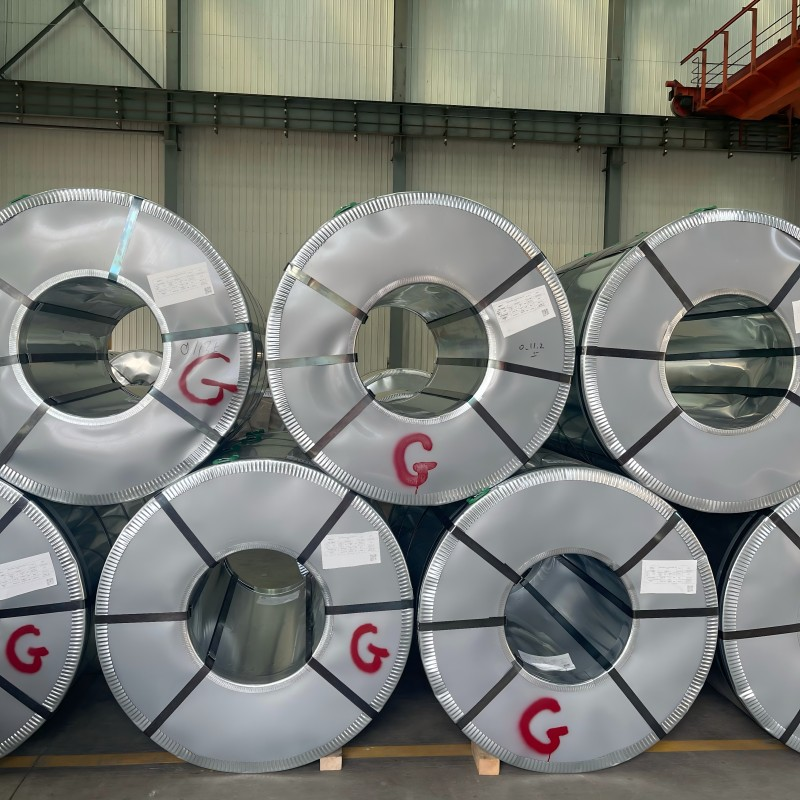
A standard GI sheet—manufactured by applying a zinc layer onto steel substrates via hot-dip galvanizing—offers natural barrier protection against moisture and atmospheric exposure. However, in aggressive industrial environments marked by persistent humidity, chemical vapors, airborne salts, or frequent manual handling, a bare galvanized iron GI sheet can experience surface oxidation faster than projected.
Applying specialized surface treatments immediately after the hot-dip bath dramatically improves corrosion resistance, preserves aesthetic finish, and extends total operational service life. Choosing the right surface treatment GI sheet option allows engineers and procurement teams to maximize structural reliability and minimize downstream maintenance costs.
The protective layer on a galvanized iron GI sheet acts through two complementary metallurgical mechanisms:
Physical Barrier Defense: The continuous zinc film separates the underlying carbon steel from moisture, oxygen, and atmospheric pollutants.
Galvanic Sacrificial Protection: Zinc corrodes preferentially to protect exposed steel margins, cut edges, and superficial scratches from rusting.
Over time, exposed zinc reacts with atmospheric carbon dioxide and moisture to form a protective zinc carbonate patina. However, when a fresh GI sheet encounters trapped condensation during ocean transport or job-site storage, rapid oxidation forms zinc hydroxide—commonly known as white rust.
Without targeted surface sealing, white rust degrades the visual appearance and thins the protective zinc layer before installation even begins. Chemical conversion coatings and topical surface seals prevent early storage stain formation, preserving material value across international transport chains.
Selecting a post-galvanizing finish depends on downstream fabrication methods, environmental exposure levels, and final application requirements.
| Post-Galvanizing Treatment | Application Process | Protective Mechanism | Storage & Service Life Extension |
| Hexavalent Chromate Passivation | Chemical Dip or Spray Ring | Builds a passive chromium oxide protective barrier | 2x to 3x increase in humid storage protection |
| Trivalent Chromium Passivation | Roll Coating or Bath Immersion | Environmentally compliant Cr(III) passivation layer | 1.5x to 2x improvement over untreated stock |
| Anti-Rust Oil Coating | Electrostatic Spray or Felt Roll | Temporary hydrophobic physical moisture barrier | 3 to 6 months of temporary storage defense |
| Anti-Fingerprint Coating (AFP) | Roller Coater with Thermal Curing | Hybrid organic-inorganic protective film | 2x to 3x lifespan boost in high-handling uses |
| Phosphate Conversion Coating | Chemical Spray Treatment | Micro-crystalline layer for paint bonding | Provides an ideal primer foundation for post-painting |
For structural material destined for post-fabrication liquid painting or powder coating, specifying a phosphate surface treatment GI sheet ensures strong mechanical paint adhesion. Conversely, for interior appliance panels and exposed architectural trim where visual appearance matters, an anti-fingerprint coating finish prevents manual handling marks while adding secondary atmospheric resistance.
Anti-fingerprint coating technology has transformed material selection across appliance manufacturing, HVAC ducting, and electronic enclosure assembly. This advanced surface treatment GI sheet finish applies a thin (1.0 to 3.0 micron) hybrid resin layer directly over passivated zinc, followed by thermal curing at 80°C to 120°C.
Key performance advantages of anti-fingerprint coating processing include:
Handling Stain Resistance: Masks skin oils, sweat marks, and tool scuffs during manual sheet positioning and bending operations.
Elevated Neutral Salt Spray Performance: Delivers 100 to 200 hours of continuous neutral salt spray resistance without red rust formation.
Electrical Grounding Continuity: Maintains low electrical contact resistance across panel joints, ensuring proper grounding for electrical cabinets.
Lubrication Efficiency: Provides a low-friction surface film that reduces the need for heavy drawing oils during light metal stamping operations.
For exposed appliance backs, cabinet side panels, and indoor equipment housings, using an anti-fingerprint coating finish eliminates post-cleaning steps, keeping assembly lines efficient and cost-effective.
Ordering customized galvanized iron GI sheet products requires defining clear surface treatment specifications during technical contract drafting:
Chemical Compliance Requirements: Standard hexavalent chromate coatings face heavy usage restrictions under RoHS and REACH regulations. Specifying trivalent chromium passivation ensures full environmental compliance across European and North American export markets.
Coating Weight Verification: Standard chromate passivation requires 10 mg/m² to 50 mg/m² of chromium per side to ensure consistent passivation depth.
Storage and Surface Prep Protocols: Oiled GI sheet material requires alkaline degreasing before field welding or painting to prevent weld porosity and paint adhesion failures.
Expected Shelf Life Parameters: Properly stored anti-fingerprint coating panels offer a stable 6-to-12-month storage shelf life without surface discoloration or white rust formation.
Matching specific site storage and handling conditions with the right surface treatment GI sheet configuration protects raw material investments throughout complex international supply channels.
Adding specialized surface processing to a galvanized iron GI sheet adds only a minor premium—typically 1% to 5% of overall base material costs. However, evaluating downstream processing returns demonstrates significant financial advantages.
For a commercial project utilizing 500 tons of structural stock:
Base Material Investment: Adding an anti-fingerprint coating finish increases raw material costs by approximately $2,000 to $5,000 overall.
Operational Savings: Suppressing storage white rust and manual handling marks reduces material rejection rates by 60% to 80% during factory assembly.
Rework Reduction: Eliminates manual solvent wiping and re-polishing work before final product shipment.
Investing in specialized surface protection ensures that every galvanized iron GI sheet panel arrives at the assembly station in prime condition, delivering clear economic value across high-volume production operations.
Matching surface treatments to real-world operational environments ensures long-term performance:
Appliance & Electronic Cabinet Enclosures: Prefers an anti-fingerprint coating surface treatment GI sheet to ensure clean appearance, easy maintenance, and stable grounding capabilities.
Post-Painted Architectural Panels: Benefits from phosphate conversion coatings that anchor primer layers, preventing paint peeling under severe outdoor weathering.
Long-Distance Export & Maritime Transport: Utilizes trivalent chromate passivation paired with light anti-rust oiling to prevent salt fog damage during transoceanic shipping.
Processing high-performance steel products with precise surface coatings requires modern continuous galvanizing lines, precise roll-coating equipment, and strict quality control verification. Matching chemical passivation parameters with specific application demands guarantees material durability across diverse global markets.
Shenyang Yuanhe Steel maintains an annual inventory exceeding 10,000 tons and operates advanced coil processing workshops equipped for custom slitting, shearing, and surface treatment applications. Shenyang Yuanhe Steel supplies certified GI sheet materials, customized galvanized iron GI sheet stock, and advanced surface treatment GI sheet options featuring environmentally compliant trivalent passivation and anti-fingerprint coating setups. By combining strict quality control, full batch certification, and dependable logistics management, Shenyang Yuanhe Steel supports global construction, manufacturing, and distribution partners worldwide.
2026/09/11
Learn how to specify precision cut GI coil sheets in custom lengths — tolerance selection, coating integrity, and ordering tips.
2026/09/11
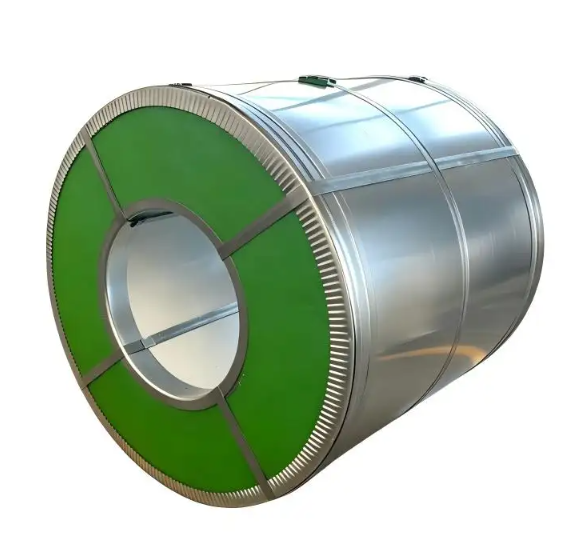
Learn why premium finish galvalume steel coil delivers better paint adhesion and visual consistency in finished building products. Request specs today.
2026/09/10
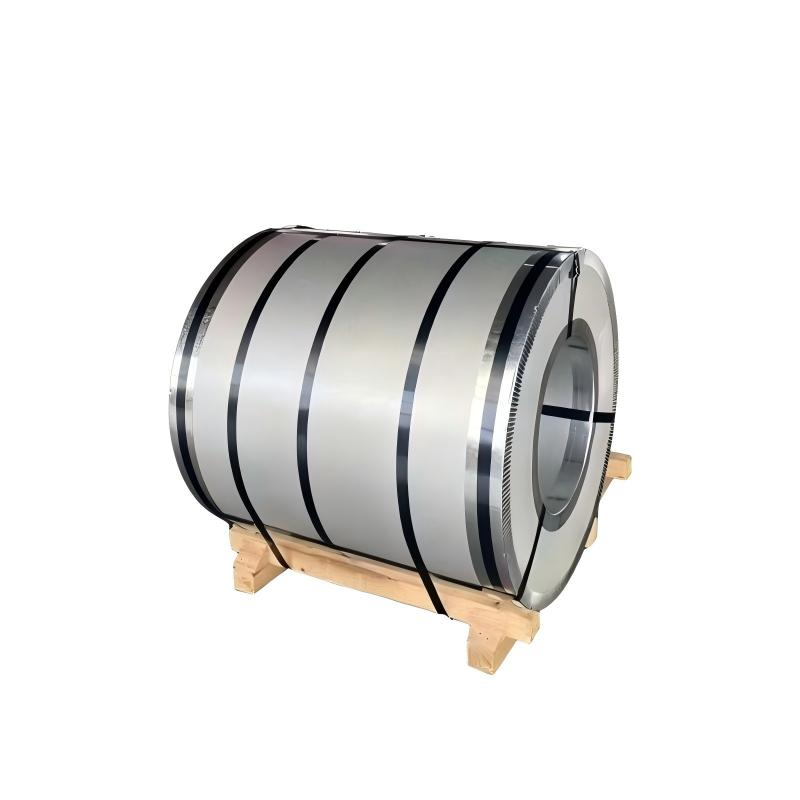
Learn why heavy coating galvalume steel coil provides superior corrosion resistance in harsh coastal settings and saves long-term maintenance costs.
2026/09/10
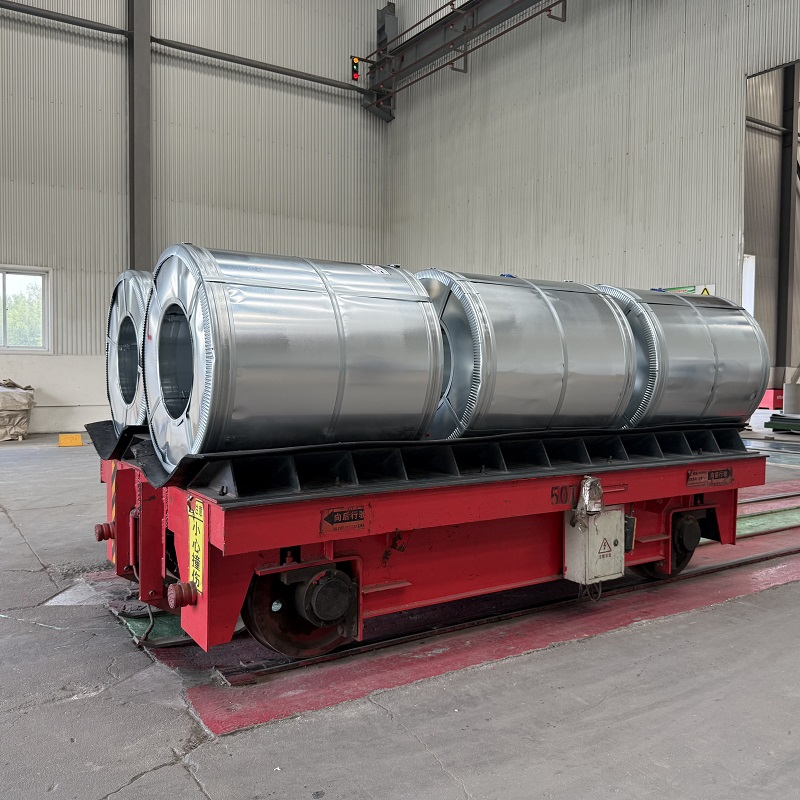
Learn how to test the bending performance of formable galvalume steel coil samples using T-bend testing to prevent cracking and scrap.
2026/09/10
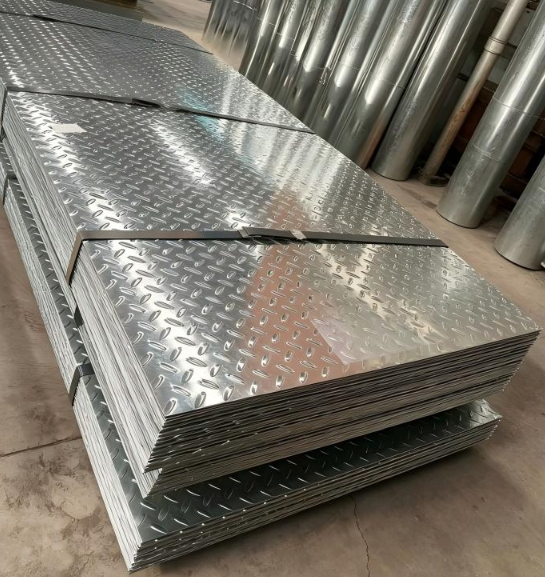
Discover how multi specification galvalume steel coil simplifies purchasing, boosts productivity, and lowers costs for metal fabricators.
2026/09/10
Discover why hot dipped galvanized steel and hot dip galvanized checkered plate offer ideal corrosion resistance and strength for road guardrails.
Covering green transformation, product comparison, selection guide, and industry empowerment, helping you fully grasp the dynamics of the color steel industry.

Global climate action and Belt and Road cooperation are driving the color steel industry’s shift toward green, sustainable development.

Comparing PPGI and PPGL across performance, durability, and applications to help you select the optimal coated steel for your project.
A practical guide to selecting and applying color steel coils, ensuring optimal performance, durability, and cost-effectiveness for your projects.
Industry forum drives digital and green transformation, empowering steel sector development through innovation and collaboration.