EN
EN

How to customize length size of precision cut GI coil finished sheets
2026/09/11
Learn how to specify precision cut GI coil sheets in custom lengths — tolerance selection, coating integrity, and ordering tips.
2026/08/05
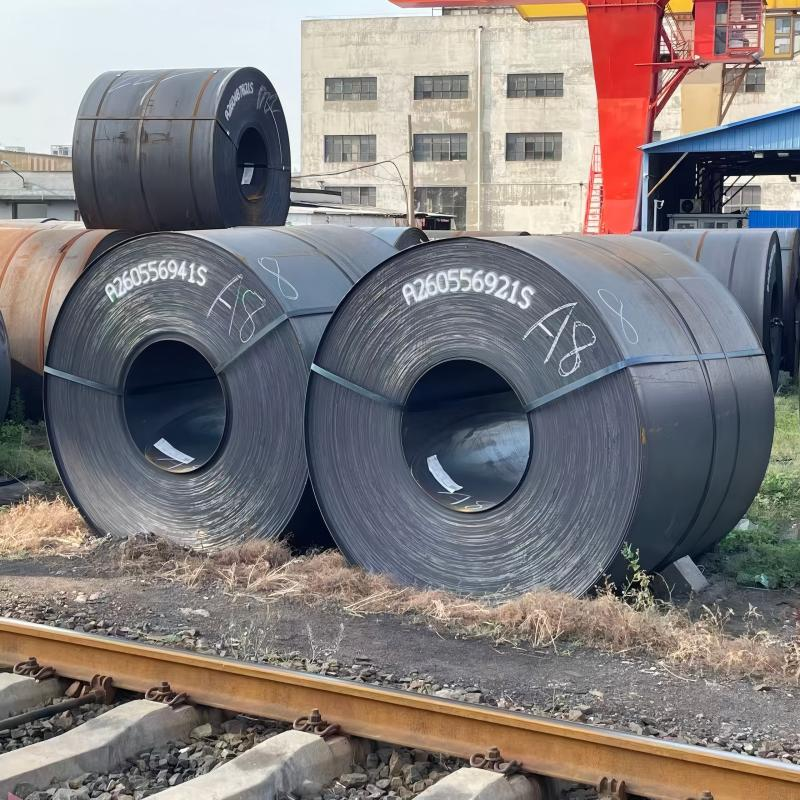
The zinc coating on GI coil provides sacrificial corrosion protection, but the zinc layer itself is vulnerable to oxidation, chemical attack, and mechanical damage during handling and service. Without proper surface treatment, even a uniform zinc layer GI coil can develop white rust within days of exposure to humid storage conditions, compromising both appearance and long term performance. Anti-corrosion GI coil requires a combination of zinc coating quality and supplementary surface treatments that work synergistically to extend service life. Drawing from five years of technical consulting on galvanized steel applications, this article examines the surface treatment options available for improving GI coil anti rust performance, from basic passivation to advanced multi layer protection systems, with practical guidance on selecting the right treatment for each application environment.
Before any surface treatment can be effective, the underlying zinc coating must be uniform and defect free. A uniform zinc layer GI coil achieves consistent corrosion resistance across the entire coil surface, without thin spots or coating gaps that become initiation points for red rust. The ASTM A653 standard specifies minimum coating weight requirements, but coating uniformity is equally critical. Non uniform zinc distribution, where coating thickness varies by more than 15 percent across the coil width, creates localized weak points where corrosion penetrates rapidly. Anti-corrosion GI coil production requires modern hot dip galvanizing lines with air knife control that maintains zinc layer thickness variation within plus or minus 8 percent across the strip width. The spangle structure also affects corrosion performance: a uniform zinc layer GI coil with fine, regular spangle develops a stable basic zinc carbonate patina more quickly than large spangle coatings, providing faster initial protection. In a 2023 coastal warehouse project in Sri Lanka, the buyer specified uniform zinc layer GI coil with Z275 coating and controlled spangle size below 3 mm, achieving first maintenance free period of 18 years compared to 12 years for non uniform coating of the same nominal weight.
Chemical passivation is the most common surface treatment for anti-corrosion GI coil, applied inline during the galvanizing process. Traditional chromate passivation uses hexavalent chromium compounds to form a thin (0.5 to 1.0 micrometer) chromium zinc conversion layer that prevents white rust formation during storage and transportation. This treatment extends the storage life of uniform zinc layer GI coil from 2 to 3 weeks (untreated) to 3 to 6 months in typical warehouse conditions. However, hexavalent chromium is restricted under EU REACH and RoHS regulations, driving the industry toward trivalent chromium passivation and chromium free alternatives. Trivalent chromium passivation provides approximately 80 percent of the corrosion resistance of hexavalent systems but complies with environmental regulations. Chromium free passivation systems, based on silane or titanium zirconium chemistry, offer environmental compliance and recyclability but provide slightly lower corrosion protection, typically achieving 500 to 700 hours of salt spray resistance per ASTM B117 compared to 800 to 1,000 hours for chromate systems. For anti-corrosion GI coil destined for European markets, trivalent chromium or chromium free passivation is now standard practice.
Oiling provides a cost effective temporary surface treatment for uniform zinc layer GI coil during storage and transit. The oil film, typically applied at 0.5 to 1.5 grams per square meter, creates a hydrophobic barrier that prevents moisture contact with the zinc surface. For anti-corrosion GI coil shipped through humid sea routes to tropical destinations, rust preventive oiling is essential: without it, condensation inside shipping containers can cause white rust within 7 to 10 days. The choice of oil affects both protection duration and downstream processing. Soluble oils are easier to remove before painting but provide shorter protection (2 to 3 months). Dry film rust preventives, which leave a thin waxy residue, offer protection up to 12 months but require alkaline cleaning before coating application. For uniform zinc layer GI coil that will be painted or further processed, the oil must be compatible with downstream pretreatment chemicals to avoid adhesion problems.
Beyond basic passivation, advanced surface treatments can significantly enhance anti-corrosion GI coil performance. Galvannealing, which heats the zinc coated steel to 500 to 550 degrees Celsius after galvanizing, creates an iron zinc alloy layer that provides harder surface, better paint adhesion, and improved weldability compared to standard galvanized coil. While galvannealing slightly reduces the sacrificial protection of the zinc layer, the resulting anti-corrosion GI coil performs better in painted applications where coating adhesion is critical. Organic coating systems applied directly to uniform zinc layer GI coil provide an additional barrier layer. A 3 to 5 micrometer clear organic coating, often based on acrylic or polyester resin, can extend salt spray resistance by 40 to 60 percent compared to passivation alone. For highly corrosive environments, a full paint system (primer plus topcoat, 25 to 35 micrometers total) transforms the GI coil into a prepainted product with 15 to 30 years of corrosion resistance depending on the coating type and environmental severity. Anti-corrosion GI coil with full paint systems provides the longest maintenance free service life available. When evaluating anti-corrosion GI coil options, consider both the initial treatment cost and the projected maintenance savings over the building's life cycle.
The optimal surface treatment for anti-corrosion GI coil depends on the application environment, downstream processing requirements, and regulatory constraints. The following decision framework helps guide selection. For short term storage and indoor applications, chromate passivation or trivalent chromium passivation provides adequate protection. For export shipments through humid routes, combine passivation with rust preventive oiling. For uniform zinc layer GI coil that will be painted, galvannealing with trivalent chromium passivation provides the best paint adhesion base. For direct exposure in corrosive environments without subsequent painting, consider an organic barrier coating or full prepainted system. Shenyang Yuanhe Steel produces anti-corrosion GI coil with multiple surface treatment options including trivalent chromium passivation, rust preventive oiling, and optional organic coating layers. Their ASTM A653 and JIS G3302 compliant galvanizing line maintains zinc coating uniformity within plus or minus 8 percent, with Z20 to Z275 coating weight options and 6 to 14 day production lead times supporting diverse anti-corrosion requirements across construction, agricultural, and industrial applications.
Comparison Table
|
Surface Treatment |
Coating Thickness |
Salt Spray (ASTM B117) |
White Rust Prevention |
Environmental Compliance |
|
None (bare zinc) |
0 um |
100-200 hours |
2-3 weeks |
Compliant |
|
Hexavalent chromate |
0.5-1.0 um |
800-1000 hours |
3-6 months |
Restricted (REACH) |
|
Trivalent chromate |
0.5-1.0 um |
600-800 hours |
3-5 months |
Compliant |
|
Chromium free (silane) |
0.5-1.0 um |
500-700 hours |
2-4 months |
Compliant |
|
Rust preventive oil |
0.5-1.5 g/m2 |
200-400 hours |
3-12 months |
Compliant |
|
Organic barrier coating |
3-5 um |
800-1200 hours |
12+ months |
Compliant |
|
Full paint system |
25-35 um |
1500-3000 hours |
15-30 years |
Compliant |
Frequently Asked Questions
Q: What is the difference between hexavalent and trivalent chromium passivation for GI coil?
A: Hexavalent chromium passivation provides superior corrosion resistance (800-1000 hours salt spray) but is restricted under EU REACH and RoHS. Trivalent chromium offers approximately 80 percent of that performance (600-800 hours) while complying with environmental regulations, making it the standard choice for European market shipments.
Q: How long can untreated GI coil be stored before white rust appears?
A: Untreated uniform zinc layer GI coil can develop white rust within 2 to 3 weeks in humid warehouse conditions. With chromate passivation, storage life extends to 3 to 6 months. Adding rust preventive oil can extend protection to 12 months, which is essential for coils shipped through humid sea routes.
Q: Does galvannealing improve or reduce corrosion resistance compared to standard galvanizing?
A: Galvannealing slightly reduces sacrificial zinc protection because some zinc converts to iron-zinc alloy, but it significantly improves paint adhesion and surface hardness. For applications where the GI coil will be painted, galvannealed anti-corrosion GI coil provides better long-term performance due to superior coating adhesion that prevents under-film corrosion.
2026/09/11
Learn how to specify precision cut GI coil sheets in custom lengths — tolerance selection, coating integrity, and ordering tips.
2026/09/11
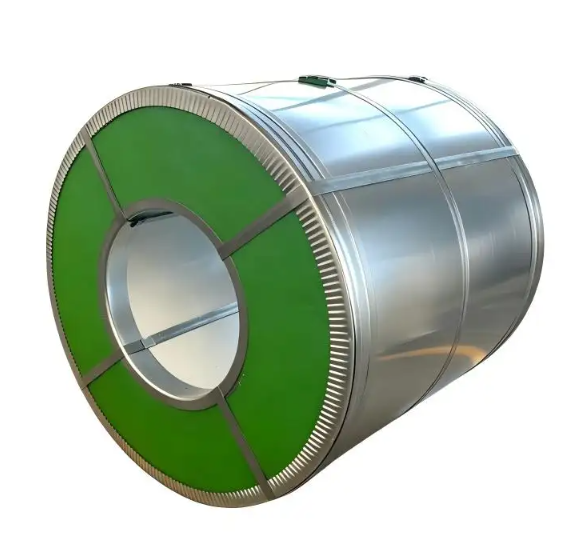
Learn why premium finish galvalume steel coil delivers better paint adhesion and visual consistency in finished building products. Request specs today.
2026/09/10
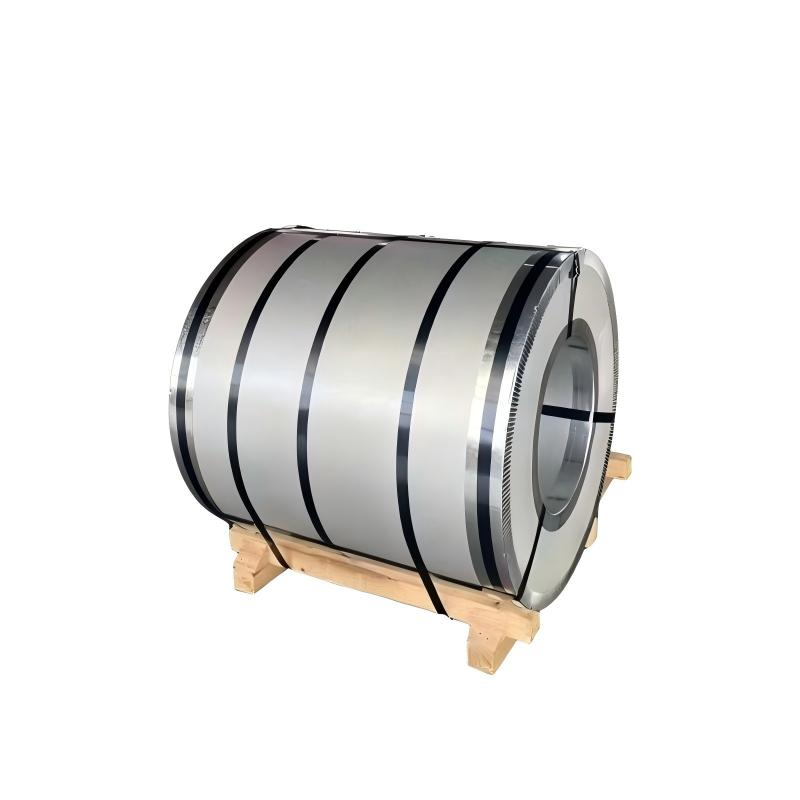
Learn why heavy coating galvalume steel coil provides superior corrosion resistance in harsh coastal settings and saves long-term maintenance costs.
2026/09/10
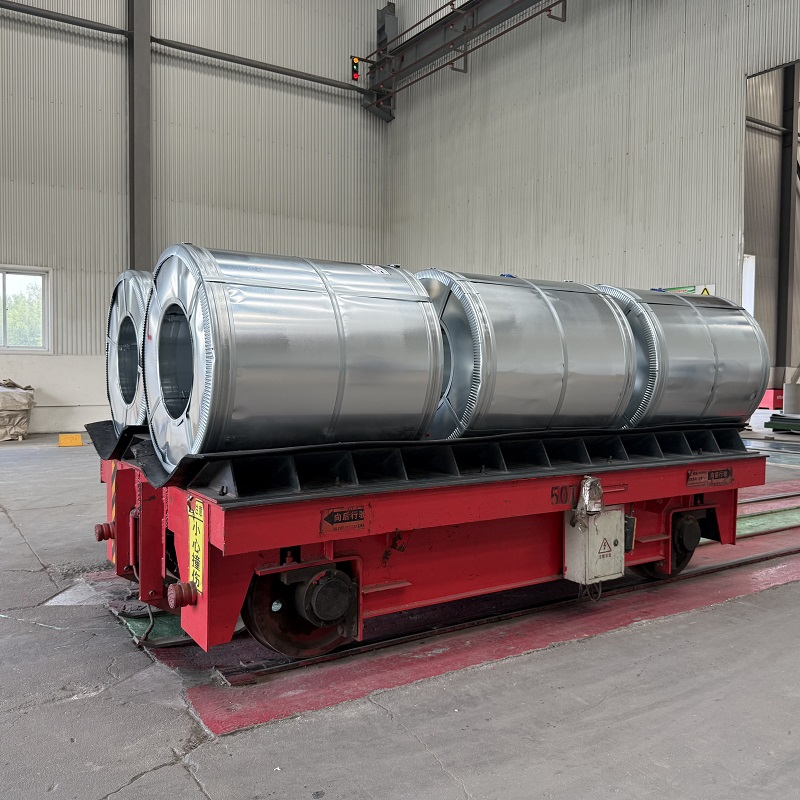
Learn how to test the bending performance of formable galvalume steel coil samples using T-bend testing to prevent cracking and scrap.
2026/09/10
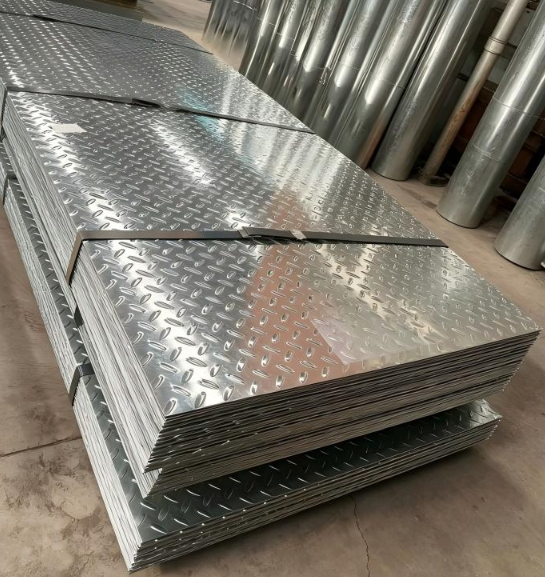
Discover how multi specification galvalume steel coil simplifies purchasing, boosts productivity, and lowers costs for metal fabricators.
2026/09/10
Discover why hot dipped galvanized steel and hot dip galvanized checkered plate offer ideal corrosion resistance and strength for road guardrails.
Covering green transformation, product comparison, selection guide, and industry empowerment, helping you fully grasp the dynamics of the color steel industry.

Global climate action and Belt and Road cooperation are driving the color steel industry’s shift toward green, sustainable development.

Comparing PPGI and PPGL across performance, durability, and applications to help you select the optimal coated steel for your project.
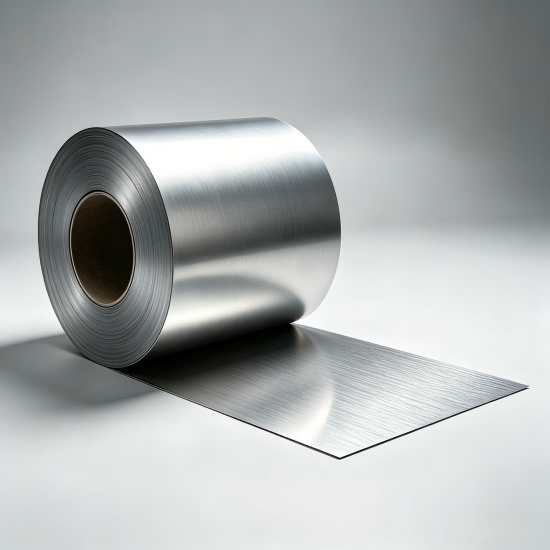
A practical guide to selecting and applying color steel coils, ensuring optimal performance, durability, and cost-effectiveness for your projects.
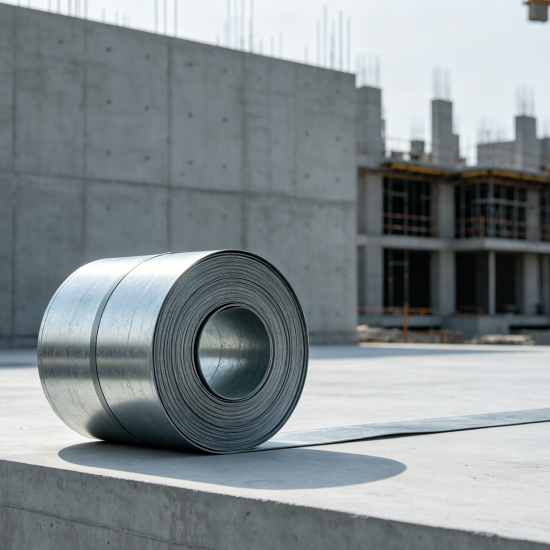
Industry forum drives digital and green transformation, empowering steel sector development through innovation and collaboration.