EN
EN

How to customize length size of precision cut GI coil finished sheets
2026/09/11
Learn how to specify precision cut GI coil sheets in custom lengths — tolerance selection, coating integrity, and ordering tips.
2026/08/19
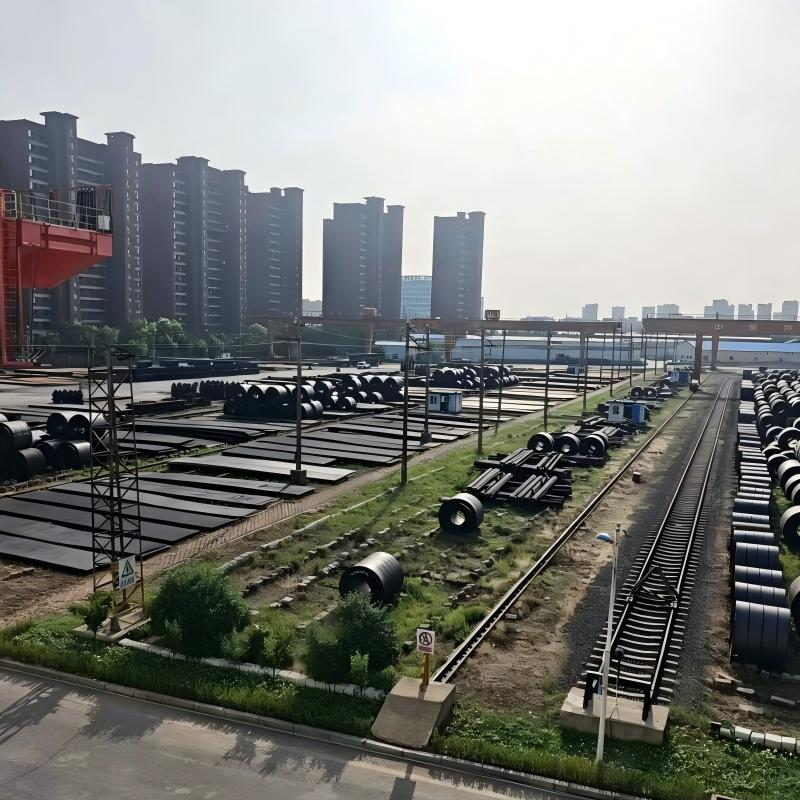
When dealing with a high-value ppgi sheet, the painted surface requires careful protection from the moment it leaves the production line until it reaches the final installation site. Surface scratches, coating damage, and zinc layer degradation can easily occur during transit and storage if proper precautions are ignored. Drawing on years of experience supplying coated steel globally, Shenyang Yuanhe Steel has developed a robust system to safeguard every surface protection steel coil. This guide outlines the essential protocols needed to prevent transit damage and preserve material integrity.
The surface of a standard ppgi sheet consists of multiple engineered layers: a zinc coating, a chemical conversion layer, a primer, and a specialized topcoat. Any damage to these protective layers exposes the underlying steel to moisture and oxygen, initiating rapid corrosion that spreads beneath the surrounding coating. Unlike bare metal where rust is immediately obvious, coating damage often stays hidden until delamination becomes extensive. Utilizing a proper protective film color coil system serves as the first line of defense against these costly issues.
Every quality product should be shielded with a temporary surface protection film before coiling. The film type must match the specific surface finish and the anticipated storage duration. Standard PE films work well for indoor storage up to three months, while UV-resistant options are mandatory for outdoor or extended holding periods. High-tack films are best for textured finishes where standard variants might peel prematurely. Ensuring the film is applied cleanly at the coating line prevents dust entrapment and adhesive transfer later on.
Once the film is secured, proper wrapping is vital for long-term preservation. Wrap each coil in volatile corrosion inhibitor paper as a secondary moisture barrier, followed by an outer layer of steel-reinforced packing material. Steel edge protectors must be placed on both inner and outer rims to absorb impact during loading. Secure everything with a minimum of four circumferential steel bands, and apply clear product labels detailing specifications and handling guidelines.
Maintaining proper storage configuration is critical to preventing coil deformation and moisture buildup.
Store coils horizontally in an eye-to-sky position using padded cradles or wooden blocks.
Never stack coils more than three high to avoid excessive weight stress on lower units.
Maintain a minimum clearance of 200mm between the bottom coil and the floor.
Keep coils away from direct contact with concrete or bare metal surfaces to prevent condensation transfer.
Environmental factors heavily influence the lifespan of a protective film color coil. Keep indoor storage temperatures between 10 and 40 degrees Celsius while holding relative humidity below 70 percent. Good ventilation is essential to stop moisture from becoming trapped between layers. Coils should never be stored near reactive chemicals, acids, or fumes. If outdoor storage is unavoidable, cover units with breathable waterproof tarps to prevent a greenhouse condensation effect.
Vibration and shifting during transit are primary causes of transit damage. Load coils onto flatbed trailers or into containers with the axis oriented along the direction of travel. Use custom wooden blocking that matches the coil curvature, and secure every unit with at least four chains or webbed straps equipped with edge protectors. For international sea freight, inspect containers for leaks beforehand and place desiccant bags inside to absorb residual humidity during the voyage.
When unloading a surface protection steel coil, operators must use equipment with non-metallic contact points. Forklift forks should feature nylon or rubber sleeves, and wire ropes should never touch painted metal directly. The protective film must remain intact until the material is ready for processing or roll-forming, acting as a robust shield against accidental handling scuffs through the final stretch of the supply chain.
Preserving high-grade steel requires a seamless blend of expert logistics, rigorous packaging standards, and advanced manufacturing capabilities. Shenyang Yuanhe Steel applies strict quality controls across its extensive inventory of coated metals, ensuring that every shipment arrives in pristine condition. Through reliable supply chain services and stringent protection protocols, Shenyang Yuanhe Steel delivers premium solutions that meet the rigorous demands of contractors and distributors worldwide.
How long can protective film stay on a ppgi sheet before removal? Standard PE films should typically be removed within six months. Leaving them on longer can cause the adhesive to bond permanently with the paint, leaving stubborn residue.
What should be done if a coil gets wet during storage? Moisture trapped between layers can cause white rust. Uncoil and dry the affected sheets immediately, wipe them clean, and apply a light rust-inhibiting oil if needed before resolving the storage humidity issue.
Can damaged protective film be reapplied in the field? Field application rarely matches factory quality because dust and debris compromise adhesion. If the original film tears, clean the exposed area gently and apply a temporary replacement film in a controlled environment.
2026/09/11
Learn how to specify precision cut GI coil sheets in custom lengths — tolerance selection, coating integrity, and ordering tips.
2026/09/11
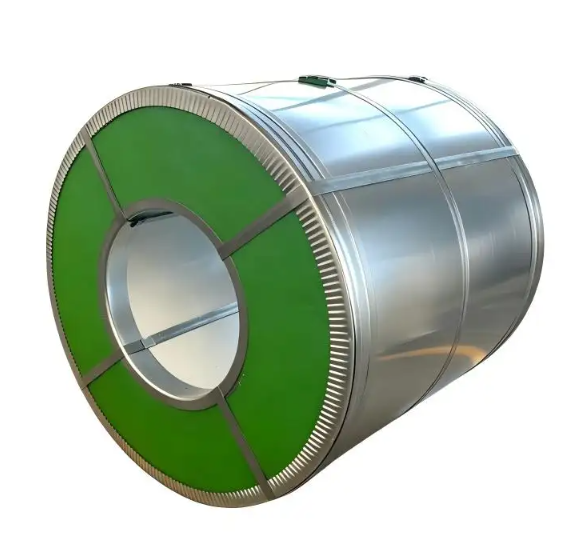
Learn why premium finish galvalume steel coil delivers better paint adhesion and visual consistency in finished building products. Request specs today.
2026/09/10
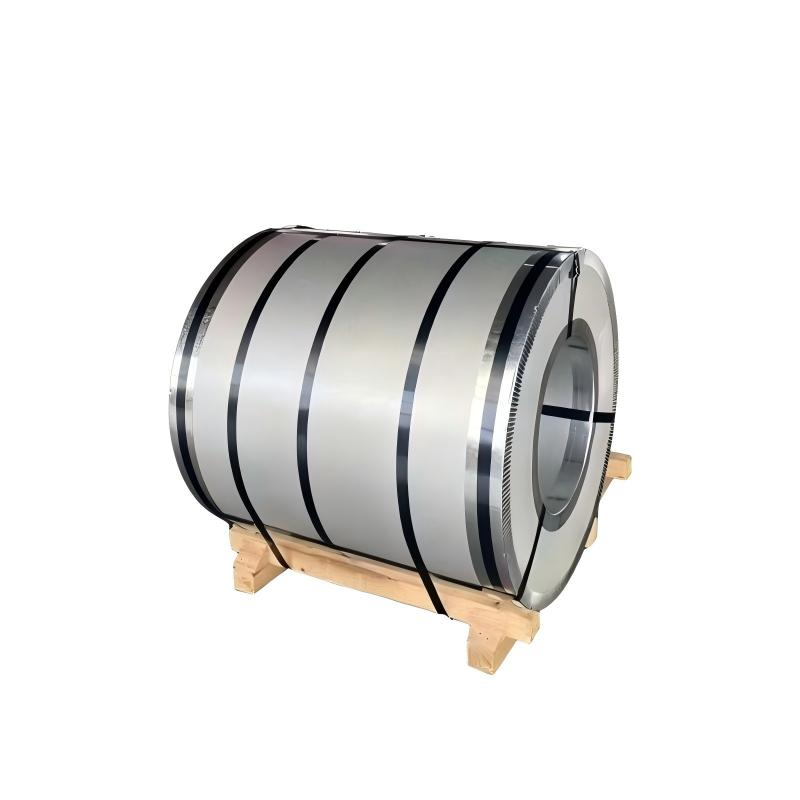
Learn why heavy coating galvalume steel coil provides superior corrosion resistance in harsh coastal settings and saves long-term maintenance costs.
2026/09/10
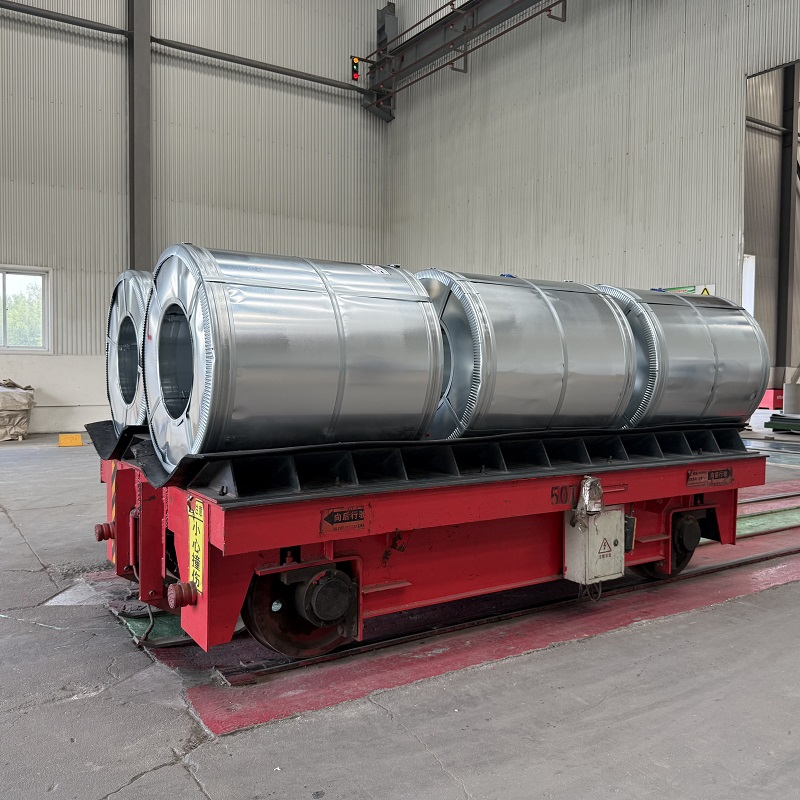
Learn how to test the bending performance of formable galvalume steel coil samples using T-bend testing to prevent cracking and scrap.
2026/09/10
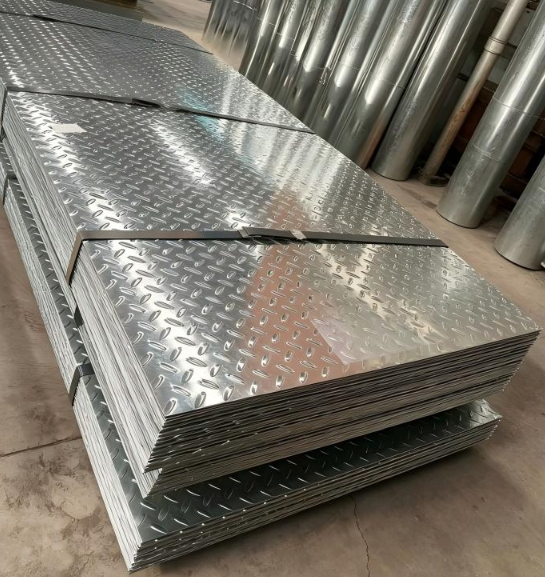
Discover how multi specification galvalume steel coil simplifies purchasing, boosts productivity, and lowers costs for metal fabricators.
2026/09/10
Discover why hot dipped galvanized steel and hot dip galvanized checkered plate offer ideal corrosion resistance and strength for road guardrails.
Covering green transformation, product comparison, selection guide, and industry empowerment, helping you fully grasp the dynamics of the color steel industry.

Global climate action and Belt and Road cooperation are driving the color steel industry’s shift toward green, sustainable development.

Comparing PPGI and PPGL across performance, durability, and applications to help you select the optimal coated steel for your project.
A practical guide to selecting and applying color steel coils, ensuring optimal performance, durability, and cost-effectiveness for your projects.
Industry forum drives digital and green transformation, empowering steel sector development through innovation and collaboration.