EN
EN

How to customize length size of precision cut GI coil finished sheets
2026/09/11
Learn how to specify precision cut GI coil sheets in custom lengths — tolerance selection, coating integrity, and ordering tips.
2026/07/15
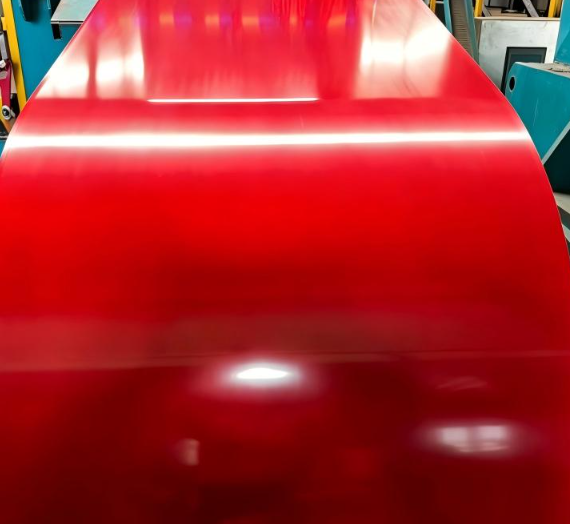
A hot rolled steel coil leaves the mill with a dark oxide skin called mill scale that protects the surface during transit, but once that layer is broken or the coil sits in the wrong environment, oxidation can start quickly. For buyers who stock hr coil sheet for fabrication, the difference between a clean coil and a rusty one is almost always the storage condition, not the material itself. Getting the environment right protects the value of every ton held on site.
Hot rolled steel coil is produced by rolling above the recrystallization temperature, which leaves a black scale of iron oxide on the surface. This crust slows atmospheric attack, so a sealed, intact hr coil sheet can wait weeks without visible change. The weak points are the sheared edges, the eye and any area where handling has chipped the scale, because bare steel there reacts with moisture far faster than the protected face.
The single most important rule for hot rolled steel coil storage is to limit exposure to damp air. Store coils in a covered, well-ventilated shed rather than in the open, and keep them off bare ground on timber or concrete blocking. An hr coil sheet that stays dry resists flash rust, while one left in a humid yard can show edge oxidation within days, especially in coastal or monsoon climates.
Ventilation matters as much as cover. Stagnant, humid air around a hot rolled steel coil encourages condensation on cold metal overnight. A shed with steady airflow keeps the surface near ambient temperature and reduces dew formation. When hr coil sheet is shrink-wrapped for export, the wrap should include desiccant and a vapor barrier so trapped humidity cannot condense on the coil during a long sea voyage.
Buyers who order pickled and oiled hot rolled steel coil get a light oil film that blocks flash rust during shipping and stamping. This stock should be stored so the oil is not washed off by rain or wiped by contact with dirty surfaces. A bare hot rolled steel coil has no such film, so it needs stricter dryness and faster turnover than an oiled hr coil sheet.
Stand coils vertically on clean, level blocks or lay them on rated cradles with full separation between units. A hot rolled steel coil that leans against a damp wall or rests on debris can develop localized rust at the contact line. Keep a gap between coils so air moves freely and no bare edge presses against another coil's chipped scale.
Even well-stored hot rolled steel coil is not meant for indefinite outdoor life. Plan turnover so material moves into production within a sensible window, and tag incoming lots by date so the oldest hr coil sheet is used first. For long holding, prefer indoor stacking and consider a fresh oil pass on bare coil before extended storage.
Low-lying yards collect water and humidity, so site the coil storage on a graded, drained area above the flood line. In hot, humid months a hot rolled steel coil in an open yard oxidizes faster than in a dry season, so adjust cover and ventilation with the climate. An hr coil sheet stored on high, dry ground with airflow stays far cleaner than one on flat, damp soil.
Every move is a chance to chip the scale and open a rust path. Use padded contacts, avoid dragging, and inspect coils when restacking. A hot rolled steel coil that arrives clean but is scraped during internal moves can rust at the new bare spot, so treat restacking with the same care as receiving.
Write down the rules: covered and ventilated, off the ground, separated, first-in-first-out, and oiled stock kept dry. When the team follows one standard for hot rolled steel coil and hr coil sheet alike, incoming inspection stays clean and fabrication lines avoid the scrap and rework that rusty edges cause.
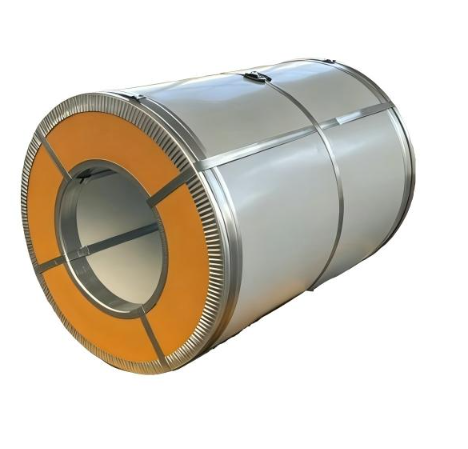
A quick weekly walk-through catches trouble before it spreads. Look for orange edge staining, damp wrapping or water pooled under a hot rolled steel coil, and move any affected hr coil sheet to a drier bay. Early action on a small rust spot prevents the whole coil from being written off.
Post the storage standard at the yard and brief new handlers on why a hot rolled steel coil rusts when wet. Tag each lot with arrival date and location so first-in-first-out is easy to follow. Consistent habits keep an hr coil sheet clean and protect the value of the stored inventory.
2026/09/11
Learn how to specify precision cut GI coil sheets in custom lengths — tolerance selection, coating integrity, and ordering tips.
2026/09/11
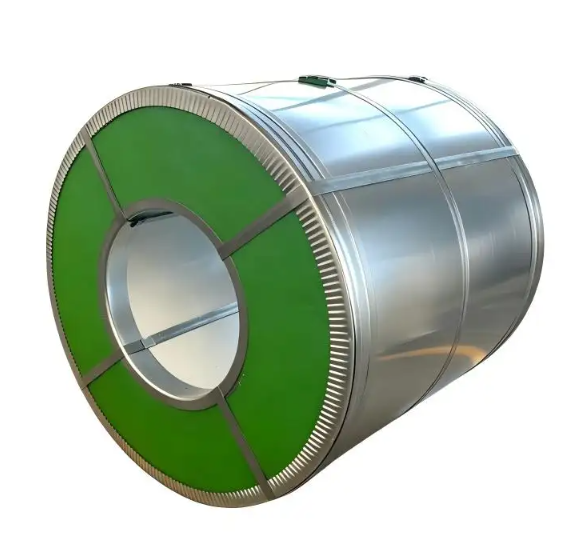
Learn why premium finish galvalume steel coil delivers better paint adhesion and visual consistency in finished building products. Request specs today.
2026/09/10
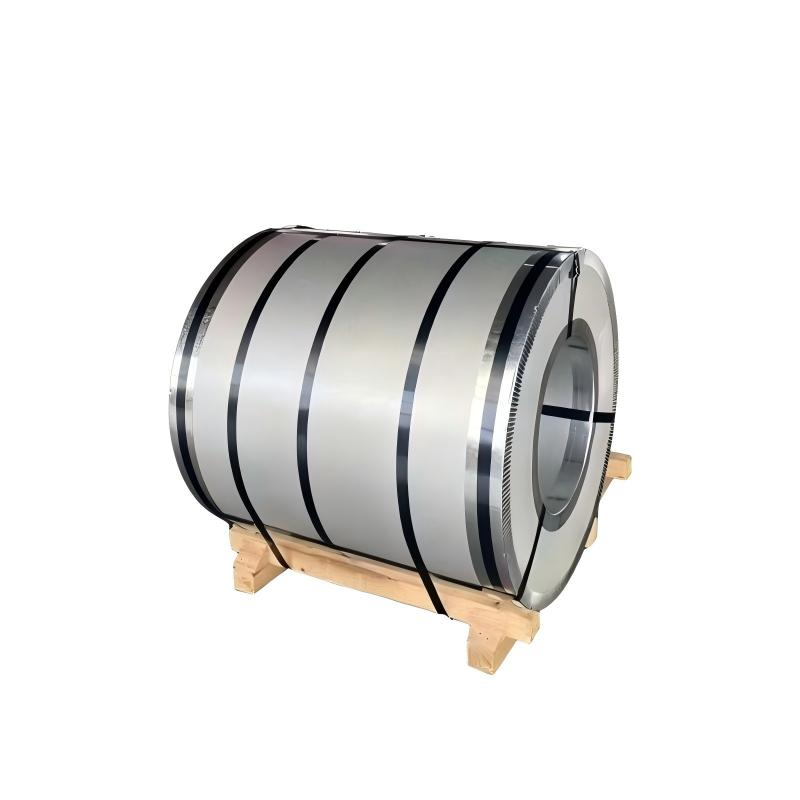
Learn why heavy coating galvalume steel coil provides superior corrosion resistance in harsh coastal settings and saves long-term maintenance costs.
2026/09/10
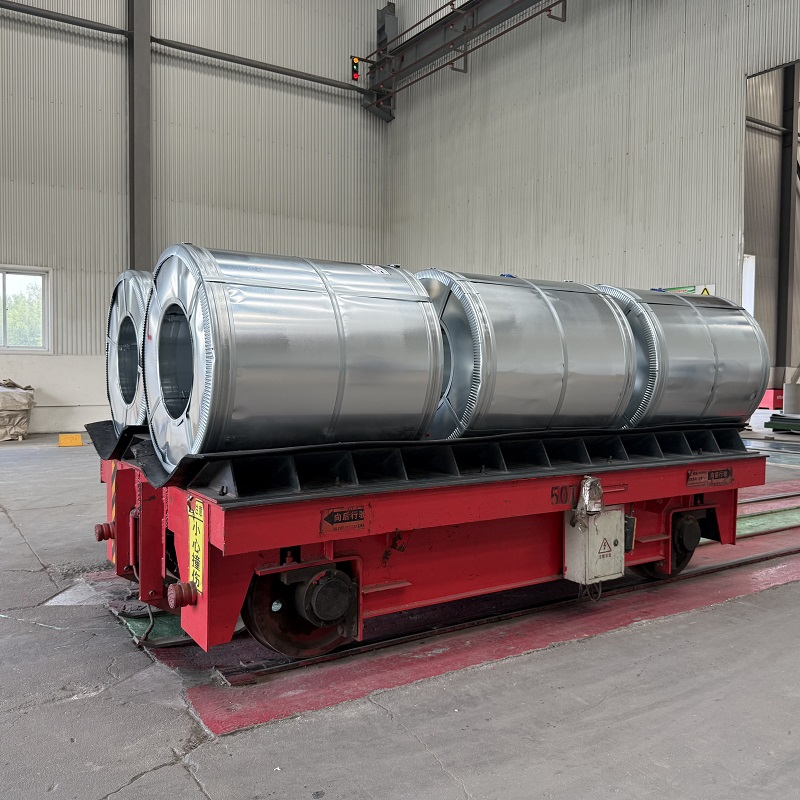
Learn how to test the bending performance of formable galvalume steel coil samples using T-bend testing to prevent cracking and scrap.
2026/09/10
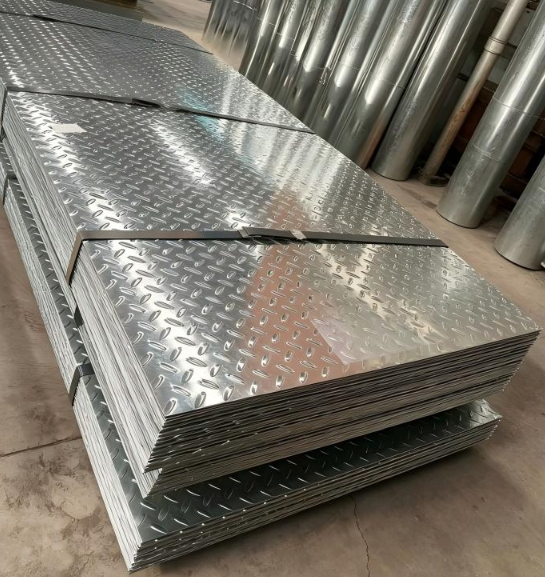
Discover how multi specification galvalume steel coil simplifies purchasing, boosts productivity, and lowers costs for metal fabricators.
2026/09/10
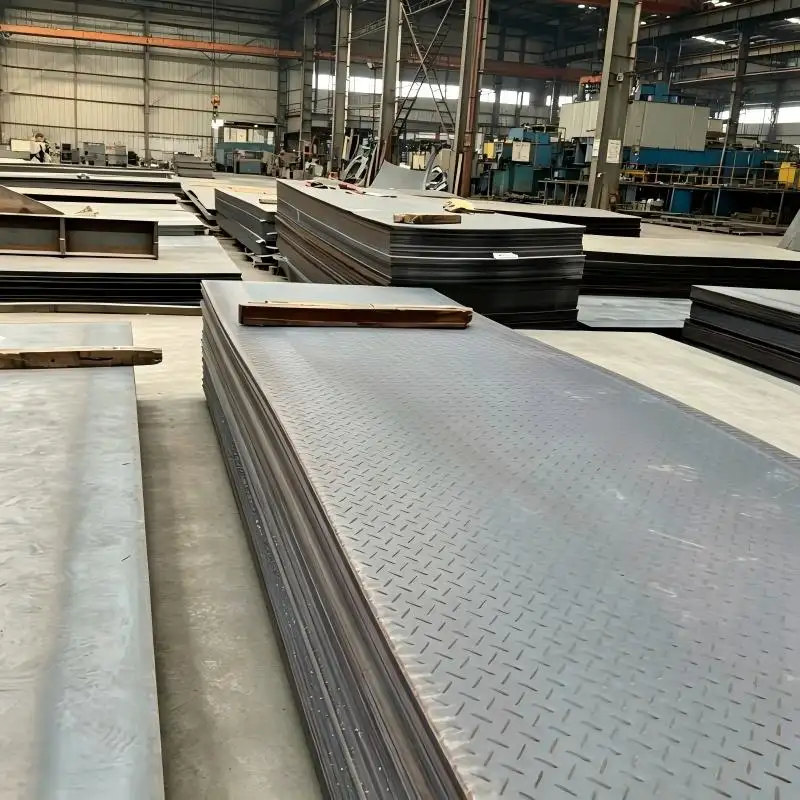
Discover why hot dipped galvanized steel and hot dip galvanized checkered plate offer ideal corrosion resistance and strength for road guardrails.
Covering green transformation, product comparison, selection guide, and industry empowerment, helping you fully grasp the dynamics of the color steel industry.

Global climate action and Belt and Road cooperation are driving the color steel industry’s shift toward green, sustainable development.

Comparing PPGI and PPGL across performance, durability, and applications to help you select the optimal coated steel for your project.
A practical guide to selecting and applying color steel coils, ensuring optimal performance, durability, and cost-effectiveness for your projects.
Industry forum drives digital and green transformation, empowering steel sector development through innovation and collaboration.