EN
EN

How to customize length size of precision cut GI coil finished sheets
2026/09/11
Learn how to specify precision cut GI coil sheets in custom lengths — tolerance selection, coating integrity, and ordering tips.
2026/09/03
Every year, steel distributors, service centers, and fabricators suffer significant financial losses due to improper inventory management. A single improperly stored hot rolled coil can degrade from a prime asset into discounted scrap within a single rainy season. When moisture penetrates nested coil layers, galvanic corrosion sets in rapidly, creating deep pitting that ruins surface quality and compromises mechanical performance.
Maintaining prime material quality requires strict environmental control, proper handling equipment, and systematic warehousing protocols. While high‑grade steel manufacturing establishes baseline durability, post‑production care determines whether that quality reaches the end user intact. Operations handling wholesale hot rolled coil must view proper warehouse storage not as an overhead expense, but as a core component of quality control and risk management.
During hot rolling, steel surfaces react with atmospheric oxygen at elevated temperatures to form a dark layer of mill scale, composed primarily of magnetite and iron oxides. Many yard managers falsely assume this mill scale acts as a permanent waterproof barrier. In reality, mill scale is porous and micro‑cracked from mechanical coiling, handling, and thermal contraction.
When relative humidity exceeds critical thresholds or liquid water seeps between wrapped steel layers, atmospheric moisture mixes with oxygen trapped inside the tight coil wraps. This triggers an electrochemical reaction where the mill scale acts as a cathode and the underlying raw steel acts as an anode. The resulting galvanic cell drastically accelerates localized pitting corrosion. Because air circulation between tightly wound wraps is virtually zero, trapped water cannot evaporate, accelerating rust deep within the body of the coil.
The most effective strategy to prevent steel coil rust is housing raw inventory within climate‑controlled indoor facilities. Ambient relative humidity should consistently remain below 60% inside the storage bays. When relative humidity crosses the 70% threshold, atmospheric corrosion rates surge exponentially.
Maintaining indoor temperatures above the ambient dew point prevents condensation from forming on cold steel surfaces. In tropical, humid, or coastal climates, thermal mass causes large steel coils to warm up much slower than the surrounding air. When warm, humid air contacts cold steel, moisture instantly condenses across the strip edges. Modern warehouses utilize automated dehumidifiers and heavy‑duty ceiling destratification fans to keep air moving constantly and eliminate cold moisture pockets.
Direct ground contact is one of the fastest routes to severe material degradation. Damp concrete floors and unpaved soil transfer ground moisture directly into the bottom wraps of stored metals. Proper HR coil storage requires robust elevation systems using treated hardwood dunnage, molded polyurethane saddles, or heavy‑duty rubber mats that keep inventory elevated at least 15 to 20 centimeters off the floor.
Staging geometry also directly affects coil longevity:
Stagnant air accelerates chemical oxidation across exposed metallic surfaces. In open‑plan warehousing, continuous air circulation disrupts moisture buildup and helps maintain uniform surface temperatures across stacked inventory.
Spacing between coil racks and floor pallets should allow unrestricted airflow around every unit. In high‑salinity coastal environments, salt particles carried by atmospheric moisture accelerate pitting corrosion. Enclosed storage spaces equipped with positive‑pressure air filtration prevent wind‑borne salts and industrial pollutants from settling onto exposed steel wraps.
When outdoor transit or temporary yard storage is unavoidable, selecting the correct protective covering is critical. Wrapping steel tightly in solid polyethylene plastic sheeting is a common mistake that traps evaporating ground moisture against cold steel surfaces, creating a greenhouse effect that accelerates heavy oxidation.
Effective weatherproofing requires breathable, multi‑layer protective materials:
Even under optimal indoor storage conditions, wholesale hot rolled coil inventory naturally undergoes gradual surface oxidation over extended timeframes. Implementing a strict First‑In, First‑Out (FIFO) inventory rotation system prevents stock from sitting idle in warehouse corners for prolonged periods.
A maximum storage duration of 3 to 6 months is recommended prior to uncoiling, pickling, or cold reduction processing. Warehouse teams should conduct weekly visual audits, monitoring inventory for subtle signs of rust staining, edge condensation, or damaged wrapping. Catching surface oxidation early allows processing managers to re‑sequence affected coils into immediate production lines before deep pitting causes permanent structural defects.
Integrating proper storage standards across the supply chain ensures that processed materials retain their specified mechanical properties and clean surface finish from mill production to final installation. Buyers sourcing wholesale hot rolled coil should evaluate a supplier's storage practices as closely as their chemical and dimensional test certificates.
Operating as a trusted international supplier, Shenyang Yuanhe Steel maintains climate‑controlled warehousing facilities equipped with elevated rubber saddles, automated moisture control systems, and systematic FIFO inventory management. By combining reliable manufacturing quality with strict HR coil storage standards, the company ensures that every batch of hot rolled coil arrives in prime condition, ready for seamless pickling, cold rolling, or direct structural fabrication. Prioritizing correct storage protocols ultimately protects material value, eliminates waste, and yields consistent performance for downstream steel applications.
2026/09/11
Learn how to specify precision cut GI coil sheets in custom lengths — tolerance selection, coating integrity, and ordering tips.
2026/09/11
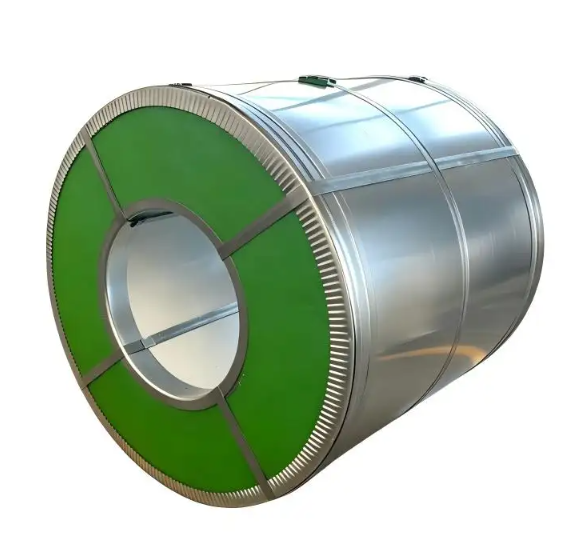
Learn why premium finish galvalume steel coil delivers better paint adhesion and visual consistency in finished building products. Request specs today.
2026/09/10
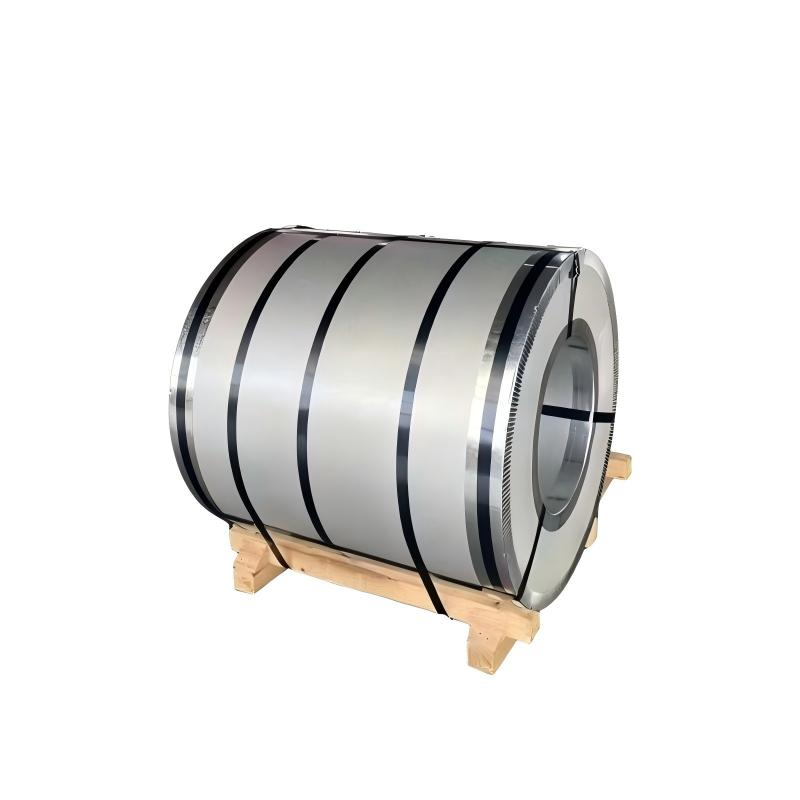
Learn why heavy coating galvalume steel coil provides superior corrosion resistance in harsh coastal settings and saves long-term maintenance costs.
2026/09/10
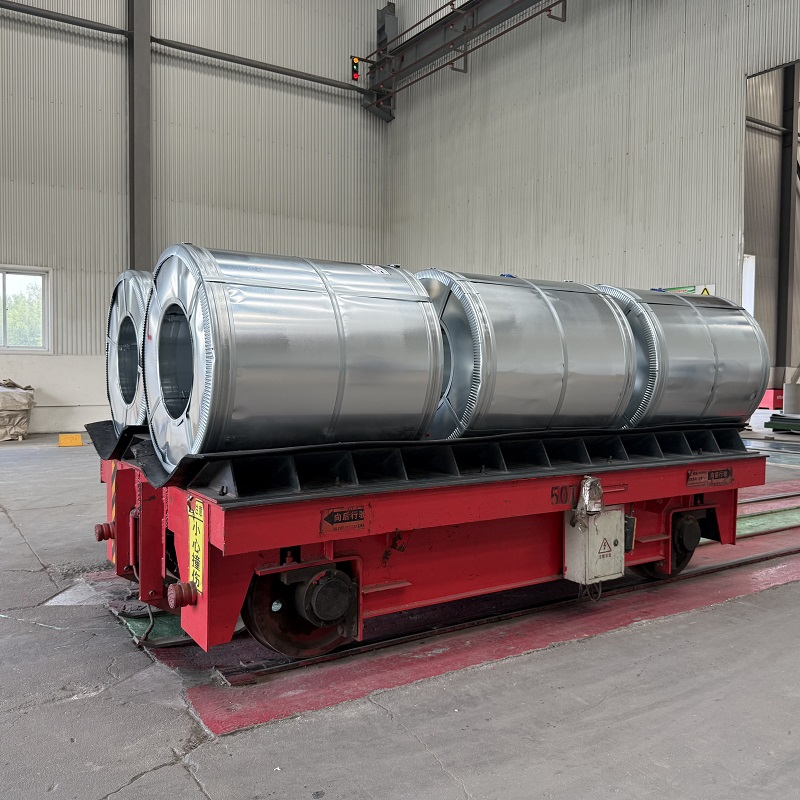
Learn how to test the bending performance of formable galvalume steel coil samples using T-bend testing to prevent cracking and scrap.
2026/09/10
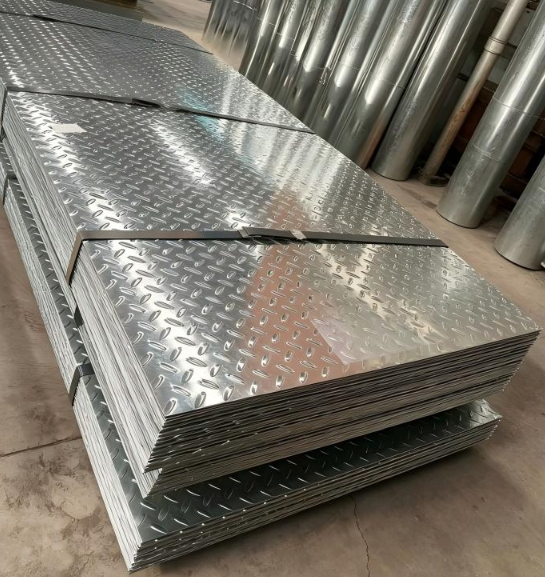
Discover how multi specification galvalume steel coil simplifies purchasing, boosts productivity, and lowers costs for metal fabricators.
2026/09/10
Discover why hot dipped galvanized steel and hot dip galvanized checkered plate offer ideal corrosion resistance and strength for road guardrails.
Covering green transformation, product comparison, selection guide, and industry empowerment, helping you fully grasp the dynamics of the color steel industry.

Global climate action and Belt and Road cooperation are driving the color steel industry’s shift toward green, sustainable development.

Comparing PPGI and PPGL across performance, durability, and applications to help you select the optimal coated steel for your project.
A practical guide to selecting and applying color steel coils, ensuring optimal performance, durability, and cost-effectiveness for your projects.
Industry forum drives digital and green transformation, empowering steel sector development through innovation and collaboration.