EN
EN

How to customize length size of precision cut GI coil finished sheets
2026/09/11
Learn how to specify precision cut GI coil sheets in custom lengths — tolerance selection, coating integrity, and ordering tips.
2026/08/11
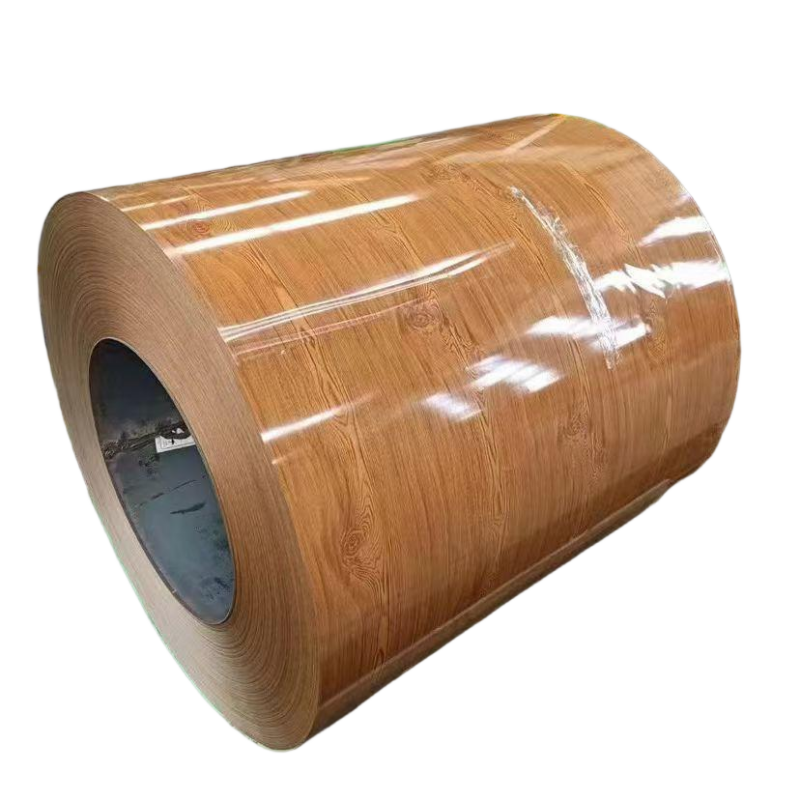
Quality control for self produced PPGI steel coil requires a comprehensive multi-tier framework that addresses quality at every production stage—from incoming raw material verification through final product certification. The most effective quality control systems for PPGI steel coil production implement three distinct inspection tiers: incoming material inspection, in-process production control, and finished product testing. Each tier serves specific quality assurance functions and generates documentation that enables traceability throughout the source supply PPGI steel coil manufacturing process.
When buyers evaluate source supply PPGI steel coil suppliers, the sophistication of the quality control system directly indicates product consistency and reliability. Manufacturers who maintain rigorous three-tier quality control for their self produced PPGI steel coil can provide test certificates, production records, and traceability documentation that give buyers confidence in material performance. This documentation becomes particularly critical for PPGI steel coil used in construction projects where building codes and engineering specifications require verified material properties.
The first quality control tier for self produced PPGI steel coil begins with verification of incoming substrate material. Cold-rolled steel coil—the base material for PPGI steel coil—must be inspected for thickness tolerance (typically plus or minus 0.02 mm), surface quality (no rust, oil spots, or scratches), and mechanical properties (yield strength, tensile strength, and elongation per the specified steel grade). Source supply PPGI steel coil manufacturers should maintain records of substrate mill test certificates and conduct independent verification of at least 10 percent of incoming material.
Coating materials represent the second critical raw material category for PPGI steel coil production. Paint systems must be verified for viscosity (within plus or minus 5 percent of specification), solids content, color matching against standards, and adhesion properties on test substrates. For self produced PPGI steel coil with premium paint systems like PVDF, incoming paint verification should include Fourier-transform infrared spectroscopy (FTIR) analysis to confirm the fluoropolymer resin content meets the minimum 70 percent PVDF resin requirement specified by AAMA 2605 standards.
The second quality control tier monitors PPGI steel coil production parameters in real-time during the coating process. Critical parameters include strip speed (maintained within plus or minus 1 percent of target), oven temperature profile (verified at minimum three zones with plus or minus 5 degrees Celsius tolerance), paint application thickness (continuously measured by online gauges), and coating weight uniformity (checked at strip edges and center). For self produced PPGI steel coil, in-process control also includes monitoring the pretreatment chemical concentration and pH levels that ensure proper paint adhesion to the substrate.
Source supply PPGI steel coil manufacturers should implement statistical process control (SPC) charts for key production parameters, enabling operators to detect trends before they result in out-of-specification product. When SPC data indicates parameter drift, operators can make real-time adjustments to line speed, oven temperature, or paint application settings to maintain consistent PPGI steel coil quality. This proactive approach prevents the production of defective coils that would require rework or scrap, reducing manufacturing costs while improving delivery reliability for customers.
|
QC Tier |
Inspection Stage |
Key Parameters |
Frequency |
Documentation |
|
Tier 1: Incoming |
Raw material |
Thickness, surface, mechanical |
Every coil batch |
Mill cert + verification |
|
Tier 1: Incoming |
Paint materials |
Viscosity, solids, color, FTIR |
Every paint batch |
Paint cert + test report |
|
Tier 2: In-Process |
Coating line |
Speed, oven temp, coat weight |
Continuous |
SPC charts, log |
|
Tier 2: In-Process |
Pretreatment |
Chemical conc., pH, temp |
Every 2 hours |
Process log |
|
Tier 3: Finished |
Final product |
Adhesion, color, gloss, coat wt |
Every coil |
QC certificate |
|
Tier 3: Finished |
Performance |
UV, salt spray, bend test |
Batch sample |
Test report |
The third quality control tier involves comprehensive testing of finished self produced PPGI steel coil before shipment. Mandatory tests include coating adhesion (ASTM D3359 cross-cut test, rating 4B or higher), color difference measurement (Delta E below 2.0 against standard), gloss level (within plus or minus 5 gloss units of specification), and coating weight verification (ASTM A90 or magnetic gauge method). For source supply PPGI steel coil destined for outdoor applications, additional performance tests should include T-bend flexibility (minimum 2T for architectural grade) and reverse impact resistance (minimum 8 joules without cracking).
Finished PPGI steel coil testing should also include dimensional verification: coil width tolerance (plus or minus 1.0 mm for standard products), thickness tolerance (plus or minus 0.02 mm), and internal/external diameter conformance to order specifications. Each coil should receive a quality certificate documenting all test results, production batch number, raw material lot numbers, and inspection personnel signatures. This documentation enables complete traceability from the PPGI steel coil delivered to the customer back through every production stage to the original raw material source.
A steel coil manufacturer supplying PPGI steel coil to construction projects across Africa and the Middle East implemented a comprehensive three-tier quality control system after experiencing customer complaints about inconsistent coating adhesion. Initial investigation revealed that the self produced PPGI steel coil showed adhesion test results ranging from 2B to 5B on the ASTM D3359 scale, with the variation traced to inconsistent pretreatment chemical concentrations that were not being monitored regularly.
After implementing the three-tier QC system—with particular emphasis on Tier 2 in-process monitoring of pretreatment parameters every two hours—the manufacturer achieved consistent 4B and 5B adhesion ratings across all PPGI steel coil production. The source supply PPGI steel coil rejection rate dropped from 6.5 percent to 0.8 percent, and customer quality complaints decreased by 89 percent over the following six months. The quality certificates provided with each coil became a competitive advantage, with several construction project managers specifying the manufacturer as a preferred supplier based on the documented quality control processes rather than price alone.
Self produced PPGI steel coil quality control should align with recognized international standards that provide buyers with confidence in product performance. Key standards include ASTM A755 (specification for steel sheet, organic-coated by the coil coating process), EN 10169 (continuously organic-coated steel flat products), and JIS G 3312 (prepainted steel sheet). Source supply PPGI steel coil manufacturers should also pursue ISO 9001 quality management system certification, which requires documented quality procedures, internal audits, and continuous improvement processes.
For PPGI steel coil used in specific applications, additional certifications may be relevant. Building product certification (such as CE marking for European markets) requires documented compliance with construction product regulations, including fire performance, wind load resistance, and environmental impact criteria. When evaluating source supply PPGI steel coil suppliers, buyers should request current certification documents, audit reports, and quality manuals to verify that the manufacturer's quality control system meets the standards required for the intended application.
Manufacturers like Shenyang Yuanhe, who apply a three-tier quality control system throughout production and maintain ISO-standard quality processes, can provide the documentation and consistency that construction and industrial buyers require. When sourcing self produced PPGI steel coil, confirming that the supplier implements systematic quality control at every production stage—backed by test certificates and traceability records—helps ensure reliable product performance and reduces the risk of field failures that can compromise project timelines and safety.
Frequently Asked Questions
Q: What is the most important quality control test for PPGI steel coil?
A: Coating adhesion testing per ASTM D3359 (cross-cut test) is widely considered the most critical quality control test for PPGI steel coil, as it directly indicates whether the paint system will remain bonded to the substrate during fabrication and service. A minimum rating of 4B is required for architectural applications, with 5B being preferred for premium products.
Q: How can buyers verify source supply PPGI steel coil quality before purchase?
A: Buyers should request quality certificates for previous production batches, ask for sample testing on their specific requirements, verify the manufacturer's ISO 9001 certification status, and if possible, conduct a factory audit to inspect the quality control processes firsthand. Reviewing SPC data and test reports provides objective evidence of quality consistency.
Q: What happens if PPGI steel coil fails quality control testing?
A: When self produced PPGI steel coil fails quality control testing, the coil should be segregated, the root cause identified through investigation, and the coil either reworked (if possible), downgraded to a lower specification, or scrapped. The quality nonconformance should be documented, and corrective actions implemented to prevent recurrence in future PPGI steel coil production.
2026/09/11
Learn how to specify precision cut GI coil sheets in custom lengths — tolerance selection, coating integrity, and ordering tips.
2026/09/11
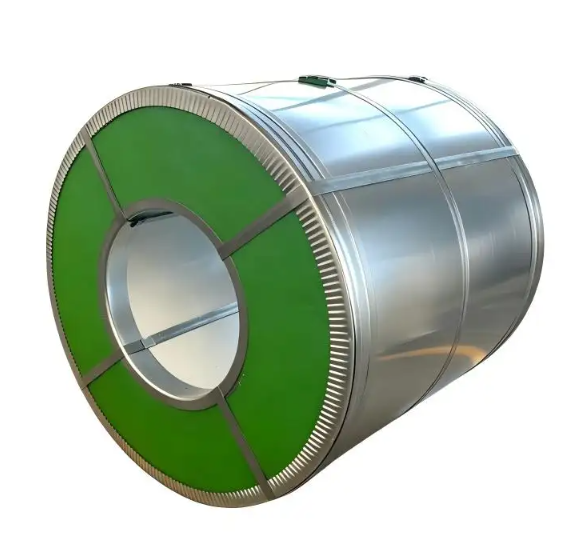
Learn why premium finish galvalume steel coil delivers better paint adhesion and visual consistency in finished building products. Request specs today.
2026/09/10
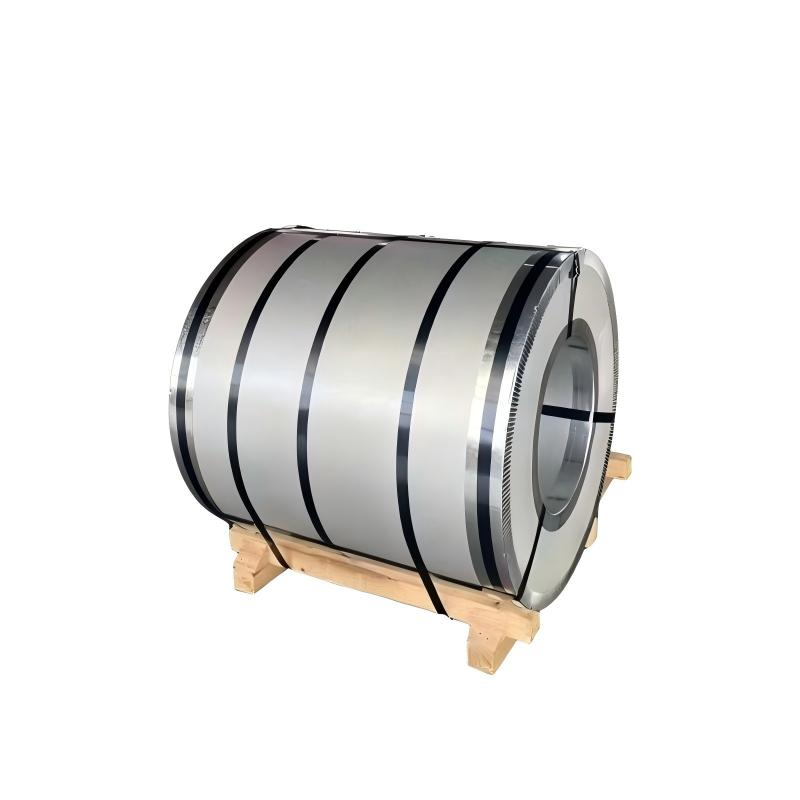
Learn why heavy coating galvalume steel coil provides superior corrosion resistance in harsh coastal settings and saves long-term maintenance costs.
2026/09/10
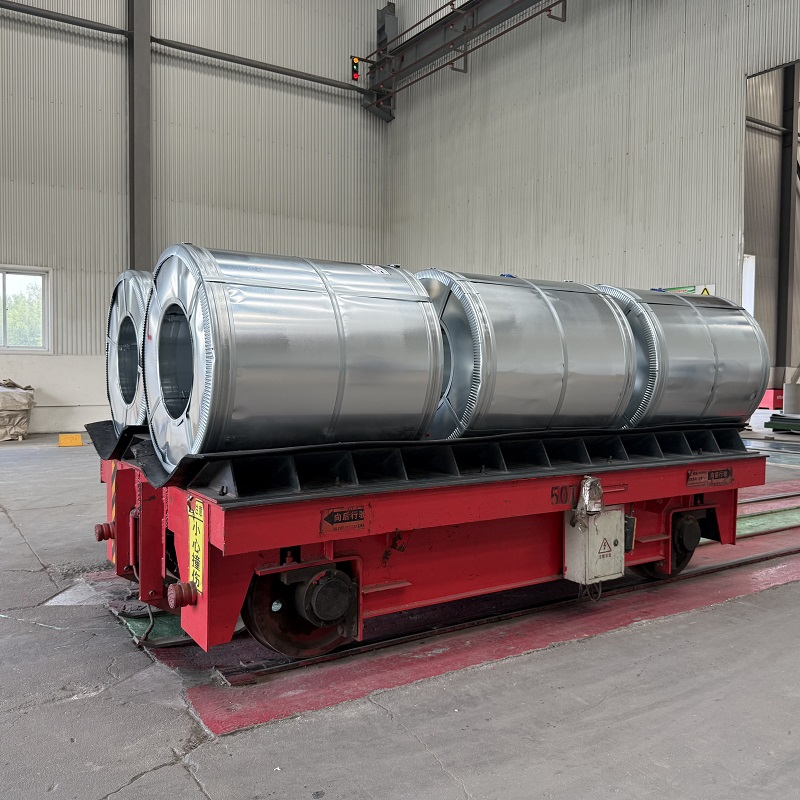
Learn how to test the bending performance of formable galvalume steel coil samples using T-bend testing to prevent cracking and scrap.
2026/09/10
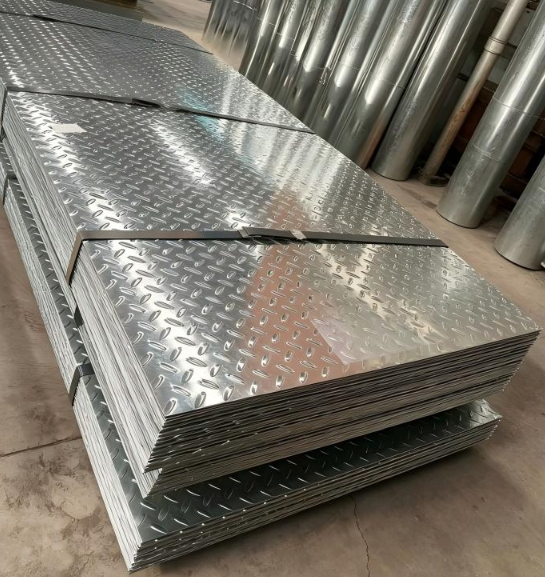
Discover how multi specification galvalume steel coil simplifies purchasing, boosts productivity, and lowers costs for metal fabricators.
2026/09/10
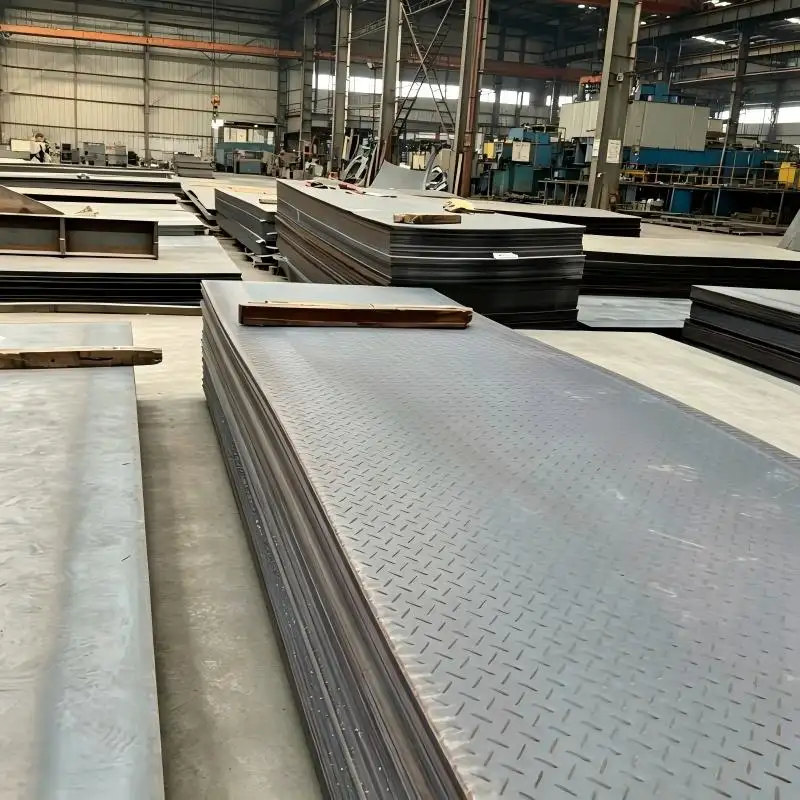
Discover why hot dipped galvanized steel and hot dip galvanized checkered plate offer ideal corrosion resistance and strength for road guardrails.
Covering green transformation, product comparison, selection guide, and industry empowerment, helping you fully grasp the dynamics of the color steel industry.

Global climate action and Belt and Road cooperation are driving the color steel industry’s shift toward green, sustainable development.

Comparing PPGI and PPGL across performance, durability, and applications to help you select the optimal coated steel for your project.
A practical guide to selecting and applying color steel coils, ensuring optimal performance, durability, and cost-effectiveness for your projects.
Industry forum drives digital and green transformation, empowering steel sector development through innovation and collaboration.