EN
EN

How to customize length size of precision cut GI coil finished sheets
2026/09/11
Learn how to specify precision cut GI coil sheets in custom lengths — tolerance selection, coating integrity, and ordering tips.
2026/08/31
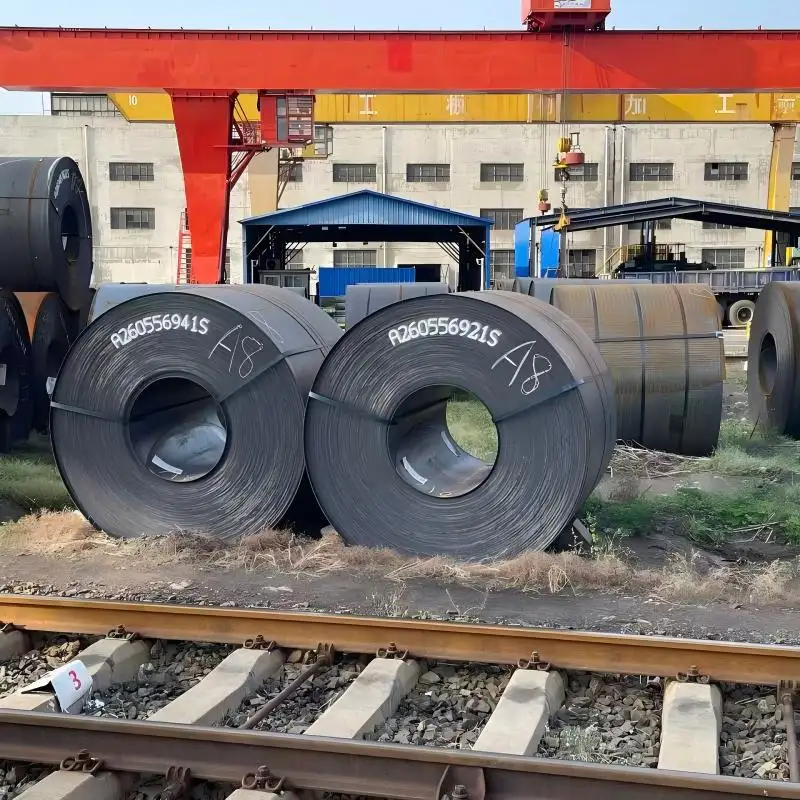
The hardness of a hot rolled coil blank is no random occurrence. It represents the direct outcome of a closely monitored hot rolling process sequence. For structural engineers, steel fabricators, and procurement teams specifying hot rolled carbon steel coil products, understanding how rolling parameters shape mechanical properties is vital. Selecting the right steel grade requires matching processing conditions with the structural demands of the final application.
Achieving precise steel hardness control relies on balancing thermal history, alloy composition, and mechanical deformation. Mastering these metallurgical relationships allows sourcing teams to secure raw materials that deliver optimal formability, weldability, and structural strength.
Hardness development within a hot rolled coil depends primarily on the microscopic crystal structure formed during cooling. Unlike cold-rolled products where strain hardening drives mechanical strength, hot rolled carbon steel coil materials derive their properties from phase transformations as heated slabs pass through rolling stands and run-out cooling tables.
Key microstructural phases in carbon steel feature distinct mechanical profiles:
Ferrite: Soft, highly ductile phase providing excellent formability.
Pearlite: Medium-hard layered structure offering balanced strength and tough performance.
Bainite: Tough, high-strength phase providing elevated yield capacity.
Martensite: Very hard, needle-like phase resulting from rapid quenching.
For common structural grades like Q235, SS400, or S235JR, hot rolling process lines aim for a fine-grained ferrite-pearlite grain structure. This combination delivers predictable yield performance while keeping the sheet soft enough for punching, bending, and field welding.
Controlling mechanical properties across a continuous hot rolled coil requires tight management of temperature windows, deformation ratios, and cooling speeds along the mill line.
| Process Stage | Key Operating Range | Metallurgical Effect | Impact on Final Hardness |
| Slab Reheating | 1200°C to 1280°C | Dissolves carbides and homogenizes chemistry | Higher temperatures coarsen grains, lowering baseline hardness |
| Finish Rolling Temperature | 830°C to 900°C | Sets final recrystallized austenitic grain size | Lower finishing temperatures create finer grains, increasing hardness |
| Coiling Temperature | 550°C to 720°C | Controls pearlite transformation and phase balance | Lower coiling temperatures trigger harder phases, sharply raising hardness |
| Run-Out Line Cooling | 5°C/s to 30°C/s | Dictates cooling rate through transformation zone | Accelerated laminar cooling increases strength and hardness |
| Pass Reduction Ratio | 15% to 30% per pass | Drives dynamic recrystallization and grain refinement | Higher deformation per pass yields finer grains, increasing hardness |
Among all variables managed during production, coiling temperature plays the single most dramatic role in steel hardness control. Adjusting coiling temperatures by just 30°C can shift hardness values by 15 to 20 HB (Brinell scale). For instance, a standard hot rolled carbon steel coil of Q235 grade coiled at 720°C typically yields a mild 120 to 130 HB. Coiling that same chemistry at 580°C pushes hardness up to 160 or 180 HB due to the formation of bainitic microstructures.
While operational variables refine final properties, chemical composition establishes the base hardness floor for any hot rolled coil blank. Carbon remains the primary strengthening element in non-alloyed formulations; every 0.1% increase in carbon content raises as-rolled hardness by roughly 20 to 30 HB.
Manganese, silicon, and micro-alloying additions (such as niobium, vanadium, and titanium) also enhance strength:
Solid Solution Strengthening: Dissolved elements like manganese expand the ferrite lattice, raising deformation resistance.
Grain Refinement: Micro-alloys form microscopic carbonitrides that pin grain boundaries during hot rolling process passes.
Precipitation Hardening: Fine alloy particles precipitate during coiling, boosting yield strength without requiring extreme quenching.
For general-purpose hot rolled carbon steel coil grades like SS400 (maximum 0.25% carbon content), expected hardness spans 100 to 140 HB. For high-strength structural specifications like S355JR (maximum 0.24% carbon plus micro-alloy additions), baseline values shift upward to between 140 and 190 HB.
Matching material specifications to end-use fabrication methods prevents costly job-site processing issues. For instance, structural steel fabrication facilities building welded trusses or drilled connector plates require material within a tight 130 to 150 HB range to prevent drill bit wear while preserving crack resistance along heavy welds.
Supplying a hot rolled carbon steel coil grade like Q235B coiled at a controlled 650°C consistently satisfies these machining requirements, delivering uniform 135 to 145 HB measurements across the entire coil width.
Conversely, applications demanding superior wear resistance (such as agricultural equipment wear liners or industrial chute chutes requiring 180+ HB) call for micro-alloyed formulations combined with accelerated run-out table cooling. Communicating exact processing requirements—such as laser cutting, cold forming, or deep punching—allows mills to adjust temperature profiles to hit exact steel hardness control targets.
Verifying mechanical properties across a full production run requires standardized laboratory testing protocols. Brinell hardness testing (HBW) per ASTM E10 or ISO 6506 serves as the global benchmark for hot rolled coil inspections. For light-gauge stock under 3.0 mm, Rockwell B (HRB) or Vickers testing provides fast, accurate readings without thin-stock indentation errors.
Thorough inspection routines evaluate three distinct sampling positions:
Coil Head: Identifies leading-edge cooling variations before steady-state rolling speed is established.
Coil Body: Confirms property consistency across the main length of the sheet.
Coil Tail: Detects trailing-edge thermal shifts as the tail leaves the final finishing stand.
Evaluating both transverse and longitudinal cross-sections ensures edge-to-center uniformity. Edge cooling along run-out tables can create a 5% to 10% hardness variance between sheet margins and the coil center if edge heaters or modified cooling sprays are not engaged.
Selecting the right balance of ductility and strength requires matching hot rolling process setups with final component design:
Heavy Stamping & Cold Forming: Requires low coiling temperatures and mild carbon content to keep hardness low, minimizing spring-back during deep press draws.
Automotive Chassis Components: Benefits from micro-alloyed chemistry paired with rapid cooling to maximize energy absorption and yield strength without adding unnecessary structural weight.
High-Yield Structural Framing: Demands strict steel hardness control to keep yield strength consistent across large welded beam assemblies and bolted flange joints.
Producing heavy steel products with consistent mechanical properties demands modern mill rolling lines, advanced cooling controls, and precise laboratory testing. Managing thermal profiles across every stage of the hot rolling process ensures that every sheet meets demanding international quality benchmarks.
Shenyang Yuanhe Steel maintains an annual stock exceeding 10,000 tons and operates extensive coil processing workshops. Shenyang Yuanhe Steel supplies certified hot rolled coil products, high-grade hot rolled carbon steel coil options, and customized processing services for global structural, manufacturing, and engineering partners. By offering strict steel hardness control, complete batch traceability, and full mill inspection certificates, Shenyang Yuanhe Steel delivers dependable material quality and global logistics support for major industrial projects worldwide.
2026/09/11
Learn how to specify precision cut GI coil sheets in custom lengths — tolerance selection, coating integrity, and ordering tips.
2026/09/11
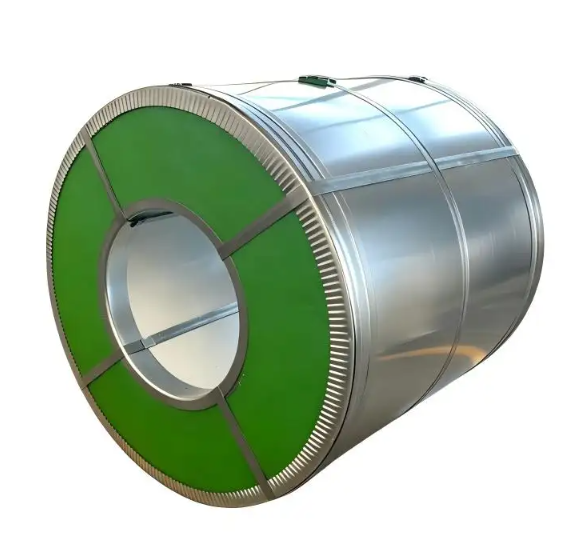
Learn why premium finish galvalume steel coil delivers better paint adhesion and visual consistency in finished building products. Request specs today.
2026/09/10
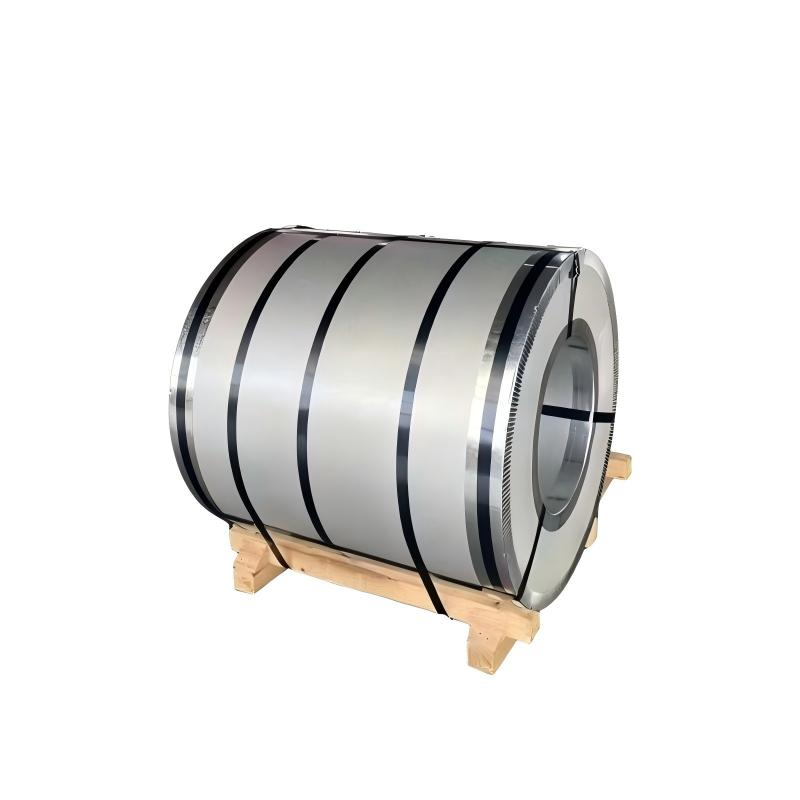
Learn why heavy coating galvalume steel coil provides superior corrosion resistance in harsh coastal settings and saves long-term maintenance costs.
2026/09/10
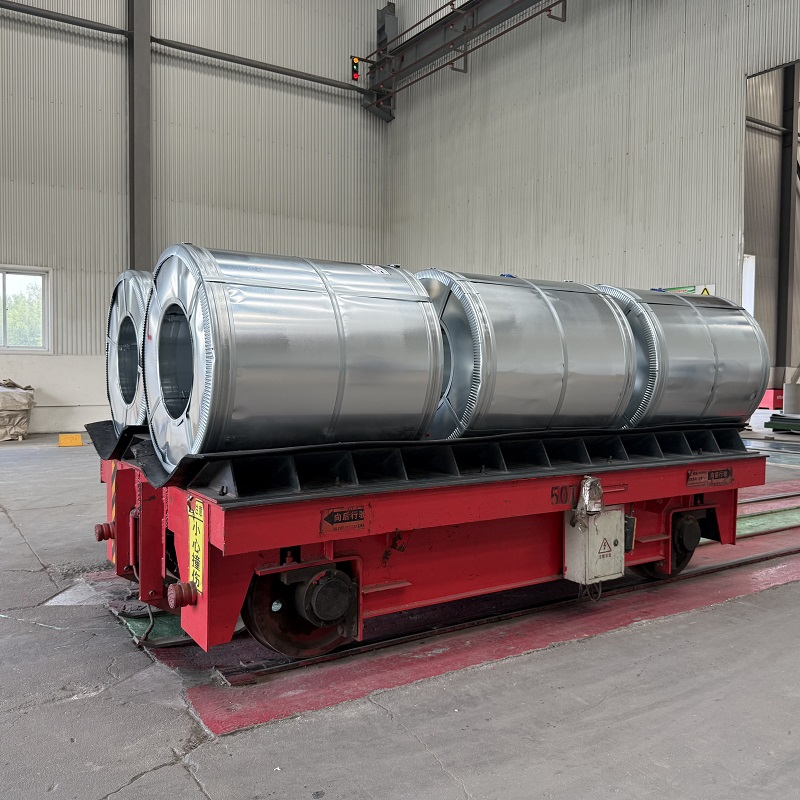
Learn how to test the bending performance of formable galvalume steel coil samples using T-bend testing to prevent cracking and scrap.
2026/09/10
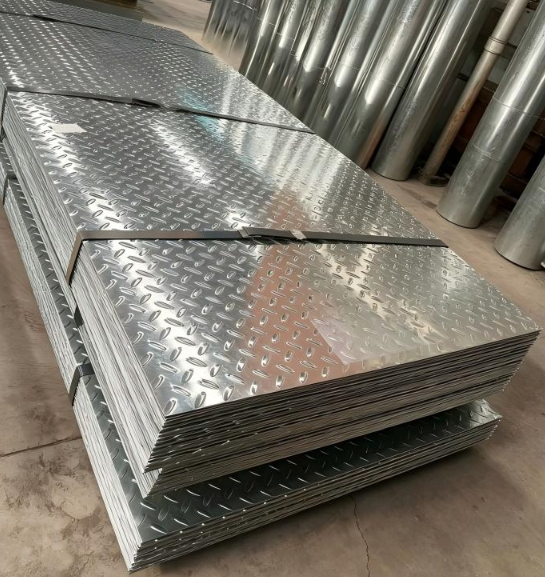
Discover how multi specification galvalume steel coil simplifies purchasing, boosts productivity, and lowers costs for metal fabricators.
2026/09/10
Discover why hot dipped galvanized steel and hot dip galvanized checkered plate offer ideal corrosion resistance and strength for road guardrails.
Covering green transformation, product comparison, selection guide, and industry empowerment, helping you fully grasp the dynamics of the color steel industry.

Global climate action and Belt and Road cooperation are driving the color steel industry’s shift toward green, sustainable development.
Comparing PPGI and PPGL across performance, durability, and applications to help you select the optimal coated steel for your project.
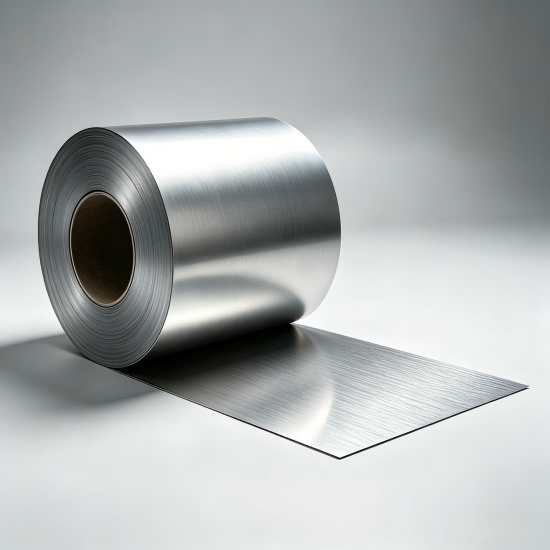
A practical guide to selecting and applying color steel coils, ensuring optimal performance, durability, and cost-effectiveness for your projects.
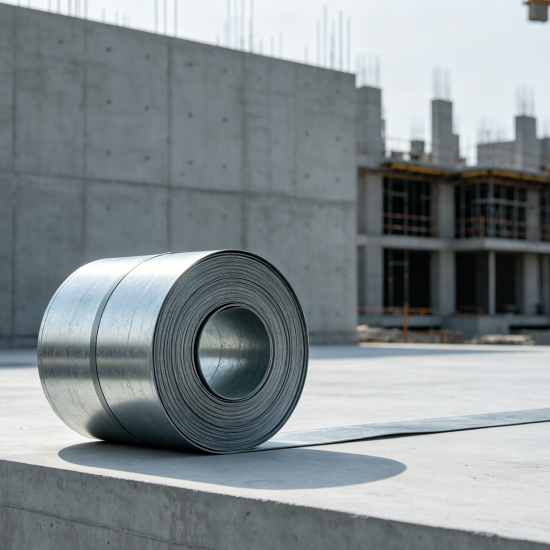
Industry forum drives digital and green transformation, empowering steel sector development through innovation and collaboration.