EN
EN

How to customize length size of precision cut GI coil finished sheets
2026/09/11
Learn how to specify precision cut GI coil sheets in custom lengths — tolerance selection, coating integrity, and ordering tips.
2026/09/07
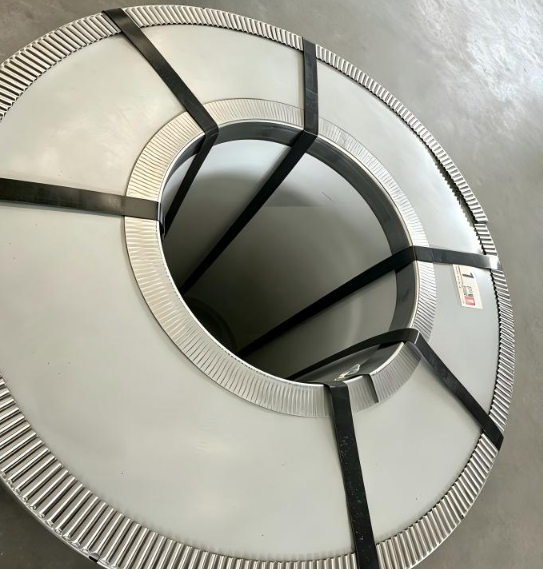
Coatings do not tell the whole story when evaluating long-term performance. Many engineers and procurement managers assume that a thicker zinc layer automatically guarantees decades of rust protection. While coating mass matters, true resilience is forged long before the steel touches molten zinc. The hidden strength of hot dipped galvanized steel actually rests upon a chain of tightly controlled manufacturing decisions made directly on the factory line.
From raw material chemistry to final quenching, microscopic variations in processing yield vast differences in field service life. Specifying high-performing materials requires a clear look at what happens behind the scenes during manufacturing.
The journey toward maximum steel durability starts with the chemical recipe of the raw carbon steel. The metallurgical reaction between zinc and iron relies entirely on the precise elemental balance inside the base metal, making substrate chemistry a top priority.
Silicon content plays a notoriously chaotic role here. When silicon levels hover in the critical range between 0.03% and 0.12%—a threshold known in metallurgy as the Sandelin range—the zinc-iron alloy reaction accelerates out of control. Instead of a balanced, ductile coating, the steel develops an excessively thick, brittle layer prone to flaking off under mechanical impact. To secure optimal hot dipped galvanized steel quality, top-tier mills deliberately keep silicon strictly below 0.03% or balance it well above 0.12%.
Phosphorus acts as another stealthy accelerator. Concentrations exceeding 0.04% drastically speed up alloy growth, worsening brittle coating behavior. Meanwhile, maintaining a low carbon threshold (under 0.25%) and balancing manganese levels (0.3% to 1.5%) ensures a stable, predictable galvanizing process. Skipping substrate chemistry validation almost guarantees premature field failure, regardless of bath quality. Even if buyers correctly specify high zinc coating weights, poor base-steel chemistry can produce brittle coatings that crack and delaminate once transported, processed, or installed on-site.
Molten zinc will not bond with compromised iron. Proper surface preparation forms the bedrock of hot dip galvanized carbon steel integrity, consuming nearly 70% of total processing line footprint. Any remnant oil, mill scale, or rust acts as a physical barrier, triggering fatal bare spots and coating delamination.
Degreasing: Alkaline or acidic solutions dissolve organic oils, lubricants, and synthetic processing compounds picked up during steel rolling. Residual grease will repel molten zinc and create discontinuous coating patches.
Acid Pickling: Submersion in controlled hydrochloric or sulfuric acid baths strips away tough mill scale and stubborn iron oxides, exposing pure metallic steel underneath. Over-pickling causes excessive substrate etching, which may increase zinc consumption and introduce surface defects.
Fluxing: A dedicated zinc ammonium chloride bath removes residual oxide traces while depositing a protective film. This prevents immediate re-oxidation before the steel plunges into molten zinc.
Modern production setups rely on automated concentration monitors and digital temperature controls throughout the pre-treatment sequence. Maintaining consistent bath chemistry prevents localized bonding defects, securing seamless zinc adhesion across complex structural geometries. Poor pre-treatment defects often remain invisible at factory inspection and only manifest months later under outdoor humidity and rainfall.
The galvanizing bath is the core furnace where metallurgical transformation occurs. Standard commercial operations mandate a bath purity containing at least 98.5% pure zinc, yet carefully calibrated micro-alloying additives dictate real-world structural endurance.
Adding precise traces of aluminum (typically 0.005% to 0.02%) creates a micro-thin aluminum-iron inhibition layer. This brief buffer controls early reaction kinetics, creating a smooth, bright outer finish. Adding tiny amounts of nickel (0.05% to 0.1%) helps neutralize Sandelin reactivity, softening brittle alloy growth across variable steel heats with fluctuating silicon content.
Thermal stability requires equal discipline. The standard galvanizing process operates within a tight thermal window of 445°C to 465°C. Excessive heat triggers rapid alloy growth, consuming zinc rapidly while creating porous, fragile surface layers. Maintaining continuous bath temperature controls within a tight ±3°C margin guarantees consistent molten flow and stable coating dynamics. Bath temperature drift is one of the most common root causes of inconsistent coating quality across different production batches.
Dipping steel into molten zinc requires precise timing. The total immersion period determines how deeply iron and zinc diffuse into one another, forming distinct intermetallic layers (Gamma, Delta, and Zeta phases) topped by a soft, pure zinc outer coat (Eta phase).
Typical immersion cycles range between 3 and 10 minutes depending on structural profile and material wall thickness. Once intermetallic bonding finishes, withdrawal speed dictates final coating geometry. Rapid extraction pulls heavy molten zinc along, leaving a thick, uneven outer layer prone to running and sagging. Conversely, controlled, slow extraction allows surplus zinc to drain naturally back into the kettle, yielding a smooth, uniform surface optimized for long-term environmental exposure. Improper withdrawal parameters cannot be compensated by downstream finishing and permanently degrade coating performance.
The physical transformation continues immediately after the steel leaves the kettle. How hot dipped galvanized steel cools dictates its final aesthetic profile and mechanical resilience.
Controlled cooling rates prevent thermal shock and structural warping, particularly across thin-gauge sheets or intricate welded assemblies. Rapid air cooling paired with controlled water quenching locks the crystalline structure in place, producing distinct spangle patterns while increasing surface hardness.
Immerse-quenching in specialized passivating solutions provides critical immediate benefits. This step halts ongoing internal iron-zinc diffusion reactions instantly while depositing a thin chemical shield. This temporary barrier protects freshly galvanized products against wet storage stain (white rust) during ocean transit and job-site stacking and storage. Without effective passivation, even metallurgically sound galvanized coils can develop heavy white rust during long-sea shipment, raising customer complaints and complicating acceptance inspections.
Proving true steel durability requires rigorous non-destructive and destructive testing routines before material leaves the mill gate.
Coating Thickness: Electromagnetic or magnetic gauges measure local zinc thickness according to ISO 2178, confirming compliance with specified environment classes. Single-point sampling is insufficient; multi-point measurement across coil width is required for representative results.
Adhesion Integrity: Standard bend tests (ISO 7438) and hammer tests check for flaking, ensuring the zinc layer flexes without delaminating from the base metal.
Uniformity Checks: The classic Preece test (ISO 1460) detects thin coating spots by evaluating coating erosion resistance under acid exposure.
Visual & Dimensional Audits: Technicians inspect surface topographies for dross inclusions, blisters, or bare spots while verifying critical structural tolerances.
Many low-cost suppliers only perform thickness checks and skip adhesion and uniformity testing. Thickness alone cannot validate coating ductility, which is essential for roll-forming, cutting and on-site fabrication.
Uncompromising hot dipped galvanized steel durability demands strict adherence to substrate chemistry, temperature management, and metallurgical precision at every stage of the galvanizing process. Small deviations during surface cleaning or bath management inevitably surface years later as costly structural corrosion, even when zinc coating weight meets nominal specification values. For global buyers, relying solely on coating-grade labels such as Z275 or Z450 creates hidden project risks.
Working alongside an experienced production powerhouse remains the most effective strategy to safeguard infrastructure investments and maximize steel durability. Advanced processing equipment, integrated chemical monitoring systems, and stable supply-chain reliability enable specialized manufacturers to deliver dependable hot dip galvanized carbon steel globally. Facilities operating under the Shenyang Yuanhe Steel footprint exemplify this commitment, combining precise metallurgical control with flexible manufacturing capacity to serve demanding industrial, solar, and structural projects worldwide.
2026/09/11
Learn how to specify precision cut GI coil sheets in custom lengths — tolerance selection, coating integrity, and ordering tips.
2026/09/11
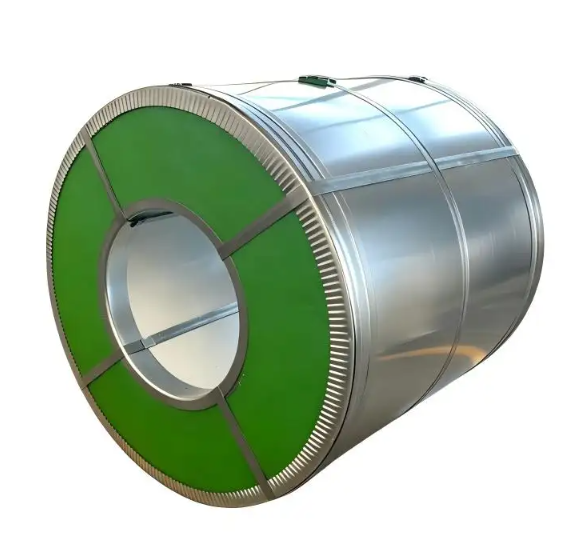
Learn why premium finish galvalume steel coil delivers better paint adhesion and visual consistency in finished building products. Request specs today.
2026/09/10
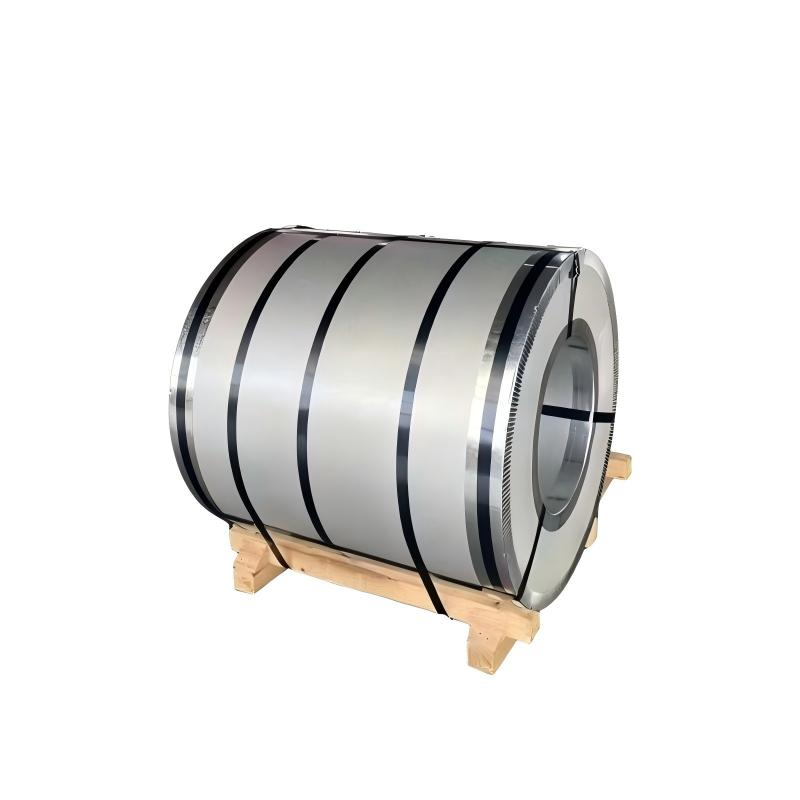
Learn why heavy coating galvalume steel coil provides superior corrosion resistance in harsh coastal settings and saves long-term maintenance costs.
2026/09/10
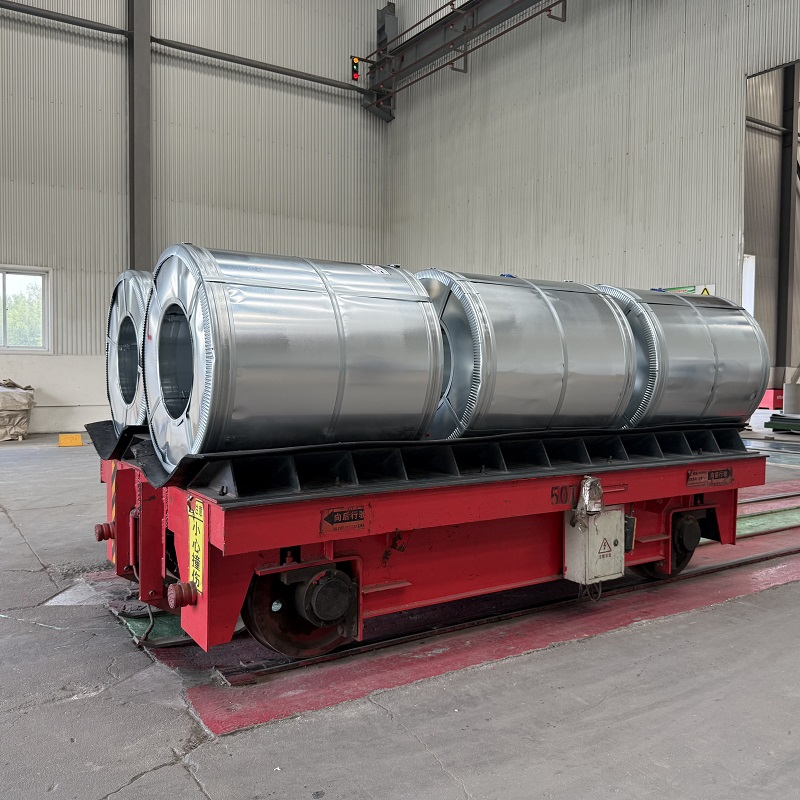
Learn how to test the bending performance of formable galvalume steel coil samples using T-bend testing to prevent cracking and scrap.
2026/09/10
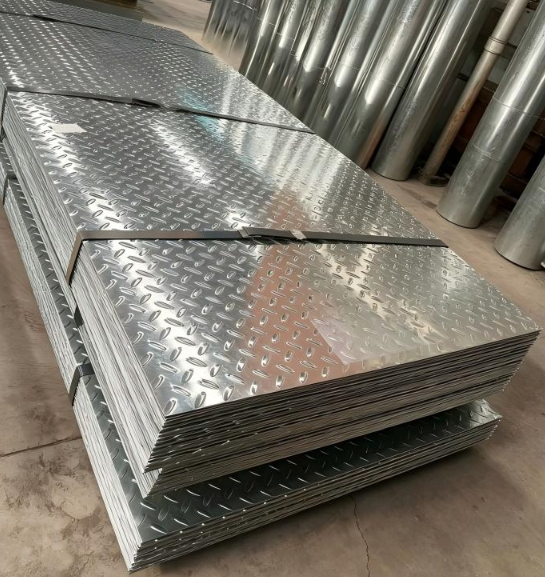
Discover how multi specification galvalume steel coil simplifies purchasing, boosts productivity, and lowers costs for metal fabricators.
2026/09/10
Discover why hot dipped galvanized steel and hot dip galvanized checkered plate offer ideal corrosion resistance and strength for road guardrails.
Covering green transformation, product comparison, selection guide, and industry empowerment, helping you fully grasp the dynamics of the color steel industry.

Global climate action and Belt and Road cooperation are driving the color steel industry’s shift toward green, sustainable development.
Comparing PPGI and PPGL across performance, durability, and applications to help you select the optimal coated steel for your project.
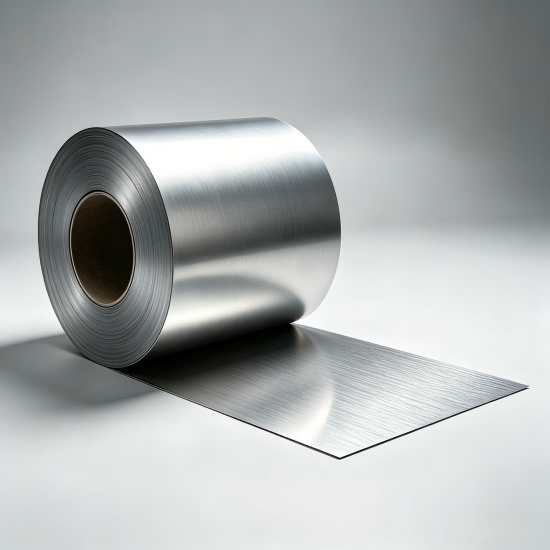
A practical guide to selecting and applying color steel coils, ensuring optimal performance, durability, and cost-effectiveness for your projects.
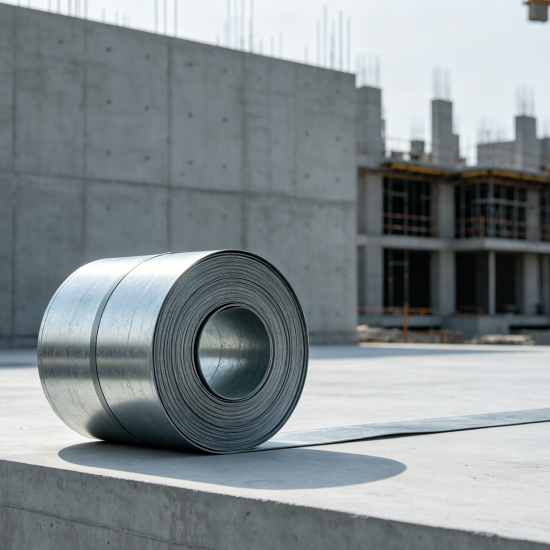
Industry forum drives digital and green transformation, empowering steel sector development through innovation and collaboration.