EN
EN

How to customize length size of precision cut GI coil finished sheets
2026/09/11
Learn how to specify precision cut GI coil sheets in custom lengths — tolerance selection, coating integrity, and ordering tips.
2026/07/30
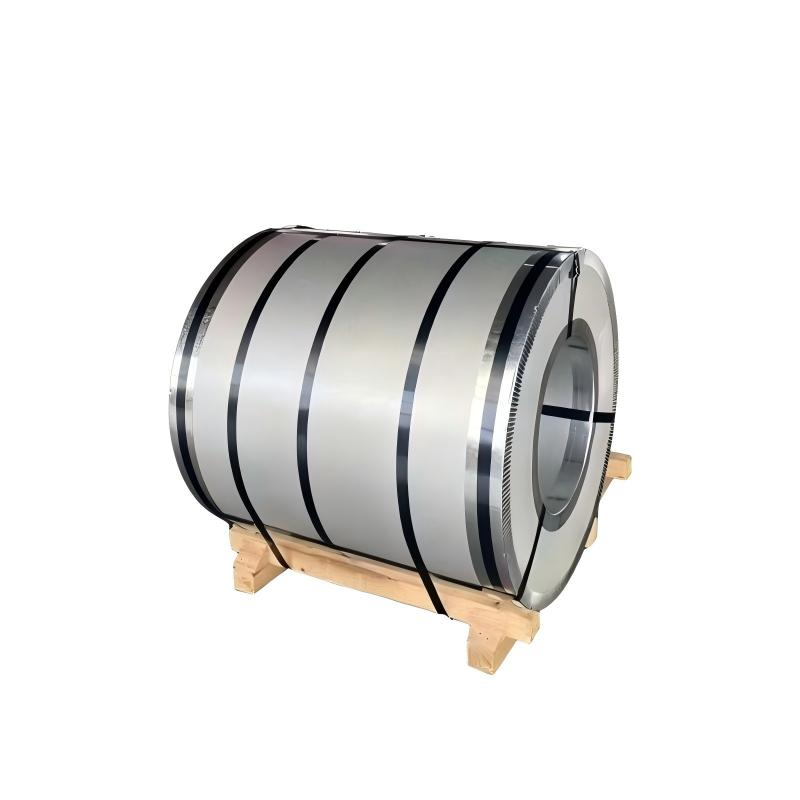
the coated sheet serves as a versatile foundation material for producing architectural panels across architectural, automotive, and appliance industries. The ppgi plain sheet manufacturing process begins with hot-dip galvanized steel coil that receives continuous organic coating application through roller coating systems, followed by curing in high-temperature ovens. After coating and curing, the pre-painted sheet undergoes flattening and cut-to-length processing to produce flat sheets with precise dimensions. The resulting the flat sheet exhibits excellent surface flatness, uniform coating thickness, and consistent color appearance essential for subsequent decorative panels fabrication. Standard ppgi plain sheet manufacturing produces sheets in thicknesses from 0.09mm to 1.5mm with widths up to 1,500mm, accommodating diverse metal facade panels design requirements. The coating systems applied during ppgi plain sheet manufacturing include polyester, silicon-modified polyester, HDP, and PVDF options, each offering different durability levels for decorative cladding panels in interior or exterior applications. Understanding the galvanized sheet properties and manufacturing capabilities enables fabricators to select appropriate processing methods that preserve coating integrity while achieving desired ornamental metal panels geometry and surface quality. Quality ppgi plain sheet manufacturing ensures that substrate mechanical properties, including yield strength and elongation, meet forming requirements for complex architectural panels shapes. The versatility of the coated steel sheet makes it the preferred substrate for decorative panels in both residential and commercial architectural projects.
Processing the flat steel sheet into metal facade panels begins with cutting operations that must preserve coating integrity along cut edges. Guillotine shearing represents the most common the pre-painted steel cutting method for straight-line cuts, offering clean edges with minimal burr formation when blade clearance is properly adjusted for sheet thickness. For decorative metal panels requiring curved or complex contour cuts, CNC laser cutting provides exceptional precision with minimal heat-affected zone, making it ideal for intricate the coated panel patterns. Plasma cutting offers faster processing speeds for thicker the painted sheet but requires edge cleaning to remove oxide formation on decorative metal panels. Waterjet cutting eliminates thermal distortion entirely, preserving the galvanized panel coating properties even on complex decorative metal panels designs. Ppgi plain sheet manufacturing facilities typically integrate rotary slitting and cut-to-length lines for high-volume decorative metal panels production. When cutting the flat panel, maintaining proper blade sharpness and clearance prevents coating delamination at cut edges, a critical quality factor for decorative metal panels that will be exposed to environmental conditions. Fabricators should establish cutting parameter standards based on the pre-painted flat sheet thickness and coating type, verifying edge quality through visual inspection and adhesion testing before proceeding with decorative metal panels forming operations. Proper cutting techniques ensure the coated flat steel edges remain clean and coating-intact for decorative metal panels production.
After cutting, the painted steel sheet undergoes forming operations to create decorative metal panels with three-dimensional profiles. Press brake bending shapes the galvanized flat sheet into angles, channels, and custom profiles for decorative metal panels frames and trim components. The minimum internal bend radius for the coated sheet depends on coating flexibility and sheet thickness, typically 1 to 3 times thickness for PE coatings and 2 to 4 times for PVDF. Roll forming continuously processes the pre-painted sheet into longitudinal profiles such as corrugated panels, standing seam roofing, and custom decorative metal panels profiles at high production speeds. Ppgi plain sheet manufacturing standards require that roll-formed decorative metal panels exhibit no coating cracking at bend radii specified by T-bend testing. Stamping operations produce embossed or perforated decorative metal panels from the flat sheet, adding visual texture and acoustic functionality. Progressive die stamping enables high-volume the galvanized sheet processing for repetitive decorative metal panels components. For all forming operations, ppgi plain sheet manufacturing quality directly affects formability, as inconsistent coating thickness or insufficient coating adhesion can cause surface defects during decorative metal panels production. Fabricators should request T-bend test certificates from the coated steel sheet suppliers and conduct trial forming runs before committing to full-scale decorative metal panels production. This ensures the flat steel sheet meets forming requirements for quality decorative metal panels output.
Maintaining surface quality throughout the pre-painted steel processing is critical for decorative metal panels that demand flawless visual appearance. Ppgi plain sheet manufacturing incorporates temporary protective films applied during production to shield coated surfaces from scratches during handling, transportation, and subsequent processing. These protective films should remain on the coated panel during cutting and forming operations whenever possible, removed only after decorative metal panels installation. Quality control in ppgi plain sheet manufacturing involves continuous monitoring of coating thickness using magnetic induction gauges, with typical topcoat specifications of 20 plus or minus 5 micrometers. Surface defect inspection systems in modern ppgi plain sheet manufacturing lines detect and mark coating imperfections including pinholes, streaks, and color variations that could affect decorative metal panels appearance. For decorative metal panels requiring premium surface quality, buyers should specify visual inspection standards referencing ASTM D4147 or equivalent, defining acceptable defect limits for the painted sheet. Ppgi plain sheet manufacturing facilities like Shenyang Yuanhe Steel implement three-tier quality control systems verifying dimensional accuracy, coating performance, and surface appearance before dispatch, ensuring that the galvanized panel meets decorative metal panels fabrication requirements. Proper storage conditions, including temperature and humidity control, prevent coating degradation during ppgi plain sheet inventory periods before decorative metal panels processing begins, maintaining ppgi plain sheet manufacturing quality standards.
An architectural metal fabricator in Central Asia secured a contract to produce decorative metal panels for a government building renovation requiring 15,000 square meters of custom-profiled wall cladding. The fabricator sourced ppgi plain sheet in 0.5mm thickness with SMP coating in a custom bronze RAL color from Shenyang Yuanhe Steel, specifying tight thickness tolerance of plus or minus 0.02mm and T-bend 2T performance for complex decorative metal panels forming. The ppgi plain sheet manufacturing documentation included mill test certificates, coating thickness reports, and salt spray test data supporting 1,000-hour corrosion resistance for decorative metal panels. The fabricator processed ppgi plain sheet through CNC laser cutting for panel outlines, followed by press brake bending for edge returns and roll forming for interlocking profiles, producing decorative metal panels with precise dimensions and clean edge quality. Throughout production, the protective film on ppgi plain sheet prevented surface scratches, and coating adhesion remained intact at all bend locations on decorative metal panels. The completed decorative metal panels passed independent quality inspection with zero coating defects. This project demonstrated that properly specified ppgi plain sheet from quality ppgi plain sheet manufacturing processes enables efficient decorative metal panels production with minimal material waste and excellent surface quality, confirming ppgi plain sheet suitability for premium architectural decorative metal panels applications.
Q: What is the recommended minimum bend radius for ppgi plain sheet in decorative metal panels?
A: For PE-coated ppgi plain sheet, use minimum 1T internal bend radius. For PVDF coatings, specify minimum 2T to 3T. Always request T-bend test data from ppgi plain sheet manufacturing suppliers before decorative metal panels forming.
Q: Can I laser cut ppgi plain sheet without damaging the coating for decorative metal panels?
A: Yes, CNC laser cutting is suitable for ppgi plain sheet. Use appropriate power settings and nitrogen assist gas to minimize heat-affected zone, preserving ppgi plain sheet coating integrity on decorative metal panels edges.
Q: How should I store ppgi plain sheet before processing decorative metal panels?
A: Store ppgi plain sheet in dry, ventilated areas away from direct sunlight. Maintain protective film until final decorative metal panels installation to prevent ppgi plain sheet surface damage during ppgi plain sheet manufacturing and handling.
2026/09/11
Learn how to specify precision cut GI coil sheets in custom lengths — tolerance selection, coating integrity, and ordering tips.
2026/09/11
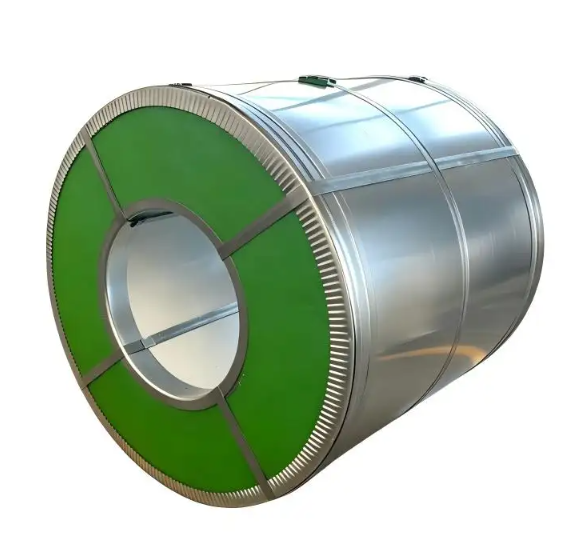
Learn why premium finish galvalume steel coil delivers better paint adhesion and visual consistency in finished building products. Request specs today.
2026/09/10
Learn why heavy coating galvalume steel coil provides superior corrosion resistance in harsh coastal settings and saves long-term maintenance costs.
2026/09/10
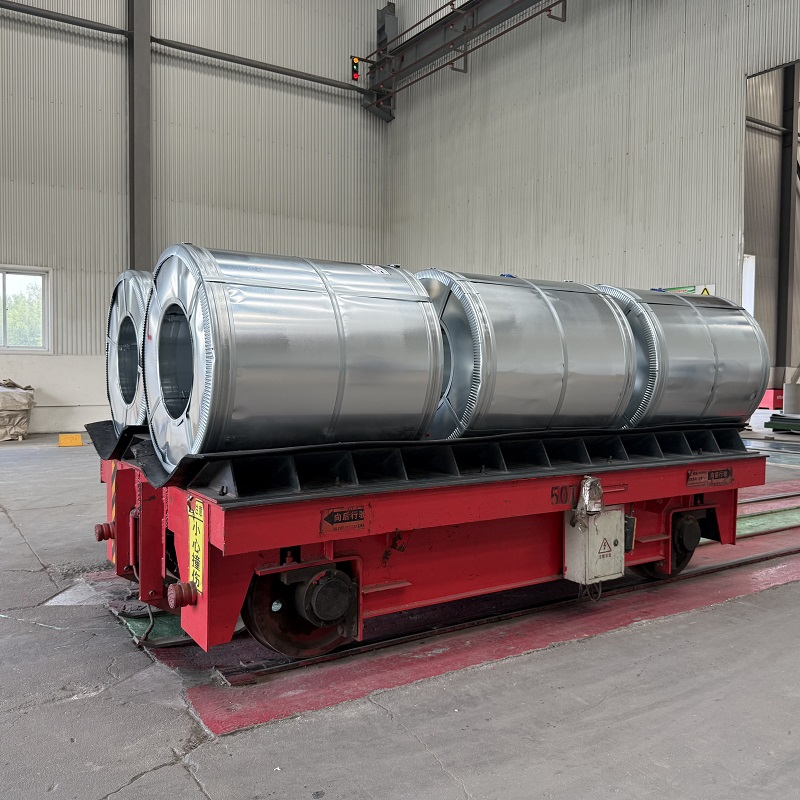
Learn how to test the bending performance of formable galvalume steel coil samples using T-bend testing to prevent cracking and scrap.
2026/09/10
Discover how multi specification galvalume steel coil simplifies purchasing, boosts productivity, and lowers costs for metal fabricators.
2026/09/10
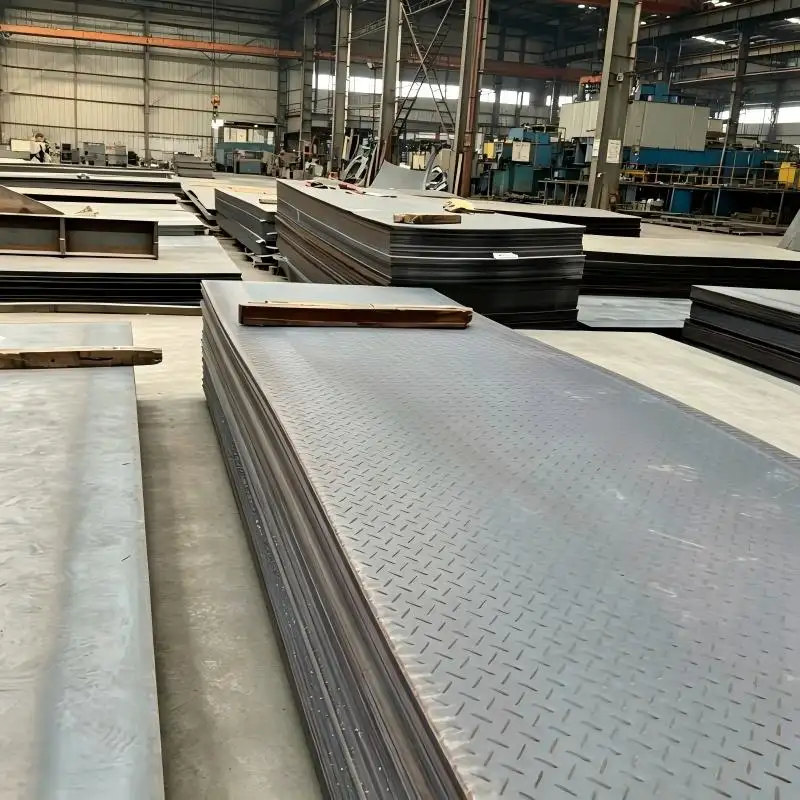
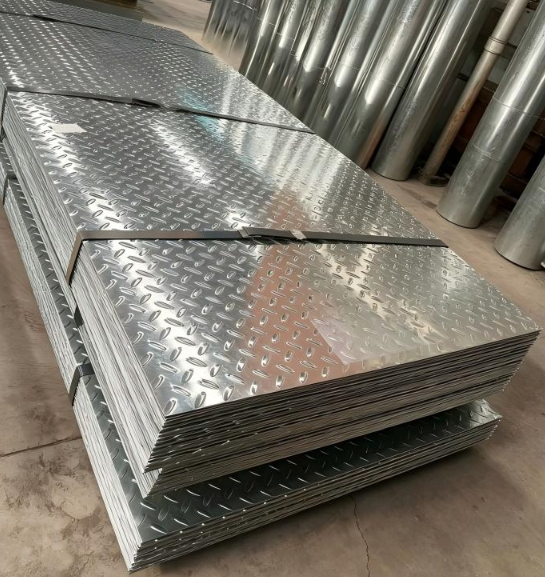
Discover why hot dipped galvanized steel and hot dip galvanized checkered plate offer ideal corrosion resistance and strength for road guardrails.
Covering green transformation, product comparison, selection guide, and industry empowerment, helping you fully grasp the dynamics of the color steel industry.

Global climate action and Belt and Road cooperation are driving the color steel industry’s shift toward green, sustainable development.

Comparing PPGI and PPGL across performance, durability, and applications to help you select the optimal coated steel for your project.
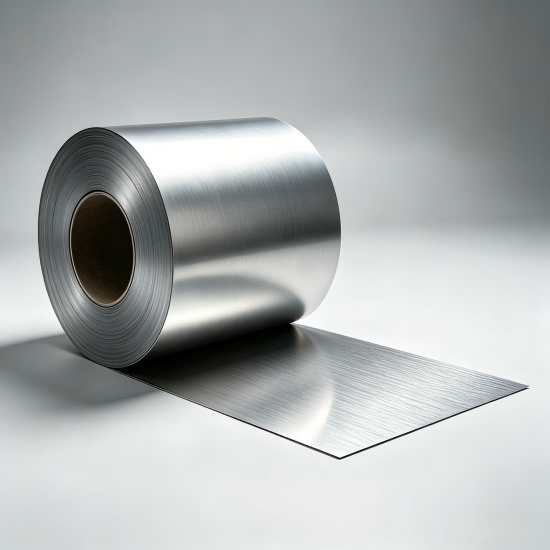
A practical guide to selecting and applying color steel coils, ensuring optimal performance, durability, and cost-effectiveness for your projects.
Industry forum drives digital and green transformation, empowering steel sector development through innovation and collaboration.