EN
EN

How to customize length size of precision cut GI coil finished sheets
2026/09/11
Learn how to specify precision cut GI coil sheets in custom lengths — tolerance selection, coating integrity, and ordering tips.
2026/08/17
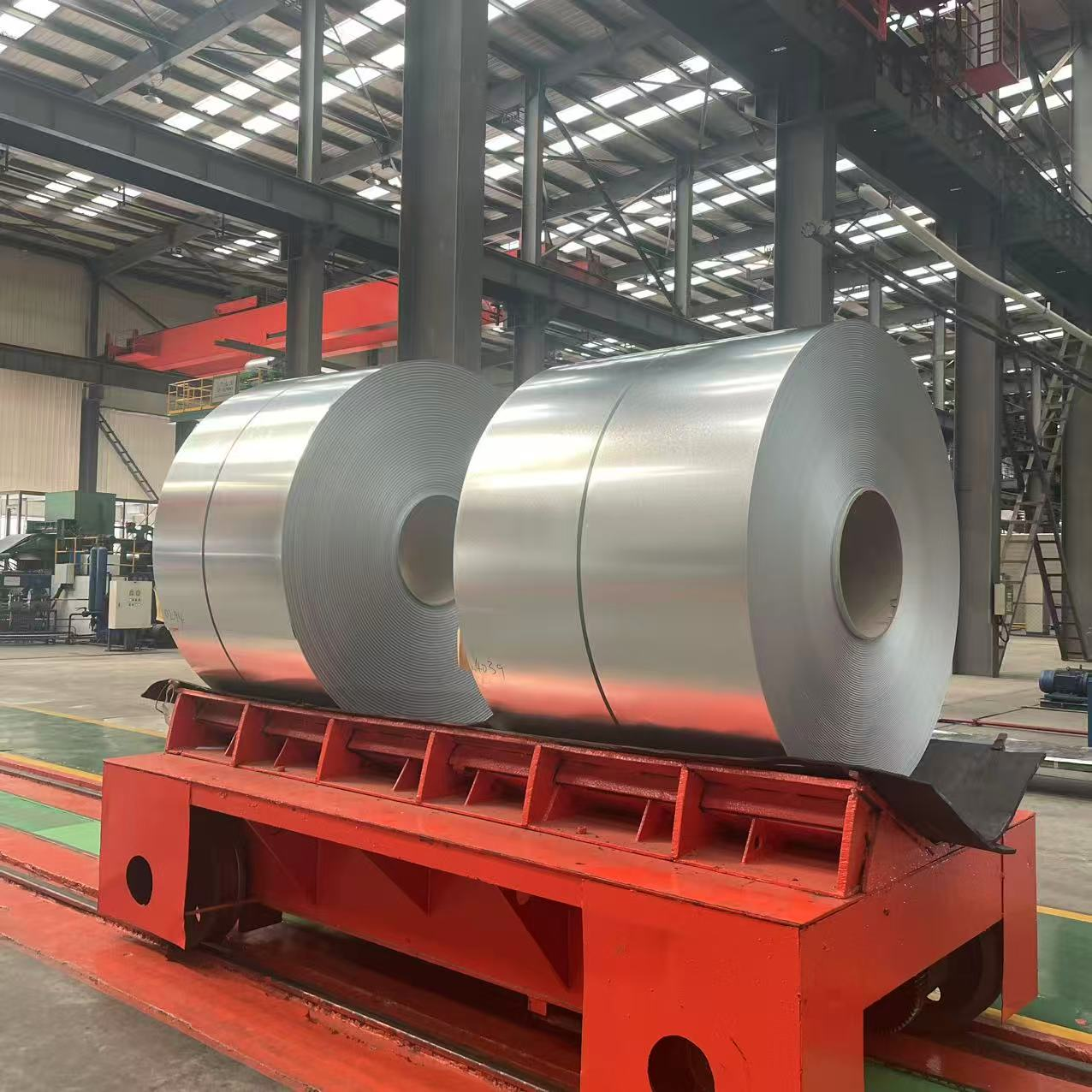
Stainless steel hot rolled coil is manufactured through a process where steel slabs are heated above their recrystallization temperature, typically between 1,100 and 1,300 degrees Celsius, and then passed through rolling mills to achieve the desired thickness. This high-temperature processing fundamentally alters the microstructure of the hot rolled steel coil, resulting in a material with distinct advantages for high temperature molding applications. Unlike cold rolled alternatives, the hot rolling process relieves internal stresses and produces a more uniform grain structure, which directly translates to superior formability during subsequent high temperature molding operations. The stainless steel hot rolled coil retains these processing benefits throughout its service life, making it particularly suitable for components that must withstand thermal cycling, mechanical stress, and corrosive environments simultaneously.
The primary processing advantage of stainless steel hot rolled coil lies in its enhanced ductility at elevated temperatures. When subjected to high temperature molding processes such as hot stamping, forging, or pressing, the hot rolled steel coil exhibits lower flow stress and higher elongation compared to cold rolled variants. This means manufacturers can achieve complex geometries with fewer forming steps and reduced tool wear. Additionally, the stainless steel hot rolled coil demonstrates excellent weldability due to its clean, oxide-free internal structure, which is critical for components requiring post-molding assembly. The material also offers predictable thermal expansion behavior, allowing engineers to design molds with tighter tolerances. From my experience consulting with automotive exhaust system manufacturers, switching from cold rolled to hot rolled steel coil for high temperature molding reduced defect rates by approximately 15 percent while improving overall production throughput.
Material Properties Comparison: Hot Rolled vs Cold Rolled
Understanding the differences between hot rolled and cold rolled steel coil is essential for selecting the right material for high temperature molding. The table below provides a detailed comparison of the key properties that influence molding performance. Hot rolled steel coil typically features a matte gray surface finish due to the oxidation that occurs during cooling, while cold rolled products have a smoother, more reflective surface. For high temperature molding applications, the surface condition of stainless steel hot rolled coil is generally less critical since the molding process itself modifies the surface.
An industrial heat exchanger manufacturer in Central Asia recently transitioned from using cold rolled stainless steel to stainless steel hot rolled coil for their high temperature molding operations. The components, which required deep drawing at temperatures exceeding 800 degrees Celsius, had previously experienced cracking rates of up to 8 percent with cold rolled material. After switching to hot rolled steel coil, the cracking rate dropped to below 2 percent, and the overall tooling life increased by approximately 20 percent due to reduced forming resistance. The manufacturer also reported that the stainless steel hot rolled coil provided more consistent mechanical properties across different coils, resulting in more predictable molding behavior and fewer process adjustments between batches. This case demonstrates how material selection directly impacts both quality and cost efficiency in high temperature molding operations.
When sourcing stainless steel hot rolled coil for high temperature molding, buyers should pay particular attention to several quality indicators. First, request mill test certificates that document yield strength, tensile strength, and elongation values for each batch of hot rolled steel coil. Second, verify that the coil dimensions meet your molding equipment specifications, with particular attention to thickness tolerance, which typically ranges from plus or minus 0.15 mm for standard grades. Third, inspect the surface condition for excessive scale, laps, or cracks that could affect molding quality. Manufacturers like Shenyang Yuanhe, which supplies hot rolled steel coil to markets across Africa and the Middle East, implement three-tier quality control systems and provide comprehensive mill test documentation. Their ability to customize coil dimensions and offer value-added services such as slitting and cutting to specified widths further supports efficient high temperature molding operations.
From a cost perspective, stainless steel hot rolled coil generally offers a lower price per ton compared to cold rolled alternatives, as it requires fewer processing steps. For high temperature molding applications where surface finish is not the primary concern, this cost advantage can be significant. Additionally, the reduced forming resistance of hot rolled steel coil translates to lower energy consumption during molding, faster cycle times, and reduced tool maintenance. When combined with proper supplier selection and quality verification, these benefits make stainless steel hot rolled coil an optimal choice for manufacturers seeking to balance performance and cost efficiency in their high temperature molding processes. The consistent growth in demand for stainless steel hot rolled coil across global industrial markets further validates its position as a preferred material for demanding molding and structural applications.
Table : Hot Rolled vs Cold Rolled Steel Coil Properties for Molding
|
Property |
Hot Rolled Steel Coil |
Cold Rolled Steel Coil |
|
Surface Finish |
Matte gray, scaled |
Smooth, reflective |
|
Yield Strength (MPa) |
250-350 |
280-400 |
|
Elongation (%) |
35-45 |
25-35 |
|
Formability at High Temp |
Excellent |
Moderate |
|
Cost per Ton |
Lower |
Higher |
2026/09/11
Learn how to specify precision cut GI coil sheets in custom lengths — tolerance selection, coating integrity, and ordering tips.
2026/09/11
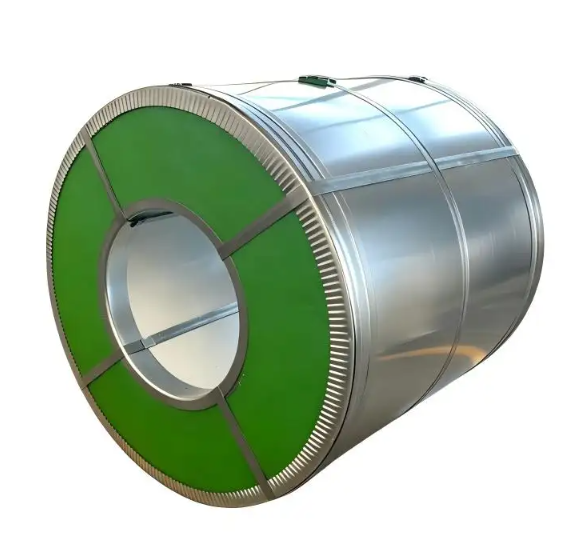
Learn why premium finish galvalume steel coil delivers better paint adhesion and visual consistency in finished building products. Request specs today.
2026/09/10
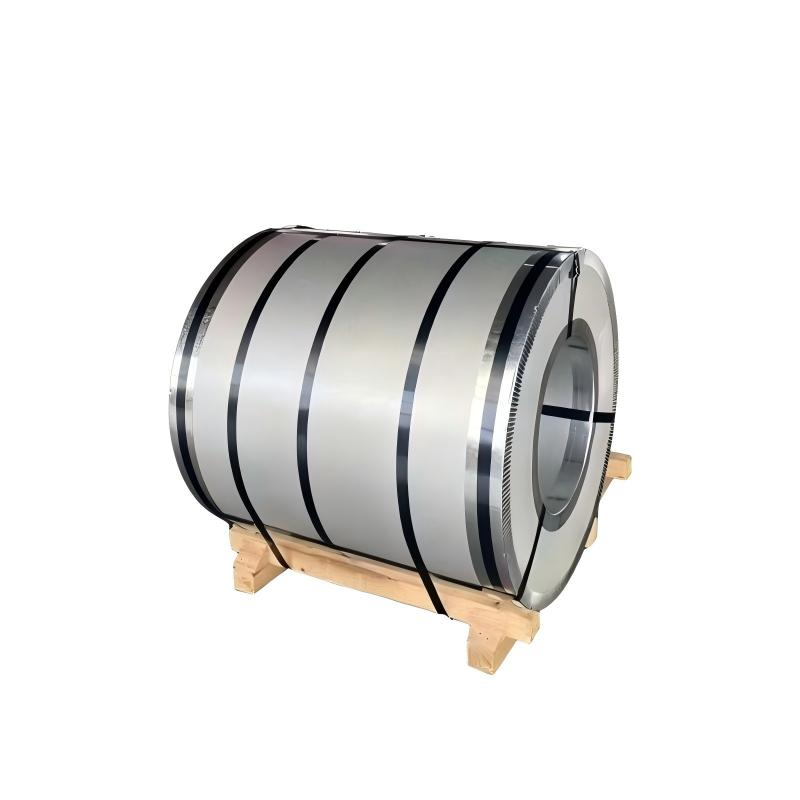
Learn why heavy coating galvalume steel coil provides superior corrosion resistance in harsh coastal settings and saves long-term maintenance costs.
2026/09/10
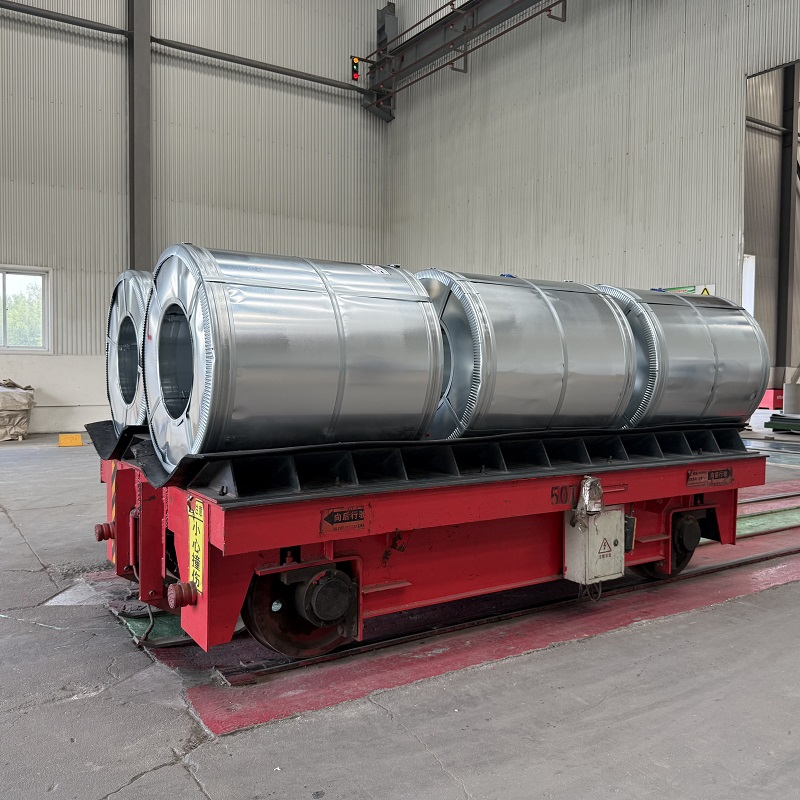
Learn how to test the bending performance of formable galvalume steel coil samples using T-bend testing to prevent cracking and scrap.
2026/09/10
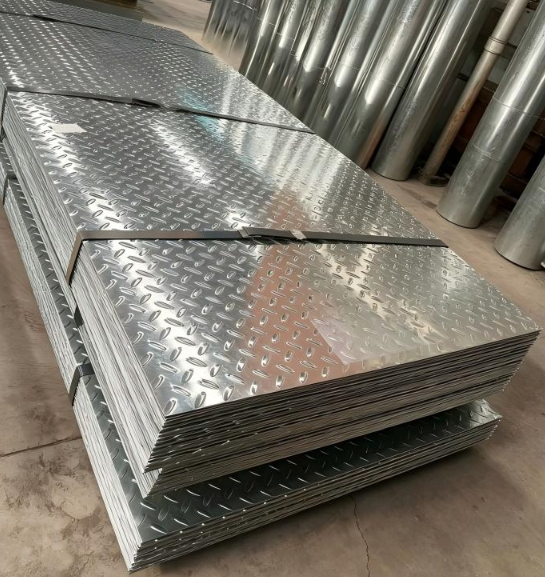
Discover how multi specification galvalume steel coil simplifies purchasing, boosts productivity, and lowers costs for metal fabricators.
2026/09/10
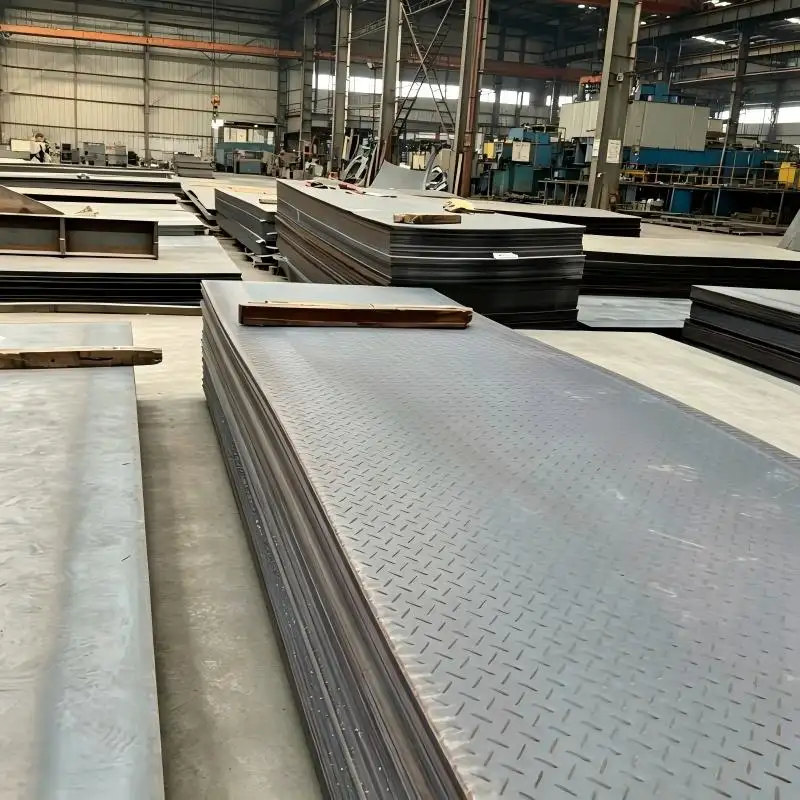
Discover why hot dipped galvanized steel and hot dip galvanized checkered plate offer ideal corrosion resistance and strength for road guardrails.
Covering green transformation, product comparison, selection guide, and industry empowerment, helping you fully grasp the dynamics of the color steel industry.

Global climate action and Belt and Road cooperation are driving the color steel industry’s shift toward green, sustainable development.

Comparing PPGI and PPGL across performance, durability, and applications to help you select the optimal coated steel for your project.
A practical guide to selecting and applying color steel coils, ensuring optimal performance, durability, and cost-effectiveness for your projects.
Industry forum drives digital and green transformation, empowering steel sector development through innovation and collaboration.