EN
EN

How to customize length size of precision cut GI coil finished sheets
2026/09/11
Learn how to specify precision cut GI coil sheets in custom lengths — tolerance selection, coating integrity, and ordering tips.
2026/08/26
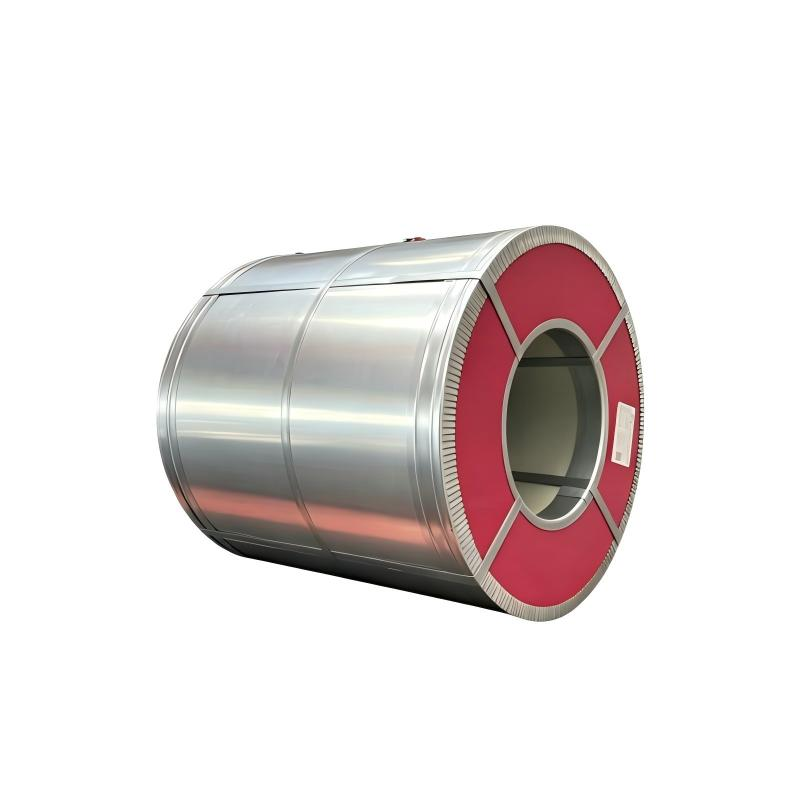
When sourcing prepainted galvanized steel coil, it is easy to focus all your attention on the outer coat—whether that means choosing between PVDF or SMP, or specifying a particular zinc coating weight. However, the true foundation of long-term weatherability lies beneath those visible layers. The surface chemical conversion layer applied right before painting dictates whether a coating holds fast for twenty years or begins flaking off after a few rainy seasons.
Without proper surface prep, even top-tier paint struggles to bond with smooth zinc surfaces. Unprepared coils frequently succumb to paint peeling, chalking, or under-film blistering within three to five years of field exposure. Conversely, a carefully pretreated prepainted galvanized steel coil creates a microscopic anchor pattern and passive chemical barrier that locks paint in place for 15 to 25 years, even under intense outdoor weathering.
The primary role of coil pretreatment is transforming a raw, reactive zinc substrate into a chemically stable foundation. Standard galvanized surfaces naturally form oxides and hydroxides that interfere with organic paint adhesion. A high-performance pretreatment system removes these weak surface layers and replaces them with a uniform conversion coating.
This micro-thin film serves two vital functions simultaneously:
Mechanical Interlocking: It creates micro-roughness that allows primers to flow in, lock down, and maximize overall coating adhesion improvement.
Corrosion Resistance: It seals the reactive zinc substrate, preventing moisture and oxygen from creeping beneath the paint layer if the surface gets scratched during transport or installation.
To produce a reliable, premium finish prepainted galvanized steel coil, the pretreatment stage requires precise operational control. Chemical bath concentration, line speed, contact temperature, and post-rinse water purity must remain locked within tight parameters. Any drift in these variables compromises the conversion layer, leading directly to future field failures.
Selecting the right pretreatment method involves balancing performance requirements, target budgets, and local regulatory mandates.
| Pretreatment Method | Chemical Base | Adhesion Rating (ASTM D3359) | Salt Spray Resistance | Environmental Impact |
| Chromate Conversion | Hexavalent / Trivalent Chromium | 5B (Highest) | 500 – 1000 Hours | Highly restricted in Europe and North America (RoHS/REACH) |
| Zirconium-Based Passivation | Zirconium Fluoride Complex | 4B – 5B | 300 – 600 Hours | Fully eco-friendly and RoHS compliant |
| Iron Phosphating | Zinc / Iron Phosphate | 4B | 200 – 400 Hours | Generates chemical sludge requiring extra treatment |
Matching the chemical prep system to the final application environment keeps costs in check without sacrificing field lifespan.
For mild interior settings—like home appliance side panels, light fixtures, or indoor ceiling grids—iron phosphating delivers solid performance at a cost-effective price point. However, exterior architectural components demand far greater protection against UV breakdown, temperature swings, and atmospheric moisture.
For aggressive outdoor settings, zirconium-based passivation has rapidly become the preferred industry standard. It matches the high adhesion qualities of traditional chromate while eliminating toxic heavy metals, making it fully compliant with global environmental standards.
Consider a prepainted galvanized steel coil intended for exterior roofing panels in coastal or desert regions. The combination of intense solar radiation and high atmospheric salinity quickly degrades poorly prepared metal. In these demanding settings, applying a zirconium-based coil pretreatment beneath an advanced primer and PVDF topcoat allows the material to comfortably clear 500+ hours in salt spray testing.
Quality verification requires rigorous physical testing before shipment, including:
Cross-Cut Adhesion (ASTM D3359): Confirms the paint layer directly bonds to the pretreated substrate without flaking.
T-Bend Testing: Verifies that the conversion film and paint stay fully attached during heavy mechanical forming and bending.
Accelerated Weathering (ASTM G154): Simulates years of severe outdoor UV exposure to ensure long-term color and gloss retention.
Best Practices for Pretreatment Quality Control
Procurement teams evaluating supply partners should look closely at factory-floor quality assurance practices. Consistent conversion coatings require real-time process monitoring rather than periodic manual checks.
A strong quality control framework relies on several core practices:
Automated Bath Monitoring: Chemical concentrations and pH levels ought to be continuously tracked and adjusted via automated dosing systems to keep chemical baths stable across long production runs.
Surface Energy Testing: Technicians should routinely measure strip surface tension using dyne pens or contact angle tools. Maintaining a surface energy above 38 dynes per centimeter ensures complete primer wetting across the entire coil width.
Batch Traceability: Physical samples from every run should undergo cross-cut testing and be archived alongside bath logs to maintain complete quality records.
For projects specifying a premium finish prepainted galvanized steel coil, reviewing supplier process documentation offers clear insight into manufacturing reliability. Advanced facilities with robust quality management systems handle strip thicknesses ranging from 0.09mm to 1.5mm and zinc coatings from Z20 to Z275, ensuring exact adherence to customer specs.
Yuanhe maintains a structured three-tier quality verification system across its production lines, rigorously testing coil pretreatment consistency to deliver fully traceable, high-durability coil batches for demanding international builds.
Identifying and Preventing Pretreatment Deficiencies
Pretreatment mistakes on a prepainted galvanized steel coil are rarely visible on day one. Instead, these hidden defects surface months or years later, leading to costly field claims and project delays.
The most widespread issue is inadequate post-chemical rinsing. When residual chemical salts remain trapped on the steel strip, they draw in moisture through osmotic action, causing widespread under-film blistering. Another frequent point of failure is bath contamination. As zinc ions build up in phosphating solutions over time, the chemistry becomes unbalanced, weakening the resulting conversion layer.
Buyers can protect their investments by inspecting recent salt spray test reports and requesting third-party mill test certificates before placing volume orders. Catching potential surface prep issues during factory qualification audits protects project budgets and guarantees that the delivered steel lives up to its expected service life.
How does zirconium pretreatment compare to traditional chromate?
Chromate provides exceptional raw corrosion resistance, but environmental regulations restrict its use in key global markets. Zirconium-based systems deliver comparable coating adhesion improvement and strong corrosion defense while meeting strict international environmental standards like RoHS and REACH.
What tests best verify pretreatment quality on a finished coil?
Requesting cross-cut adhesion test data (ASTM D3359), T-bend reports, and neutral salt spray hours (ASTM B117) offers a clear picture of substrate preparation quality. Achieving a 4B/5B cross-cut rating alongside 500+ salt spray hours indicates excellent surface preparation.
Can poor coil pretreatment affect the final cosmetic finish?
Yes. Inadequate cleaning or uneven chemical application disrupts surface tension during paint application. This leads to visual defects like orange peel textures, micro-pinholes, gloss variation, or poor paint flow across the steel surface.
2026/09/11
Learn how to specify precision cut GI coil sheets in custom lengths — tolerance selection, coating integrity, and ordering tips.
2026/09/11
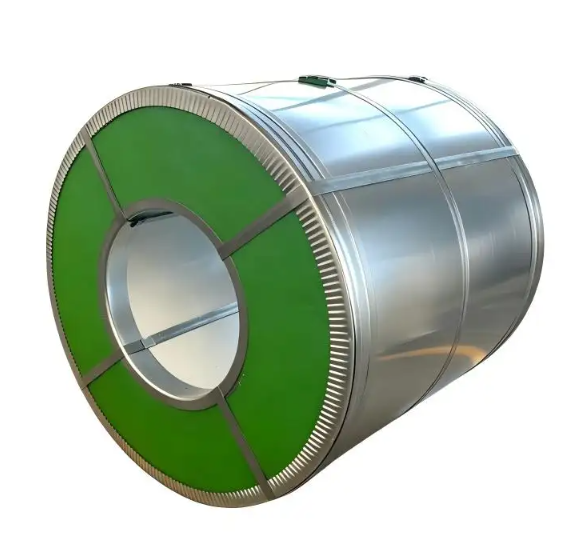
Learn why premium finish galvalume steel coil delivers better paint adhesion and visual consistency in finished building products. Request specs today.
2026/09/10
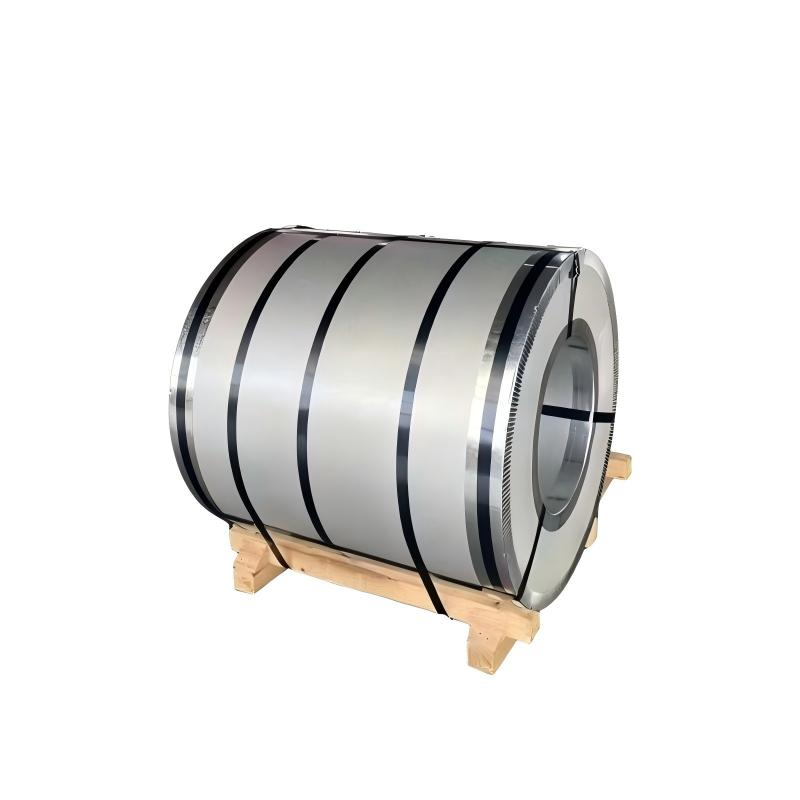
Learn why heavy coating galvalume steel coil provides superior corrosion resistance in harsh coastal settings and saves long-term maintenance costs.
2026/09/10
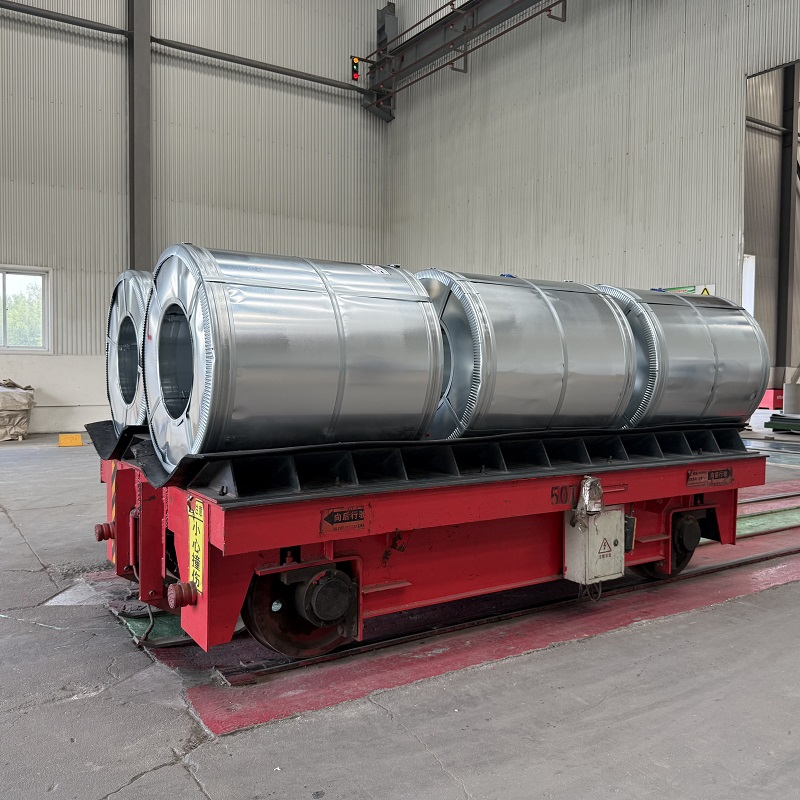
Learn how to test the bending performance of formable galvalume steel coil samples using T-bend testing to prevent cracking and scrap.
2026/09/10
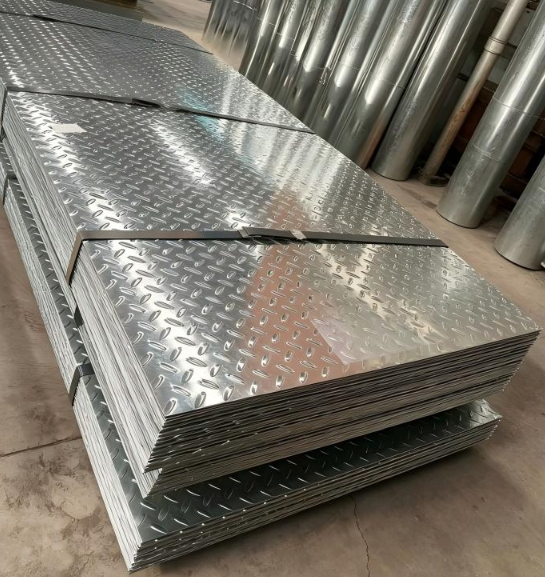
Discover how multi specification galvalume steel coil simplifies purchasing, boosts productivity, and lowers costs for metal fabricators.
2026/09/10
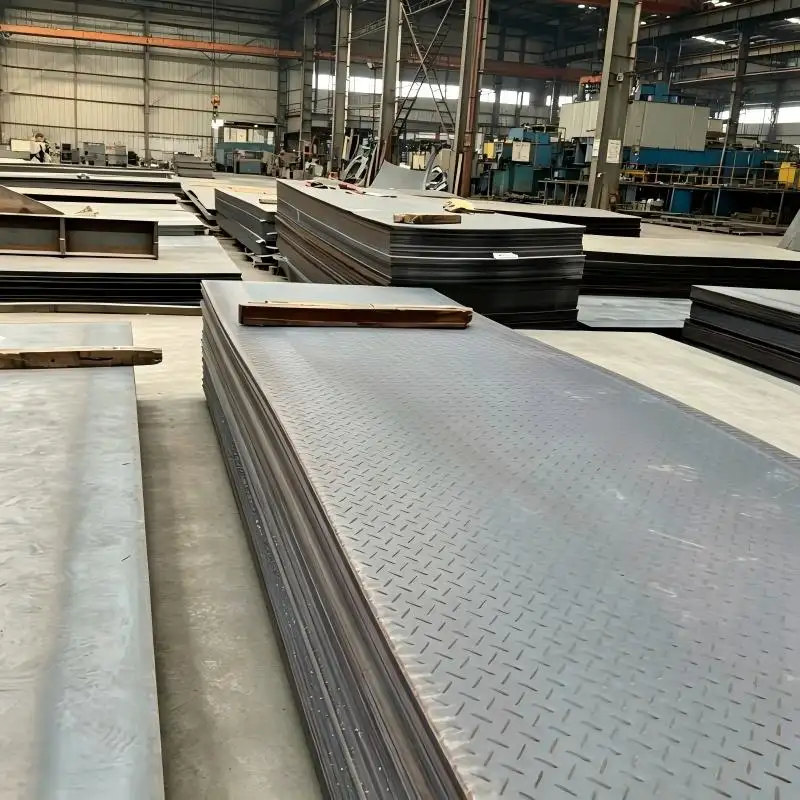
Discover why hot dipped galvanized steel and hot dip galvanized checkered plate offer ideal corrosion resistance and strength for road guardrails.
Covering green transformation, product comparison, selection guide, and industry empowerment, helping you fully grasp the dynamics of the color steel industry.

Global climate action and Belt and Road cooperation are driving the color steel industry’s shift toward green, sustainable development.

Comparing PPGI and PPGL across performance, durability, and applications to help you select the optimal coated steel for your project.
A practical guide to selecting and applying color steel coils, ensuring optimal performance, durability, and cost-effectiveness for your projects.
Industry forum drives digital and green transformation, empowering steel sector development through innovation and collaboration.